The name "dinosaur" means "terrible lizard" in Ancient Greek. They were an incredibly fascinating group of prehistoric animals that began to thrive on Earth about 230 million years ago. For over 130 million years, dinosaurs were the dominant group of vertebrates on Earth until the Cretaceous-Paleogene extinction event about 65 million years ago caused the extinction of most dinosaurs.
So, how many kinds of dinosaurs were there? In this article, we will explore the known and speculated dinosaur species, the main classification methods of dinosaurs, and some of the most famous dinosaur representatives, together unveiling the mystery of this prehistoric life.
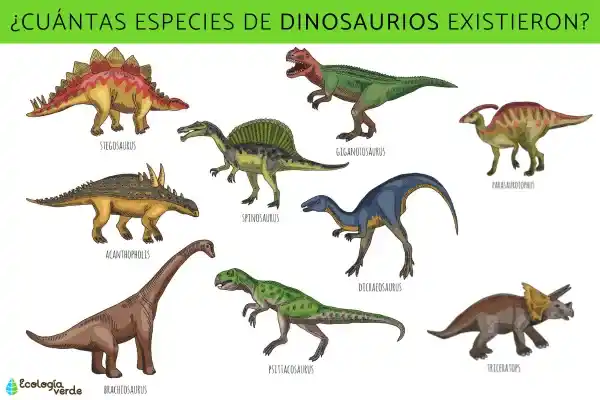
How many species of dinosaurs are known?
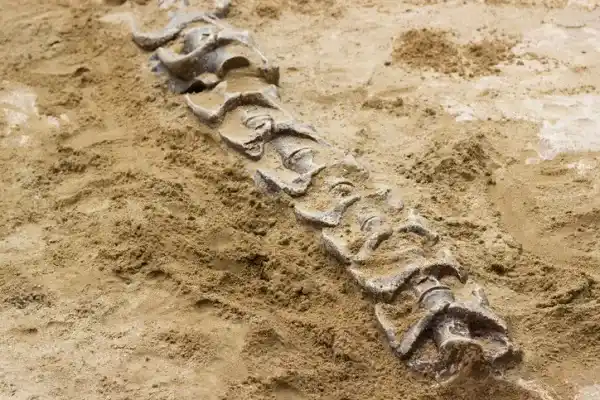
In the early 19th century, scientists first discovered dinosaur fossils, and since then, paleontologists have continuously conducted excavations and research worldwide. The enormous size and unique structure of dinosaurs have amazed people, and to this day, their skeletons remain one of the core exhibits in major museums.
Based on current research, approximately 1,000 different dinosaur species have been identified worldwide, encompassing dinosaurs of various forms, diets, and sizes. However, the scientific community generally believes that this is only the tip of the iceberg, and many more dinosaur species remain undiscovered.
Scientists speculate that there were a total of how many species of dinosaurs.
Although there are currently about 1,000 dinosaur species on record, scientists estimate, based on studies of fossil records and biodiversity, that the actual number of dinosaur species that existed was between 1,700 and 1,900 .
This means that there are still approximately 700 to 900 species of dinosaurs yet to be discovered . This may be because the fossils of these species have not yet been unearthed, or their remains were not successfully preserved, leaving no trace for study.
What are the main classifications of dinosaurs?
Dinosaurs can be divided into two main taxa based on their pelvic structure :
Saurischia (Saurischia)
"Saurischia" means "lizard-like pelvis," referring to the pelvic structure of these dinosaurs, which resembled that of modern reptiles such as lizards and crocodiles. Saurischia first appeared in the Late Triassic (approximately 230 million years ago) and diversified widely between the Jurassic and Cretaceous periods. This group includes:
Theropoda : such as Tyrannosaurus Rex and Velociraptor, are mainly carnivorous, with three toes on their hind limbs, and are good at running and hunting.
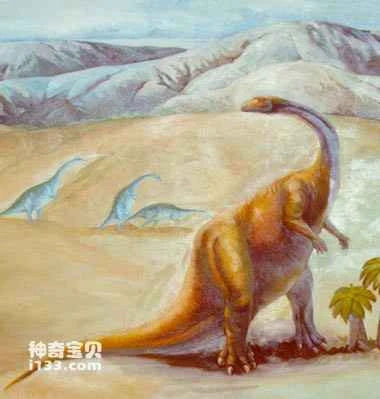
Sauropodomorpha : such as Brachiosaurus and Brontosaurus, are mainly herbivorous, walk on four legs, and have extremely long necks and tails.
Ornithischia
"Ornithischians" means "bird-like pelvis," and their pelvic structure is more similar to that of modern birds. Ornithischian dinosaurs coexisted with saurischians from the Late Triassic to the Late Cretaceous (approximately 230 million to 65 million years ago). They were all herbivorous dinosaurs , including both solitary and gregarious species. Representative groups include Triceratops, Stegosaurus, and hadrosaurus.
You can also learn more about the characteristics and representative species of herbivorous dinosaurs and carnivorous dinosaurs.
What are some of the most famous dinosaurs?
The following are some of the most important and representative dinosaurs recognized by the scientific community and the public:
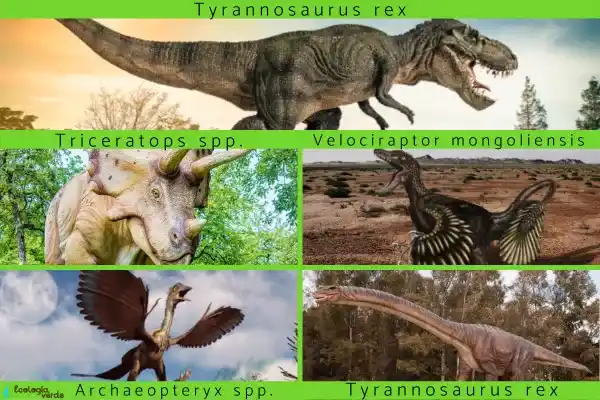
Tyrannosaurus rex
As one of the most well-known dinosaurs, Tyrannosaurus Rex belongs to the theropod suborder of the Saurischia order. It was a super-large carnivorous dinosaur that lived in North America . It was over 10 meters long and weighed over 5 tons. It had a strong jaw and sharp teeth and was a top predator.
Triceratops spp.
Triceratops, belonging to the order Ornithischians, were herbivorous dinosaurs with three horns and a large head frill . The two currently known species are *T. horridus * and *T. prorsus* , primarily distributed in the United States and Canada . They are often considered among the most typical herbivorous dinosaurs of the Late Cretaceous.
Velociraptor mongoliensis
Velociraptors were renowned for their high-speed running and hunting skills, reaching speeds of up to 65 kilometers per hour. These small carnivorous dinosaurs were mainly found in Central Asia , and their muscular hind limbs made them adept at hunting in groups.
Archaeopteryx spp.
Archaeopteryx is an important "transitional fossil" bridging dinosaurs and modern birds . It possesses dinosaur features such as teeth and a bony tail, as well as bird features such as feathers and gliding wings. Most fossils have been found in Germany , with a smaller number recorded in North America.
Patagotitan mayorum
This is not the most famous dinosaur, but it is the largest . It could reach 40 meters in length and weigh up to 70 tons . Discovered in the Chubut region of Patagonia Province , Argentina, it is considered the largest known land animal in Earth's history.
Conclusion: The variety of dinosaurs far exceeds our imagination.
Although the scientific community has currently identified approximately 1,000 species of dinosaurs, nearly 2,000 different species may have actually existed on Earth. Due to factors such as preservation conditions and geological activity, we have not yet discovered fossils of all dinosaurs. Each new discovery reveals more secrets about these prehistoric rulers.
If you are also interested in the reasons for the extinction of dinosaurs, you are welcome to read our other article, "How Dinosaurs Went Extinct".
Further reading recommendations:
[Herbivorous Dinosaur Species and Characteristics]
[Types and characteristics of carnivorous dinosaurs]
[Location of the oldest dinosaur fossils discovered]
[The History of Dinosaur Discoveries in Argentina]
bibliography
Currie, PJ and Padian, K. (eds.). (1997). Encyclopedia of Dinosaurs. Elsevier.
Norell, MA (2019). Patagonia: A Pictorial Guide to the World of Dinosaurs, Chicago: University of Chicago Press, pp. 156-159.