Rare animals refer to animal species whose numbers are extremely limited, endangered, or already extinct. These species generally possess significant ecological and cultural value and therefore require attention and protection. Common rare animals include giant pandas, snow leopards, golden monkeys, and South China tigers. Due to the impact of human activities on the natural environment, the habitats of many rare animals have been destroyed, and their survival faces severe challenges. Therefore, the protection of rare animals has become a global issue. Do you know which animals in the world are the rarest and most precious? This article compiles a list of the ten rarest animals in the world: Yangtze giant softshell turtle, vaquita, Javan rhinoceros, Amur leopard, kakapo, white lion, Yangtze alligator, red wolf, Sumatran rhinoceros, and Siberian tiger.
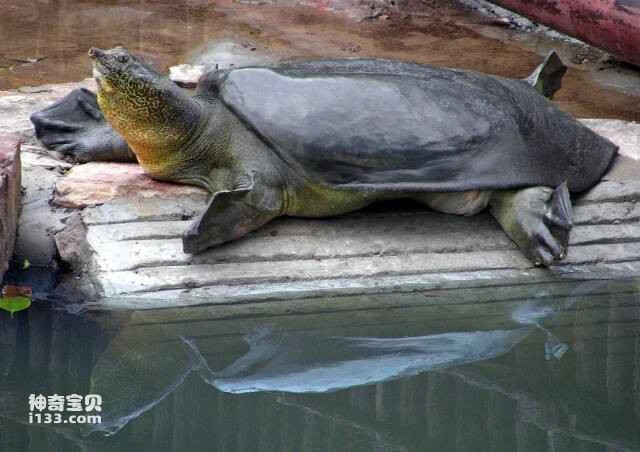
1. Yangtze giant softshell turtle (scientific name: Rafetus swinhoei)
The Yangtze giant softshell turtle, also known as the Swinhoe's softshell turtle or the Taihu softshell turtle, is the most endangered species of turtle, with only three known to exist worldwide. Due to increased human activity and the huge demand for turtle shells in traditional Chinese medicine, the population of Yangtze giant softshell turtles has declined rapidly. Habitat pollution and overfishing have led to this precarious situation. In the wild, turtles are almost always taken away for food or sale if spotted by humans. Since turtles must come ashore to bask and lay eggs, they are easily caught. The Yangtze giant softshell turtle's lifespan is several times that of a human, yet this species has ultimately perished at the hands of humans, a truly lamentable situation.
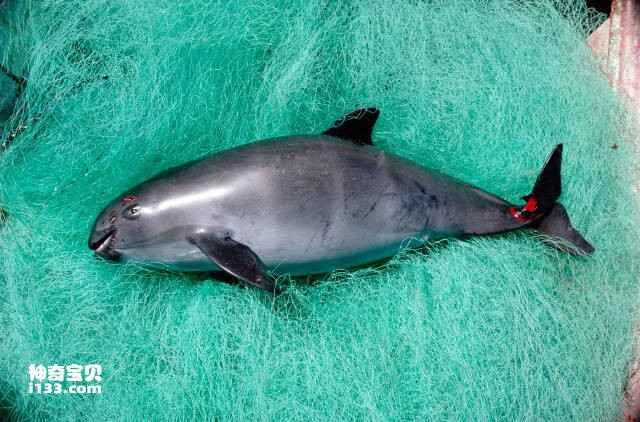
A vaquita was caught as a by-product in a gillnet in the Gulf of Mexico.
2. Vaquita dolphin (scientific name: Phocoena sinus)
The Gulf porpoise, also known as the small-headed vaquita or cochito, is endemic to the northern Gulf of California. Its population is estimated to be less than 300 individuals. Its endangered status is primarily due to its small habitat and susceptibility to entanglement in fishing nets. The porpoise is listed as Critically Endangered on the IUCN Red List, just one level above extinct in the wild. It is considered one of the most endangered marine mammals in the world.
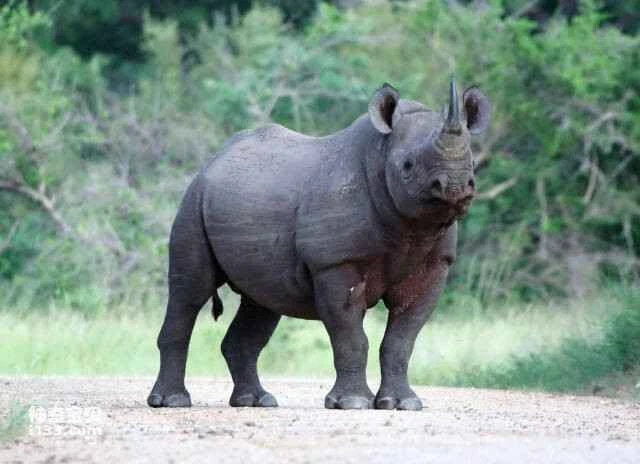
3. Javan rhinoceros (scientific name: Rhinoceros sondaicus)
The Javan rhinoceros is the smallest of the rhinoceros species and one of the most endangered large land animals in the world. Originally found on the islands of Java and Sumatra in Southeast Asia, fewer than 100 wild Javan rhinoceroses now survive in Java National Park, Indonesia. The Javan rhinoceros is relatively small, measuring about 3-4 meters in length and only about 1.5 meters in shoulder height, but can weigh up to 1 ton. Its distinctive features include a single, hard horn, wrinkled skin, a long head, and a mouth located below the head. The Javan rhinoceros is endangered for two main reasons: (1) extensive poaching (rhinoceros horn is considered a valuable traditional Chinese medicine and is carved into dagger handles in Yemen); and (2) habitat loss and destruction.
The Javan rhinoceros is a herbivore, primarily feeding on leaves, buds, and fruits. Due to habitat destruction and poaching, the Javan rhinoceros currently faces an extremely high risk of extinction. To protect this species, many organizations have begun conservation efforts, such as establishing nature reserves and strengthening law enforcement to combat poaching.
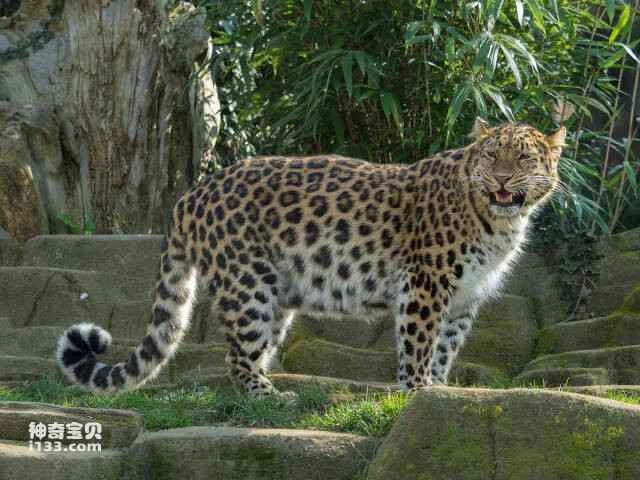
4. Far Eastern Leopard (scientific name: Panthera pardus orientalis)
The Amur leopard, also known as the Northeast leopard or golden leopard, is a subspecies of leopard that lives in eastern Asia. They are distributed in the Russian Far East, the Korean Peninsula, and Northeast China. The Amur leopard is one of the largest subspecies of the Panthera genus, reaching up to 2.5 meters in length and 1.2 meters in shoulder height. Compared to other leopard subspecies, they have a broader skull.
The Amur leopard is a solitary animal, typically active at dusk, and primarily hunts for prey including deer, wild boar, mountain goats, and small mammals. They can live for over 15 years in the wild, but due to habitat destruction and human activities such as illegal hunting, the species is currently critically endangered, with an estimated population of no more than 100 individuals. Governments and animal protection organizations worldwide are implementing various measures to protect the Amur leopard, including establishing protected areas, banning illegal hunting, and promoting environmental education.
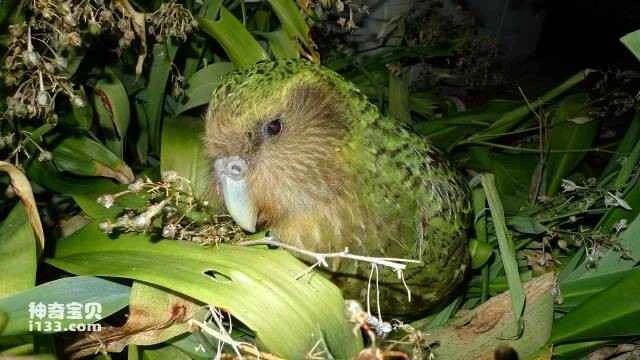
5. Kakapo (scientific name: *Strigops habroptila*)
The kakapo, also known as the night parrot, is a large, wingless bird endemic to New Zealand. They are among the heaviest parrots in the world, measuring approximately 60 centimeters in length and weighing up to 3.5 kilograms. New Zealanders call them "kakapo," a name derived from the Maori word "kākāpō," meaning "night-walking parrot." Their beautiful plumage, a blend of green and brown, makes them very difficult to spot in woodlands. Kakapos are among the longest-living birds in the world, with a lifespan of up to 58 years. Due to habitat destruction and the impact of human activities, the kakapo is listed as critically endangered by the IUCN, with only a few individuals remaining.
The kakapo is a nocturnal bird that spends its days resting in tree holes or crevices, and its nighttime activity searching for food, primarily nuts, seeds, fruits, and insects. Unlike other parrots, the kakapo is flightless; it is the only flightless parrot in the world. However, it uses its strong legs and claws to climb and move between branches. Furthermore, it possesses a unique cooling mechanism and a curious nature, making it a popular and beloved bird.
To protect the kakapo's survival, the New Zealand government and its agencies have implemented numerous measures, including establishing protected areas, strengthening breeding programs, and banning illegal hunting. As of November 2020, the kakapo population in New Zealand had recovered to approximately 210. All of these kakapos are fitted with radio trackers and are under close surveillance and management. These efforts have yielded some results, but greater efforts are still needed to ensure the kakapo's continued existence in our world.
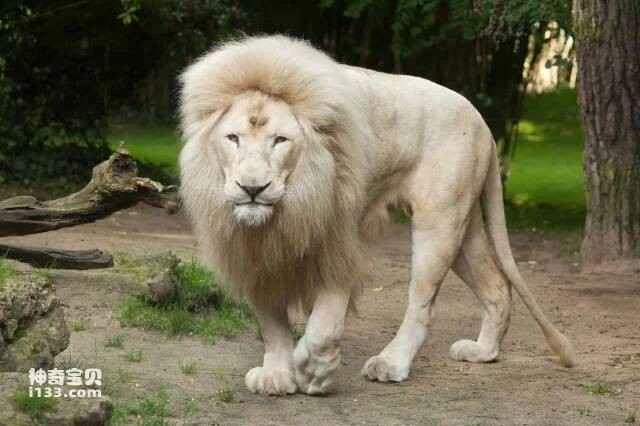
6. White Lion (scientific name: Panthera leo)
White lions are a rare color variation of lions. First discovered in South Africa in the last century, their global population is estimated to be less than 100. White lions have white or light yellow fur and light blue or pale gold eyes. They inhabit the grasslands of South Africa and are now endangered due to human threats and habitat loss. Some scientists suggest that white lions may be an ancient species that lived in cold, snow-covered environments such as the Arctic. White coloration served as camouflage in that environment. Through evolution, this species gradually disappeared, but the gene for white fur still exists in a few yellow African lions today.
White lions are born with white fur, making it difficult for them to join brown lion prides, and they lead solitary lives. Although they are lions, they struggle to find food when separated from their pride, and are therefore prone to dying young. As a result, locals who discover white lions take them to zoos for protection.
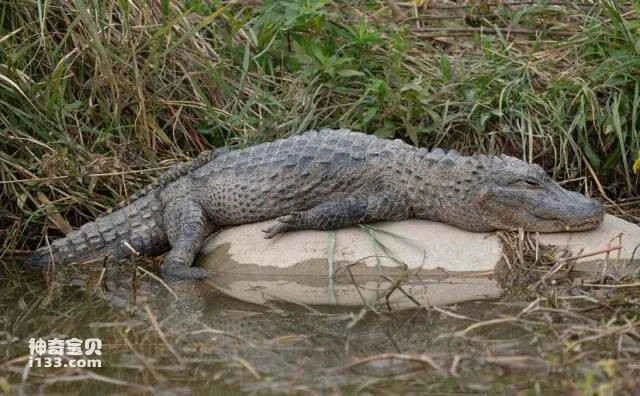
7. Yangtze alligator (scientific name: Alligator sinensis)
The Chinese alligator, also known as the Yangtze alligator or long-snouted alligator, is a species of crocodile endemic to China. It is one of the rarest and most endangered crocodiles in the world, found only in the Yangtze River and some adjacent waters within China. The Chinese alligator is about 3-4 meters long, with a maximum length of 5 meters, and weighs about 400-500 kilograms, smaller than ordinary crocodiles. It has a relatively long and narrow head, a slender snout, small and high-set eyes, and brown skin on its back and tail with many round black spots. The Chinese alligator primarily feeds on fish, crustaceans, and amphibians, making it a typical predator.
Due to habitat destruction, overhunting, and illegal trade, the number of Chinese alligators has declined sharply. Currently, there are fewer than 100 wild Chinese alligators left in the world, and they have been listed as a Class I protected animal in China.
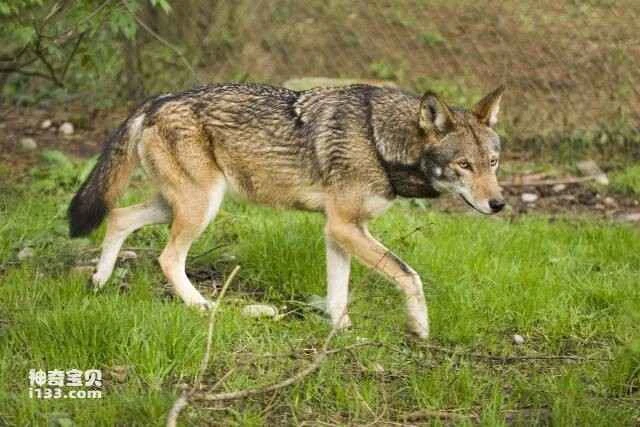
8. Red Wolf (scientific name: Canis rufus)
The red wolf is a medium-sized wolf species found in the southeastern United States and is the only distinct wolf species in North America. Adult red wolves are approximately 1-1.3 meters long, about 60 centimeters tall at the shoulder, and typically weigh between 20-30 kilograms. Their fur is primarily reddish-brown, with white on the throat, chest, and belly. They possess keen hearing and a strong sense of smell and primarily prey on small mammals in the wild, such as rabbits, mice, and deer.
However, due to increased human development and hunting, the red wolf once faced the risk of extinction. By the 1980s, fewer than 100 red wolves remained in the wild, forcing them into captive breeding programs. After years of protection and recovery efforts, the red wolf population has increased, but it has not yet completely escaped the threat of extinction. Therefore, the red wolf is listed as an endangered species in the United States and is subject to strict protection.
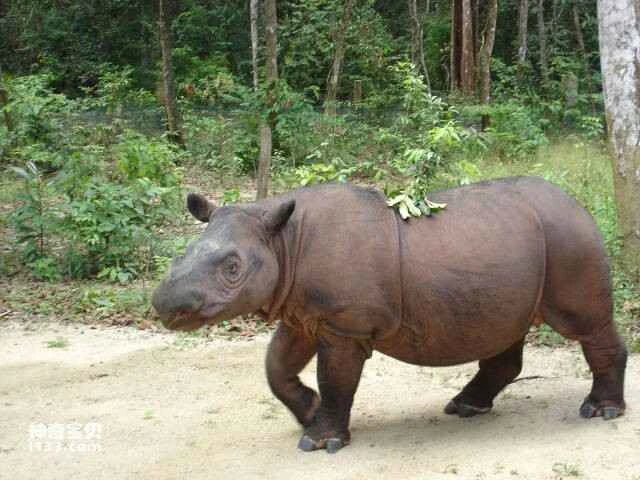
9. Sumatran rhinoceros (scientific name: Dicerorhinus sumatrensis)
The Sumatran rhinoceros, also known as the Sumatran rhinoceros, is the smallest species in the rhinoceros family. They are mainly found on the island of Sumatra in Indonesia, hence their name. Currently, only about 100 Sumatran rhinoceroses survive in the wild, making them an endangered species. Sumatran rhinoceroses are relatively small, measuring only 2-3 meters in length, 1.2-1.5 meters in shoulder height, and weighing approximately 500-800 kilograms. They are characterized by a relatively long head, a thin and pointed snout, light gray skin, and wrinkled skin. Unlike other rhinoceroses, the Sumatran rhinoceros has only one horn, typically 20-25 centimeters long. They are primarily herbivorous, feeding on short grasses and leaves.
The Sumatran rhinoceros faces numerous threats, including habitat destruction from human development, illegal poaching, and forest fires. To protect this endangered species, the Indonesian government has implemented various measures, including establishing nature reserves, strengthening monitoring, and combating poaching. Meanwhile, the international community is also actively promoting efforts to protect the Sumatran rhinoceros.
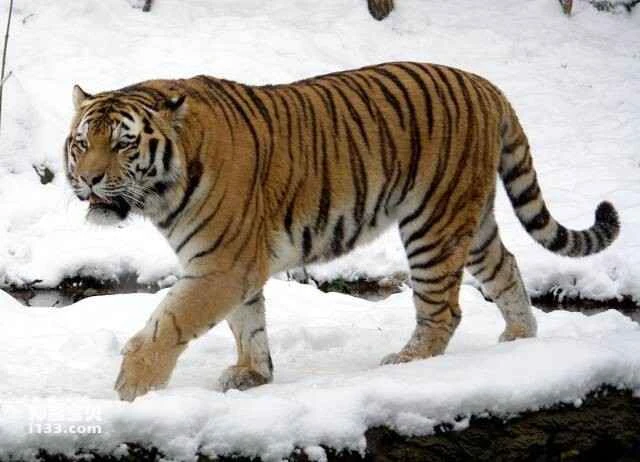
10. Siberian tiger (scientific name: Panthera tigris ssp. altaica)
The Siberian tiger, also known as the Amur tiger or Siberian tiger, is one of the largest cat species in the world. They are found in the Russian Far East and northeastern China. Siberian tigers are enormous; adult males can weigh 300-500 kg and reach 3-3.5 meters in length, while females are generally smaller. Their fur ranges from light yellow to orange, with white on the belly and inner legs, and dark stripes on the back. Their forelimbs are exceptionally strong, easily supporting their own weight while simultaneously grasping prey. Siberian tigers primarily hunt deer, wild boar, fish, and other small mammals.
However, due to habitat destruction, overhunting, and illegal trade, the Siberian tiger population has declined dramatically. Currently, there are fewer than 500 wild Siberian tigers remaining worldwide, and they are listed as an endangered species and are subject to international protection. To protect this rare species, the Russian and Chinese governments have implemented a series of measures, including banning illegal hunting, establishing nature reserves, and conducting scientific research.
As ordinary people, we can also take the following measures to help rare animals receive better protection:
1. Stay informed about rare animal conservation: Follow news and reports from relevant media and organizations to understand and pay attention to the current status and conservation measures for rare animals.
2. Support relevant organizations: Donate money to various rare animal protection organizations or volunteer to participate in related activities, providing them with the necessary financial and manpower support.
3. Reduce consumption of rare animal products: Do not purchase any rare animals or their products, such as ivory, tiger bone, rhinoceros horn, etc., and avoid supporting illegal trade.
4. Promote awareness of rare animal protection: Spread awareness of rare animal protection to friends, family, colleagues, and social networks to promote public attention to rare animal protection.
5. Conserve resources and reduce carbon emissions: Reduce the use of single-use plastics, conserve water and electricity as much as possible, and choose environmentally friendly modes of transportation to reduce carbon emissions and other behaviors that help protect endangered animals.
In short, everyone can start with themselves and take positive action to contribute to the protection of endangered animals. Finally, thank you for reading. Please follow me to learn more about animals, thank you!