Scorpions are fascinating creatures, inspiring both curiosity and fear. Among the various scorpion species, one stands out as the largest: the giant desert scorpion, scientifically known as *Hadrurus arizonensis *. This amazing arthropod can grow to an impressive size and possesses unique characteristics that make it a true giant in the scorpion world. This article will explore the giant desert scorpion in detail, including its habitat, behavior, diet, and importance in the ecosystem.

What is a giant desert scorpion?
Giant desert scorpions are mainly distributed in the southwestern United States and parts of Mexico. Here are some key characteristics:
Size: This scorpion can reach 8 inches (about 20 centimeters) in length, making it the largest scorpion in the world.
Appearance: They have robust bodies, usually yellow or light brown, which helps them blend into their desert environment. Their large pincers are strong and powerful, used for both hunting and defense.
Lifespan: Giant desert scorpions can live up to 25 years in captivity, but their lifespan in the wild is usually shorter.
Habitat
Giant desert scorpions prefer arid environments and typically inhabit deserts and scrublands. They are primarily nocturnal, foraging and mating at night. During the day, they seek shelter in caves, under rocks, or in crevices to escape the scorching sun and extreme temperatures.
Behavior
Nocturnal lifestyle: As mentioned earlier, these scorpions are active at night, which helps them avoid the high temperatures of the day. They have excellent sensory abilities, allowing them to detect vibrations and scents, which helps them hunt.
Territoriality: Giant desert scorpions may be territorial, especially during the mating season, when males will compete for territory. They may engage in aggressive displays or fights to protect their territory from intrusion by rivals.
Hunting Techniques: They are opportunistic predators, primarily feeding on insects and other small arthropods. They use their powerful pincers to capture prey and inject venom to paralyze it. The venom is mainly used to paralyze the prey, rather than to defend against greater threats.
diet
The diet of giant desert scorpions mainly includes:
Insects: such as crickets and beetles.
Other arthropods: including small scorpions.
Small vertebrates: They sometimes prey on small lizards or rodents.
Importance in the ecosystem
Giant desert scorpions play an important role in the ecosystem:
Pest control: By preying on insects, they help maintain ecological balance and control pest populations.
Food source: They are also a food source for a variety of animals, including birds, mammals and large reptiles, contributing to the food chain.
Are they dangerous?
Although giant desert scorpions are venomous, they are not considered fatal to humans. Their venom may cause pain, swelling, and other localized symptoms, but fatalities are rare. However, anyone allergic to insect stings should exercise caution. It is very important to respect these creatures and avoid handling them in the wild.
Are scorpions harmful?
Scorpions are fascinating creatures, inspiring both curiosity and fear. While many associate scorpions with danger, the reality is more complex. This article will explore whether scorpions are harmful, the types of venom they possess, and how to stay safe around them.
Understanding Scorpion Venom
Venom type:
Mild venom: Most scorpion venom is relatively mild and poses little threat to humans. Scorpion stings may cause localized pain, swelling, and redness, but are usually not fatal.
Highly potent venom: A few species, such as the Arizona bark scorpion ( Centruroides sculpturatus ), possess highly potent venom. Their stings can cause more severe symptoms, including intense pain, numbness, and difficulty breathing, and in rare cases, death, especially in young children or people in poor health.
Neurotoxic effects:
Scorpion venom may contain neurotoxins that affect the nervous system. These toxins can cause a range of symptoms, from mild discomfort to severe reactions. Understanding the specific species and the potency of its venom is crucial for assessing the risk.
How do scorpions attack?
Scorpions typically use their stingers in defense, not as a means of attack. Here are some situations that may lead to a scorpion sting:
Accidental contact: Many stings occur when accidentally stepping on or handling scorpions.
Hiding places: Scorpions often seek shelter under rocks, wood, or crevices. Exercise caution when entering these areas.
Symptoms of a scorpion sting
Symptoms of scorpion stings vary depending on the species and individual susceptibility. Common symptoms include:
Local pain: The sting site will feel intense pain, which may last for several hours.
Swelling and redness: Inflammation and discoloration around the sting area.
Numbness or tingling: These sensations may spread from the sting site.
Systemic symptoms: In cases of certain potent venoms, symptoms may include difficulty breathing, muscle spasms, and rapid heart rate.
First aid for scorpion stings
If stung by a scorpion, please take the following steps:
Stay calm: Try to remain calm to slow the spread of the venom.
Clean the wound: Wash the sting site with soap and water to prevent infection.
Cold compress: Use a cold compress to reduce swelling, numbness, and pain.
Pain relief: Over-the-counter pain relievers can be used to reduce discomfort.
Seek medical help: If symptoms worsen or you suspect a highly venomous species, seek medical help immediately.
Preventive measures
To reduce the risk of scorpion stings, please consider the following precautions:
Wear protective clothing: When walking in areas where scorpions are common, wear closed-toe shoes and long pants.
Be careful at night: Scorpions are nocturnal, so be careful when going out at night.
Check the sleeping area: Inspect the bed and shoes before using them, especially in areas where scorpions are known to be present.
Keep your environment tidy: Reduce clutter around your home, as it provides hiding places for scorpions.
While scorpions can be harmful, especially some species with potent venom, most encounters with them do not result in serious consequences. By understanding their behavior, identifying risks, and taking appropriate safety precautions, you can coexist peacefully with these intriguing creatures while minimizing potential harm. If stung, knowing how to respond quickly and effectively will significantly impact your safety.
Giant desert scorpions are a remarkable species that showcases the diversity of life on our planet. Their impressive size, unique adaptations, and vital role in the ecosystem make them a fascinating subject of study. While they may appear intimidating, understanding their behavior and importance helps us appreciate these amazing arthropods and their habitats. Whether encountered in the wild or learned about in the classroom, they are a marvel of nature.
What does a scorpion symbolize?
Scorpions hold rich symbolic meanings across various cultures and belief systems, possessing a long history of significance. Their unique characteristics and behaviors allow for multiple interpretations. Below are some of the main symbols and meanings associated with scorpions:
1. Protection and Defense
Guardian: Due to their defensive nature and stinging ability, scorpions are often seen as a symbol of protection. They can represent the instinct to protect oneself and loved ones from harm.
Strong defense: The scorpion's strong protection of its territory and offspring often symbolizes the importance of defending personal space and values.
2. Transformation and Change
Metamorphosis: Scorpions undergo a molting process, shedding their exoskeleton as they grow. This transformation can symbolize personal growth, change, and the abandonment of old habits or beliefs.
Rebirth: In some traditions, scorpions are associated with death and rebirth, representing the cycle of life and the potential for renewal.
3. Danger and Fear
Fear Factor: The painful and potentially dangerous sting of a scorpion makes it a significant symbol of fear and the darker side of life. It reminds us of the potential dangers lurking beneath the surface.
Caution: The presence of scorpions can symbolize caution in life, emphasizing the importance of awareness and vigilance.
4. Mystery and Secrets
Hidden Knowledge: Scorpions are often associated with the unknown and hidden truths. Their nocturnal behavior and preference for hiding in dark corners can symbolize the exploration of the subconscious and the revelation of secrets.
Intuition: In some interpretations, scorpions represent intuition and the ability to cope with the complexities of life, emphasizing the importance of listening to one's inner voice.
5. Passion and Intensity
Emotional Depth: Scorpions are known for their intense and passionate nature, especially in relationships. They can symbolize deep emotional connections and the complexities of love and desire.
Transformation through passion: Scorpions can survive even in harsh conditions, representing the transformative power of passion, suggesting that strong emotions can bring about personal growth.
6. Reproduction and Creation
Fertility Symbolism: In some cultures, scorpions are associated with fertility and the creative power of life. Their ability to reproduce many offspring can symbolize abundance and the cycle of life.
Motherhood: The female scorpion's characteristic of protecting her young often symbolizes motherhood and the instinct to nurture.
7. Cultural Interpretation
Myths and Folklore: Scorpions play an important role in various mythologies. For example, in ancient Egyptian mythology, the goddess Serket is depicted with a scorpion, symbolizing protection and healing.
Zodiac Sign: In astrology, the scorpion represents the zodiac sign Scorpio, associated with transformation, intensity, and emotional depth.
The scorpion is a powerful symbol, encompassing a wide range of meanings, from protection and transformation to danger and mystery. Its characteristics and behaviors offer a wealth of symbolism, resonating across diverse cultural and personal contexts. Understanding these meanings can provide insights that help us view life's challenges, transitions, and emotional experiences. Whether as a guardian or a warning, the scorpion remains a lasting symbol of the complexity of existence.
How do scorpions sting?
Scorpions are fascinating creatures, renowned for their unique appearance and behavior. One of their most distinctive features is their stinger, a weapon they use for both defense and hunting. Below is a detailed description of scorpion stings:
1. Anatomical structure of stings
Stinger (tail stinger): A scorpion's stinger is located at the end of its tail and is called the tail stinger. The tail stinger contains a venom sac and a sharp, needle-like structure called the stinger tip (aculeus).
Venom glands: Scorpions possess venom glands that produce venom, a complex mixture of proteins and enzymes designed to incapacitate prey and deter predators.
2. Mechanism of stinging
Threat perception: When a scorpion feels threatened or needs to catch prey, it raises its tail and raises its stinger.
Attack: Scorpions attack using rapid, reflexive movements, injecting venom into their target through their stinger. This process is extremely fast, typically completed within a fraction of a second.
Venom injection: Once the venom is injected, it spreads throughout the victim's body, affecting the nervous system and causing various symptoms.
3. The purpose of stinging
Defense: The primary function of the stinger is self-defense. When threatened by predators, scorpions can deliver a painful sting to deter attackers.
Hunting: Scorpions also use their stingers to subdue their prey. The venom can incapacitate small animals, making it easier for the scorpion to feed.
4. The effects of stinging
Pain and discomfort: The immediate effect of a scorpion sting is pain, the intensity of which varies by species. Some stings cause mild discomfort, while others can be extremely painful.
Systemic reactions: In some cases, especially with more venomous species, stings can cause systemic reactions such as swelling, nausea, vomiting, and even difficulty breathing.
Allergic reactions: Some individuals may have an allergic reaction to scorpion venom, which may worsen symptoms and require medical intervention.
5. Venom components
Neurotoxins: The venom primarily contains neurotoxins that affect the nervous system of prey or predators. These toxins can disrupt communication between nerve cells, leading to paralysis or death.
Enzymes: The venom also contains enzymes that help digest the prey's tissues, making it easier for the scorpion to eat.
6. Treatment of scorpion stings
Immediate treatment: If stung, first clean the wound with soap and water to prevent infection. Applying a cold compress can help relieve pain and swelling.
Pain management: Over-the-counter pain relievers such as ibuprofen or acetaminophen can be used to manage pain.
Seek medical help: If symptoms worsen, especially from stings by venomous species, or if the victim is a child or an elderly person, seek immediate medical attention. An antivenom serum may be necessary in severe cases.
Scorpions have evolved a highly effective stinging mechanism for both defense and hunting. Understanding how scorpions sting and the effects of their venom can help people react appropriately when encountering these fascinating arthropods. While most scorpion stings are not life-threatening, it is crucial to handle them carefully and seek medical advice if necessary.
How to get rid of scorpions
Scorpions can be a nuisance in some areas. If you find scorpions in or around your home, it's important to take safe and effective measures to remove them. Here are some steps that can help you get rid of scorpions:
1. Preventive measures
Seal entrances: Inspect your home for cracks, gaps, and openings, especially around windows, doors, and the foundation. Seal any gaps with caulking compound or sealant to prevent scorpions from entering.
Reduce clutter: Scorpions like to hide in clutter. Clean up outdoor areas, removing clutter, stones, and wood. Indoors, minimize clutter in basements, garages, and closets.
Maintaining landscaping: Trim shrubs, trees, and thickets away from the house. This reduces hiding places, making it harder for scorpions to approach your home.
2. Control outdoor lighting
Choose yellow bulbs: Use yellow sodium lamps or LED lights outdoors instead of white lights. Yellow bulbs are less attractive to insects, which can reduce the food source for scorpions.
Limit light exposure: Minimize the use of outdoor lights, especially near entrances, to reduce the likelihood of attracting insects and scorpions.
3. Natural insect repellent
Essential oils: Certain essential oils, such as peppermint oil, lavender oil, and cedarwood oil, may help repel scorpions. Mix these essential oils with water and spray them at entry points and potential hiding places.
Diatomaceous earth: This natural substance can be sprinkled around the edges of your home. It is harmless to humans and pets, but scorpions will dehydrate and die after contact.
4. Insect trap
Sticky traps: Place sticky traps where scorpions commonly appear or hide. These traps can catch scorpions and help monitor their presence.
Homemade Insect Trap: You can make an insect trap using a container filled with a small amount of oil or soapy water. Place it near a suspected entry point, and once a scorpion falls in, it will have no chance of escape.
5. Chemical control
Pesticides: If the scorpion infestation is severe, you may need to use a scorpion-specific insecticide. Spray according to the manufacturer's instructions, focusing on areas where scorpions may enter or hide.
Professional pest control services: If self-treatment methods are ineffective, consider hiring a professional pest control service. They can assess the situation and safely apply stronger pesticides.
6. Remove existing scorpions
Manual capture: If you encounter a scorpion indoors, you can capture it using a jar or container. Slide a piece of paper or cardboard under the container to secure it, then release the scorpion away from your home.
Vacuuming: You can use a vacuum cleaner with a bag or canister to vacuum up the scorpions. This method is suitable for small numbers of scorpions, but be careful not to empty the vacuum cleaner contents outdoors to prevent the scorpions from escaping.
7. Monitor for reinfection
Regular checks: After taking measures to eliminate scorpions, continue to monitor your home and yard for signs of them. Regular checks help detect new infections early.
Ongoing maintenance: Keep the area clean and sealed to prevent scorpions from returning. Regularly check for new cracks or openings to prevent them from getting back in.
Eliminating scorpions requires a combination of prevention, monitoring, and control measures. By proactively closing off your home, reducing clutter, and using natural insect repellents, you can reduce your chances of encountering scorpions. If an infestation occurs, consider using insect traps or pesticides, and seek professional help if necessary. With consistent effort, you can create an environment that no longer attracts these arthropods.
The oldest known scorpion fossil
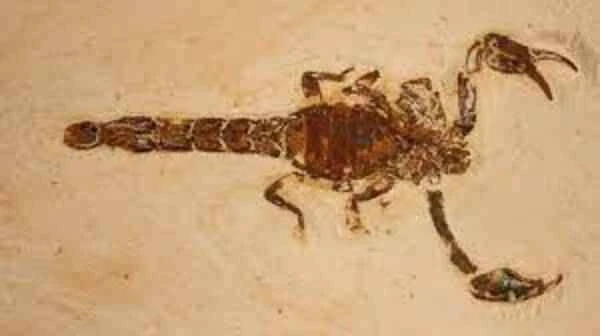
The oldest known scorpion fossils offer fascinating insights into the evolutionary history of these fascinating creatures. Below is a detailed overview of these ancient beings.
1. Discovery and Identification
Fossil Locations: The oldest scorpion fossils have been found in multiple locations, including sedimentary rock layers in Europe and North America. In particular, fossils found in sediments dating back to the Silurian period (approximately 430 million years ago) are the oldest known scorpion fossils.
Species identification: The species identified in these fossils typically belong to the genus *Palaeophonus * or *Eurypterida* , which includes scorpions and their relatives (i.e., sea scorpions). These ancient scorpions exhibit characteristics similar to modern scorpions, allowing paleontologists to effectively classify them.
2. Physiological characteristics
Morphology: The oldest scorpion fossils show that these creatures had a body structure similar to modern scorpions, with a segmented body, pincers (claws), and a distinct tail ending in a stinger. However, they were generally larger than many modern scorpions.
Adaptability: Fossil evidence suggests that ancient scorpions possessed adaptability that enabled them to survive in a variety of environments, including both aquatic and terrestrial habitats. This diversity indicates that they were able to survive on land before many other terrestrial animals.
3. Ecological Role
Predation behavior: Like modern scorpions, these ancient species were likely predators, feeding on insects and other small arthropods. Their adaptations, including venomous stings, helped them capture and subdue their prey.
Environmental impact: The presence of scorpions in the fossil record suggests that they played an important role in the ecosystems of their time, contributing to food webs and influencing the evolution of other species.
4. Evolutionary significance
Lineage and Evolution: The study of these ancient fossils provides valuable information for understanding the evolutionary history of scorpions. They are part of a lineage that has existed for hundreds of millions of years, demonstrating their resilience and adaptability to changing environmental conditions.
Ancestor insights: Fossil evidence helps scientists understand the ancestral relationships of scorpions and their relatives, revealing how they evolved from marine to terrestrial environments.
5. Research and Discoveries
Paleontological research: Paleontological research continues to reveal new discoveries related to ancient scorpions. Advanced imaging techniques, such as CT scans, enable scientists to study the internal structure of fossils, leading to new findings about their biology and behavior.
Importance of the fossils: These fossils are crucial for understanding the history of life on Earth. They provide insights into how scorpions survived and adapted over millions of years and serve as indicators of past environmental conditions.
The oldest known scorpion fossils offer a glimpse into the distant past, highlighting the evolutionary journey of these fascinating creatures. By studying these ancient remains, scientists can piece together the history of scorpions, their adaptations, and their role in prehistoric ecosystems. As research continues, we gain a deeper understanding of the resilience and endurance of these remarkable arthropods.