Wild boars are fascinating creatures found all over the world. Some species stand out for their impressive size. This article will explore the largest wild boars, their characteristics, habitats, behaviors, and their roles in the ecosystem.
What is a wild boar?
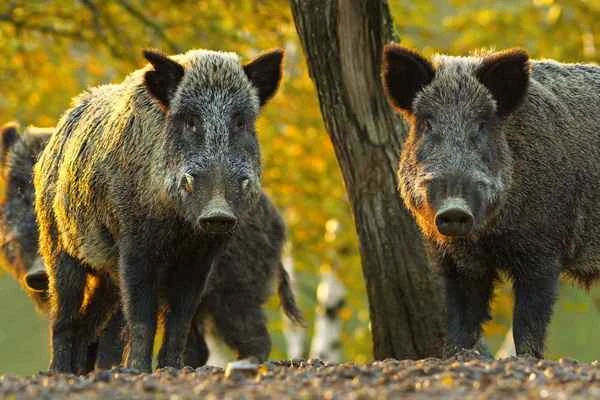
Wild boars, also known as wild boars, are a species belonging to the genus *Sus scrofa *. They are descendants of domestic pigs and are capable of surviving in a variety of environments. Wild boars are known for their adaptability, intelligence, and stable social structure.
Main characteristics of wild boar
Appearance: Wild boars are stocky with short legs and snouts adapted for foraging. They typically have coarse hair, ranging in color from brown to black or even white, depending on the species and habitat.
Size: Wild boars vary considerably in size, with the largest species, such as the Eurasian wild boar and the American wild boar, weighing up to 600 pounds (272 kilograms) or more.
Largest wild boar species
1. Eurasian wild boar ( Sus scrofa )
Size: Adult males weigh between 300 and 600 pounds (136 to 272 kilograms) and can reach 5 to 6.5 feet (1.5 to 2 meters) in length.
Habitat: This wild boar is distributed in Europe, Asia, and North Africa. They prefer forests, grasslands, and wetlands, areas with abundant food.
Behavior: Eurasian wild boars are social animals, often appearing in "sound packs," which typically consist of females and their young. Males tend to be more solitary outside of the breeding season.
2. American wild boar ( Sus scrofa )
Size: Similar to Eurasian wild boar, males weigh approximately 400 to 600 pounds (181 to 272 kilograms).
Habitat: American wild boars typically inhabit forests, swamps, and agricultural lands, and are particularly common in the southeastern United States.
Behavior: These pigs are opportunistic, feeding on a variety of foods, including roots, fruits, and small animals. They are known for their destructive foraging behavior, which can lead to serious ecological damage.
3. Giant wild boar ( Sus scrofa subspecies)
Size: Some regional subspecies of wild boar, such as the giant wild boar, can weigh more than 600 pounds (272 kg).
Habitat: These wild boars typically inhabit remote areas with abundant food, such as dense forests and wetlands.
Behavior: Like their relatives, giant wild boars are omnivorous and highly adapted, often clashing with human agriculture.
The role of wild boars in the ecosystem
Wild boars play a vital role in their ecosystem. As omnivores, they help control vegetation growth and disperse seeds through foraging activities. However, their impact has both positive and negative aspects:
Positive impact
Seed dispersal: By consuming fruits and seeds, wild boars help spread different plant species, promoting biodiversity.
Soil aeration: Their tilling behavior aerates the soil, which is beneficial to the overall health of the ecosystem.
negative impact
Vegetation destruction: Wild boar foraging behavior can cause serious damage to crops and native plants.
Competition with native species: They compete with native wildlife for resources, which may lead to a decline in local animal populations.
The largest wild boars, such as the Eurasian wild boar and the American wild boar, are remarkable animals that play vital roles in their ecosystems. While they can pose challenges to farmers and native wildlife, understanding their behavior and characteristics helps us appreciate their place in the wild. As human interaction with these animals continues to increase, finding balanced solutions for coexistence that protect agricultural interests and the environment is crucial.
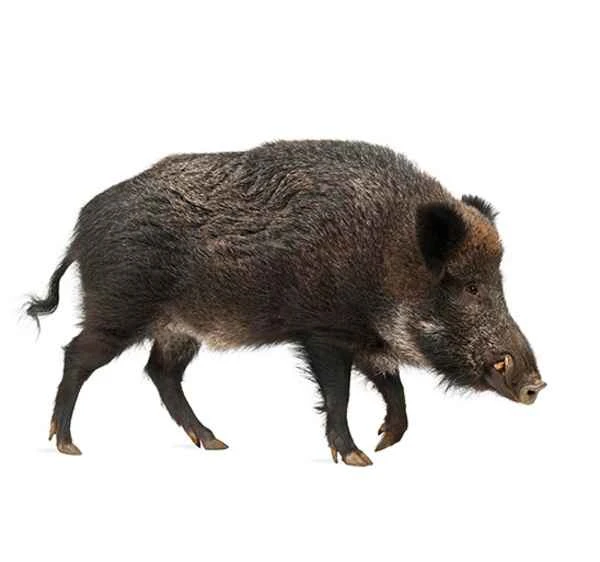
Wild boar disturbance: Understanding the problem
Wild boars, commonly known as wild boars or hogs, have become a significant nuisance problem in many areas. While these animals are fascinating and play an important role in ecosystems, their increasing numbers and behaviors pose various challenges to agriculture and the natural environment. The following is an in-depth discussion of wild boar nuisance, including its reproductive causes, the problems it causes, and potential solutions to mitigate its impact.
Why is the number of wild boars increasing?
Highly adaptable:
Wild boars are highly adapted animals that can survive in a variety of environments, including forests, grasslands, swamps, and agricultural areas. Their ability to survive in diverse habitats has contributed to their population growth.
High reproductive rate:
Wild boars reproduce rapidly, with females producing multiple litters per year. A single sow can give birth to 6 to 12 piglets per litter, leading to a rapid increase in their numbers.
Lack of natural predators:
In many areas, wild boars face few natural predators, allowing their populations to expand unchecked. This is particularly true in areas where they are introduced, where they are not part of the local food chain, leading to overpopulation.
Human activities:
Human activities, such as agriculture and habitat alteration, may inadvertently create favorable living conditions for wild boars. For example, crops and livestock can serve as food sources, encouraging wild boars to inhabit the vicinity.
Problems caused by wild boars
Agricultural damage:
One of the most significant disturbances caused by wild boars is their impact on agriculture. They rummage through fields, damaging crops and causing substantial economic losses for farmers. Commonly affected crops include corn, soybeans, and various fruits and vegetables.
Ecosystem disturbance:
Wild boars can significantly alter ecosystems. Their rummaging behavior damages native plants, disrupts soil structure, and destroys habitats for other wildlife. This can lead to a decline in native plant species and impact overall biodiversity.
Competition with native species:
Wild boars often compete with native wildlife for food and resources. Their presence can lead to a decline in the populations of native species, particularly terrestrial birds and small mammals.
Public safety hazards:
Wild boars may pose a safety risk to humans. Contact with large animals can lead to injury, especially in rural areas where encounters with wild boars are more likely. Furthermore, they can cause traffic accidents on roads, particularly in areas where wild boars frequently cross highways.
Disease transmission:
Wild boars can carry and spread diseases that affect livestock and even humans. Diseases such as swine brucellosis and pseudorabies are particularly concerning and can have a serious impact on agricultural production.
Solutions to mitigate wild boar disturbances
Fence:
Installing sturdy fences around agricultural fields can help prevent wild boars from entering crops. While this solution is effective, it may require significant investment and maintenance.
Capture and Remove:
Capture is a humane method of managing wild boar populations. Individuals can be captured and removed using bait traps. It is crucial to adhere to local regulations and guidelines when implementing a capture program.
hunting:
Organized hunting can help control wild boar populations. Many states and territories encourage hunting as a management strategy, often allowing hunting during specific seasons or year-round.
Public Education:
Educating the public about wild boar issues and how to manage their presence is beneficial. Encouraging responsible behavior, such as not feeding wild boars and reporting sightings, can help mitigate the problem.
Research and monitoring:
Ongoing research into wild boar populations and their impact on ecosystems is crucial. Understanding their behavior, habitat, and interactions with other species can inform effective management strategies.
While wild boars are remarkable animals playing vital roles in ecosystems, they also pose significant challenges as a nuisance in agriculture and the natural environment. Addressing these challenges requires a combination of management strategies, community engagement, and ongoing research to find effective solutions. By balancing the ecological role of wild boars with human needs, it is possible to reduce their negative impacts and promote coexistence.
Are wild boars dangerous? Understand the risks.
Wild boars, scientifically known as *Sus scrofa *, are robust and adaptable animals found worldwide. While they may be fascinating creatures, their behavior and physical characteristics can pose significant dangers to humans and other animals. This article will explore the dangers associated with wild boars, their behavior, and how to stay safe.
Physical characteristics of wild boar
Body size and strength:
Adult wild boars weigh between 100 and over 600 pounds (about 45 to 272 kilograms) and can reach 6.5 feet (about 2 meters) in length. Their large size and muscular build make them powerful animals.
Fangs:
Wild boars possess long, sharp tusks used for self-defense. These tusks can inflict serious injuries, making wild boars dangerous when they feel threatened.
Speed and flexibility:
Despite their large size, wild boars are surprisingly fast and agile. They can run at speeds of up to 30 miles per hour (about 48 kilometers per hour), enabling them to quickly escape danger or face threats.
Behavior and Risk
Defensive:
Wild boars are generally shy and try to avoid contact with humans. However, they can become aggressive if they feel cornered or threatened. Sows are particularly protective of their piglets and may attack if they feel their piglets are threatened.
Sudden aggression:
Although wild boars generally prefer to flee rather than fight, their reactions can be unpredictable. Sudden movements or loud noises can trigger an aggressive response.
Habitat encroachment:
As wild boars increasingly inhabit human-populated areas, encounters are becoming more frequent. This overlap can lead to dangerous situations, especially in rural and suburban areas where people may not expect to see wild boars.
Disease transmission:
Wild boars can carry a number of diseases that pose a risk to humans and livestock. These diseases include brucellosis, pseudorabies, and swine influenza. Contact with wild boars or their feces increases the risk of disease transmission.
Preventive measures
Avoid encountering:
If you live in an area where wild boars are present, it is very important to remain vigilant. Avoid walking alone in remote areas, especially at dawn or dusk when wild boars are more active.
Ensure the safety of garbage and food sources:
Wild boars are attracted to food, so making sure trash cans are sealed and not leaving pet food outside can help keep them away from residential areas.
Public Education:
Understanding wild boar behavior and potential dangers can help people take appropriate preventative measures. Educating the public on how to respond in the event of an encounter is also crucial.
Report on the sighting:
If you see wild boars in your area, report it to your local wildlife management authority. They can provide guidance and may take measures to manage the wild boar population.
What to do when encountering a wild boar
Stay calm: If you encounter a wild boar, stay calm and avoid sudden movements.
Slowly back away: If the wild boar shows aggression or approaches you, slowly back away and do not turn your back to the animal.
Do not approach the animal: If the wild boar has young or appears defensive, do not approach. Slowly leave the area to avoid provoking the animal.
Seek shelter: If possible, find a vehicle or building for shelter until the wild boar leaves the area.
While wild boars can pose a danger in certain situations, understanding their behavior and taking precautions can significantly reduce the risk of encountering them. By being aware of their presence and acting responsibly, people can coexist with these powerful animals while minimizing potential harm.

Wild Boar Species: A Comprehensive Overview
Wild boars are fascinating creatures, varying greatly in species, size, appearance, and habitat. Below is a table ranking the different types of wild boar by size and listing some key characteristics.
| Ranking | Common Names | scientific name | Average weight (pounds) | Average body length (feet) | Habitat | Distribution area |
|---|---|---|---|---|---|---|
| 1 | Eurasian wild boar | Sus scrofa scrofa | 150-800 | 5-6 | Forest, grassland, wetland | Europe, Asia, North Africa |
| 2 | Indonesian wild boar | Sus scrofa vittatus | 150-400 | 4-5 | forests and shrublands | Southeast Asia |
| 3 | domestic pigs | Sus scrofa domesticus | 100-700 | 3-5 | farms, grasslands | worldwide |
| 4 | Borneo wild boar | Sus scrofa celebensis | 150-350 | 4-5 | tropical forest | Borneo |
| 5 | Javanese wild boar | Sus scrofa montanus | 100-300 | 3-4 | forests, mountains | Java Island, Indonesia |
| 6 | Somali wild boar | Sus scrofa africanus | 150-400 | 4-5 | savannah, forest | Horn of Africa |
| 7 | Indian wild boar | Sus scrofa cristatus | 150-400 | 4-5 | forests and grasslands | India, Southeast Asia |
| 8 | Pacific Island Wild Boar | Sus scrofa | 100-300 | 3-4 | Various | Pacific Islands |
Key characteristics of wild boar species
Eurasian wild boar: the largest and most widely distributed species, known for its ability to adapt to different habitats.
Indonesian wild boar: It usually inhabits the dense forests of Indonesia and is relatively slender.
Domestic pigs: Originating from wild boars, domestic pigs were domesticated for agricultural purposes and exhibit a variety of sizes and shapes.
Borneo wild boar: adapted to tropical rainforests, with distinctive physical characteristics, including a longer body.
Javan wild boar: Inhabits the mountainous regions of Java, and is relatively small in size with a distinctive coloration.
Somali wild boar: adapted to arid environments, robust in physique, and typically inhabits savannahs.
Indian wild boar: Widely distributed in various habitats in India, it plays an important role in the local ecosystem.
Pacific Island Boar: Small in size, commonly found on remote islands, and adapted to island life.
Wild boars are diverse animals with multiple species adapted to different environments. Understanding their characteristics and habitats helps in managing and protecting these amazing creatures.