Mussels (yí bèi), also known as sea mussels, dried mussels, or blue mussels, belong to the family Myristicaceae in scientific classification and are collectively called "mussels." These common shellfish have wedge-shaped shells, thick flesh that is chewy and has a very delicious flavor. Mussels are not only edible but can also be used as bait or fertilizer, and their shells can be made into exquisite handicrafts. So, what kinds of mussels are there?
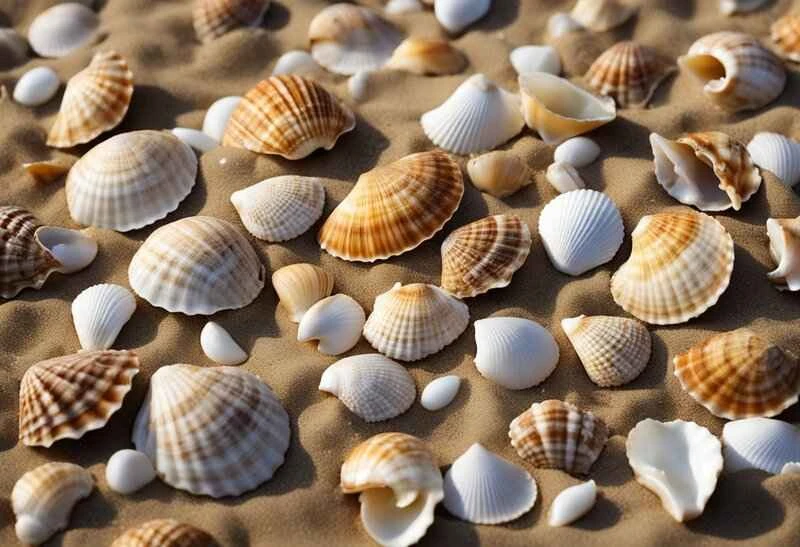
Common types of mussels include the jade mussel, the scallop clam, the purple-shelled clam, the thick-shelled mussel, the peacock-shelled clam, the Mediterranean mussel, the scallop clam, the short-shelled clam, the white-spotted clam, and the Japanese mussel. Today, we've compiled a list of ten major mussel species for you. Let's learn about their classifications and related information together!
1. Emerald Mussel (smooth shell/emerald green) (East Asia/Southeast Asia)
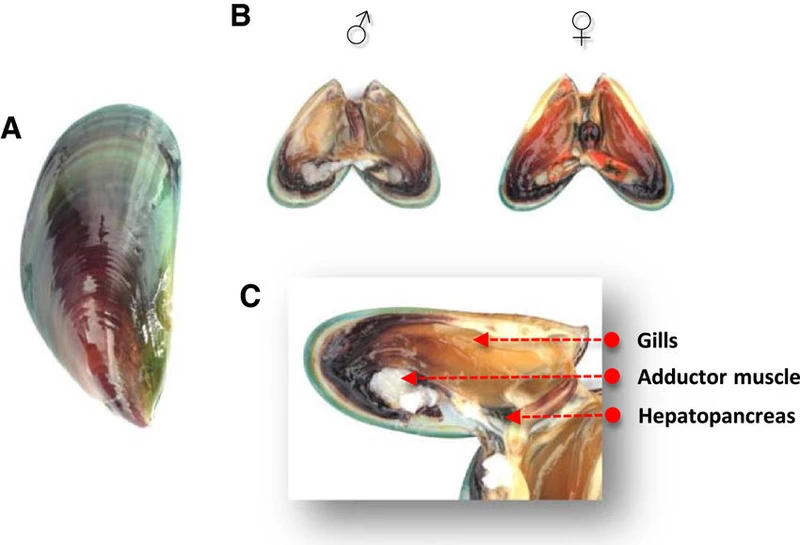
The green mussel, also known as the blue mussel or green-shelled clam, is one of the most popular mussel species. Native to the tropical waters south of the Philippines, it is now widely distributed in Singapore, Malaysia, Indonesia, South Korea, mainland China, and Taiwan. Green mussels typically inhabit the intertidal zone to shallow seabeds, and can be found not only on rocky reefs but also on driftwood and the bottoms of boats.
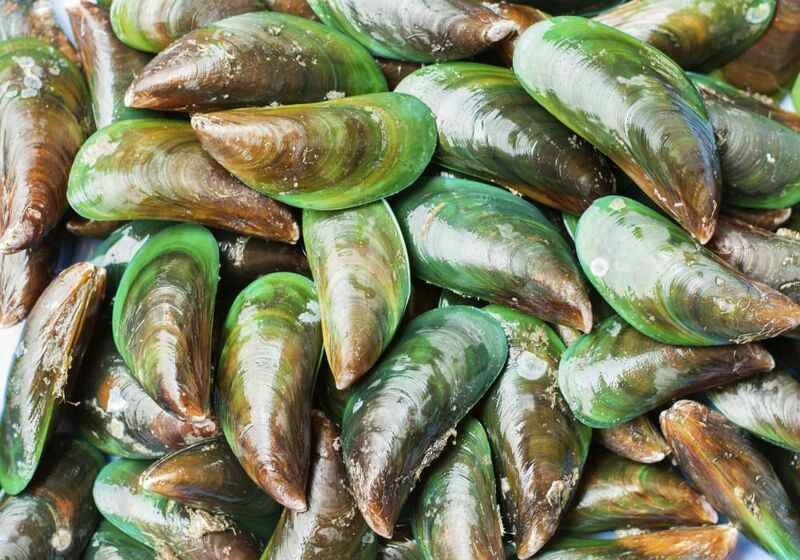
The jade mussel has a relatively large and thin shell with a smooth, emerald green surface. The anterior half is often greenish-brown with fine growth lines, and the front end has raised ribs. The inner shell surface is porcelain white, occasionally with a bluish tinge, and has a pearly luster. Due to its delicious meat, the jade mussel is considered an important economic shellfish.
2. *Myoclam schoensis* (smaller size/yellowish-brown shell) (North Pacific Ocean)
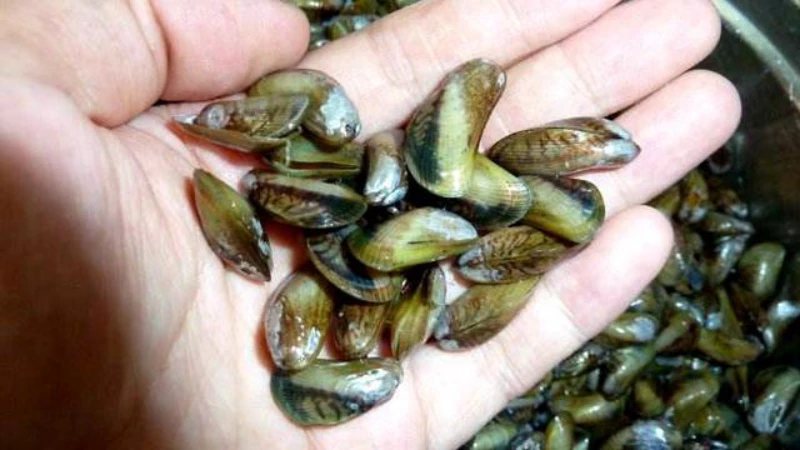
The Mussel of Lizardina, also known as the sea snail or thin-shelled clam, is a small mussel. Its shell is thin and small, slightly triangular in shape, with its length approximately twice its height, and covered with a yellowish-brown outer shell. The apex is located near the anterior end, and there are several fine radial ribs along the anterior ventral margin. Growth lines are not obvious, and the inner shell is grayish-white. From August to September each year, the gonads of the thin-shelled clam mature and it begins to lay eggs, typically reaching their peak abundance during the plum rain season. The meat is tender and extremely delicious, making it a perfect accompaniment to drinks.
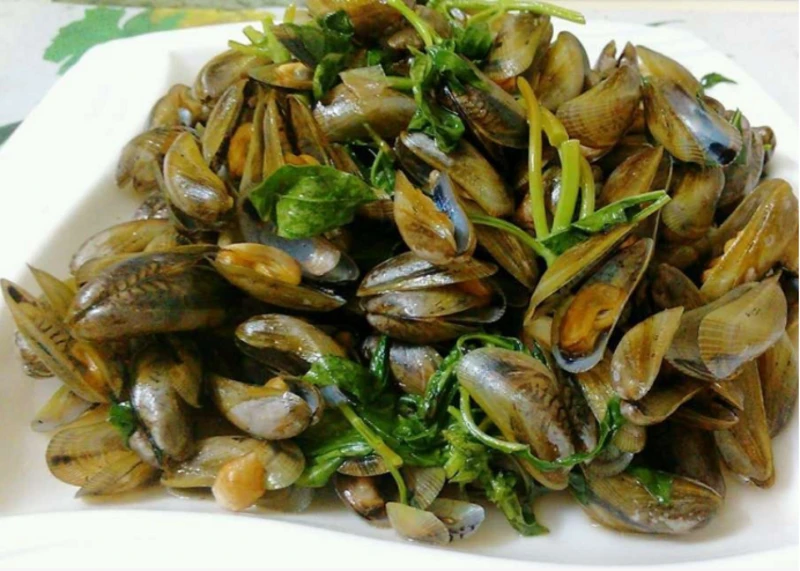
It is understood that sea snails are widely distributed in warm temperate zones, typically appearing on muddy beaches or mudflats in the intertidal zone, with a vertical distribution ranging from the middle and lower intertidal zone to the shallow seabed at a depth of about 20 meters. They are found on both the east and west coasts of the Pacific Ocean.
3. Purple-shelled clam (thin and brittle shell/purple-black shell) (cold waters worldwide)
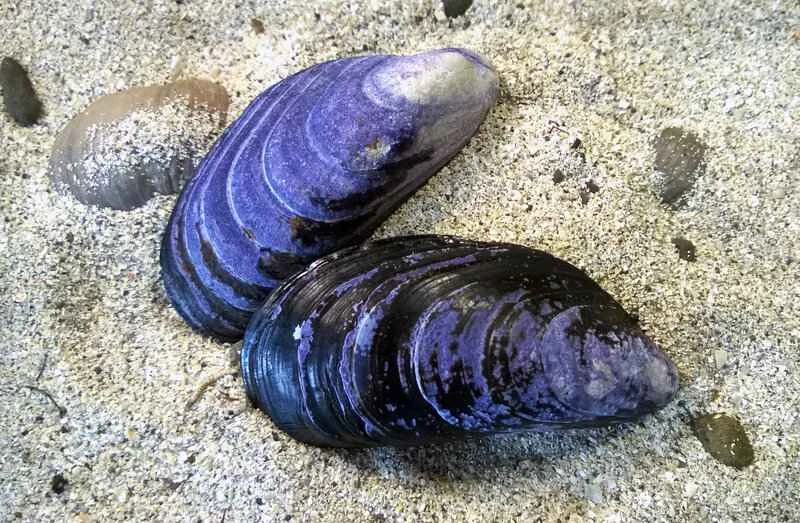
The purple mussel is one of the top ten mussel species, named for its purplish-black shell. They are widely distributed, especially common in cold-water areas, typically inhabiting shallow waters and attaching themselves to rocky reefs via byssal threads. Purple mussels are highly resistant to pollution and can survive in heavily polluted environments, although they often have an unpleasant odor, which can have some health risks.
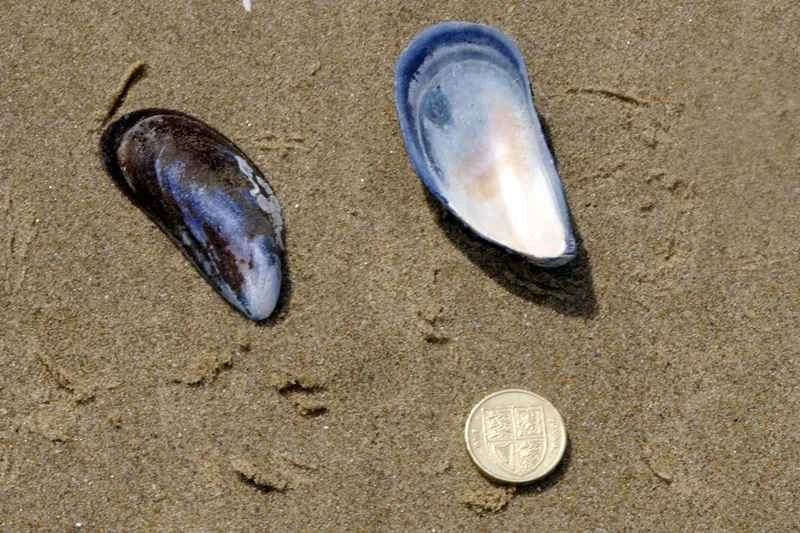
Furthermore, they are highly resistant to dryness, surviving for 1 to 2 days in dry environments during the summer and 3 to 4 days in lower temperatures, making them convenient for transportation. This mussel has a purplish-black outer shell, a grayish-white inner shell with blue edges, and a pearly luster. The shell is thin and brittle, with a relatively long hinge. The ligament is dark brown and similar in length to the hinge. The hinge teeth are not fully developed, the posterior adductor muscle may be degenerate or absent, and the foot is very small and soft.
4. Thick-shelled mussel (large and thick shell/brown) (Northwest Pacific Ocean)
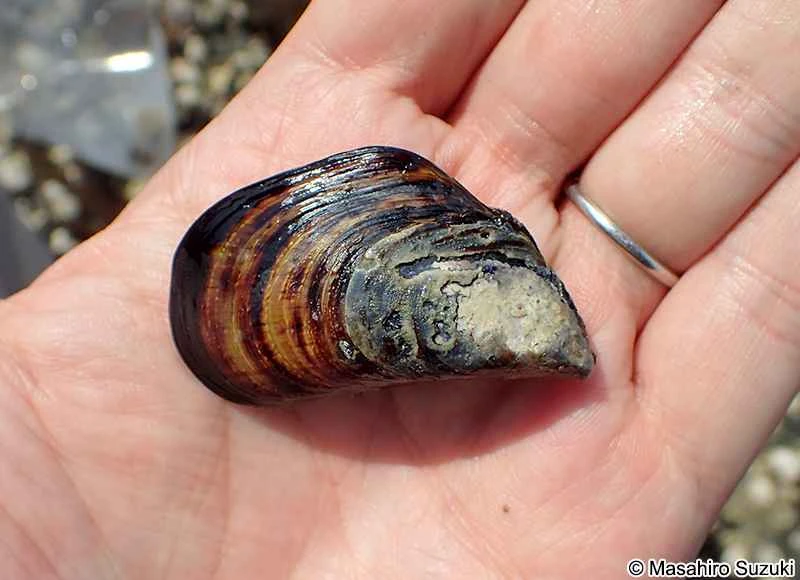
Thick-shelled mussels are both delicious and nutritious. Their shells are large and thick, brownish-red in color, with a rough surface. The top is often white due to wear, while the edges curl inwards, forming a border. The inside of the shell is purplish-brown or grayish-white, with brown ligaments. When mature, the gonads fill the mantle wall, and the byssal threads are thick, stiff, and yellow, and very well-developed.
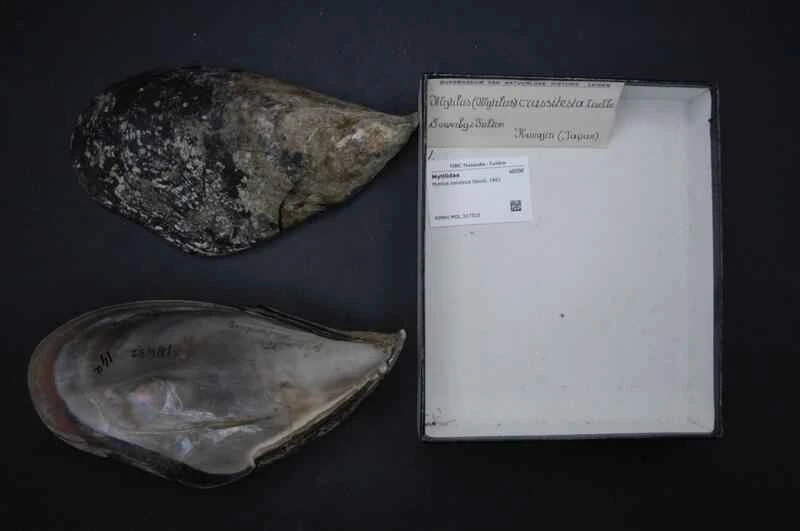
Thick-shelled mussels are highly adaptable, especially preferring high-salinity waters. Therefore, they are mainly distributed in the northwestern Pacific Ocean, commonly found in shallow waters from below the low tide line to depths of 20 meters, with the highest density typically at depths of 10 meters. Their meat is delicious, abundant, and plentiful, making them of considerable economic value.
5. Peacock Clam (with a strong pearly luster inside the shell) (Indo-Pacific region)
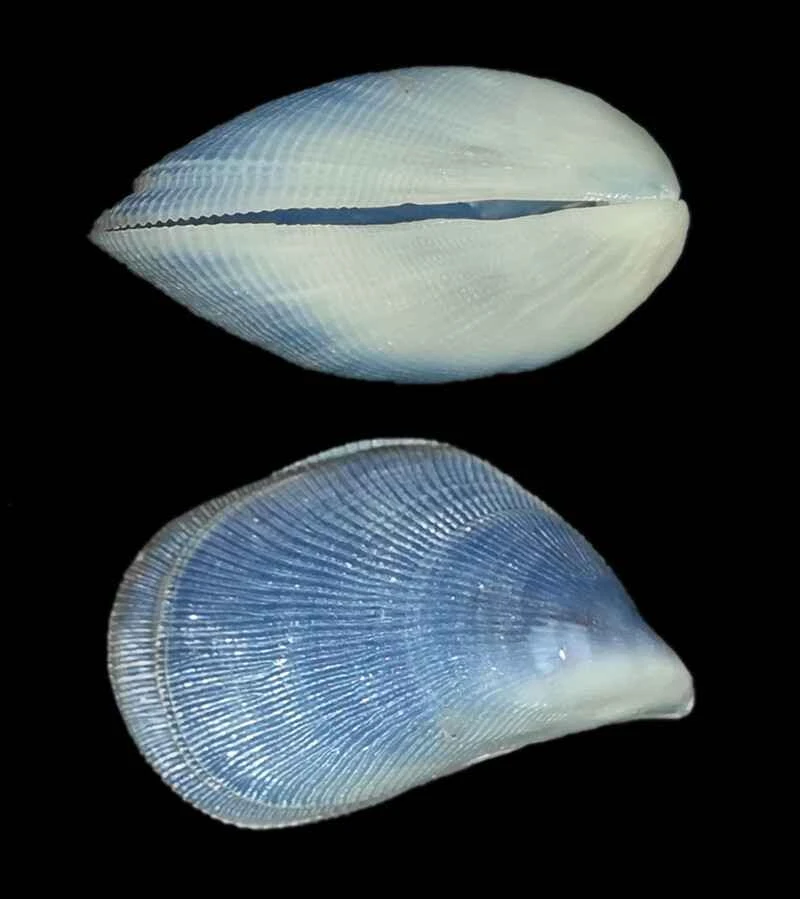
The peacock clam, also known as the mussel, is not only delicious but also highly valued for its ornamental shell. The peacock clam has a thick shell, ranging in color from brown to dark brown, while the inner side displays a dazzling blue-purple pearly luster. Its apex is shaped like a blunt bird's beak, located at the anterior edge, which is relatively straight. The posterior edge is steep at the front and relatively gentle at the back, with a rounded ventral margin. The shell surface has distinct radial ribs, with a prominent rib running from the apex to the posterior ventral margin, dividing the shell into upper and lower parts.

These mussels are mainly distributed in the Indian Ocean to the western Pacific Ocean. They usually attach themselves to intertidal coral reefs or rocks using byssal threads, and sometimes they also anchor themselves to the substrate, even burrowing to survive. They obtain nutrients by filter-feeding on plankton and organic detritus.
6. Mediterranean mussels (relatively large/dark blue shell) (temperate marine regions)

The Mediterranean mussel, also known as the blue mussel, is one of the ten most common mussel species. While often considered an invasive species worldwide, it is also widely used in aquaculture. Native to the Mediterranean, Black Sea, and Adriatic Sea, the Mediterranean mussel is now widely distributed globally, having been introduced to almost all temperate seas and major seaports.
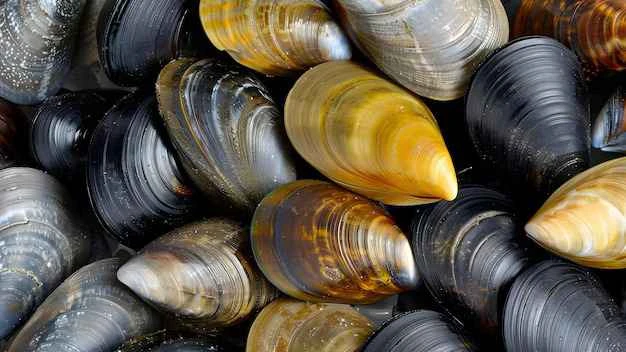
This type of mussel ranges in color from purplish-blue or black to light brown. Its fan-shaped shell is nearly quadrilateral, with a slightly curved edge at the end and a rounded mouth. Compared to other mussels, the Mediterranean mussel is relatively large, typically about 5-8 cm long, with a maximum length of up to 15 cm.
7. Top-shelled clam (oblong/hairy behind the shell) (cold waters of the Northern Hemisphere)
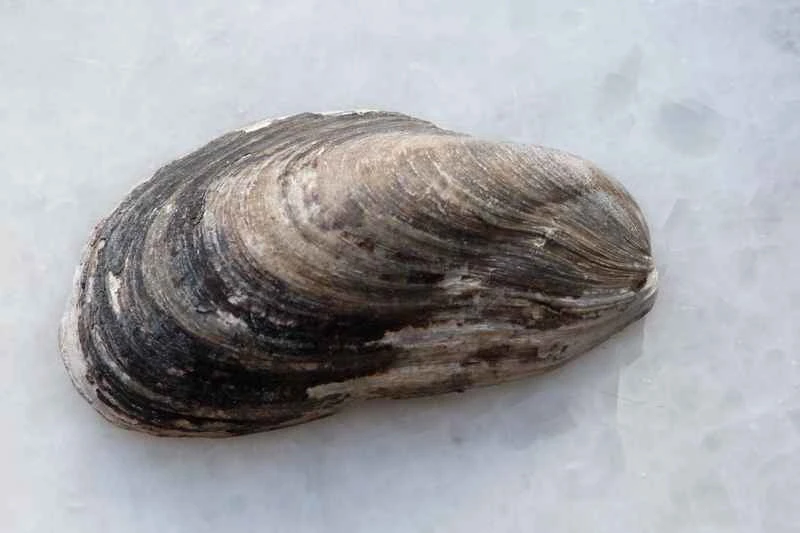
The mussel *Pterocarya spp.* is an economically important shellfish belonging to the genus *Pterocarya* in the family Mytilidae. It has plump flesh, a mild flavor, and can be eaten raw or processed into dried products. Its shell is relatively large, slightly elongated oval, and quite hard. The outer shell is covered with fine, smooth, yellowish-brown hairs that are long and unbranched. The inside of the shell is usually light grayish-blue, sometimes with a slight tinge of light purple. The byssal openings are slightly visible, and the byssal threads are long, thin, and pale yellow.
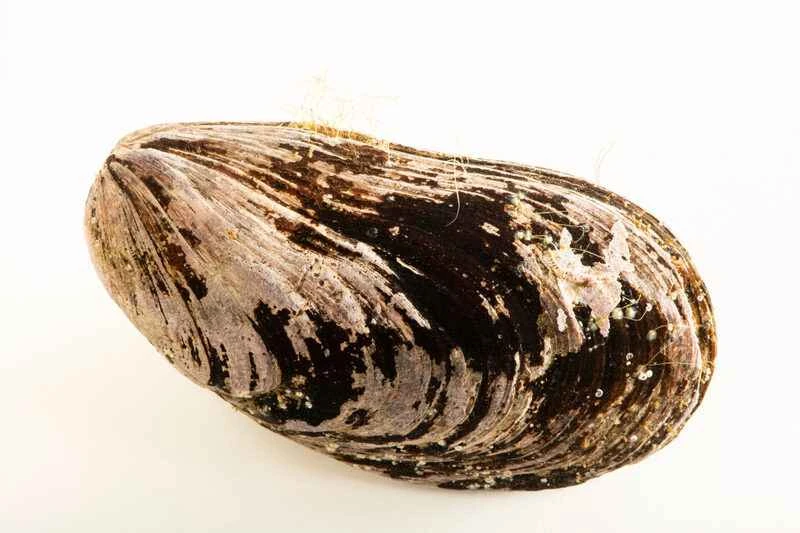
Mussels are mainly distributed in the cold waters of the Northern Hemisphere, covering the Arctic Ocean southward to the eastern and western coasts of the Pacific Ocean and the eastern and western coasts of the Atlantic Ocean. Similar mussel species include long mussels, short mussels, sheathed mussels, eared mussels, and Manila mussels.
8. Short-shelled clam (small shell/membrane-covered shell) (China/Japan)
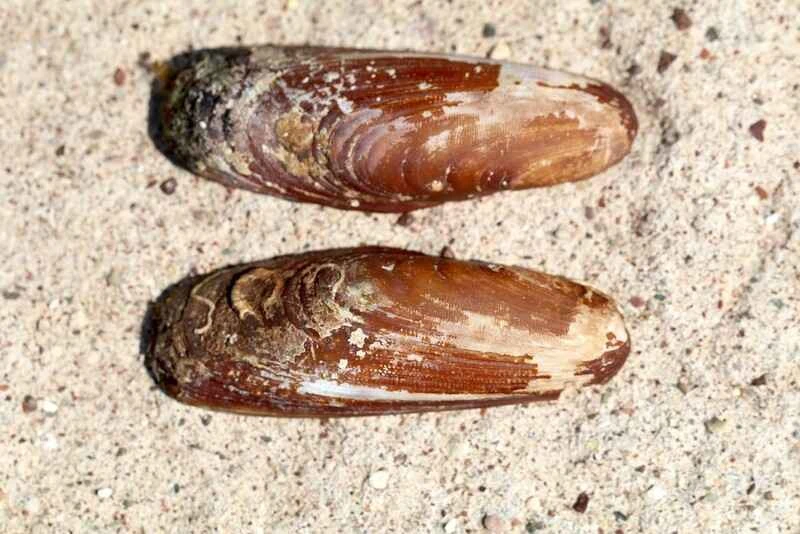
What kinds of mussels are there? The short-necked clam is one of the more popular species. It is mainly distributed along the coasts of China and Japan, especially common in the southeastern coastal areas of China, with particularly abundant numbers along the coast of Zhejiang. It reproduces and grows relatively quickly and usually inhabits rock crevices.
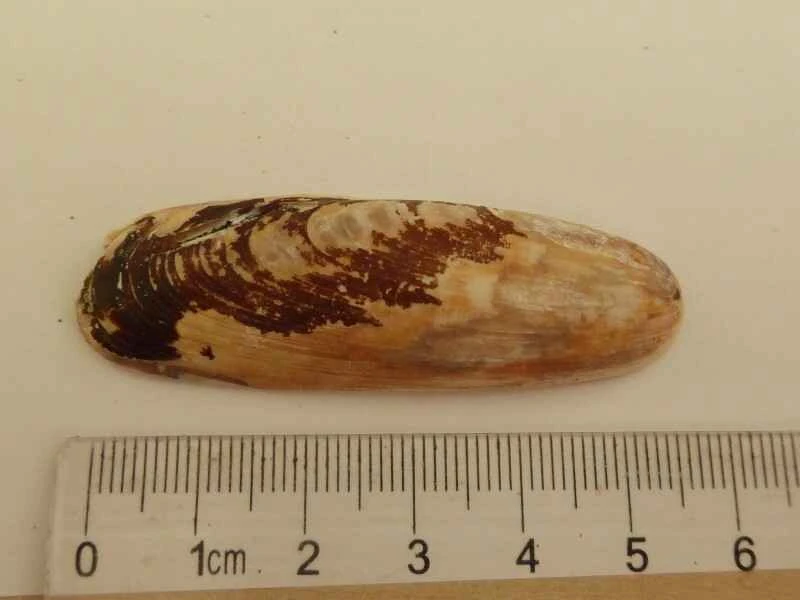
The shell of the short-shelled clam is relatively small, thin, and slightly cylindrical. The anterior end of the shell is rounded, while the posterior end is slightly flattened. The apex is located near the anterior end, and the surface is covered with a brown or light brown periostracum. The outer layer has a very thin, smooth, grayish-white calcareous membrane. The inner side is lighter in color, with a red, green, or blue sheen, and its byssal threads are fine and underdeveloped.
9. White-spotted clam (semi-transparent shell/extremely thin and brittle shell) (Atlantic/Pacific/Indian Ocean)

The white-spotted mussel, also known as the large mussel, is one of the ten most common mussel species. This mussel has a medium-sized, translucent, and extremely thin and brittle shell, roughly oval in shape. Its outer shell is yellow or milky white, often with a pale yellow ventral edge and a reddish-brown dorsal edge; the surface is smooth and glossy. The inner shell is white with a pearly luster; muscle scars are not obvious; the shell edge is smooth; the hinge is toothless; the ligaments are long and thin, light reddish-brown; and the byssal threads are extremely fine and soft, resembling glue.

The white-spotted abalone is widely distributed in many sea areas, including the east and west coasts of the Atlantic Ocean, the western coast of the Pacific Ocean, and the Indian Ocean, and is especially common in the subtidal zone. Its vertical distribution range is quite wide, and it can be found in the deep sea from a dozen meters to 2,000 meters deep, usually inhabiting places with a water depth of about 270 meters.
10. Japanese Muscle Clam (slender shell/yellowish-green) (Japan/Korea/Southeast Asia)
The Japanese mussel is a warm-water mussel and one of the most common mussel species. It is widely distributed in the Indo-West Pacific region, mainly found in Japan, Korea, and Southeast Asia, and typically lives in shallow waters at depths of 10 to 100 meters.
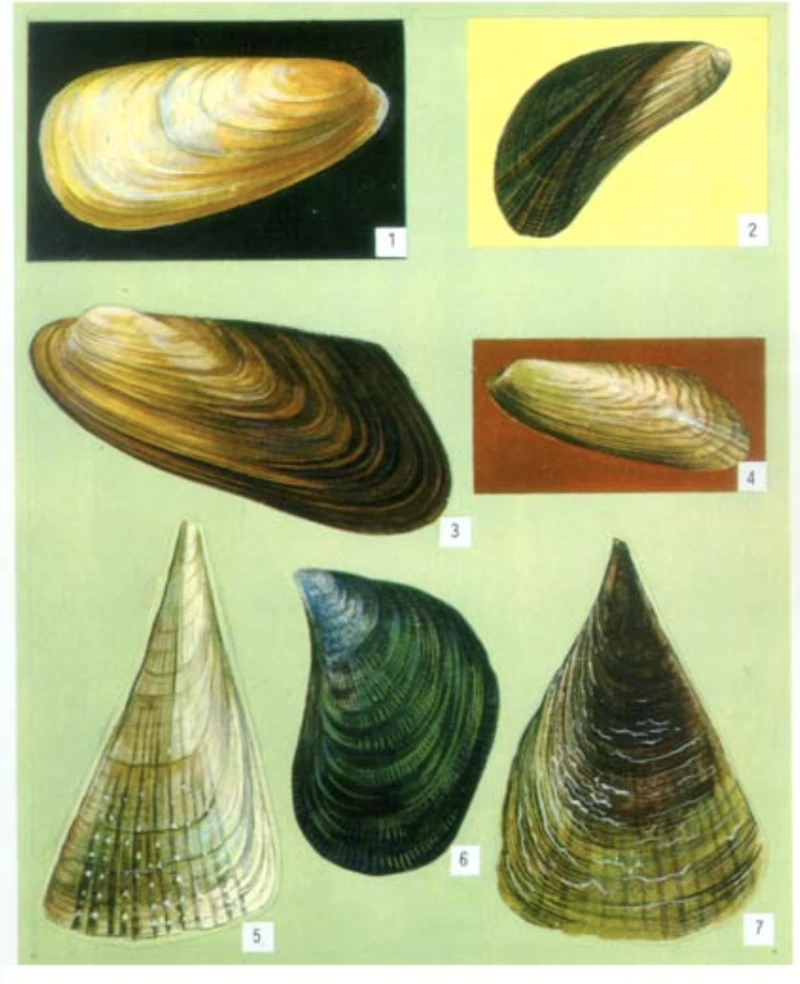
The shell of the Japanese clams varies in size from small to medium. The shell is thin yet tough, and relatively flat and elongated. The surface of the shell is yellowish-green, sometimes with a light reddish tinge, while the inner surface is light-colored and slightly glossy, with reddish-brown markings. Its ligaments are slender and light brown, and the mantle margin is thick, bearing spherical tentacles containing brown pigment. Furthermore, its siphon is slightly tubular, the adductor muscles on both sides are of different sizes, and the byssal threads are soft, gelatinous, and well-developed.
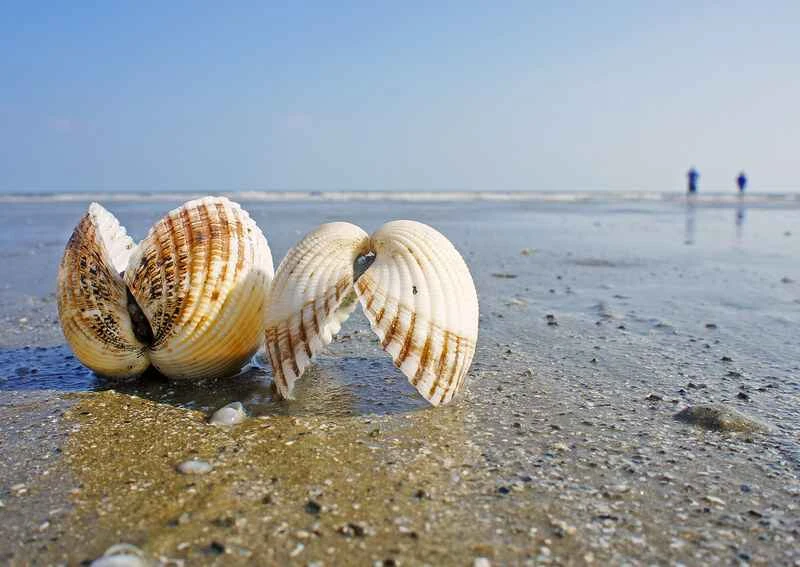
This list of the top ten common mussel varieties is compiled based on research into the characteristics and quality of common mussels, as well as their public recognition. It is a recommendation list created by integrating various relevant rankings and lists from the internet, and is for your reference only. If you have any questions or thoughts, please feel free to share them in the comments section below.