In the complex networks of nature, every species plays its role. However, not all species are beneficial to ecosystems. Some animals, due to invasiveness or overproduction, cause serious damage to ecosystems, leading to reduced biodiversity and ecological imbalance. This article will explore 10 environmentally harmful animals, their impacts, and potential solutions to mitigate these problems.
What kinds of animals are harmful to the environment?
Animals may be harmful to the environment for the following reasons:
Invasive: The introduction of non-native species into a new area can suppress native wildlife.
Overbreeding: Due to a lack of natural predators, some animals overbreed, leading to resource depletion.
Predation imbalance: Some species disrupt the food chain by preying on key protozoa.
Habitat destruction: Animals like wild boars cause habitat loss.
1. Wildcat: The Silent Hunter
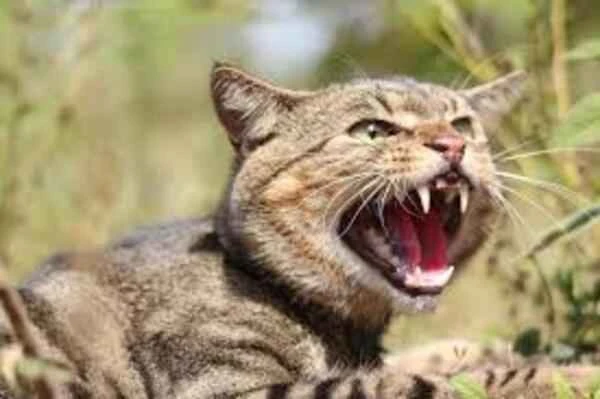
Impact: Feral cats kill billions of birds, reptiles, and small mammals every year, severely damaging biodiversity.
Global distribution: Wildcats are widespread globally, but they pose the greatest threat to native species, especially on islands, where local species have no defense against predators.
Solution: Implement sterilization/neutering programs and advocate for responsible pet management.
2. The cane toad of Australia
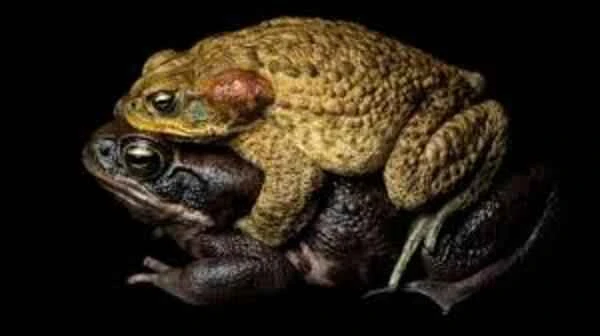
Origin: Introduced to control pests in sugarcane fields.
Impact: These venomous amphibians poison predators and severely damage Australia's ecosystem.
Management measures: including ongoing efforts in manual capture and community outreach.
3. Zebra mussels: Aquatic invaders
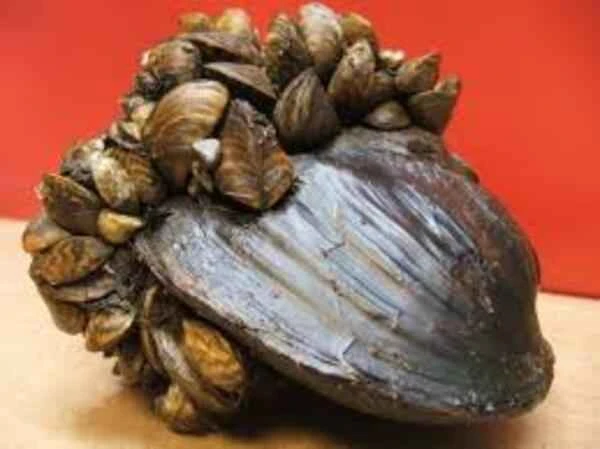
Transmission: Accidentally introduced into North American waters via ballast water from a ship.
Impacts: Blocks water systems, displaces native mussels, and alters aquatic ecosystems.
Control measures: Inspect and clean the vessel, and chemically treat the water system.
4. Burmese python of the Florida Everglades
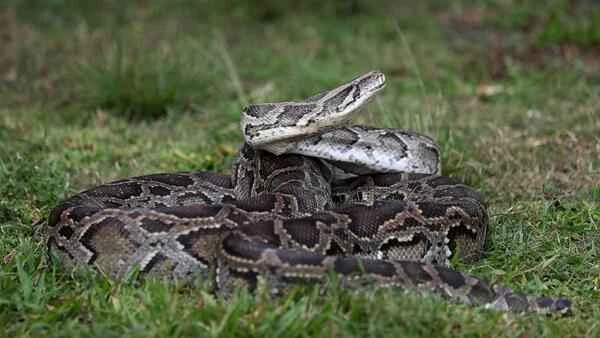
Method of invasion: After being released as exotic pets, these pythons multiplied rapidly in Florida's warm climate.
Impact: They prey on native mammals and birds, leading to a sharp decline in their population.
Solutions: Python removal program and public participation in reporting sightings.
5. European Starlings: Problems in the Sky
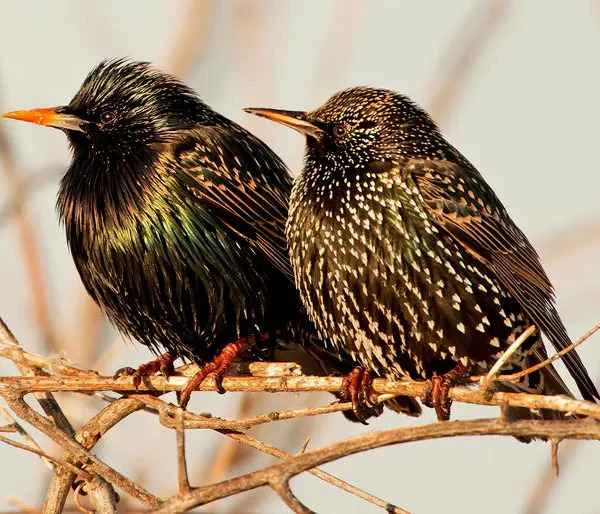
Introduction: Released into North America in the 19th century as part of a project to bring European wildlife to the United States.
Impact: Starlings compete fiercely with native birds for nesting sites and food.
Control measures: Control the population by capturing and restricting nesting sites.
6. Wild boar: Habitat destroyer
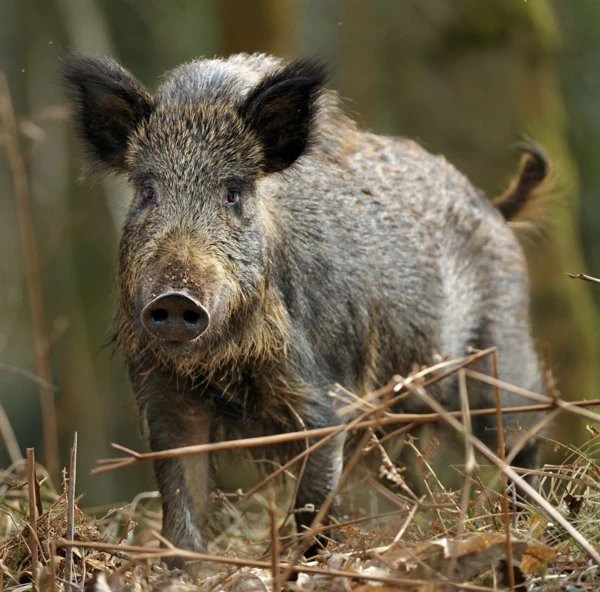
Spread: Originally from Europe and Asia, wild boars have been introduced to many regions around the world.
Impacts: Their foraging behavior damages vegetation, disturbs soil, and harms agricultural crops.
Control strategies: hunting plans and the installation of fences to protect sensitive areas.
7. Asian carp: River destroyers
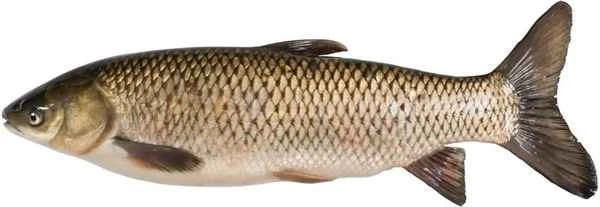
Invasion: Introduced to control algae in fish farms, but escaped into major U.S. waterways.
Impact: They crowd out native fish species, threatening commercial fisheries and biodiversity.
Management measures: Set up physical barriers in the river and reduce the population through fishing.
8. Argentine ants: Global invaders
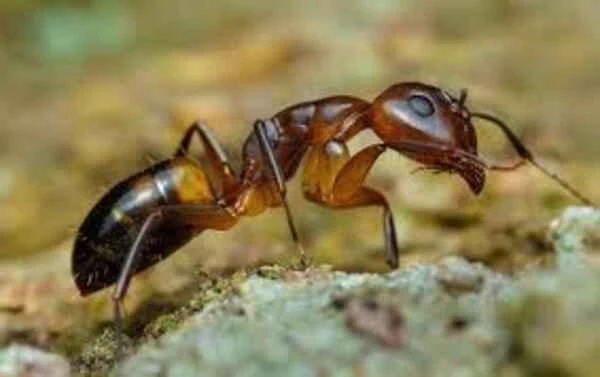
Dissemination: Spread globally through shipping.
Impacts: They displace native ants, disrupt local ecosystems, and harm agriculture by protecting pests such as aphids.
Control measures: Use bait and barriers to limit its spread.
9. Red imported fire ants
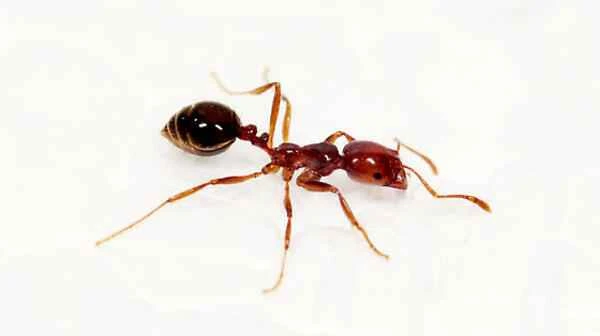
Source: Accidentally introduced to the United States from South America.
Impact: Red imported fire ants disrupt ecosystems by preying on native insects and small animals. Their stingers also pose a threat to humans and livestock.
Efforts: Chemical control and biological methods, such as the introduction of natural predators.
10. Kudzu worm: an agricultural threat
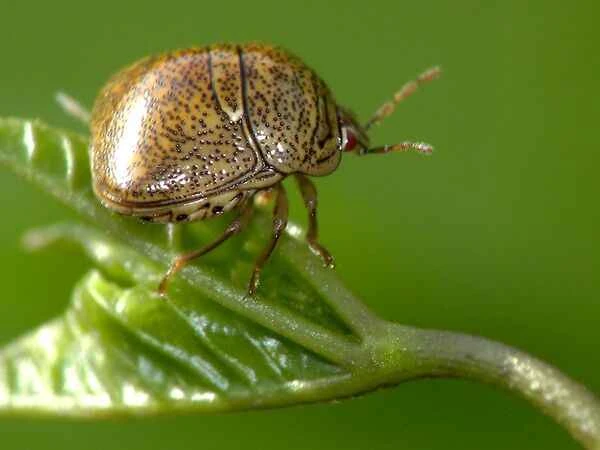
Introduction: Introduced from Asia to North America.
Impact: They feed on crops such as soybeans, reducing yields and damaging plants.
Management measures: Use of pesticides and monitoring programs to limit agricultural impacts.
Ecological consequences of animals harmful to the environment
Biodiversity loss
Native species decline: Predation and competition from invasive species increase the risk of extinction.
Ecosystem disruption: Overpopulation or invasive species disrupt food chains and habitats.
Habitat destruction
Overgrazing: Animals such as wild boars and goats can damage vegetation, leading to soil erosion.
Damage to aquatic ecosystems: Aquatic species like the zebra mussel alter nutrient cycles and water quality.
Global and regional challenges
Invasive species cause particularly great damage to unique ecosystems such as Australia, islands, and rainforests.
The role of humans in the spread of harmful animals
Introducing non-native species: Many invasive species are introduced intentionally or accidentally through trade and travel.
Habitat alteration: Urbanization and deforestation create thriving environments for invasive species.
How can we mitigate this damage?
protection efforts
Protect native species by restoring their habitats.
Raise awareness of the dangers posed by invasive species.
Technical solutions
Monitoring: Using drones and GPS tracking to identify and monitor invasive species populations.
Eradication program: Coordinated efforts to remove or control pests.
Policies and regulations
Strengthen border biosecurity measures to prevent the introduction of invasive species.
Promote sustainable practices in agriculture and urban development.
Protect our ecosystem
The impacts of animals harmful to the environment are a global challenge that demands immediate attention. From wildcats and cane toads to zebra mussels and fire ants, these species disrupt ecosystems, threaten biodiversity, and harm human livelihoods. By understanding their impacts and implementing conservation measures, we can mitigate their destructive effects and protect the Earth's fragile ecological balance.
By working together, we can create a healthier and more sustainable world for future generations by controlling invasive species and restoring ecosystems.