Corals are generally classified into several types, including large corals, small corals, soft corals, and sea anemones. It's important to note that corals are animals, not plants. Not only do they resemble plants in appearance, but they also boast vibrant and dazzling colors. Did you know that some corals have truly stunning appearances? This article will introduce you to ten of the world's most beautiful corals, including the following species: Christmas tree worm, bubble coral, brain coral, cup coral, leather mushroom coral, finger coral, tube worm, tiger ear mushroom, clove polyp, and large flower brain coral. These corals are renowned in the marine life world for their unique appearance and breathtaking beauty.
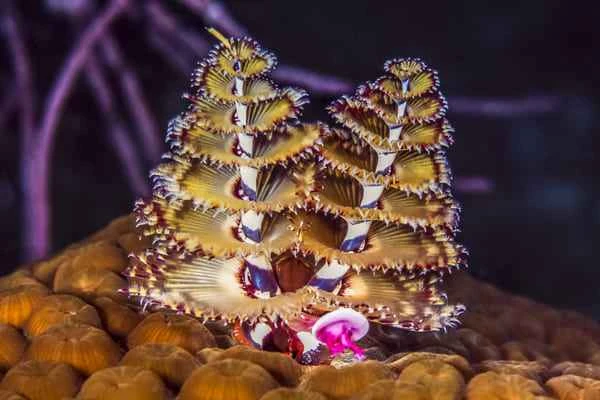
1. Christmas tree worm
Christmas tree worms are a type of tube worm named for their two captivating tentacles that resemble a Christmas tree. These tentacles are actually their feeding organs, and are extremely sensitive, reacting instantly to even the slightest shadow. These charming Christmas tree worms come in a variety of colors, including yellow, orange, blue, and white, making them a striking feature and a key characteristic for scavengers. They are widely distributed in tropical oceans around the world and primarily feed on zooplankton.
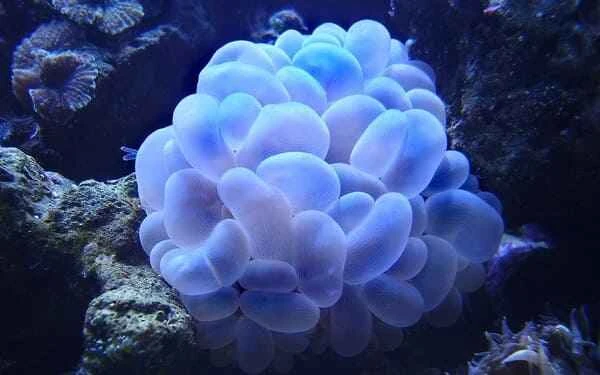
2. Bubble Coral
Bubble corals, scientifically known as *Plerogyra sinuosa*, belong to the soft coral family. They are distributed along the coasts of the Pacific, Atlantic, and Caribbean Seas, living in waters less than 30 meters deep. These corals have unique characteristics: they are very beautiful, requiring light to inflate and expand. When fully expanded during the day, the corals appear as white, purple, or yellow bubbles, resembling shimmering, transparent bubbles, pearls, or grapes. When inactive, they reveal a hard skeleton, a feature that gives them their name.
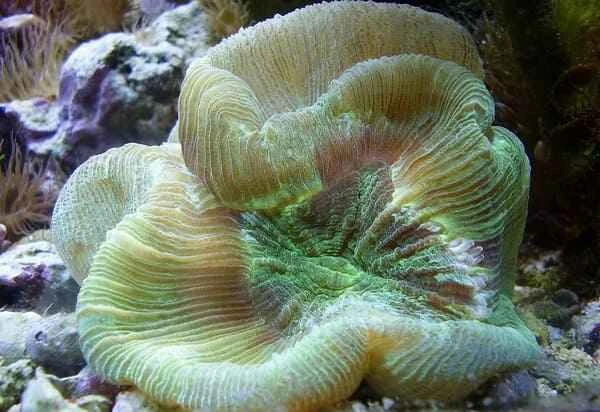
3. Eight-character brain coral
The figure-eight brain coral, also known as the open brain coral, is one of the most common and remarkably resilient coral species in aquariums. They typically display a variety of vibrant colors, including fluorescent green or red hues, or intricately interwoven colors. In addition, they can exhibit a range of captivating hues such as brown, pink, and even blue. Initially, their skeletons are cone-shaped, but as they grow, their shape gradually reveals a structure resembling the number "8," hence the name figure-eight brain coral.
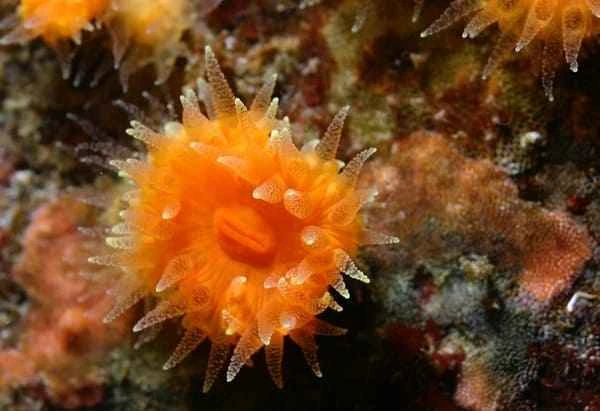
4. Cup-shaped coral
Cup corals are among the most fascinating corals found in the deep sea. Unlike other corals, cup corals do not attach themselves to coral reefs but rely on plankton for sustenance. At night, they extend translucent tentacles, displaying a unique beauty. A treasure of the ocean, cup corals are renowned for their vibrant colors and distinctive shapes, commonly including cups and plates.
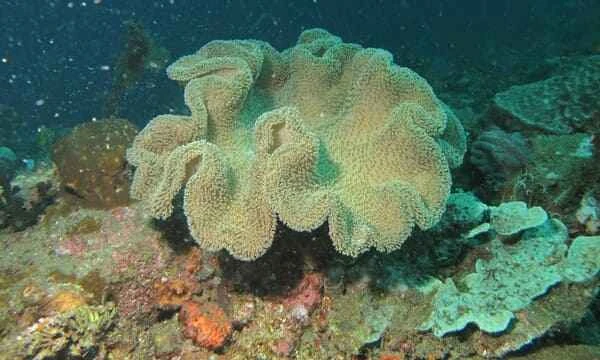
5. Leather mushroom coral
Leather mushroom coral, belonging to the soft coral family, is also known as green poison mushroom coral, umbrella coral, or elephant ear leather coral. Like other corals, leather mushroom coral displays a variety of colors, ranging from brown to cream to deep red. These fascinating mushroom corals resemble stacked, soft leather, and at night or when foraging, they extend stalk-like tentacles. They form habitats for marine animals, which in turn provide them with the necessary nutrients.
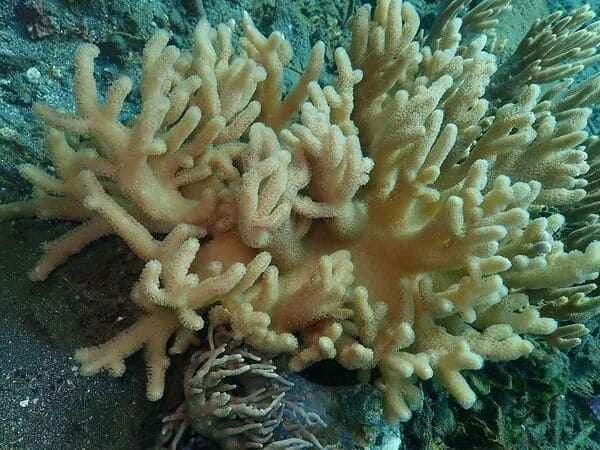
6. Finger Coral
Finger corals, also known as soft finger corals, are distributed in waters up to 10 meters deep from the Red Sea to the Pacific Ocean. These corals belong to the molluscs order, Sinularia. The scientific name for finger corals is *Sinularia asterolobata*. They typically appear ivory or light gray in colonies, with their thick, fleshy foot growing upwards to form the body, ending in a rounded, finger-like fork.
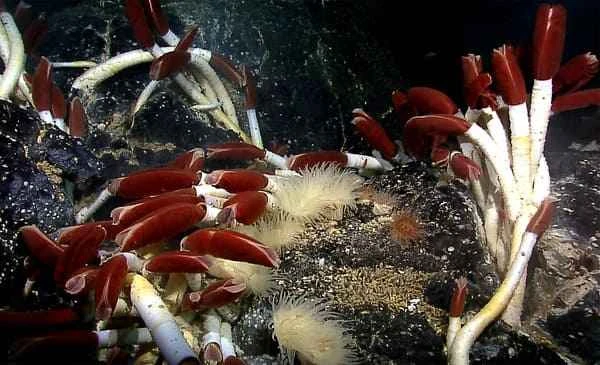
7. Tube worms
Tube worms, also known as tube worms, are large animals that can reach 1-2 meters in length and several centimeters in diameter. They have a reddish fleshy head at the top and a straight white tube at the bottom, hence their name. This shape makes them resemble a white stem with a red flower in a giant flower. Tube worms rely on symbiotic sulfide-oxidizing bacteria within their bodies for nutrition, therefore they have neither internal organs nor a digestive tract. Scientists estimate that tube worms may be among the longest-living animals on Earth, with some individuals possibly living to 250 years old.
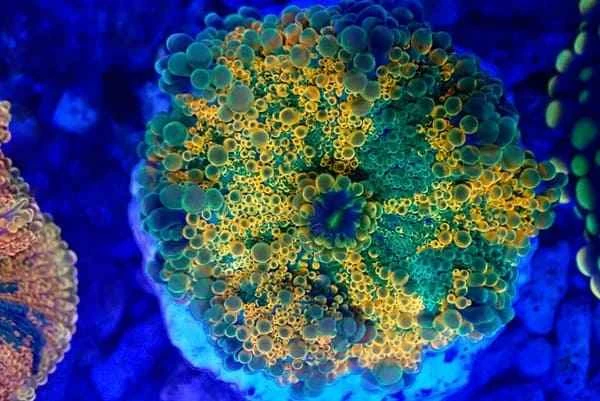
8. Tiger Ear Mushroom Coral
Mushroom corals , like paints on a painter's palette, display a vibrant array of colors in the ocean, including red, orange, purple, and green. Among them, red mushroom corals are particularly rare and highly prized. Different colored mushroom corals require different care. As a type of mushroom coral, the green mushroom coral has a spotted surface, showcasing a vibrant green hue.
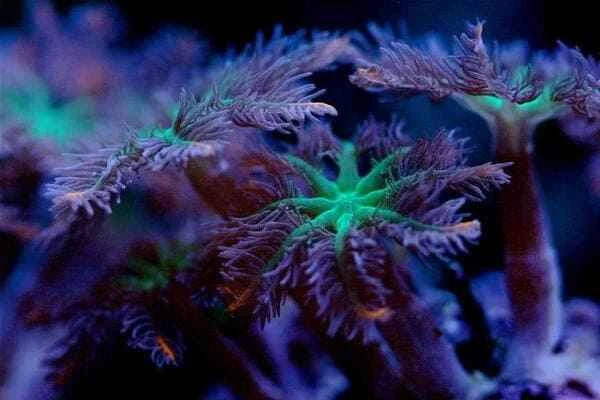
9. Clove hydroid
Clove polyps, also known as glove polyps, are members of the polyp family of corals. These fascinating polyps are widely distributed in the Indian and Pacific Oceans, displaying a variety of colors including brown, red, pink, white, and green. Smaller polyps are generally classified as clove polyps, while larger ones are typically called glove polyps. Regardless of size, they all possess eight tentacles. These polyps feed on iodine, mysids, planktonic microorganisms, and trace elements, typically forming colonies and requiring moderate light intensity. They can rapidly reproduce and grow on coral reefs and rocks.
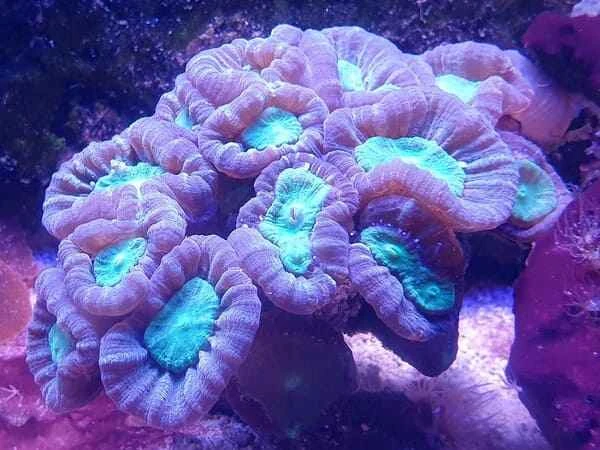
10. Large-flowered Coral
The giant brain coral is a colorful coral with various hues including gray-green, reddish-brown, and light blue, and its shape resembles a human brain. They are mainly found on the surface of reefs, but some also grow on muddy or pebble surfaces at depths of up to 40 meters. These corals feed on plankton.
The list of the world's most beautiful corals is compiled based on information from various websites. It organizes the appearance and color of the corals and ranks them according to their online popularity and fame. The ranking is for reference only. If you have any questions, please feel free to comment or criticize at the end.