The Ice Age, also known as the Pleistocene, lasted from approximately 2.6 million years ago to 11,700 years ago. Characterized by repeated glaciation and extremely low temperatures, it created unique and challenging environments for the animals that lived during this period. From large megafauna like mammoths to smaller animals like rodents and amphibians, many animals developed remarkable adaptations to survive in the cold. This article explores the various animals of the Ice Age, their survival strategies, and their fate as the Earth warms.
The iconic megafauna of the Ice Age
1. Mammoth (Mammuthus primigenius)
Habitat: Northern Europe, Asia, and North America
Characteristics: Mammoths could stand up to 12 feet tall and were covered in thick fur to protect them from the cold. Their tusks helped them dig through the snow to find food.
Survival: Mammoths relied on a thick layer of fat to survive in the cold and traverse the tundra in search of food. Due to climate change and overhunting by humans, they became extinct around 4,000 years ago.

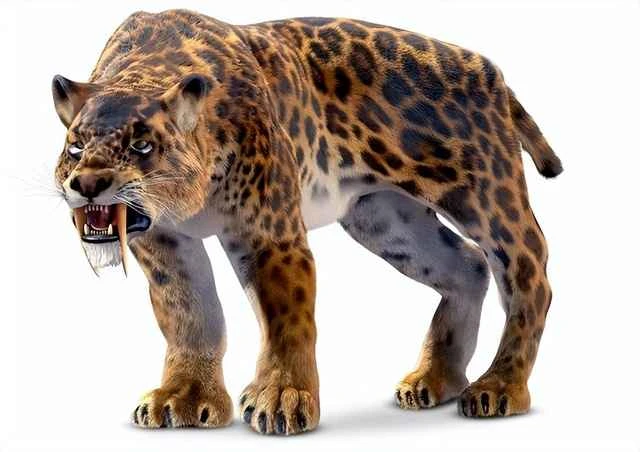
2. Saber-toothed tiger (Smilodon)
Habitat: North America and South America
Characteristics: The saber-toothed tiger is known for its long, curved canines. It was a muscular predator that preyed on large animals such as mammoths and bison.
Survival: These felines relied on their powerful physique and jaws to capture prey. Despite their adaptations to their environment, they went extinct around 10,000 years ago, likely due to a combination of the extinction of large prey and environmental changes.
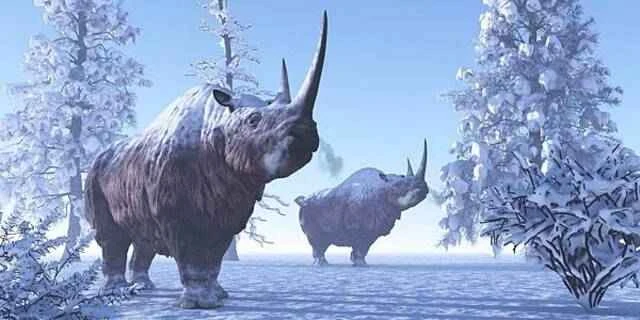
3. Woolly rhinoceros (Coelodonta antiquitatis)
Habitat: Northern Europe and Asia
Characteristics: The woolly rhinoceros resembled a mammoth, with thick fur and two large horns. It stood about 6 feet tall and weighed up to 3,000 pounds.
Survival: These rhinoceroses lived on cold grasslands, using their horns to dig through the snow in search of food. They went extinct around 10,000 years ago, likely due to climate change and human activity.
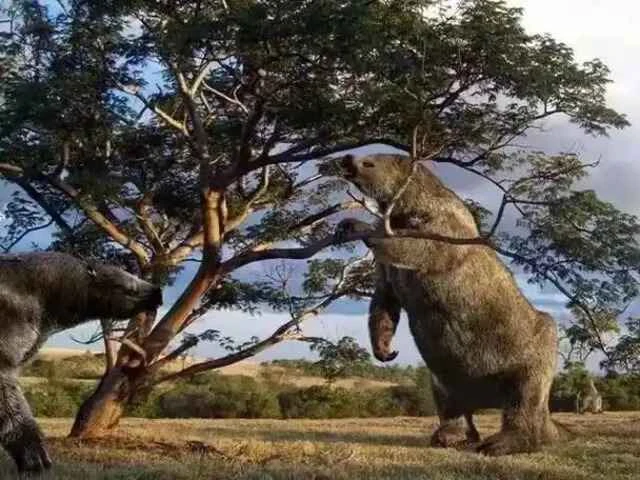
4. Giant ground sloth (Megatherium americanum)
Habitat: Parts of South and North America
Characteristics: These enormous herbivores can grow up to 20 feet long and weigh up to 4 tons. They have large claws and tough skin.
Survival: Ground sloths were slow-moving, but relied on their size to protect themselves from predators. Nevertheless, they went extinct around 10,000 years ago, likely due to climate change and human hunting.
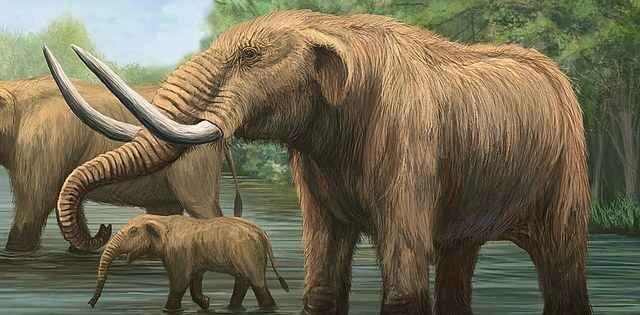
5. American mastodon (Mammut americanum)
Habitat: North America
Characteristics: American mastodons resembled mammoths in appearance but were slightly smaller, had curved tusks, and were covered in coarse hair.
Survival: Mastodons were forest animals that fed on leaves and shrubs. They went extinct around 10,000 years ago due to climate change and human hunting.
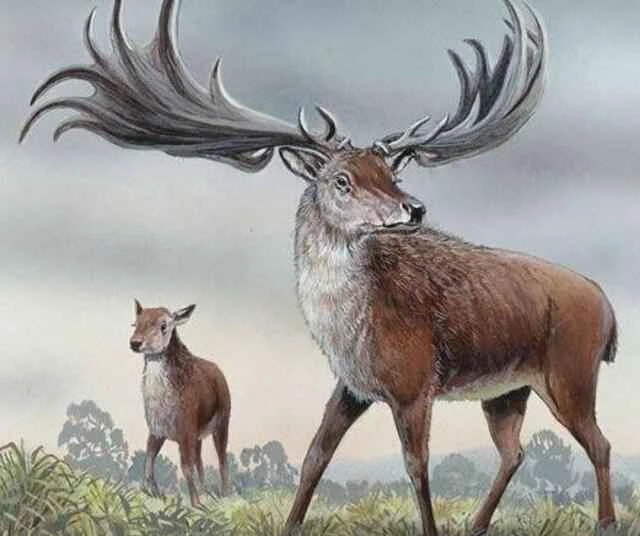
6. Irish Elk (Megaloceros giganteus)
Habitat: Europe and Asia
Characteristics: This enormous deer species has antlers that can span up to 12 feet and a shoulder height of about 7 feet.
Survival: Irish elk thrived on open grasslands, feeding on grasses and shrubs. They went extinct around 7,700 years ago due to habitat loss and competition from forests replacing grasslands.
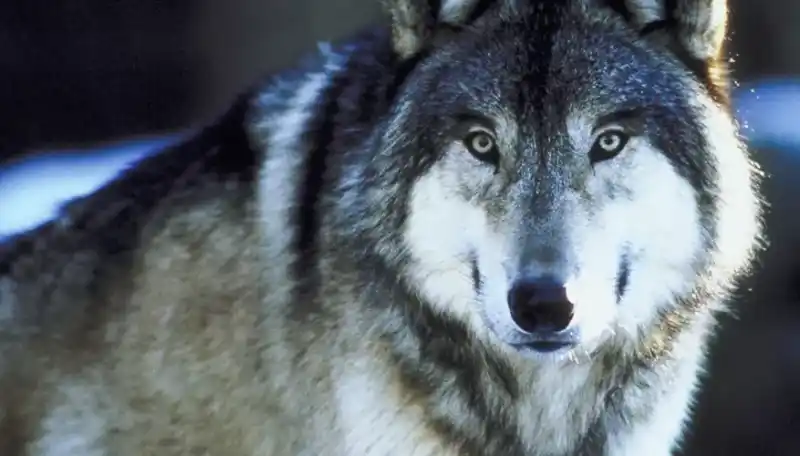
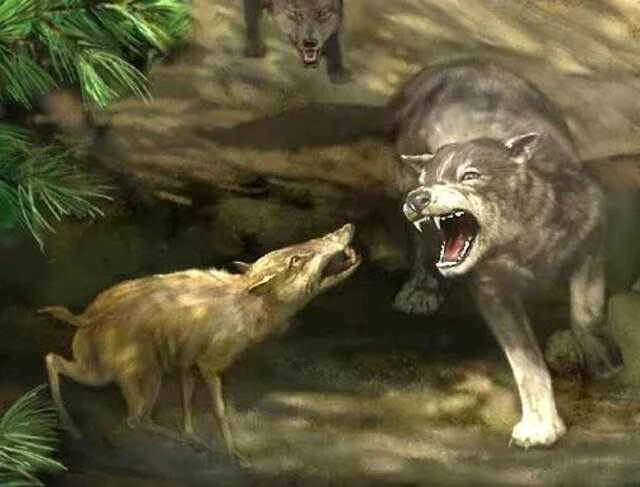
7. Dire Wolf (Canis dirus)
Habitat: North America and South America
Characteristics: The dire wolf was larger and stronger than the modern wolf, with a powerful jaw that made it suitable for hunting large prey such as bison and horses.
Survival: Dire wolves lived in packs and preyed on large animals. They went extinct around 10,000 years ago, likely due to the disappearance of large prey and competition with smaller, more agile wolves.
Other Ice Age mammals
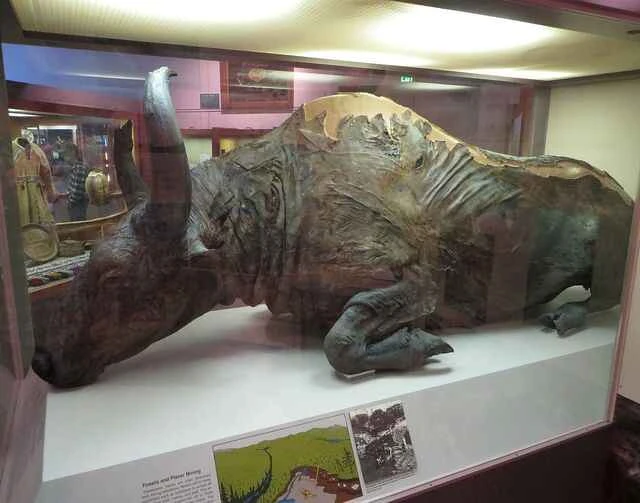
1. Bison priscus
Habitat: North America, Europe, and Asia
Survival: Steppe bison roam in herds, surviving on well-toughened grasses in cold environments. Their thick fur and grease provide excellent insulation, and their herds protect them from predators. Some bison species survived the Ice Age and evolved into modern bison.
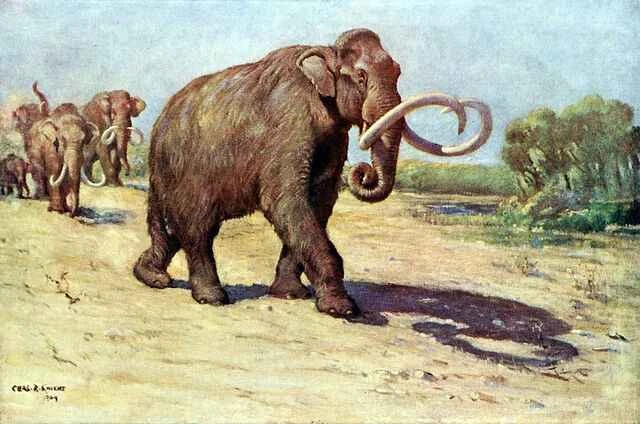
2. Colombian mammoth (Mammuthus columbi)
Habitat: North America
Survival: This larger mammoth relative lived in temperate climates and fed on a variety of plants. It went extinct around the same time as the mammoth, likely due to climate change and human hunting.
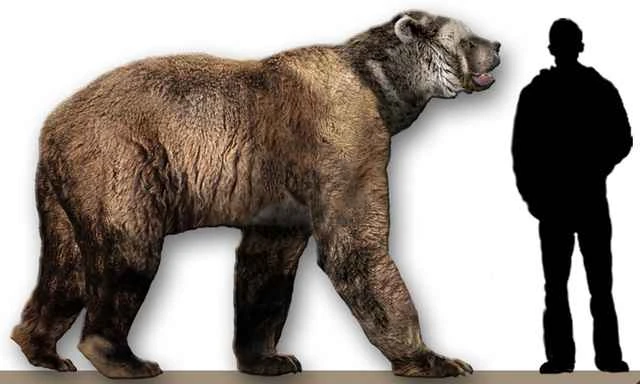
3. Short-faced bear (Arctodus simus)
Habitat: North America
Survival: The short-faced bear was one of the largest land carnivores, preying on large prey and consuming carrion. It went extinct around 11,000 years ago, likely due to competition and the disappearance of large prey.
Birds and reptiles of the Ice Age
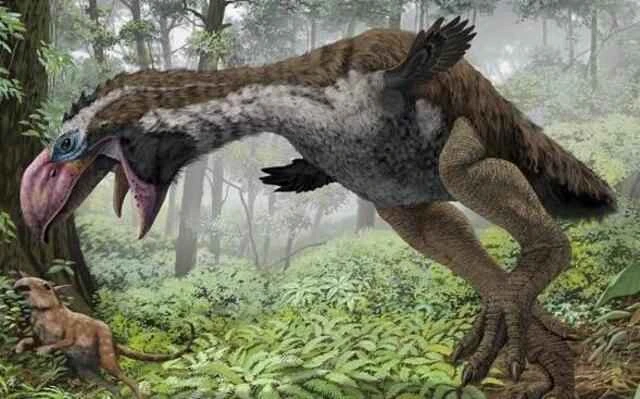
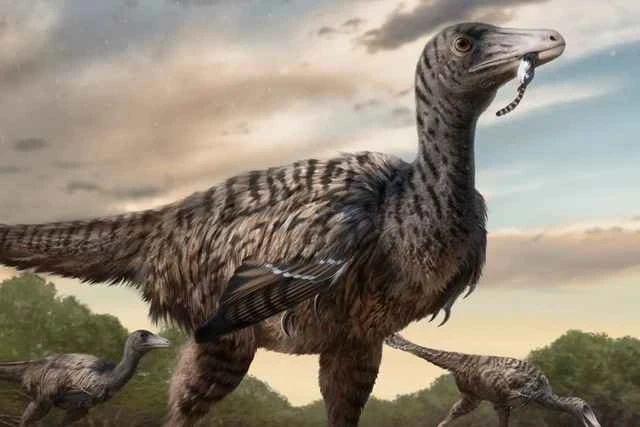
1. Terror Bird (Phorusrhacidae)
Habitat: South America
Survival: These flightless birds, reaching up to 10 feet in height, were fast and efficient predators. They became extinct due to competition with other predators and environmental changes.
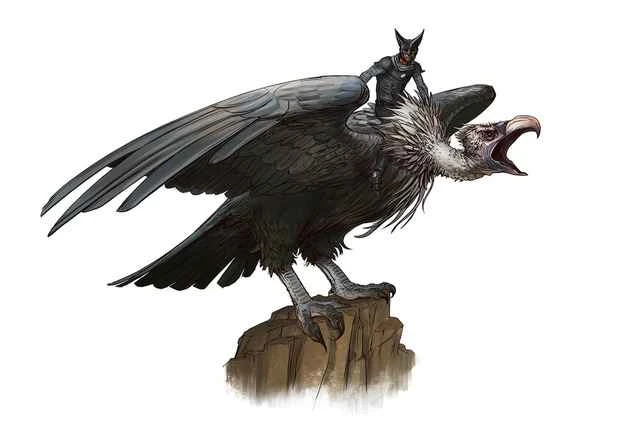
2. Large vultures and birds of prey
Habitat: North and South America
Survival: Large scavengers, such as the Ice Age vulture, fed on the carcasses of giant animals. As these large animals disappeared, these birds also disappeared, although species like the California vulture survived.
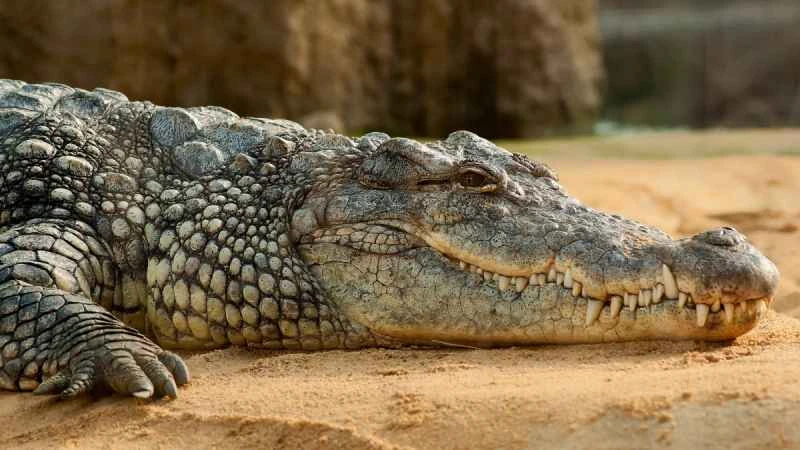
3. Alligators and Crocodiles
Habitat: Southern North America, Africa, and Asia
Survival: These ancient reptiles survived the Ice Age by migrating to warmer regions and slowing their metabolism in colder environments. Their thick, armored bodies helped protect them from predators.
Marine animals of the Ice Age
1. Whale
Habitat: Global Oceans
Survival: Species like bowhead whales adapt to cold water by developing a thick layer of blubber. They survive by migrating to warmer waters and feeding on the abundant marine life found in the colder seas.

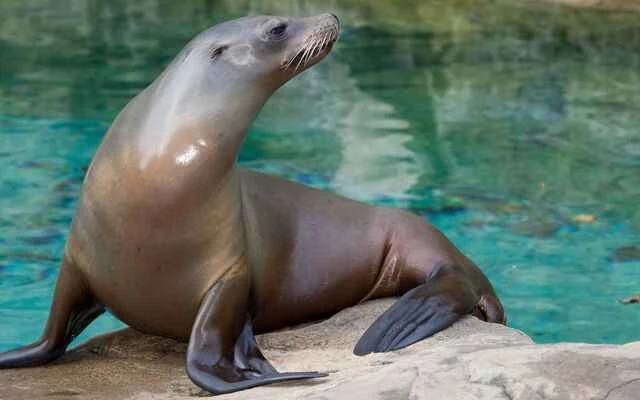
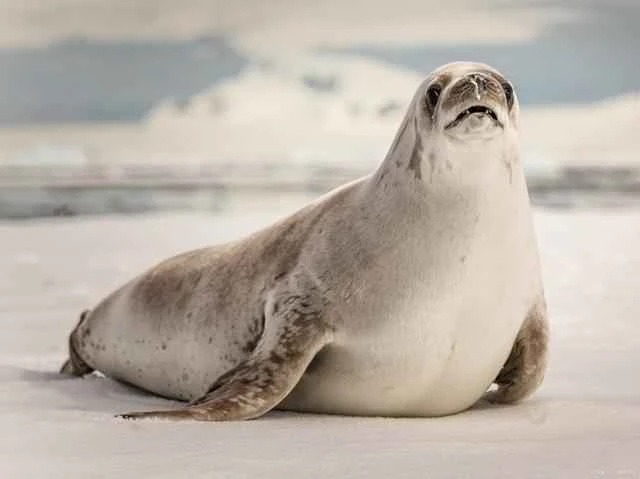
2. Seals and sea lions
Habitat: Cold coastal areas
Survival: Seals and sea lions have a thick layer of blubber to protect them from the cold. They thrive in the frigid waters, feeding on fish and other marine animals. Many species from the Ice Age still exist today.
Small Ice Age animals: rodents, amphibians, and fish
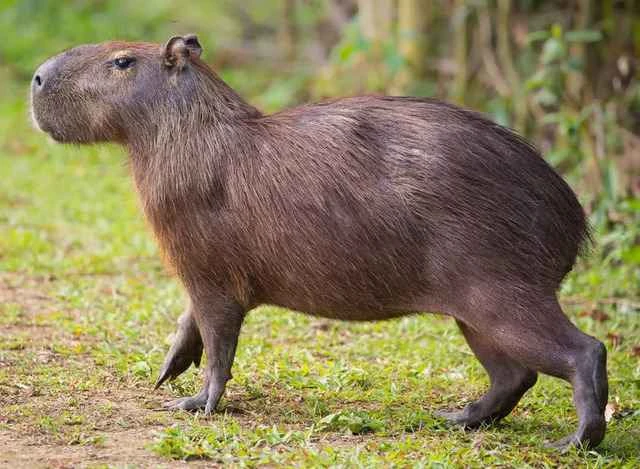
1. Rodents
Habitat: North America and Eurasia
Survival: Groundhogs and other rodents survive by burrowing underground and hibernating during the winter. They are adapted to cold environments and are ancestors of modern species.
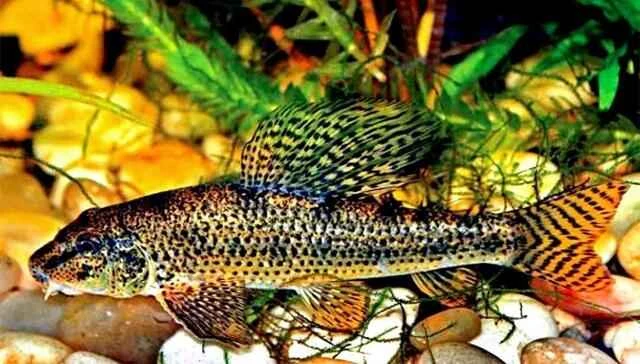
2. Cold-water fish
Habitat: Freshwater rivers and oceans
Survival: Fish such as salmon and sturgeon adapted to cold environments by migrating through rivers and streams. These species were an important food source for humans and other Ice Age animals.
The Ice Age was a period of dramatic environmental change, during which only the most adaptable species survived. While many iconic animals, such as mammoths and saber-toothed tigers, went extinct, some species, such as bison, crocodiles, and vultures, evolved and survived to this day. Understanding how these animals adapted to the challenges of the Ice Age helps us better understand evolution, survival, and the impact of climate change on ecosystems.