Cloacal respiration is not limited to terrestrial animals. Some marine and freshwater organisms have also evolved this method to cope with low oxygen levels in aquatic environments.
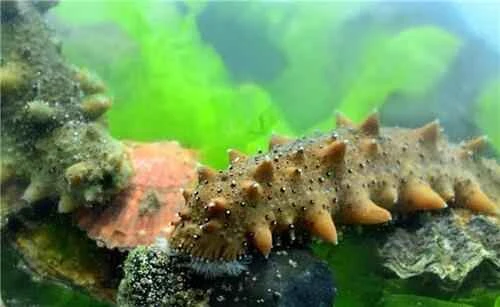
1. Sea cucumber (Class Holothuroidea)
Habitat: Global Seabed
Respiratory Mechanism: Sea cucumbers are slow-moving marine animals that breathe through their tails. They inhale water through their cloaca and extract oxygen using a special structure called the respiratory tree. This process is crucial for their survival in the low-oxygen-level environment of the deep sea. Oxygen is absorbed through the respiratory tree, and water is expelled. This method allows sea cucumbers to maintain their position in oxygen-deficient environments such as the deep sea.
2. Certain fish (e.g., loach)
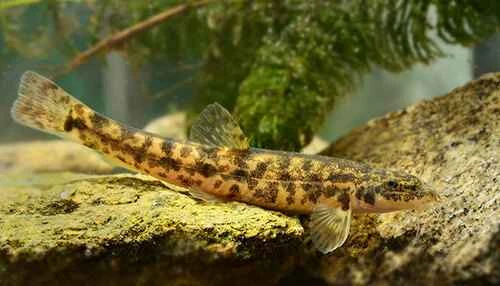
Habitat: Freshwater rivers and streams
Respiratory Mechanism: Some fish, especially loaches, can extract oxygen from the water through their intestines. They swallow air, which then passes through their digestive tract, and oxygen is absorbed through the intestinal wall. This method is an adaptation for survival in oxygen-deficient water. While not a permanent form of respiration, it allows these fish to survive in extreme conditions.
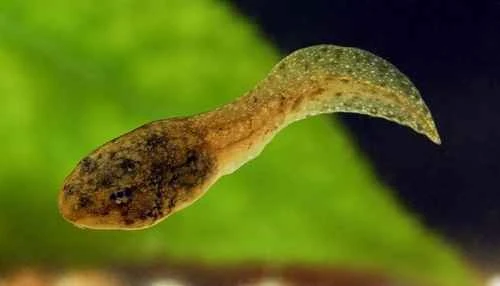
3. Tadpoles of some frog species
Habitat: Dead water freshwater ponds and lakes
Respiratory Mechanism: Some frog tadpoles, such as those of the Surinamese toad, can breathe through their cloaca. In the early stages of their lives, tadpoles live in oxygen-deficient water, and their ability to extract oxygen from the water through their cloaca is crucial for survival. This unique respiratory technique helps them survive until they develop lungs and can emerge from the water as adults.
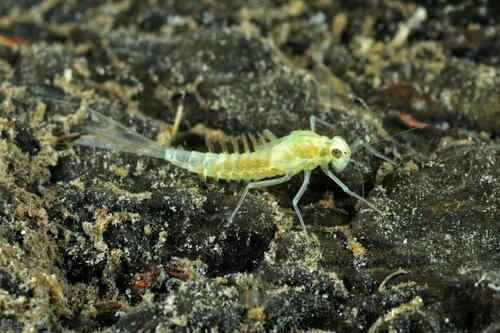
4. Mayfly larvae (order Ephemeroptera)
Habitat: Freshwater streams and rivers
Respiration mechanism: Mayfly larvae are aquatic insects that spend most of their lives underwater. These nymphs have gills near their tails, which allow them to extract oxygen from the water. This adaptation enables them to thrive in fast-flowing rivers and streams until they grow into adult mayflies and leave the water.
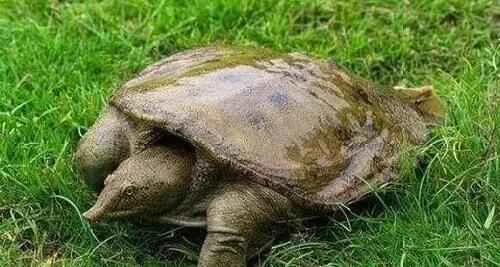
5. Soft-shelled turtle (Trionyx sinensis)
Habitat: Freshwater rivers, lakes, and streams in North America, Asia, and Africa
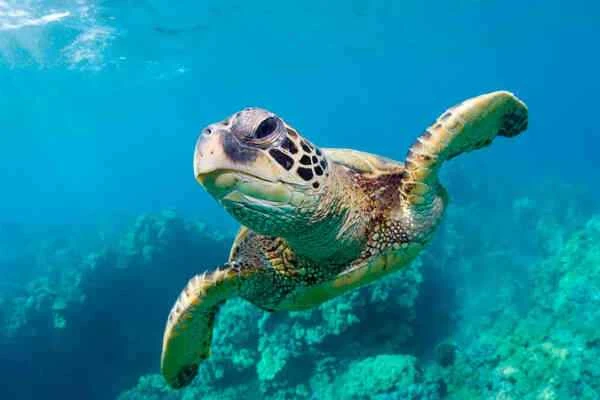
Respiratory mechanisms: Turtles like the Fitzroy River turtle and soft-shelled turtle can also breathe oxygen underwater through their cloaca. This allows them to stay underwater for longer periods, especially when resting or avoiding predators. Their soft shells may also help them absorb oxygen more efficiently through their cloaca.
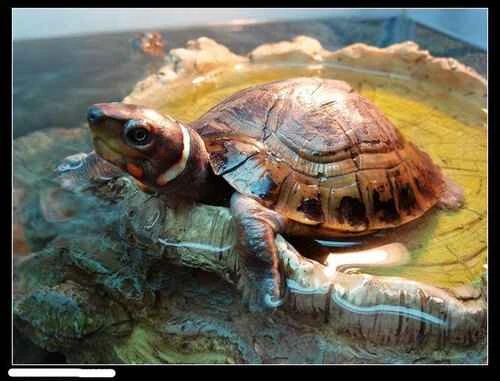
6. Japanese Pond Turtle (Mauremys japonica)
Habitat: Japanese freshwater habitat
Respiratory mechanism: This species of turtle can breathe through its cloaca, especially during hibernation in the water. Japanese pond turtles absorb oxygen through their cloaca, enabling them to survive in low-oxygen environments, such as stagnant ponds.
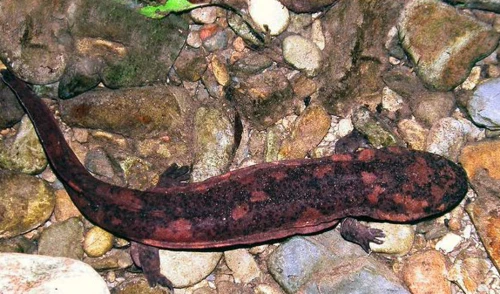
7. Giant salamander (Cryptobranchus alleganiensis)
Habitat: Fast-flowing rivers and streams in the eastern United States
Respiratory Mechanism: The giant salamander, the largest aquatic animal in North America, primarily breathes through its skin. However, it can also absorb oxygen through the cloacal wall when necessary. This is especially useful during periods of low oxygen supply in its aquatic habitat. The giant salamander's flattened body and extensive skin folds increase its surface area, making both dermal and cloacal respiration highly efficient.
8. Other amphibians
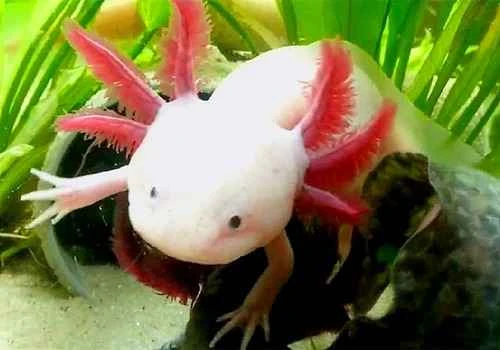
Ambystoma mexicanum: Ambystoma mexicanum is known for its external gills, but it can also breathe through its cloaca to some extent. This allows it to survive in low-oxygen aquatic environments.
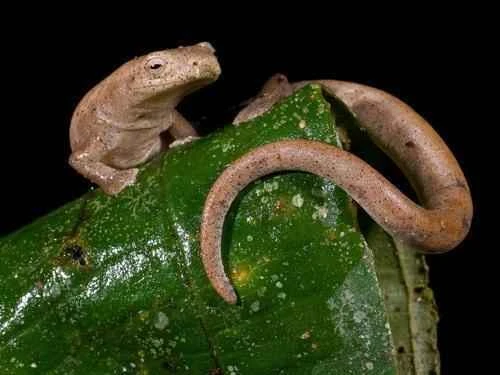
Lungless newts (family Lungless Salamanders): Some newts, especially lungless newts (family Lungless Salamanders), exchange gases through their skin and cloaca. These amphibians absorb oxygen directly through their skin and cloaca, allowing them to remain submerged for extended periods without surfacing to breathe.
9. Various insects
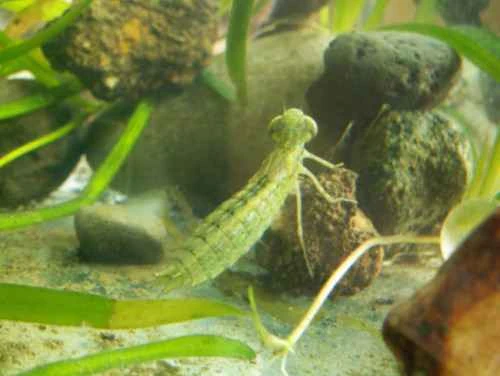
Dragonfly larvae (Anisoptera): Dragonfly larvae live underwater and breathe through their rectum, whose gills help them extract oxygen from the water. The nymphs can also rapidly expel water from their rectum for jet propulsion, enabling them to move quickly through the water.
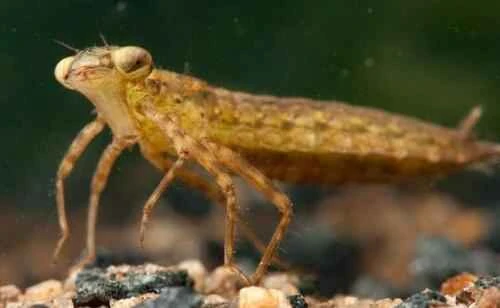
Damselfly nymphs (suborder Zygoptera): Like their dragonfly cousins, damselfly nymphs also have gills at the posterior end, enabling them to extract oxygen from the water and thrive in aquatic environments during their larval stage.
How does cloacal breathing occur?
Cloacal respiration, or posterior respiration, involves the absorption of oxygen through the cloaca or the inner wall of the intestine. The cloaca is a cavity with multiple functions, such as excretion, reproduction, and, in some animals, respiration. Animals with this ability utilize the surface area of their intestines or cloaca to extract oxygen from the surrounding water or air. While this method is not as efficient as lung respiration or gill respiration, it allows these animals to survive in environments where conventional respiratory methods are insufficient.
Why did animals evolve cloacal breathing?
Cloacal respiration is a survival adaptation that allows animals to thrive in environments with low oxygen levels where lung or gill functions are ineffective. This ability is particularly important in the following situations:
Cold climate: In winter, when ponds and rivers freeze over, turtles and amphibians hibernate under the ice and survive by breathing through their cloaca.
Oxygen-deficient waters: Fish and amphibians living in stagnant or low-oxygen waters need alternative breathing methods to survive.
Deep-sea environment: Marine animals such as sea cucumbers use their cloaca to breathe and survive in oxygen-scarce deep-sea habitats.
in conclusion
The ability to breathe through the cloaca demonstrates the remarkable adaptability of animals to both terrestrial and aquatic environments. From sea turtles that use their cloaca to survive underwater during hibernation, to sea cucumbers and fish that extract oxygen from deep waters, these creatures showcase nature's extraordinary capacity for innovation. Understanding these adaptations can provide invaluable insights into evolutionary biology and the diversity of life on Earth.
By protecting these unique species and their habitats, we can ensure that their remarkable survival mechanisms continue to thrive in the wild.