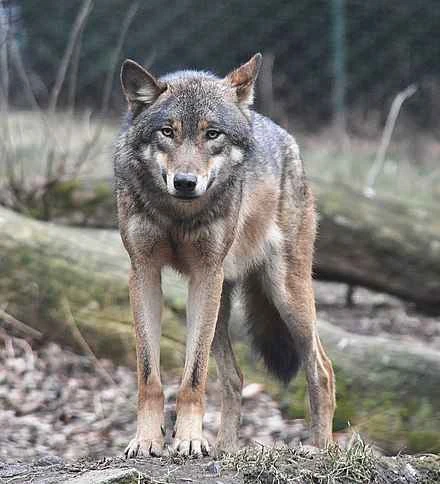
The wolf (scientific name: *Canis lupus*) is a large, pack-living carnivorous mammal belonging to the family Canidae. They hold diverse symbolic meanings in different myths and cultures, often associated with wildness, loyalty, wisdom, and courage. Wolves are the wild ancestors of dogs and share a close genetic link with modern domestic dogs.
Basic features
Size : Wolves are typically 1 to 1.5 meters long, with a tail length of about 40 to 50 centimeters, a shoulder height of up to 80 centimeters, and a weight that varies depending on sex and region, usually between 20 and 80 kilograms.
Appearance : Wolves have a wide range of fur colors, from light gray to brown to black, and even some are white. Fur color and thick fur are key factors in wolves' adaptation to different environments.
Sensor Officer : Wolves possess keen hearing and a keen sense of smell, which helps them locate prey and companions.
Lifestyle
Social Structure : Wolves live in packs, typically called a wolf pack. A wolf pack is led by a pair of alpha wolves (one male and one female), who are usually the only breeding couple in the pack. Other members of the pack include their offspring and other relatives.
Territoriality : Wolves will mark their territory and exhibit strong territoriality towards other wolf packs.
Hunting and Food : Wolves primarily hunt in packs of large ungulates, such as deer, elk, and bison. They also eat smaller prey, such as rabbits, birds, fish, and even insects. Wolves employ hunting techniques involving encirclement, pursuit, and ambush.
Communication : Wolves are known for their unique communication methods, which include howling, body posture, and facial expressions. Howling is used to define territory, gather scattered group members, and communicate within the pack.
Ecology and distribution
Habitat : Wolves are a highly adaptable species, and their habitats are spread across North America, Eurasia, and parts of the Middle East, from the Arctic ice fields to forests, mountains, grasslands, and even deserts.
Population status : Although wolf populations were once threatened in some areas due to environmental destruction and hunting, they have recovered or been protected in many other regions.
Reproduction
Wolves typically breed in late winter or early spring, with litters usually producing 4 to 6 pups. The pups are weaned at about two months old and begin learning hunting and other survival skills from the adult wolves.
Current situation and protection
In many places, wolves are hunted because they are perceived as a threat to livestock, or because of fear and misunderstanding. Many countries and regions have implemented various forms of protection measures, banning or restricting wolf hunting. Environmentalists and scientists are working to improve the wolf's living conditions and promote the concept of peaceful coexistence between humans and wolves.
The relationship between humans and wolves
Although humans have had conflicts with wolves throughout history, increased research into wolves and growing awareness of their conservation have led to a greater understanding of their role in ecosystems. Wolves can promote the health of their food chains and ecosystems, for example, by controlling the populations of herbivores and helping to maintain the ecological balance of grasslands and forests.
The habits and roles of wolves demonstrate their irreplaceable position in nature and the importance of protecting wildlife for maintaining biodiversity and ecosystem health.