Dolphins are aquatic mammals belonging to the family Delphinidae in the order Cetacea. They are closely related to whales and porpoises, and there are approximately 40 species. Dolphins are widely loved for their intelligence, friendly behavior, and the spectacular leaps they often display at the surface of the water. These agile animals are renowned for their exceptional learning abilities, problem-solving skills, and tool-using behaviors.
Basic features
Size : Dolphins are generally between 2 and 4 meters long, while large species such as killer whales (also known as orcas or killer whales, which are a type of dolphin) can grow to more than 8 meters.
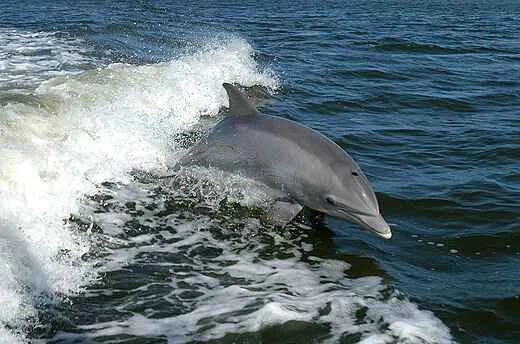
Morphology : They typically have a streamlined body, a pair of pectoral fins and a caudal fin, a raised dorsal fin in the middle, and a short beak that is usually prominent on the head.
Breathing : As mammals, dolphins breathe through a blowhole located on the top of their heads. They are not fish and cannot breathe underwater, so they need to surface periodically to breathe air.
Senses : Dolphins possess exceptional auditory senses, enabling them to detect underwater sound waves and echoes. They also use sound waves for echolocation and communication.
Lifestyle
Sociality : Dolphins are social animals and often live in fixed groups called "dolphin pods" or "dolphin schools". The size of the group ranges from a few individuals to hundreds.
Diet : They primarily feed on fish and squid. Different species of dolphins employ different hunting techniques depending on their habitat and available resources.
Reproduction : Female dolphins typically give birth to only one calf during their gestation period (usually a little over a year) and are able to maintain a close mother-child bond for several years. Calves are usually born head-down to avoid drowning.
Communication : Dolphins communicate using a range of sounds, including clicks, whistles, and other frequencies of sound waves. Each dolphin's "voiceprint" is unique, allowing them to recognize each other through sound.
Habitat
Dolphins are widely distributed in warm waters around the world, especially in temperate and tropical waters. A few species, such as killer whales, can be found in cold polar waters.
Current situation and protection
The survival status of many dolphin species is worrying. Some species are threatened by overhunting, habitat destruction, water pollution, marine noise pollution, and entanglement in fishing nets. To protect dolphins, many countries and regions restrict or ban dolphin hunting, promote sustainable fishing methods to reduce accidental catches, and work globally to protect their habitats.
Human-dolphin interaction
In terms of interaction with humans, dolphins are extremely popular in marine parks and aquariums due to their friendly nature and performative behavior. Furthermore, dolphin therapy—an alternative therapy that utilizes interaction with dolphins as a means of treatment—while not yet widely scientifically validated, has had a positive psychological impact on patients in some cases.
However, marine biologists and conservationists generally discourage interaction with wild dolphins, as this can disrupt their natural behavioral patterns and harm either the dolphins or humans. Protecting the marine environment is not only for dolphins and other marine life, but also for maintaining the overall health of marine ecosystems and the long-term well-being of humanity.