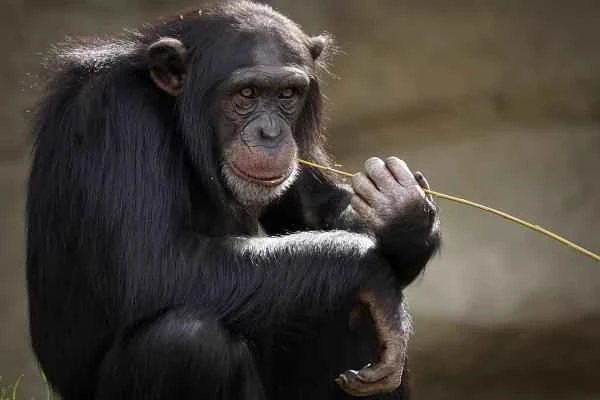
Chimpanzees (scientific name: *Pan troglodytes*) are among the primates most genetically related to humans, and their behavior and intelligence are astonishing. They have long black fur, smooth faces, and hairless hands, stand about 1.5 meters tall, and can walk upright. Despite their close relationship with us, chimpanzees are facing a serious survival crisis, primarily threatened by human activities and environmental change.
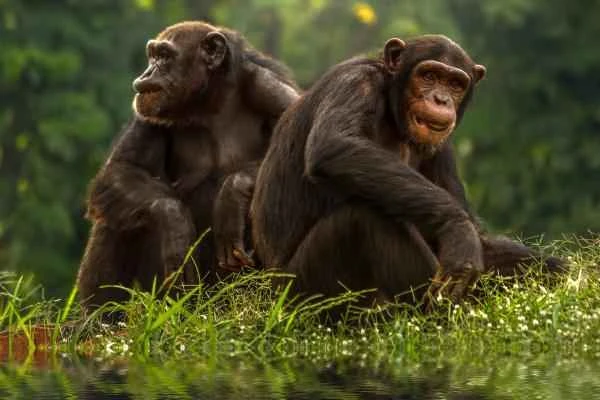
The main reasons for chimpanzee endangerment
1. Direct hunting
Illegal hunting is the greatest threat facing chimpanzees. Lax gun control in Africa has led to rampant illegal hunting. Miners, logging camp workers, and militants frequently hunt chimpanzees for "bushmeat," a preferred prey due to their large size and the large amount of meat they provide.
2. Habitat loss
Until 1990, vast tracts of forest in central Africa remained undeveloped. Deforestation, road construction, and population growth led to a rapid reduction in chimpanzee habitat, forcing them into farmland and further exacerbating human-ape conflict. Habitat loss not only reduced food resources but also intensified competition among chimpanzees and other species.
3. Disease transmission
Chimpanzees are highly susceptible to Ebola virus, which has previously infected 14% of their habitat with extremely high mortality rates. Furthermore, due to their genetic similarities to humans, chimpanzees are also susceptible to respiratory diseases such as anthrax from humans. To prevent the spread of disease, tourism activities must be strictly limited.
4. Other threats
Hunting orphans the young, some of whom are illegally sold as pets. Although some organizations rescue them, it is difficult to replace the care provided by the mother gorilla.
Farmers view chimpanzees as a threat to their crops and often use poison to drive them away, further threatening their survival.
Global chimpanzee population status
Chimpanzees are divided into four subspecies, with the following populations:
P. t. troglodytes: Approximately 140,000
P. t. ellioti: 6,000–9,000 individuals
P. t. schweinfurthii: 181,000–256,000 individuals
P. t. verus: 18,000–65,000
Among them, *P. t. ellioti* is the least numerous, while *P. t. schweinfurthii* is relatively safe. The distribution areas of each subspecies differ, and the threats they face also vary.
How can we help chimpanzees?
Conservation efforts require governments and international legislative bodies to promote relevant laws and severely punish illegal hunting and habitat destruction. At the same time, raising public awareness is also crucial. People living on the African continent have a more direct impact on conservation, while those further afield can raise their voices through advocacy and support for conservation projects.

Several organizations accept donations to support chimpanzee conservation, such as Project Chimps and the Jane Goodall Institute; any amount of donation contributes to conservation efforts.
To learn more, please read "Why Protecting Endangered Animals Is Crucial".