Praying mantises (Mantodea) are renowned for their "praying" forelegs and lightning-fast hunting speed, making them "natural hunters" in gardens and farmlands. This article systematically reviews the physical characteristics, behavior, ecology, global distribution, and life history of praying mantises. It also selects common and popular ornamental species, provides pictures and key points for image selection, basic care information, and answers to common questions, helping readers gain a comprehensive understanding of praying mantises in one article.
index
What is a praying mantis? Morphology and key identification points.
Behavioral ecology: camouflage, predation, and reproduction
Distribution and life history: from oothecae to adult
A comprehensive list of common mantis species in the world
Relationship with Humans: The Value of Beneficial Insects and Introduction to Their Care
Frequently Asked Questions (FAQ)
References and Compliance Tips
1. What is a praying mantis? Morphology and key identification points.
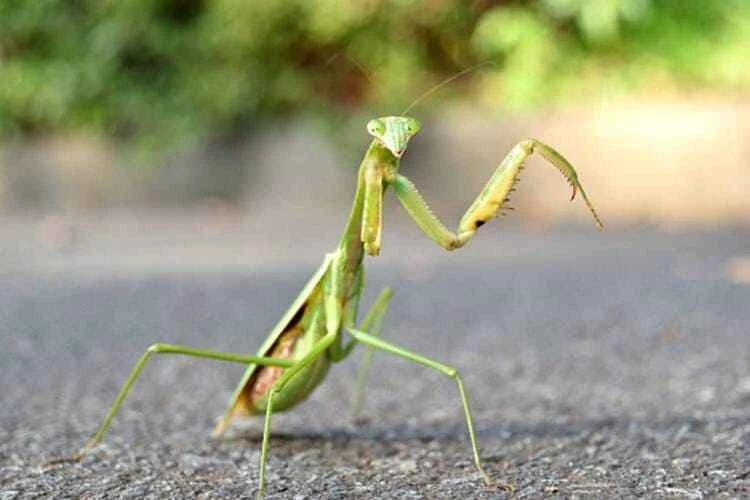
Taxonomic classification : Mantodea, closely related to cockroaches and termites; more than 2,400 species have been recorded worldwide.
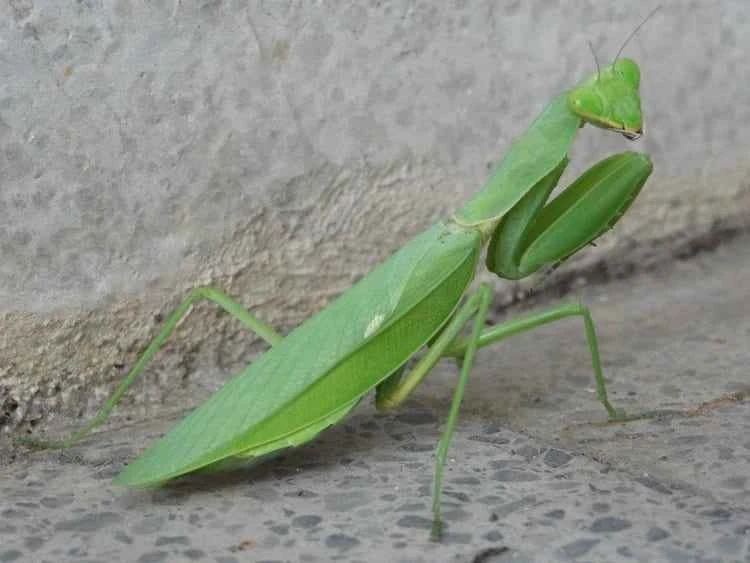
Key features : triangular head, flexible neck, well-developed compound eyes and simple eyes, predatory forelegs (sickle-shaped) , slender thorax, and excellent camouflage.
Key identification points :
Foreleg spikes : used to lock onto and pierce prey;
Wings and body shape : Females are more robust, while males are better fliers;
Camouflage forms : diverse shapes such as leaf form, withered leaf form, flower form, and bark form;
Warning display (intimidation) : Spreading the forechest and wings, revealing eye spots or bright colors to enhance deterrence.
2. Behavioral ecology: camouflage, predation, and reproduction
Camouflage and stealth : Most "ambush predators" rely on stillness and subtle swaying to simulate the movement of leaves in the wind; the flower and dead leaf forms are especially common in tropical rainforests.
Predation strategy : Visually guided, using stereoscopic vision and sudden thrusts to prey on flies, moths, bees, locusts, etc.; larger species occasionally prey on smaller lizards or their own kind.
Courtship and mating : There are reports of sexual dimorphism and cannibalism in some species; females cannibalism is not inevitable in the wild, but the probability increases under malnutrition or environmental stress.
Defense : Intimidation display, feigning death, leaping away; a few have eye-spots or wing-beating sounds.
3. Distribution and life cycle: from oothecae to adult
Global distribution : Most abundant in tropical and subtropical regions, with native species (such as the European mantis and the Chinese mantis) commonly found in temperate regions.
Life cycle : ootheca → nymph molts multiple times → adult ; complete and incomplete metamorphosis , nymphs resemble adults but have no wings or underdeveloped wings.
Egg case characteristics : foam-solidified shell, which is conducive to overwintering or preventing dryness; identifying the location of egg cases helps monitor local populations.
Lifespan : Mostly around 1 year, but tropical strains can live longer under proper breeding conditions.
4. A Comprehensive List of Common Mantis Species Worldwide
A. Leaf appearance/withered leaf appearance and "ghost style"
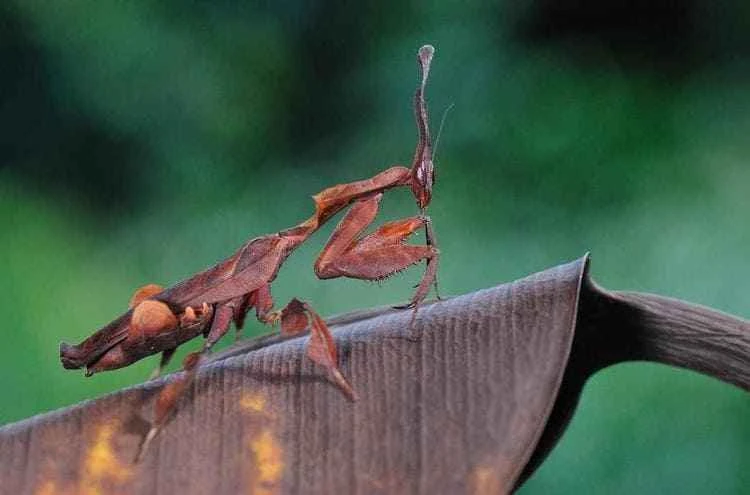
Ghost mantis ( Phyllocrania paradoxa , Ghost mantis) – Africa; its body is covered in withered leaf fragments, giving it a unique silhouette.
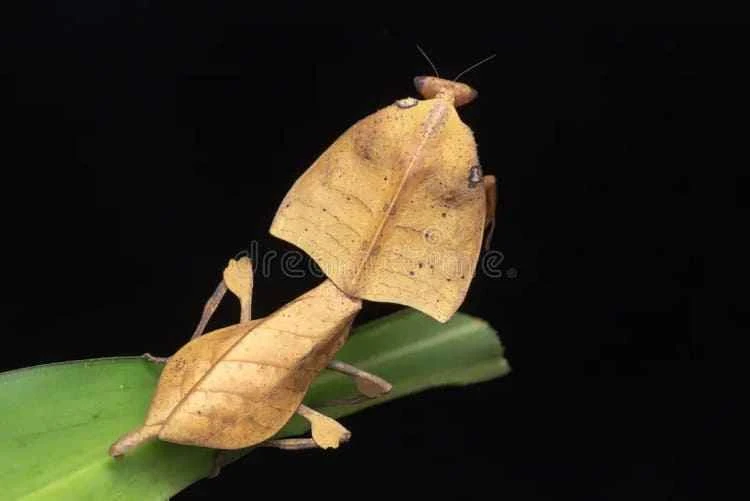
Dead leaf mantis ( Deroplatys desiccata , Dead leaf mantis) — Southeast Asia; large leaf-shaped thorax and back.
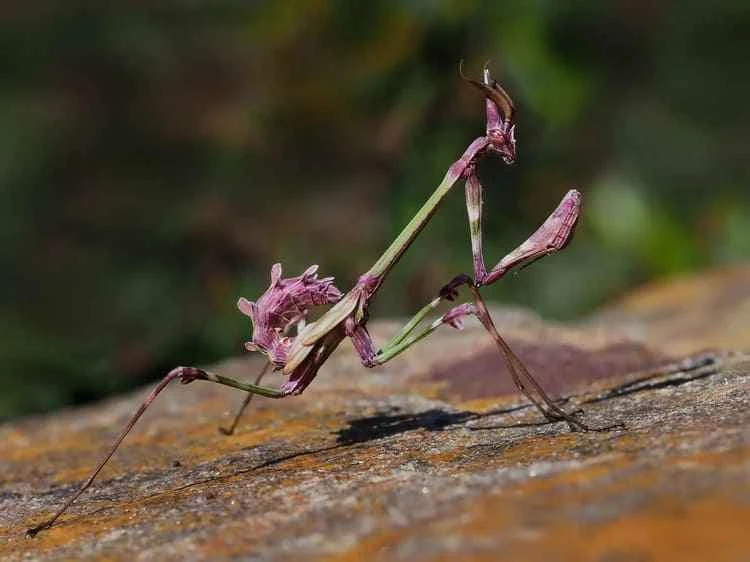
Feathered Mantis ( Empusa pennata ) — Mediterranean coast; with leaf-like protrusions on its head and a slender body.
B. Flower form/imitation of a popular online flower shape
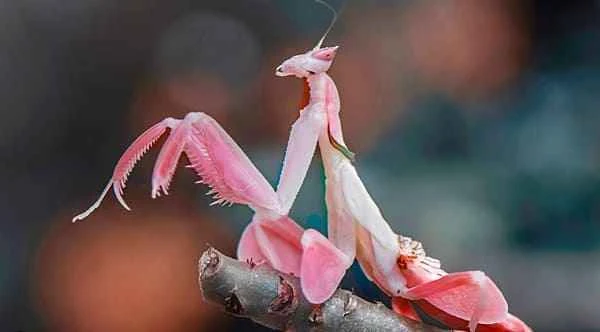
Orchid mantis ( Hymenopus coronatus , Orchid mantis) – Malay Archipelago; pinkish-white petal-like appearance.
Devil's Flower Mantis ( Idolomantis diabolica ) — East Africa; large in size, with a menacing display and vibrant colors.
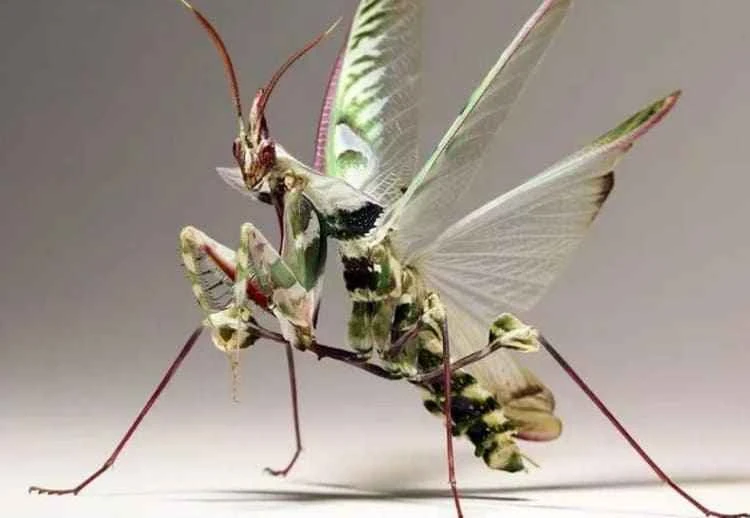
Jewel Mantis ( Ceobroter gemmatus ; Pseudocreobotra wahlbergii ) — South Asia/East Africa; forewings with rounded "eyespots".
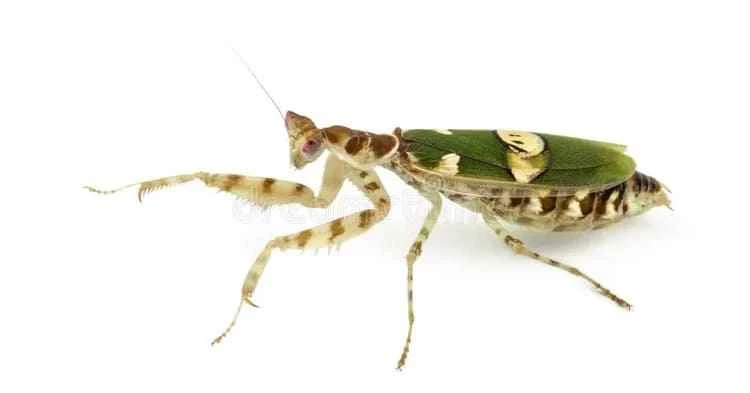
C. "Large-sword mantis" and common garden types
The Chinese mantis ( Tenodera sinensis ) is native to East Asia and has been introduced to North America; it is large in size and highly adaptable.
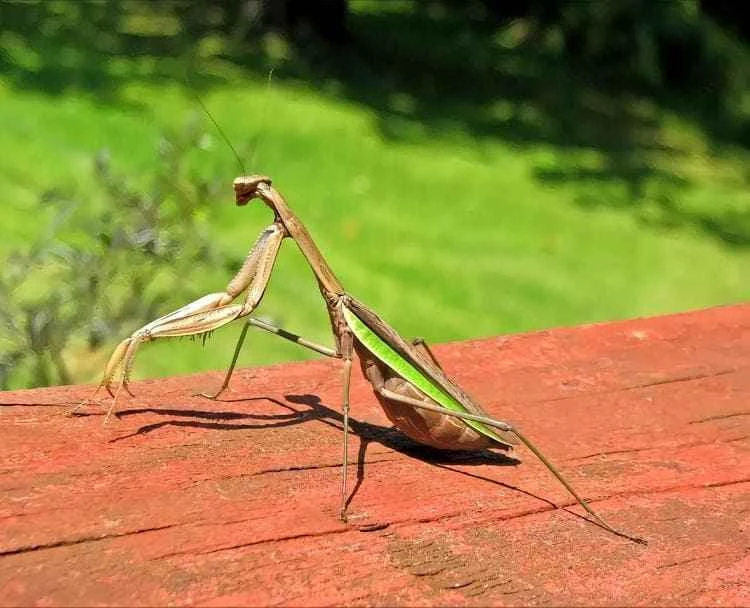
Narrow-winged mantis ( Tenodera angustipennis ) – East Asia; with narrower wings and a slender body.
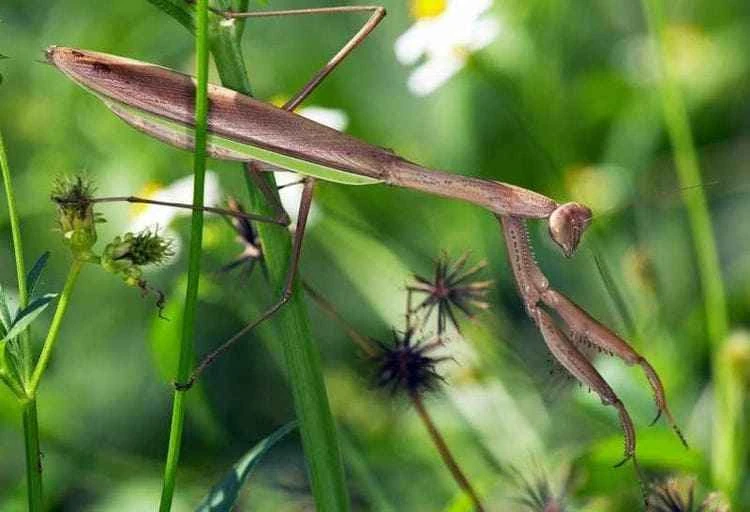
African mantis ( Sphodromantis lineola , African mantis) — Africa; easy to keep, active personality.
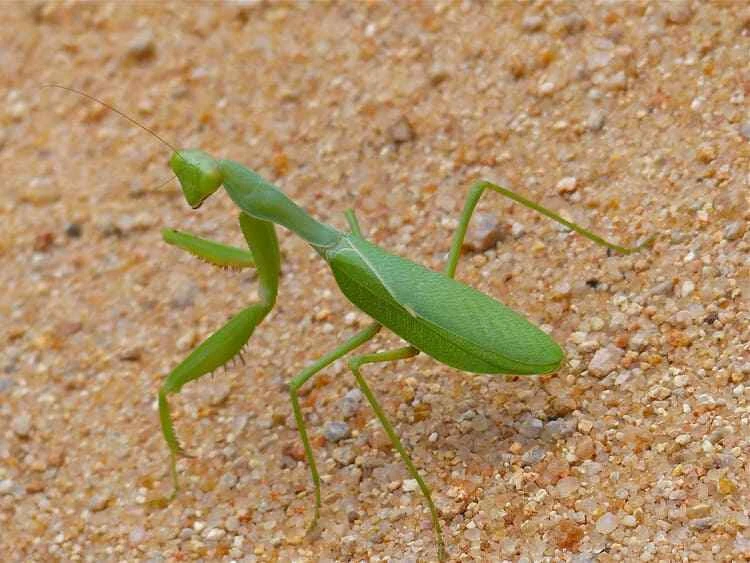
Giant Mantis/Green Giant Mantis ( Hierodula membranacea ; H. majuscula ) — South Asia/Australia; robust and active.
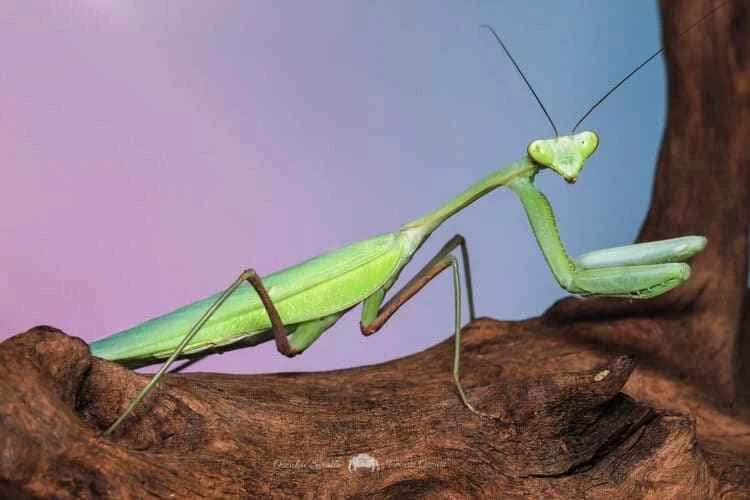
D. Temperate zone representatives and native "stars"
European mantis ( Mantis religiosa , European mantis) – Eurasia; its thorax and back are in a "praying" posture.
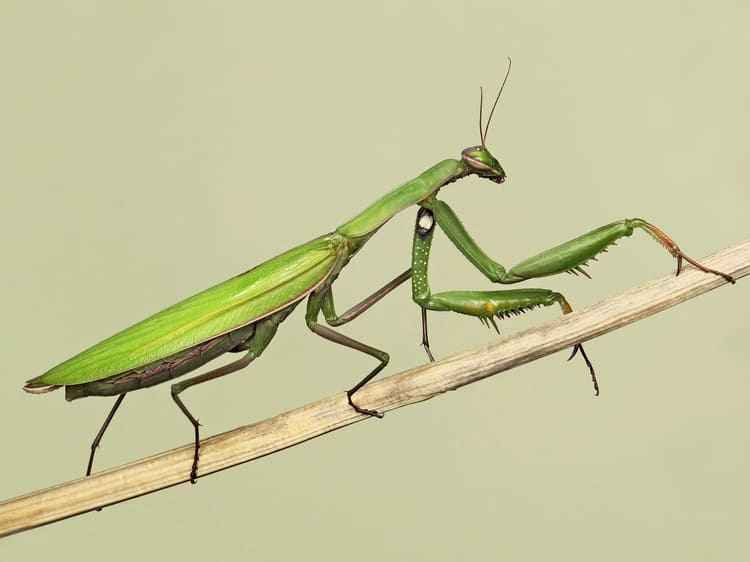
American mantis ( Stagmomantis carolina, etc.) — North America; body color varies.
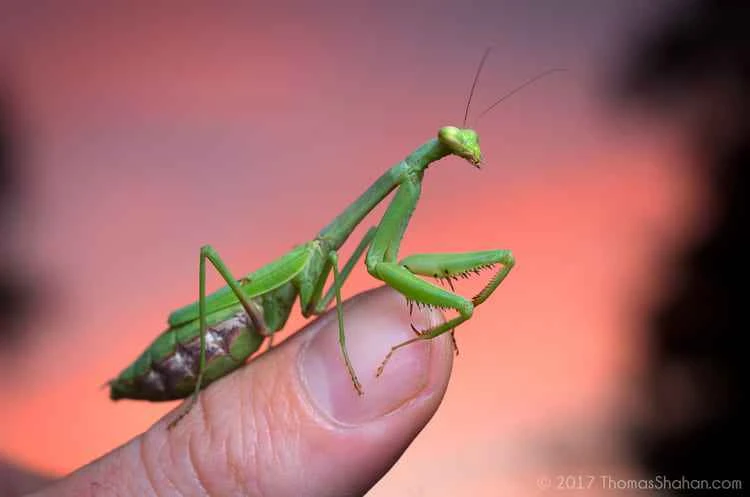
5. Relationship with Humans: The Value of Beneficial Insects and Introduction to Their Care
Ecological and agricultural value : Most mantises feed on insects and can control insects naturally , but they also prey on "beneficial insects" such as bees and ladybugs. Overall, they are still mainly ecological balancers .
Observation and popular science : Diverse forms and observable behaviors make it suitable for school and nature education.
Basic Guide to Keeping Your Animals (Overview) :
Environment : ventilated feeding box, vertical climbing surface, avoid sharp angles; temperature and humidity should be adjusted according to the place of origin (tropical regions are generally warmer and slightly more humid).
Feeding : Primarily live small insects; feed small amounts frequently to avoid overfeeding; clean up uneaten food regularly.
Solo keeping : Most species have a tendency to cannibalize each other, so keeping them separately is safer.
Molting : Sufficient hanging space is required; do not disturb or feed during the molting period.
Legality and compliance : Follow local regulations on invasive species and wildlife , and do not release or collect protected species in the wild.
6. Frequently Asked Questions (FAQ)
Q1: Do praying mantises bite?
A: It mainly preys on insects and will not attack people unless provoked; when startled, it may use its forelegs to hook and grasp, so pay attention to how it holds you.
Q2: Will females always eat males?
A: Not necessarily; the probability is higher when there is insufficient nutrition or environmental stress; adequate feeding under experimental conditions can significantly reduce the risk.
Q3: Is it okay to release a foreign praying mantis into the wild?
A: It is not recommended and may be illegal . Releasing invasive species will impact the local ecosystem and species security.
Q4: What should I do if I find an egg case at home?
A: It can be protected in situ and hatch naturally in spring; if it needs to be moved, it should be fixed together with the supporting branches at a similar environmental height.
Q5: Why is there such a big difference in color?
A: It is related to age, sex, environmental humidity and background color ; some species have reversible color change adaptations.
7. References and Compliance Tips
This article is for popular science and observation/identification purposes only. For specific species details, please refer to authoritative classification databases and local lists.
Please comply with local regulations on wildlife protection and invasive species management when collecting, transporting, or commercially raising animals; exercise caution when purchasing live animals from unknown sources online.