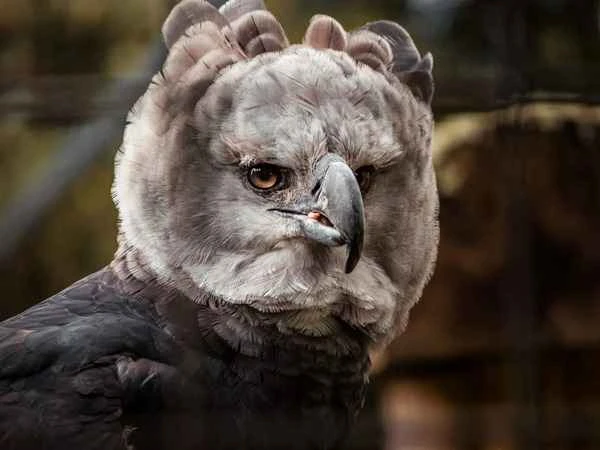
The harpyja (Harpia harpyja) is one of the most powerful and fearsome birds of prey on Earth. This majestic bird, renowned for its incredible strength, imposing presence, and keen hunting skills, reigns supreme in the skies of its rainforest habitat. In this article, we delve into the impressive characteristics of the harpyja, highlighting its power, size, aggression, and the current conservation status of this magnificent creature.

physical strength and body shape
The harpy eagle is often hailed as the most powerful eagle on Earth, and it holds that title with authority. Its imposing size is a key factor in its dominance in the wild. Adult harpy eagles weigh between 6 and 10 kilograms (13 to 22 pounds), with females being larger and heavier than males. This bird has a wingspan of up to 2 meters (6.5 feet), and its size and strength are sufficient to hunt large prey such as monkeys, sloths, and even small deer.
One of the most striking features of the harpy eagle is its enormous claws. Its hind claws can grow up to 4 inches long, roughly the size of a grizzly bear's paw. These claws are designed to exert tremendous pressure, allowing the harpy eagle to quickly subdue its prey mid-air. The harpy eagle's grip strength exceeds 50 kilograms, enough to easily crush bones. This immense power places the harpy eagle at the top of the food chain, with virtually no natural competitors.
Aggression and hunting skills
Besides its size and strength, the harpy eagle is also known for its aggressive hunting tactics. Unlike many birds of prey that rely on speed or stealth, the harpy eagle uses brute force to subdue its prey. Its hunting techniques are often described as ambush predation. The eagle patiently waits on a high perch before launching a surprise attack on its unsuspecting prey below.
Once it strikes, the harpy eagle's speed and precision are unparalleled. Despite its enormous size, it can move through dense forests without losing momentum, a testament to its agility. When hunting prey, the harpy eagle often flies to the top of the treetops, swooping down swiftly when it detects movement, seizing its prey in flight or plucking it from the tree with unparalleled precision.
Distribution and Habitat
Harpy eagles' native habitat extends from Mexico to Central and South America, with most populations residing in the rainforests of Brazil, Panama, and Colombia. They prefer lowland tropical rainforests, especially dense, tall wooded areas where they can find ample prey and nesting opportunities. These birds are frequently seen below 2,000 meters (6,500 feet) in elevation, although they tend to prefer lower altitudes.
Harpy eagles are highly sensitive to habitat destruction because they rely on large tracts of undisturbed forest. Deforestation and human encroachment have significantly reduced harpy eagle populations in many areas. The continued loss of rainforest habitat poses a major threat to the species' survival as it limits their hunting grounds and nesting sites.
Protect the status quo and threats
Currently, the harpy eagle is listed as Near Threatened on the International Union for Conservation of Nature (IUCN) Red List. Although not yet critically endangered, its numbers are declining due to factors such as deforestation, poaching, and habitat fragmentation. It is estimated that there are fewer than 50,000 wild harpy eagles, with some populations more endangered than others.
Conservation efforts for harpy eagles are underway, including habitat restoration projects and captive breeding programs. In countries like Brazil and Panama, the harpy eagle has become a symbol of conservation, and organizations are working to educate the public about the importance of protecting this apex predator. Protecting its natural habitat is crucial to ensuring the species' survival.
The role of harpy eagles in the ecosystem
As apex predators, harpy eagles play a vital role in maintaining ecosystem balance. By preying on species such as monkeys, sloths, and large birds, harpy eagles help regulate these animal populations, prevent overgrazing, and ensure the diversity and health of rainforests. The disappearance of harpy eagles could have ripple effects throughout the ecosystem, disrupting the delicate balance of the food chain.

With its massive size, fierce hunting strategies, and unparalleled strength, the harpy eagle truly lives up to its reputation as the strongest eagle on Earth. However, despite its dominance in the wild, the harpy eagle faces significant challenges in the modern world. Habitat loss and migration threaten its survival, making the conservation of this awe-inspiring species more important than ever.
Conservation efforts are crucial to protecting the harpy eagle for future generations. By raising awareness of the threats it faces and implementing sustainable land-use practices, we can help ensure this majestic bird of prey continues to reign supreme over the world's rainforests.
Harpy Eagle and Golden Eagle: A Comparative Analysis
Both the harpy eagle and the golden eagle are impressive birds of prey, but they possess unique characteristics. The following comparative analysis aims to determine which eagle excels in various aspects.
| feature | Horned Eagle | Golden Eagle |
|---|---|---|
| scientific name | Harpia harpyja | Aquila chrysaetos |
| weight | 6 to 10 kilograms (13 to 22 pounds) | 3 to 6.5 kg (6.6 to 14.3 lbs) |
| span | Up to 2 meters (6.5 feet) tall | 1.8 to 2.3 meters (5.9 to 7.5 feet) |
| Habitat | tropical rainforest | Mountains, hills and open areas |
| prey size | Large mammals (monkeys, sloths) | Medium-sized mammals (rabbits, foxes) |
| Hunting skills | Ambush predators | Soaring and bending |
| Aggressive | Very aggressive | It is aggressive, but not as aggressive as a harpy eagle. |
| Protection status | Near Danger | No danger |
| Geographical range | Central and South America | Northern Hemisphere (Europe, Asia, North America) |
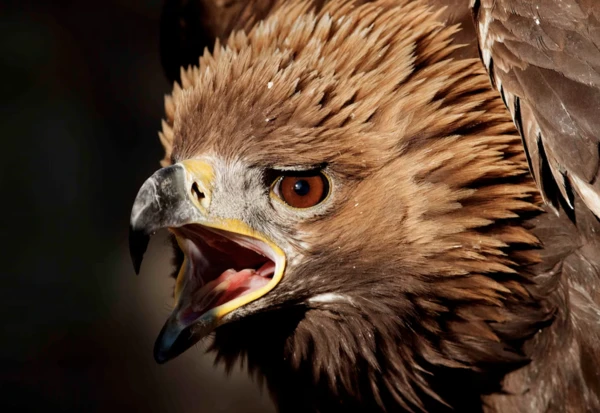
In terms of strength and size, the harpy eagle is superior, especially in its ability to hunt larger prey. However, the golden eagle exhibits remarkable versatility and excels in a variety of habitats. Both species are incredible in themselves, but the harpy eagle holds the dominant position in terms of power and dominance within its specific environment.