On this earth, from the poles to the tropics, from forests to deserts, there is a type of tiny creature that is ubiquitous—the beetle. Whether you find them cute, strange, or frightening, the presence of beetles is far more powerful than you imagine.
Let's explore 10 amazing truths about beetles, the "king of insects"!
1. One in every four animal species on Earth is a beetle!
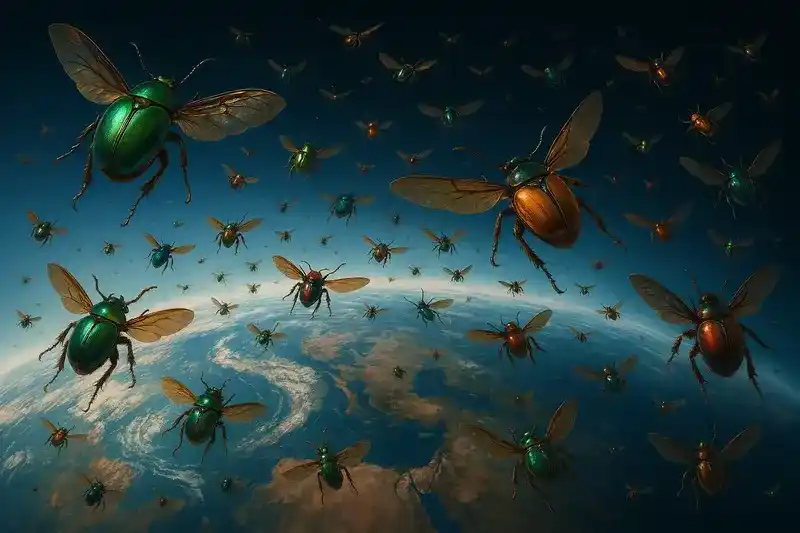
There are over 350,000 known species of beetles worldwide, and scientists estimate the actual number could be as high as 3 million ! In terms of sheer numbers, they are practically the dominant species in the animal kingdom. If you randomly open a children's animal encyclopedia, beetles are almost guaranteed to appear on the first page.
2. They are almost everywhere.
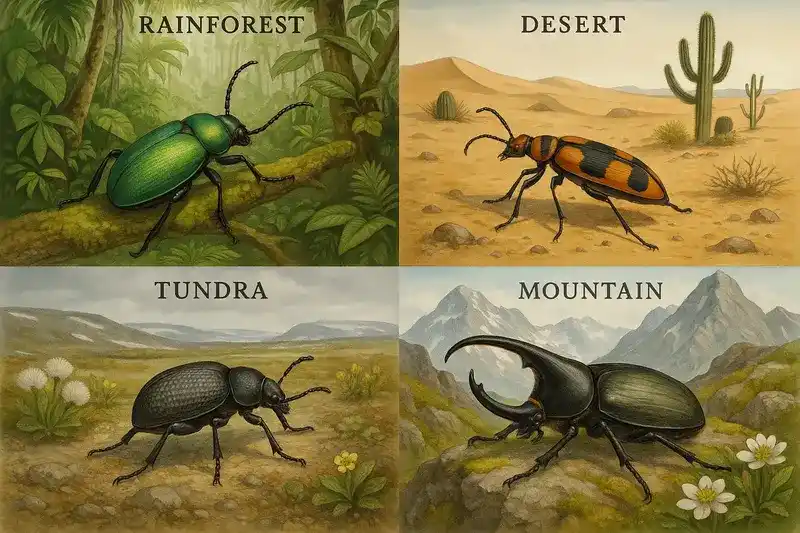
From tropical rainforests and desert mountains to grasslands, wetlands, and even remote islands, you can find beetles. Biologists jokingly say, "If God has a favorite creature, it must be the beetle."
3. They are wearing "armor".
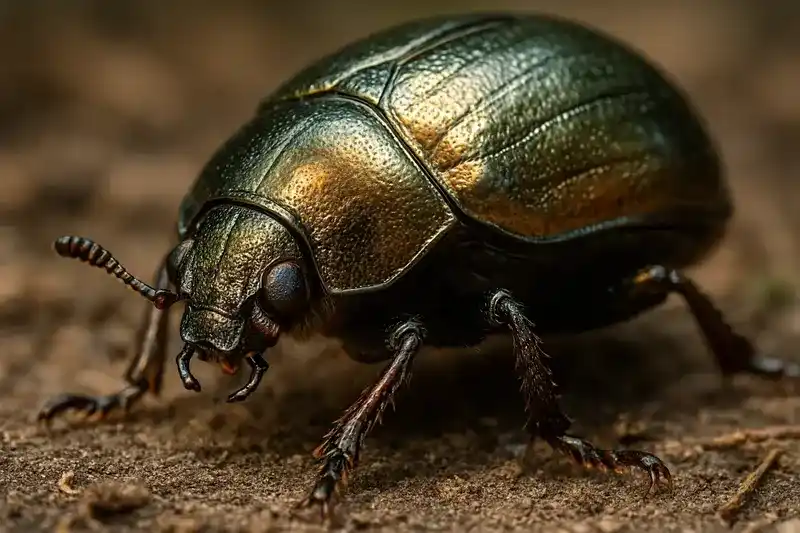
Beetles' forewings have evolved into hard elytra, acting like a warrior's shield to protect their vulnerable flight wings and abdomen. This unique structure is a major asset for their survival in nature.
4. Sizes range from the size of a pinhead to the size of a palm, the possibilities are endless.
The smallest beetle is only 0.25 millimeters long, almost invisible to the naked eye; while the largest South American Titan beetle can reach 20 centimeters in length, about the size of an adult's palm!
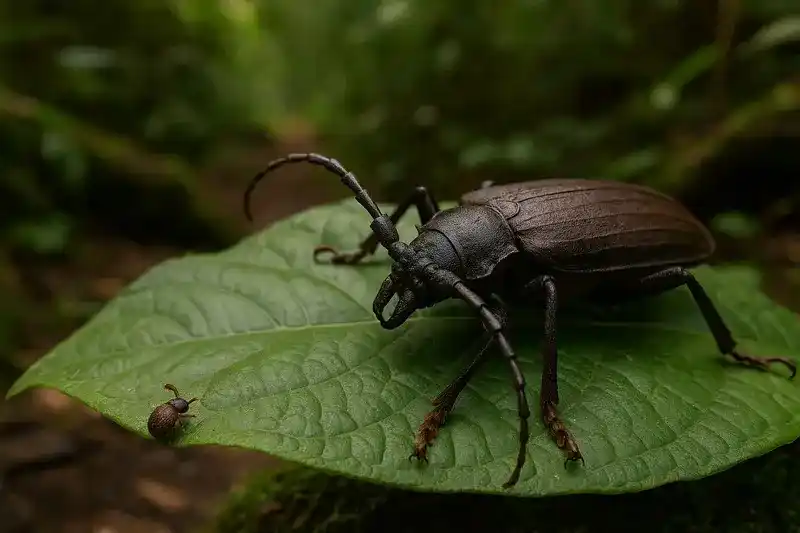
5. They are "chewing masters".
Unlike butterflies that drink nectar through straws, all beetles have well-developed chewing mouthparts. They can devour plants, carcasses, fungi, and even other insects with great relish. Incidentally, the word "beetle" comes from the Old English "bitela," meaning "little nibble"!
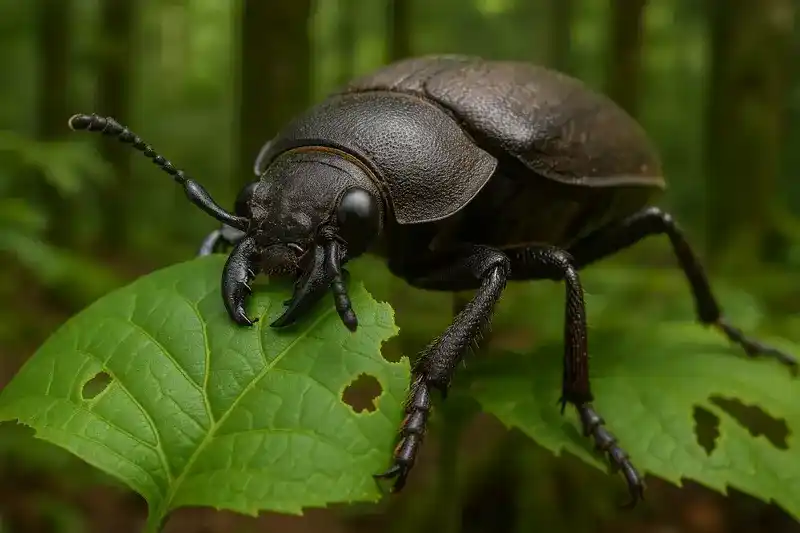
6. Major players influencing the economy
Some beetles are major enemies of agriculture, such as longhorn beetles on pine trees, root borers in cornfields, and potato beetles... They cause losses of up to billions of dollars every year. You may have even "contributed" money to agriculture, for example, by buying traps to catch scarab beetles.
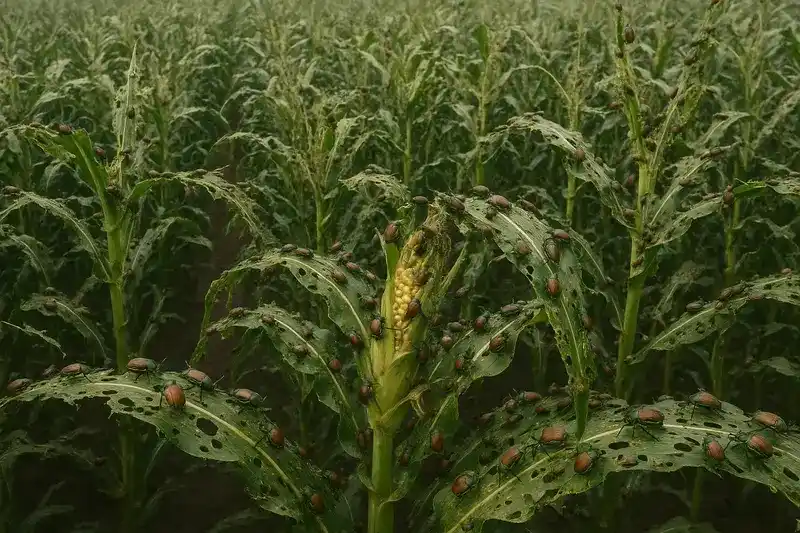
7. Some beetles can make sounds.
Although they don't "sing a song" like cicadas, some beetles will tap on wood, some will rub their wings to make sounds, and some will even "scream" when caught. For example, the ten-lined scarab beetle will "waa waa" when caught, as if in protest.
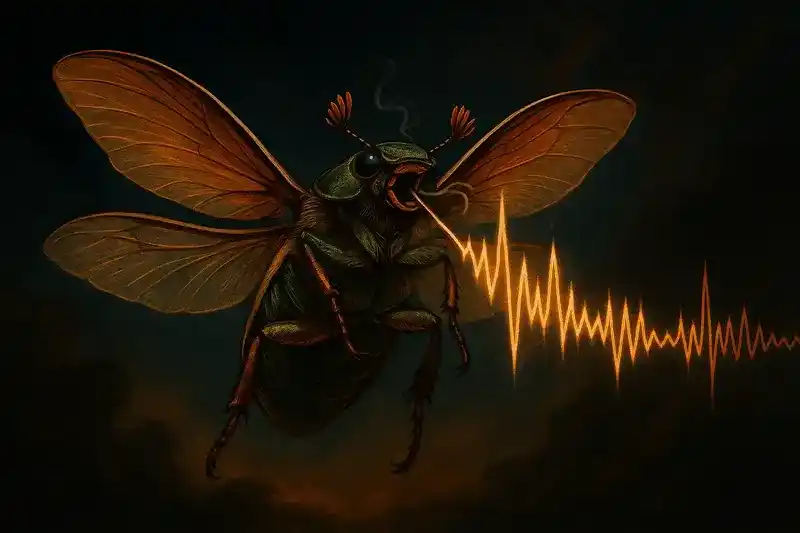
8. Some beetles glow!
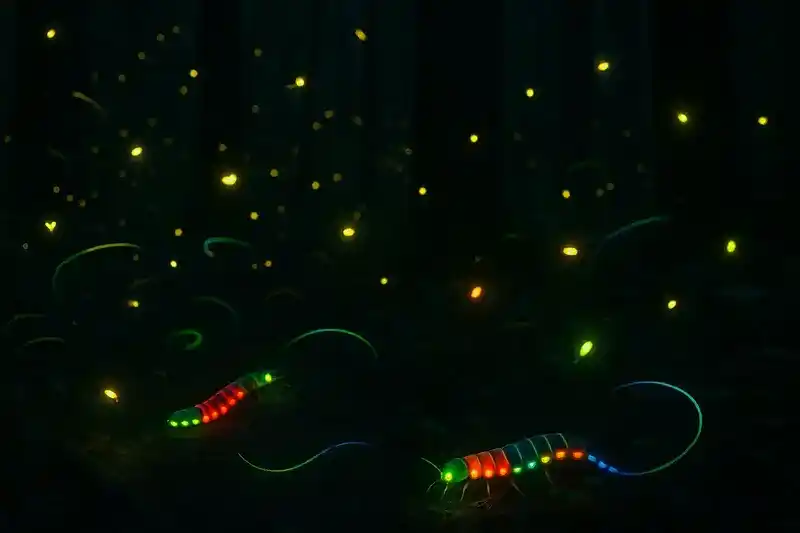
Fireflies are members of the beetle family. Their abdominal light-emitting organs emit light through a chemical reaction called luciferase. Some tropical beetles even glow all over, like "walking light bulbs."
9. Weevils with long noses are also beetles.
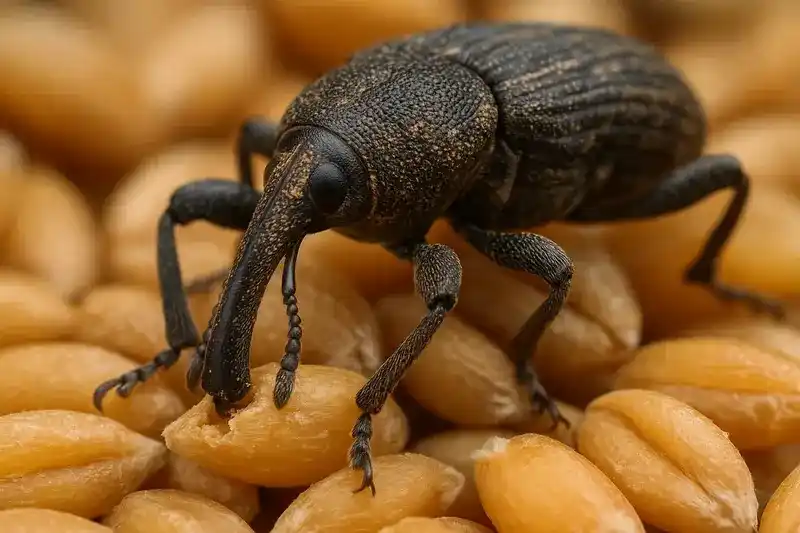
Don't be fooled by its "long nose"—the weevil is actually a type of beetle. Its mouthparts are hidden on the long "nose tip," and it is adept at gnawing on plants; many are also major agricultural pests.
10. They have ruled the Earth for 270 million years!
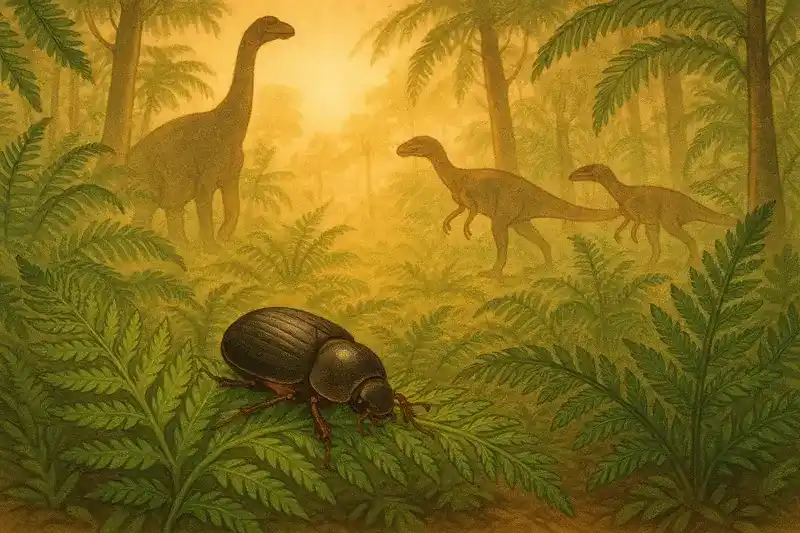
Beetles existed long before dinosaurs. They survived continental drift and mass extinctions, yet they still thrive. This incredible adaptability is truly admirable.
Summarize
Beetles, though tiny, are an indispensable part of nature. Their numbers, distribution, evolutionary history, and ecological roles are astonishing. Next time you see a beetle, take a moment to observe this "natural wonder" hidden all around us.
Source of information
"Insects: Their Natural History and Diversity," by Stephen A. Marshall
The seventh edition of *Introduction to Insect Research*, edited by Borror and DeLong, by Charles A. Triplehorn and Norman F. Johnson.
The Encyclopedia of Insects, edited by Vincent H. Resh and Ring T. Carde.
"Pterygmy Beetles—Insecta: Coleoptera: Pterygidae," University of Florida. Accessed December 13, 2012.
"Coleoptera: Largest, Smallest? How Many Species of Beetles Are There?", Coleoptera website. Accessed December 13, 2012.
"Plant Pests: The Greatest Threat to Food Security?", BBC News, November 8, 2011. Accessed December 13, 2012.
"An Introduction to Bioluminescent Beetles," by Dr. John C. Day, Centre for Ecology and Hydrology (CEH), University of Oxford. Accessed: December 17, 2012.
"Fireflies" and "Railway Worms", University of Florida, accessed December 17, 2012.