Butterflies, these beautiful insects, belong to the order Lepidoptera. Adult butterflies and moths possess brightly colored wings and are among the most delightful creatures in nature. In contrast, butterfly larvae—caterpillars, inchworms, leafrollers, etc.—are often considered pests because they feed on crops.
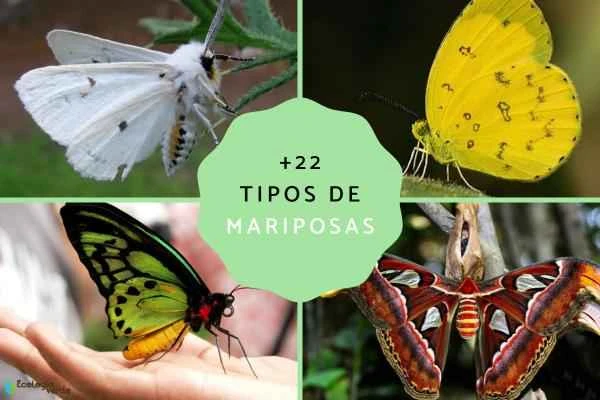
There are as many as 145,000 known species of butterflies and moths worldwide, second only to beetles, making them the second largest group of insects. The most distinctive feature of butterflies is their two pairs of membranous wings covered with tiny scales, from which the term "scaly-winged" originates.
This article will introduce you to 22 common butterfly species and explain their classification methods and main identifying features, helping you easily recognize the beautiful creatures around you.
I. Classification and Basic Characteristics of Butterflies
Butterfly classification:
According to a broad classification method, Lepidoptera can be divided into two main categories:
Butterflies (Rhopalocera): Approximately 25,000 species, mostly diurnal, and brightly colored.
Moths (Heterocera): Approximately 120,000 species, mostly nocturnal, with relatively dull colors.
The main differences between the two:
Activity time: Butterflies are active during the day, while moths are active at night or at dusk.
Antennae shape: Butterfly antennae are enlarged at the ends, while moth antennae are diverse and may be feathery, filamentous, or serrated.
Wing color: Butterflies have bright colors, while moths are mostly brownish-gray or dark.
Resting posture: Butterflies hold their wings upright when resting, while moths often spread their wings flat or cover their bodies in a roof-like shape.
Pupal protection: Butterfly pupae are exposed and called "pupa" or "butterfly pupa"; moth pupae are mostly wrapped in silk cocoons or hidden in fallen leaves or soil.
II. Introduction to 22 Common Butterfly Species and Their Characteristics
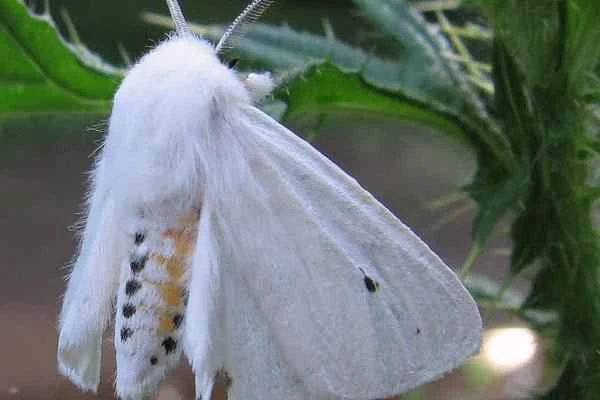
1. White-haired tiger moth (Spilosoma virginica)
The adult insect is entirely white with black spots. The larvae, commonly known as "caterpillars," have dense, non-prickly hairs and are somewhat resistant to pesticides. They mainly damage crops such as sunflowers and soybeans.
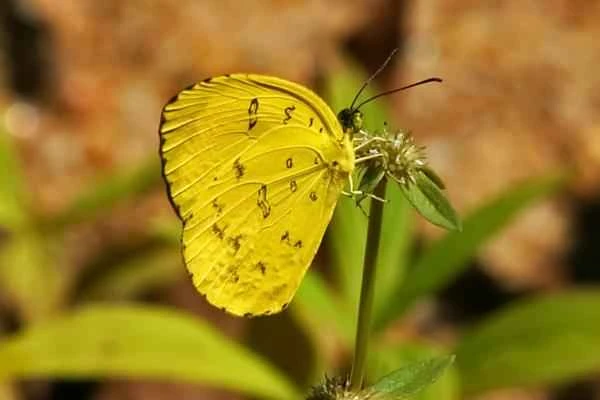
2. Yellow Grass Butterfly (Eurema hecabe)
Widely distributed in Asia, Australia, and Africa. Adults mostly fly low over grasslands, with bright yellow wings that darken in summer and lighten in winter. Females are slightly larger and paler in color. Larvae prefer the tender leaves of Euphorbiaceae and Fabaceae plants.
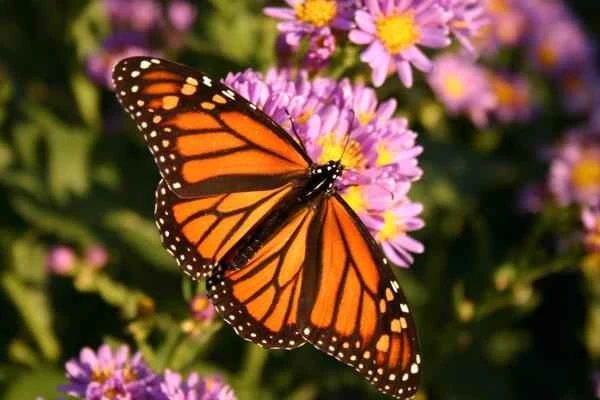
3. Monarch butterfly (Danaus plexippus)
It is famous for its migratory behavior, traveling up to 4,500 kilometers annually between North America and Mexico. Adults are orange and black with white spots along the wing edges. In recent years, due to climate change and habitat loss, it has been listed as an "endangered species."
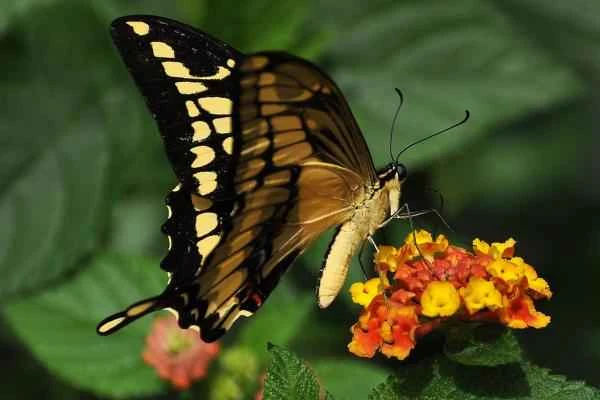
4. Citrus Swallowtail (Papilio thoas)
It is relatively large, with striking yellow diagonal stripes on its black wings and a tail-like projection on its hindwings. The larvae feed on citrus plants, and in their larval stage, they camouflage themselves to resemble bird droppings to avoid predators. The adults are major pollinators for many flowers.
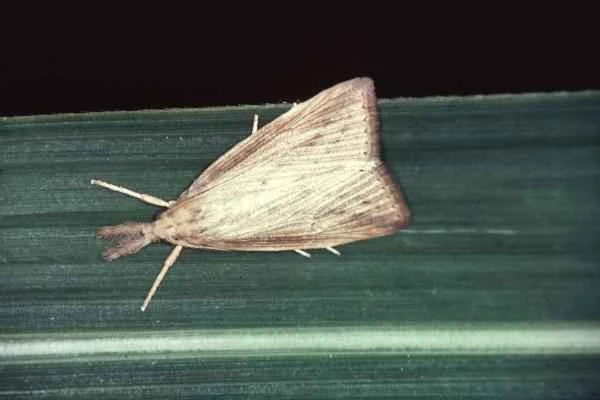
5. Sugarcane borer (Diatraea saccharalis)
Belonging to the moth family, the larvae are a significant pest of crops such as corn, sorghum, and sugarcane. The adults are brownish-yellow with V-shaped black spots on their forewings. The larvae initially feed on leaves before burrowing into the stems to cause damage.
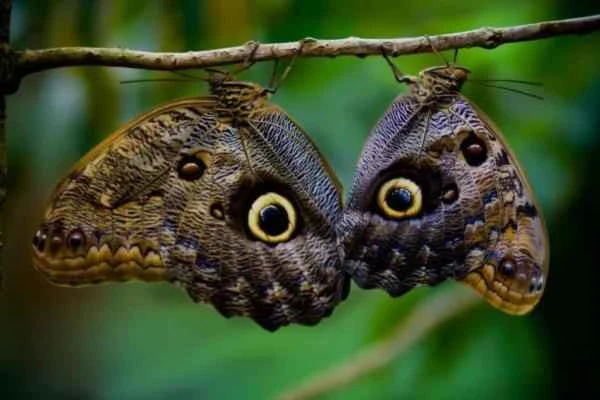
6. Owl butterfly (Caligo memnon)
The wings have circular patterns resembling owl eyes, which can scare away predators. They are large and active at dusk. The larvae live in groups and often feed on plants such as bananas and tamarisk, while the adults feed on rotting fruit.
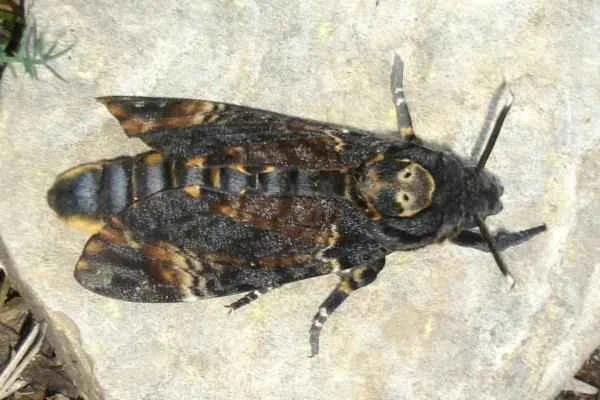
7. Death Butterfly (Acherontia atropos)
Also known as the "Skull Moth," it is distributed in Africa and Europe. Its thorax has a skull-like pattern, which is considered an ominous sign. Adults are nocturnal and can sneak into beehives to steal honey; the larvae are large and brightly colored.
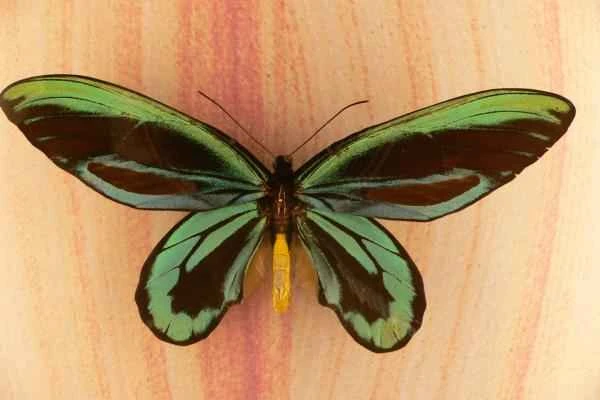
8. Queen Alexandra Butterfly (Ornithoptera alexandrae)
The world's largest butterfly, with a wingspan of up to 27 centimeters. The male is brightly colored, while the female is larger and darker in color. It is found in Papua New Guinea and is a national treasure of the region.
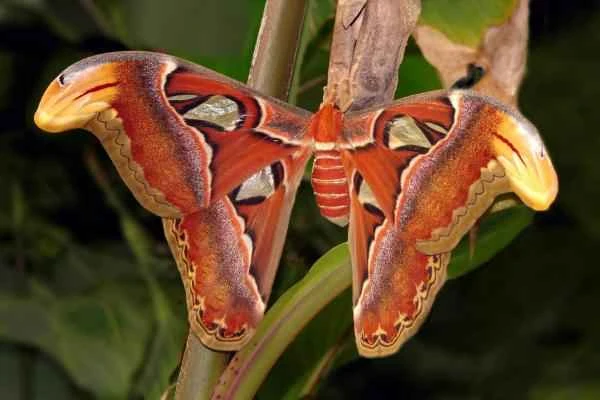
9. Atlas moth (Attacus atlas)
It boasts the world's largest wing area, reaching 400 cm² per wing, and is distributed in Southeast Asia and India. The forewings are shaped like snake heads, allowing it to mimic snake movements to scare away predators when startled. Adults have degenerate mouthparts and do not feed.
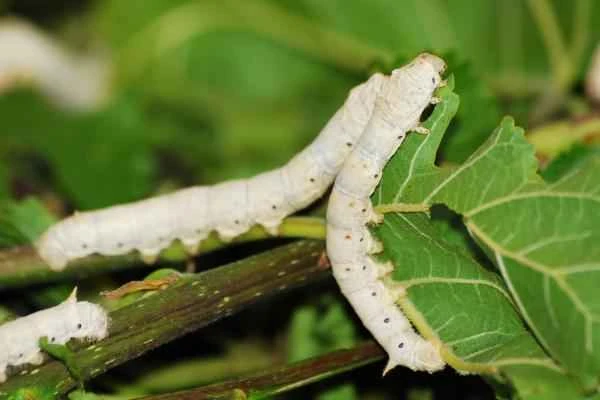
10. Domestic silkworm (Bombyx mori)
The most economically valuable moth is an ancient domesticated species originating in China. The larvae feed on mulberry leaves and spin a long, continuous silk thread when forming a cocoon, which is an important raw material for silk production.
Brief list of other common butterflies and moths
Zebra butterfly (Heliconius charithonia)
Queen Butterfly (Danaus gilippus)
Spiderwing Butterfly (Leptotes marina)
Glasswing butterfly (Greta oto)
Peacock butterfly (Inachis io)
Graellsia isabellae
Purple Morpho butterfly (Apatura iris)
Spodoptera exigua (Anticarsia gemmatalis)
Armyworm (Spodoptera frugiperda)
Tobacco hawk moth (Manduca sexta)
Apple moth (Cydia pomonella)
III. The Ecological Significance and Conservation of Butterflies
Butterflies not only add beauty to nature, but are also important pollinators and indicator species in the ecosystem. Protecting butterflies is protecting our shared green home.