Monkeys are a group of primates widely distributed throughout the world, exhibiting diverse species and lifestyles. Below is a detailed overview of monkeys and their habits:
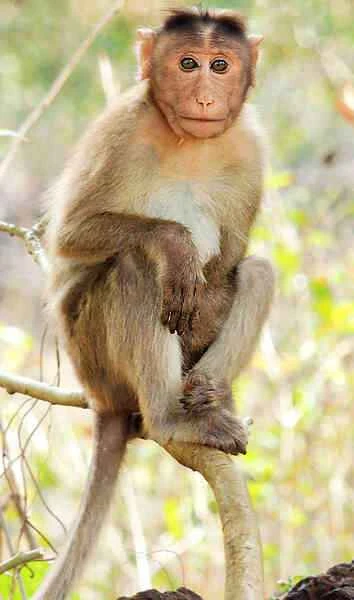
Classification and Ecology
Classification: Monkeys are primates, comprising two main groups: Old World monkeys and New World monkeys. They belong to different families, including Cercopithecidae, Gibbons, and so on.
Distribution: Monkeys are widely distributed, mainly living in various ecological environments in Asia, Africa and Central and South America, from rainforests to grasslands to mountains.
physical characteristics
Size: Monkeys vary in size and shape, ranging from small and delicate to large and imposing.
Tail: Many monkeys have long tails, but a few species have short or almost no tails.
Lifestyle
Diet: Monkeys have a very diverse diet, including fruits, leaves, insects, bird eggs, and other small animals.
Behavior: Monkeys are highly social. They usually live in groups with strict social structures and hierarchical structures.
Tool use: Some studies have shown that many monkeys have basic tool-using abilities, such as using sticks to catch insects or using stones to crack nuts.
Reproduction: Monkeys have a high reproductive capacity and generally mate during specific seasons of the year. The gestation period is relatively short, and the offspring will grow up near the mother after birth.
Predation and Adaptation
Adaptation to the environment: Monkeys have the ability to adapt to different environments, such as mountain monkeys and rainforest monkeys.
Natural enemies: Monkeys also have natural enemies in nature, including large felines, large snakes, and birds of prey.
In general, monkeys are a highly flexible and diverse group of primates, exhibiting unique lifestyles and adaptability in their respective ecological environments. As social animals, their survival and reproduction depend on complex group relationships, characteristics that make monkeys unique in the animal kingdom.