Monkeys are an exceptionally intelligent group of animals, possessing highly developed brains and outstanding cognitive and learning abilities. Some monkeys even demonstrate complex abstract reasoning abilities. So, which monkeys are considered the most intelligent in the world? And among these intelligent monkeys, which species has the highest IQ? Below, we'll explore the 10 most intelligent monkey species in the world, including baboons, mandrills, macaques, black-capped capuchins, capuchins, lion-tailed macaques, and more. Let's take a look.
1. Baboon (scientific name: Papio)
Baboons are a collective term for the genus *Phallus* in the family Cercopithecidae, comprising five species. They are among the most intelligent animals on Earth, and similar to chimpanzees or orangutans, baboons live in very close-knit social groups. Scientific research has discovered that baboons possess extremely complex abstract reasoning abilities, enabling them to analyze problems independently. This ability is not found in other apes, demonstrating the exceptionally high intelligence of baboons.

East African baboons
2. Mandrill (scientific name: Mandrillus sphinx)
The mandrill has a large, long head, resembling a ghost, hence its name. It is one of the most ferocious and largest monkeys, exceeding 80 centimeters in length and standing over 1 meter tall. Its brightly colored face has earned it the nickname "the big-faced monster" among monkeys. Mandrills are highly intelligent, utilizing simple tools such as stones and sticks, making them one of the most intelligent monkey species. Adult mandrills are ferocious, and even leopards dare not easily provoke them.
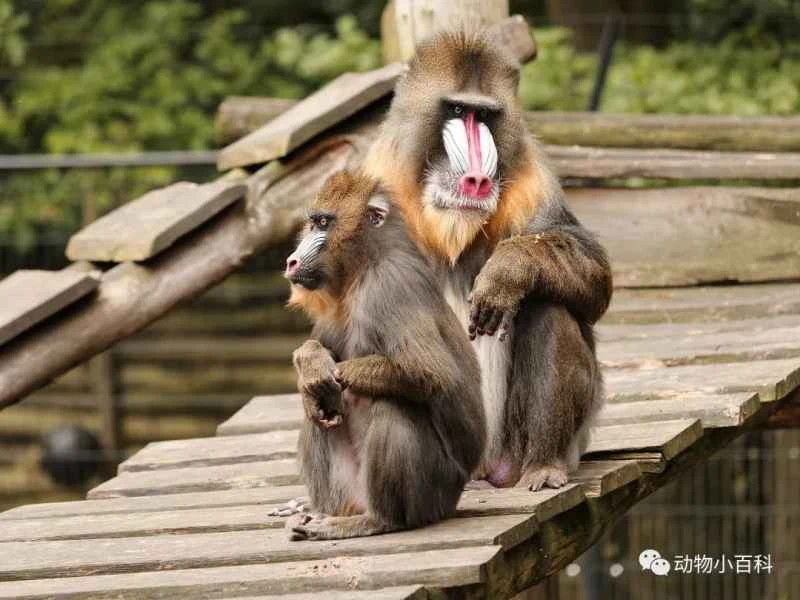
Male and female mandrills exhibit dimorphism in both size and color.
3. Macaca (scientific name: Macaca)
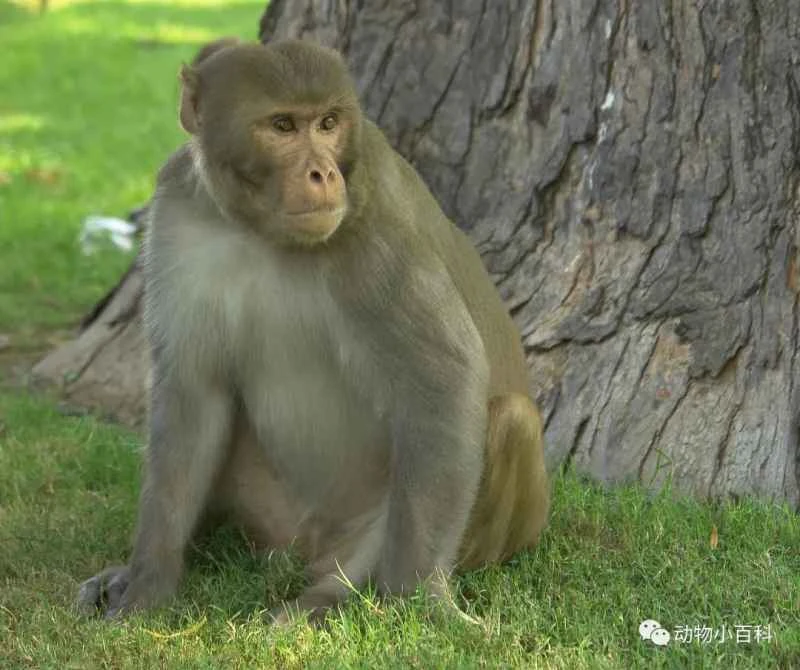
The macaque, also known as the monkey, is a highly intelligent species of monkey. It possesses not only exceptional memory and learning abilities but also human-like emotions and expressions. Brave and fearless, it is filled with curiosity about the outside world and loves exploring the unknown, which often leads to minor mishaps in its interactions with humans. It is said that a macaque's intelligence is equivalent to that of a 4-5 year old child. While this data may not be scientifically accurate, it does suggest that the macaque is undoubtedly one of the most intelligent monkey species.
4. Black-capped capuchin monkey (scientific name: Sapajus apella)
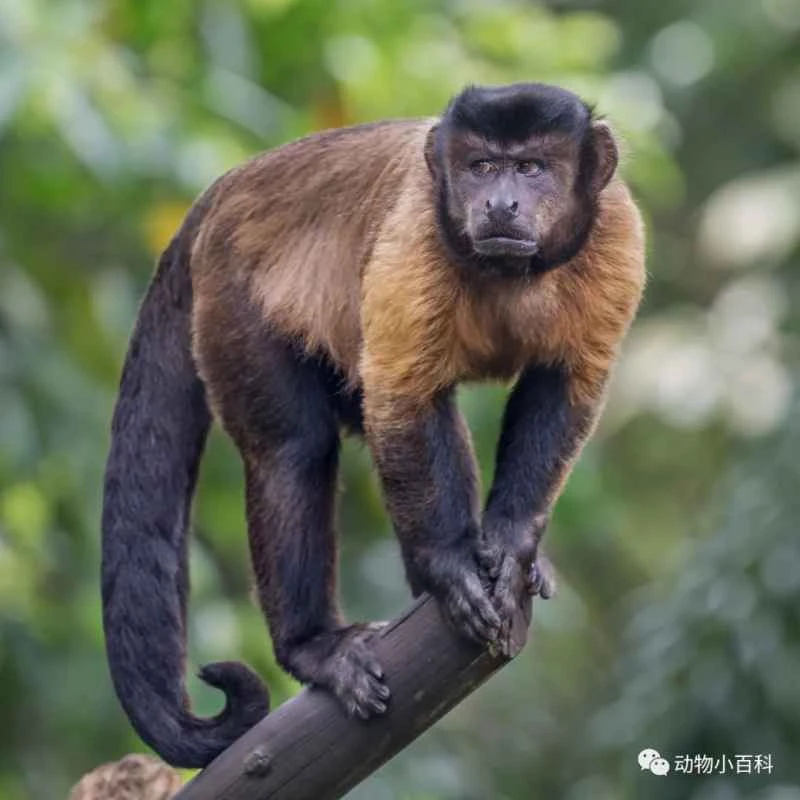
The capuchin monkey, also known as the black-capped cape monkey, gets its name from the thick black fur on its head that resembles a black cap. They are considered one of the most intelligent monkeys, both clever and active. They are dexterous and can use various simple tools. For example, capuchin monkeys are adept at using stones to dig for cassava and to crack open the hard seed husks. They can also use branches to fetch water from tree holes or rock crevices and use small branches to peek into hidden corners and crevices for insects.
5. Capuchin monkey (scientific name: Cebus capucinus)
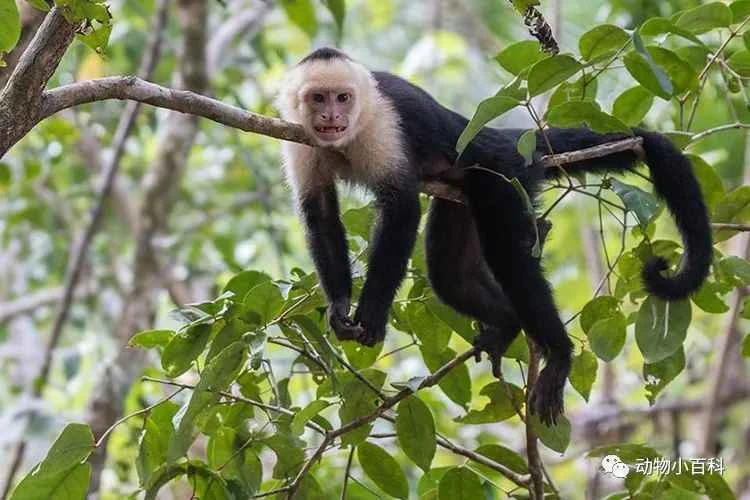
The capuchin monkey, also known as the white-headed capuchin, white-faced capuchin, and white-throated capuchin, is a small New World monkey. It gets its name from the distinctive shape of its tail, which is as long as its body and ends in a circle. These monkeys primarily inhabit the tropical rainforests of South and Central America. Scientific research has found that capuchin monkeys began using tools as early as 3,000 years ago, essentially entering the Stone Age. Even today, capuchin monkeys still use stones to crack open hard fruits, demonstrating their high intelligence. It is no exaggeration to say that the capuchin monkey is one of the most intelligent monkeys.
6. Lion-tailed monkey (scientific name: Macaca silenus)
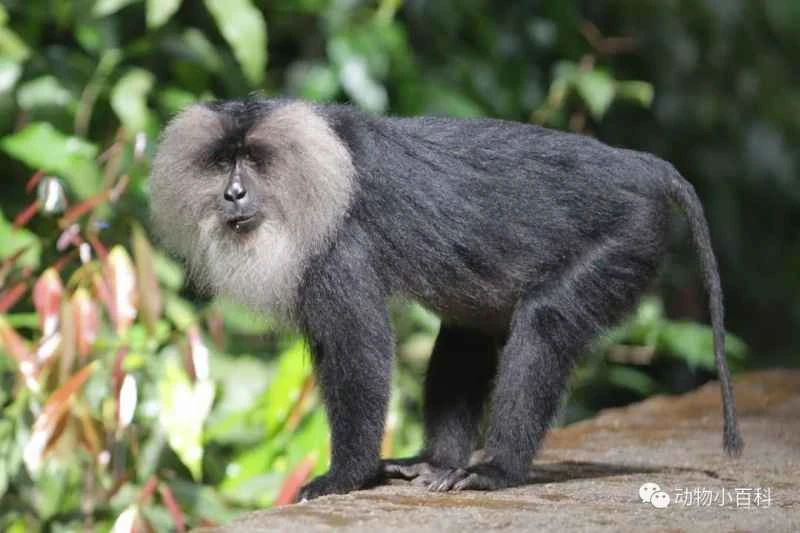
The lion-tailed macaque, also known as the lion-tailed macaque, is an Old World monkey inhabiting the Western Ghats and southern India. It is named for its silvery-white mane around its head and its lion-like tail. What makes lion-tailed macaques particularly special is their ability to eat a variety of different fruits. They are very intelligent monkeys, capable of extracting useful information from their environment. For example, lion-tailed macaques love jackfruit, but they don't know when it ripens, so they observe the behavior of giant squirrels to determine which fruits are ripe. Giant squirrels possess a special sense of smell that allows them to locate ripe jackfruit.
7. Phayre's leaf monkey (scientific name: Trachypithecus phayrei)
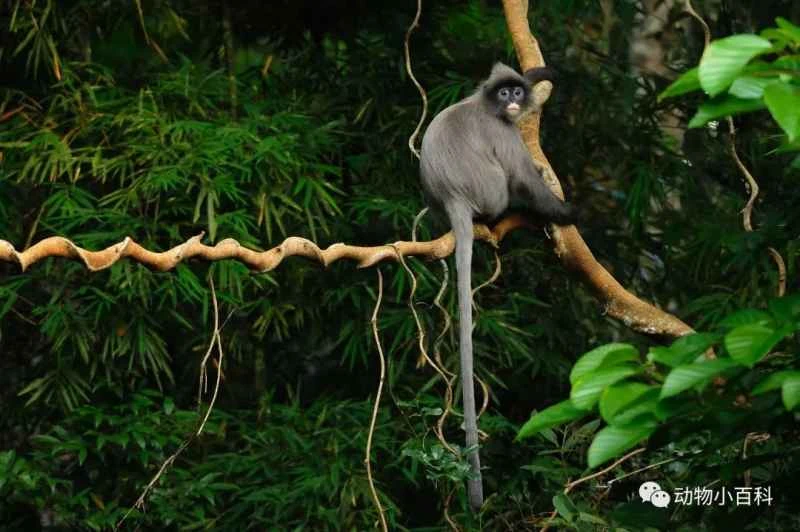
Phayre's langur is an iconic arboreal langur native to tropical and subtropical Southeast Asia. They primarily feed on flowers, fruits, and leaves of plants, occasionally consuming small birds and bird eggs. Among monkeys, Phayre's langur is widely recognized as exceptionally intelligent and obedient, often jokingly referred to as "someone else's monkey." When outdoors, they behave with remarkable discipline, strictly adhering to specific rules and routes. Even in emergencies or dangers, they will evacuate and escape according to pre-arranged emergency routes.
8. Tarsiidae (scientific name: Tarsiidae)
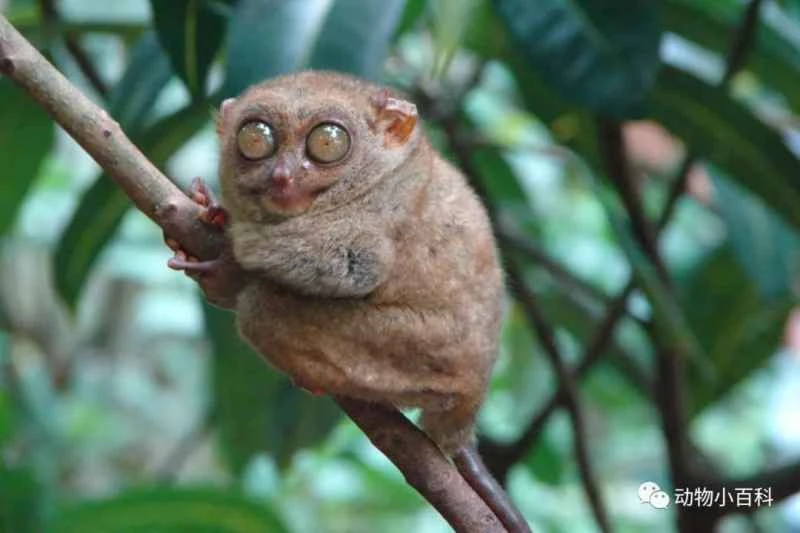
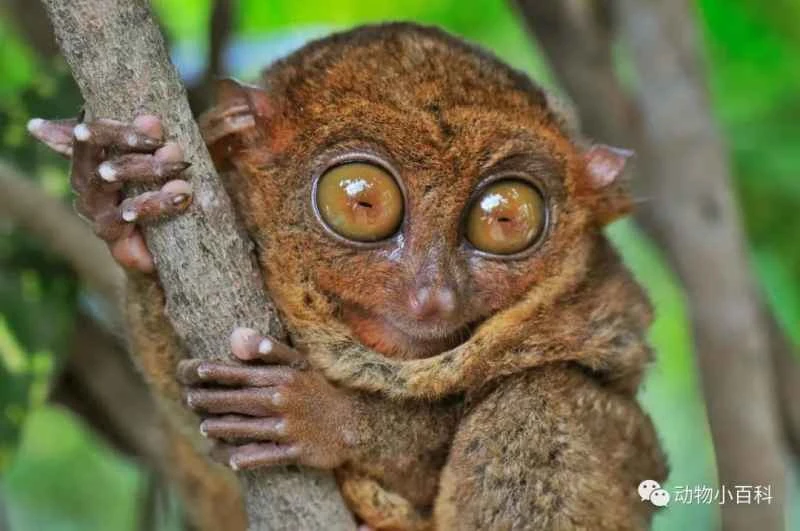
The tarsier, also known as the tarsier, is a rare small monkey and the smallest known monkey species in the world. Its distinctive feature is its two large, round eyes on its small face, with pupils exceeding 1 centimeter in diameter. Its appearance is unusual, completely unlike that of a typical monkey. Interestingly, it has a short neck and its head can rotate 180 degrees. Emerging 60 million years ago, the tarsier is a highly specialized primate with excellent vision and hearing, as well as agility and intelligence. It is said that attempts to artificially feed tarsiers have unexpectedly revealed that they choose various extreme methods to end their lives, including starvation and ramming into trees.
9. Spider monkey (scientific name: Atels)
Spider monkeys are named for their long, slender, spider-like limbs and tree-climbing posture. Their tails are longer than their bodies and incredibly flexible, allowing them to skillfully gather food like hands, even picking up objects as small as peanuts. Spider monkeys are highly skilled and adept at grasping, considered champions among capuchin monkeys, hence the nickname "fifth hand." Spider monkeys are naturally timid, yet also very intelligent and suspicious. For example, when drinking water, they cleverly use leaves to create a sponge-like effect to absorb rainwater from tree cavities.
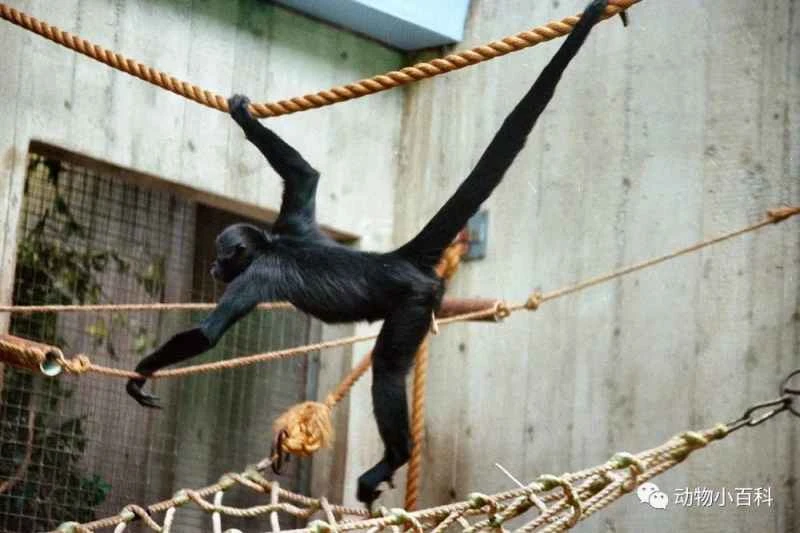 Brown-headed spider monkey
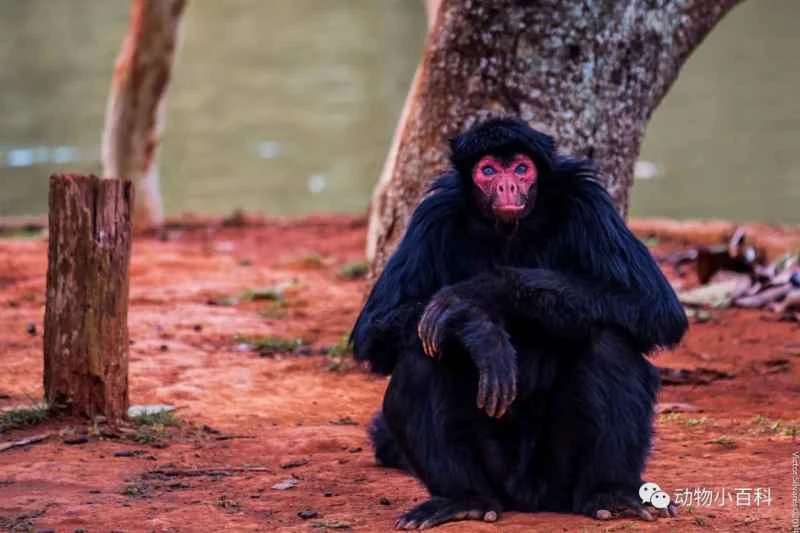 Black Spider Monkey
10. Slow Loris (scientific name: Nycticebus coucang)
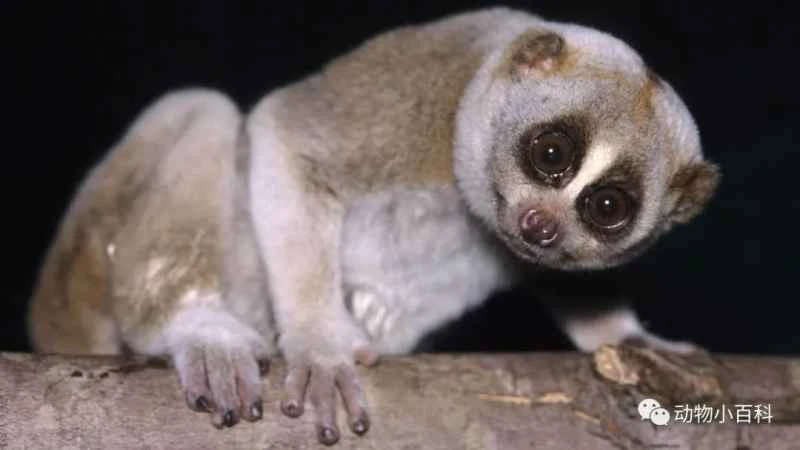
The slow loris, also known as the parsnip, is the only known venomous primate. When threatened, it secretes a brown, oily venom. Slow lorises are also highly intelligent monkeys. They can communicate using multiple senses, including sight, sound, touch, and chemical information. They use scent marking to communicate with each other, conveying information by releasing specific odors. In addition to traditional senses, slow lorises possess a unique ability: using ultrasound to perceive their surroundings. This ultrasound helps them detect hidden objects or gather more detailed information.
This list of the world's ten smartest monkeys primarily reviews monkey species with high intelligence, combining data from various online rankings. It is for entertainment and reference only, and the data is current. (Important Disclaimer: Hunting, killing, eating, or trading wild animals and their products are all illegal and criminal acts! Wild animals belong to nature; for the sake of the ecological environment and your health, please refuse to buy, keep, or eat wild animals!)