With the continuous reduction of animal habitats and the increase in illegal hunting activities by humans, more and more monkey species are on the verge of extinction, some of which have even become extinct. So, among the many monkey species, which are the rarest in the world? And which monkey species are the most severely threatened? This article compiles a list of the world's ten rarest monkeys, including the golden-headed langur, the broad-browed long-tailed macaque, the purple-faced langur, and the northern weasel lemur, among others. Let's learn about them together.
1. Golden-headed langur (scientific name: Trachypithecus geei)
The golden langur, also known as the golden langur or yellow-crowned langur, is an Old World monkey species found in Assam, India, and the Black Mountain region of Bhutan. They are among India's most endangered primates. For a long time, people living in the Himalayas considered golden langurs very rare; their existence was first known to the scientific community in the 1950s. They are currently endangered, with a population of only 1,064 in 2001, and their numbers are estimated to be declining due to a lack of offspring. The golden langur has been listed more than ten times in the International Primate Society's "25 Most Endangered Primates in the World," and is widely recognized as one of the rarest monkey species in the world.
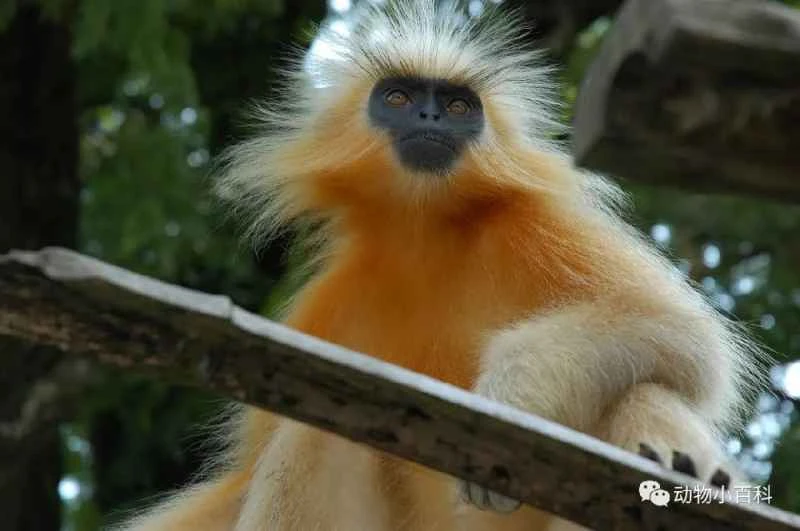
Golden langurs have abundant golden to creamy-white fur, black faces, and long tails reaching up to 50 centimeters. They spend most of their time in trees, using their tails for balance when leaping. During the rainy season, they drink water from leaves. They are primarily herbivorous, eating fruits, leaves, seeds, buds, and flowers.
2. Broad-browed long-tailed macaque (scientific name: Cercopithecus roloway)
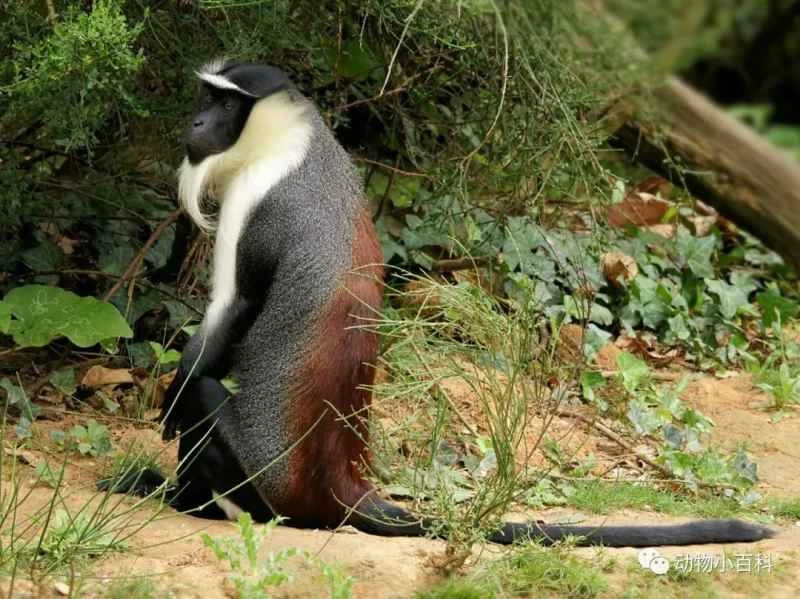
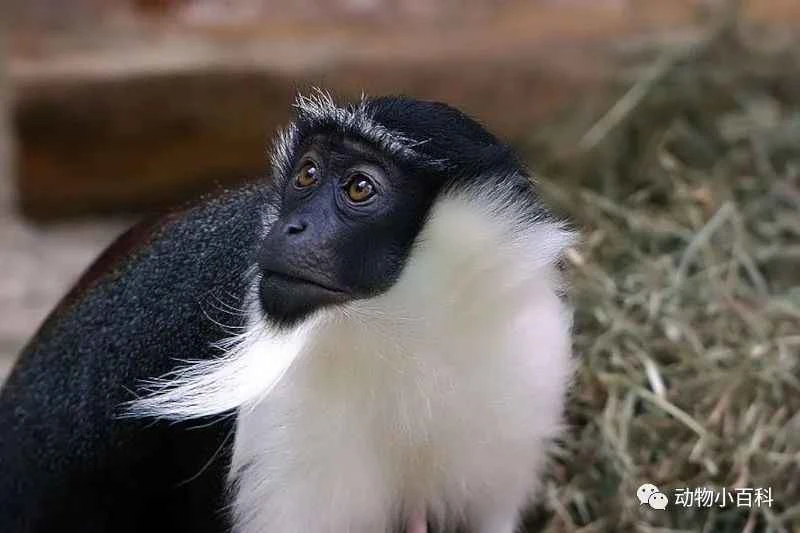
The broad-browed long-tailed macaque, also known as the Rollo's bearded monkey, is a unique tropical animal that primarily inhabits the canopy of West Africa. They are mainly found in protected areas in Ghana and Côte d'Ivoire. Due to habitat loss and dwindling food supplies, the monkey's population has declined dramatically. Currently, only about 1,000 individuals remain, placing them on the list of "critically endangered" species and repeatedly appearing on the list of the "25 Most Endangered Primates in the World."
3. Purple-faced langur (scientific name: Trachypithecus vetulus)
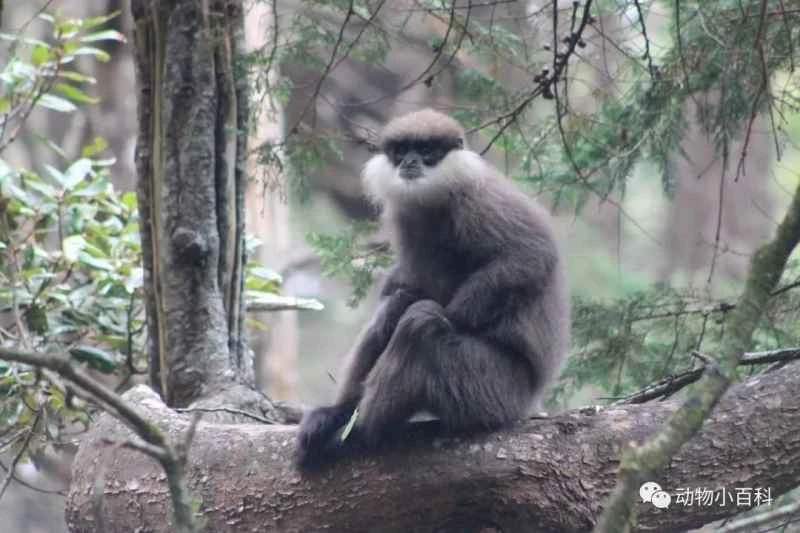
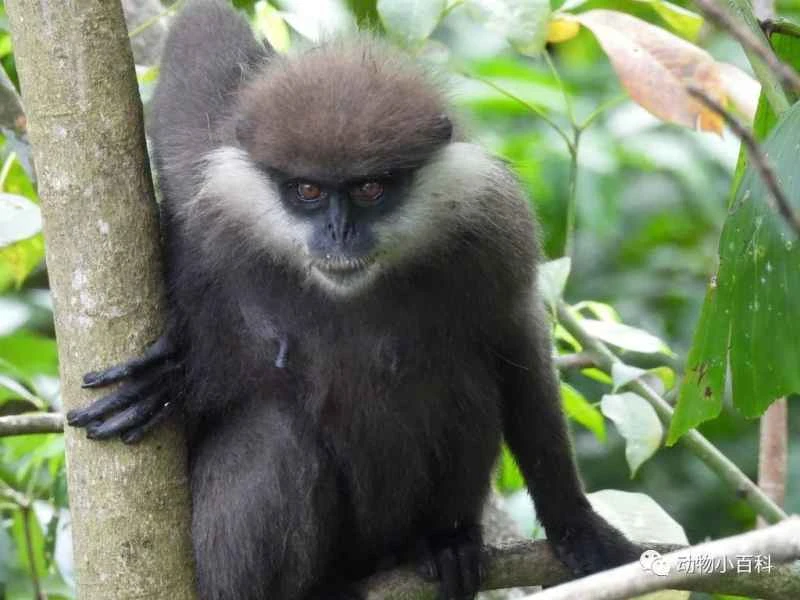
The purple-faced langur, also known as the purple-faced long-tailed langur, has brownish-black skin, including its body and limbs. Its whiskers range in color from white to light brown and grow backwards. There are four subspecies, differing in appearance and fur color, and they are mainly distributed throughout Sri Lanka. However, due to habitat loss and threats from human activities, the purple-faced langur population has declined drastically. This monkey has been repeatedly listed among the "25 Most Endangered Primates in the World," making it one of the rarest monkeys in the world.
4. Northern Weasel Lemur (scientific name: Lepilemur septentrionalis)
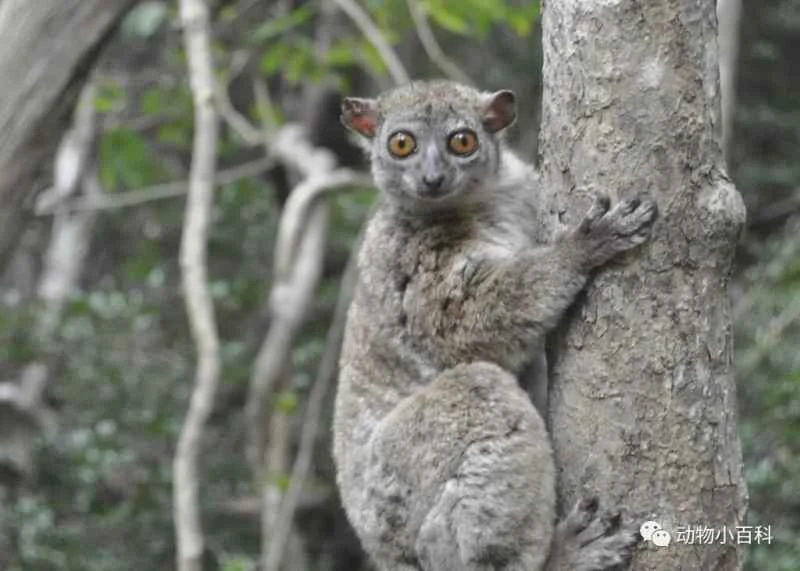
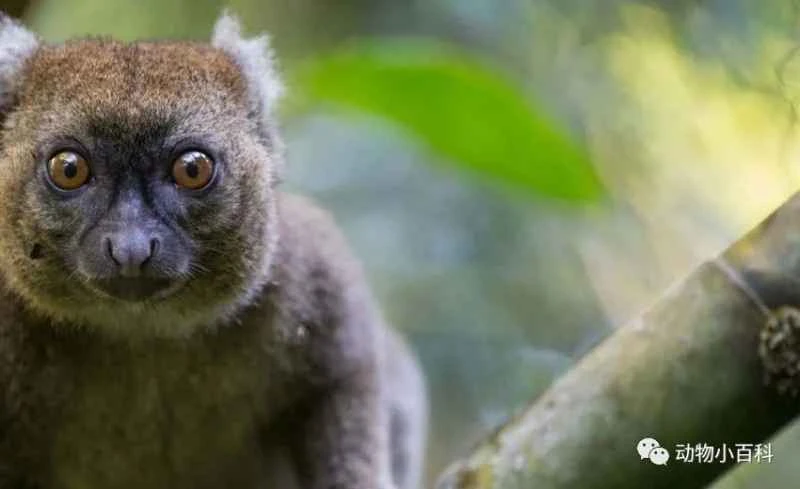
The Northern Weasel Lemur is a small, arboreal primate that lives in the dry forests of northern Madagascar. They typically rest during the day and forage at night, primarily feeding on leaves, but occasionally also on fruits and flowers. However, due to habitat destruction over the past decade, the Northern Weasel Lemur population has plummeted, leaving fewer than 50 individuals. It is listed as a "critically endangered" species and has repeatedly been included in the list of the "25 Most Endangered Primates in the World."
5. Niger Delta Red Colobus Monkey (scientific name: Piliocolobus epieni)
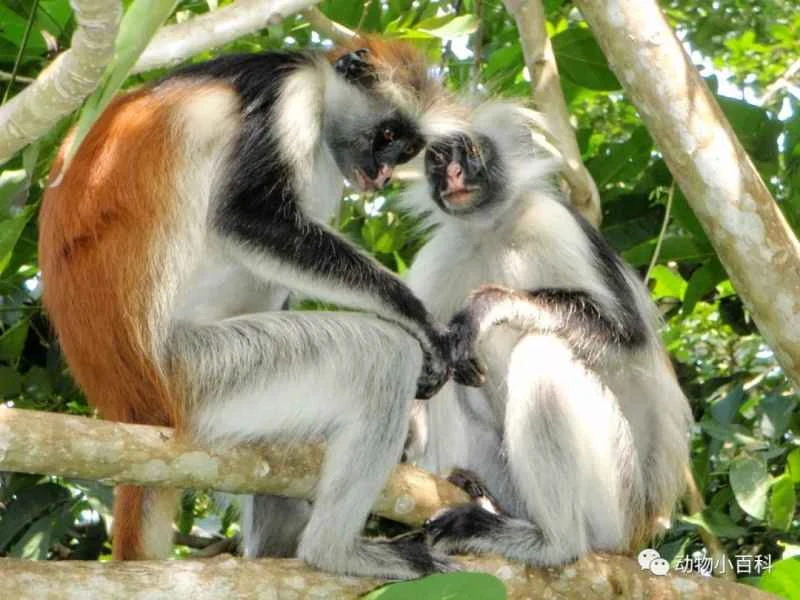
The Niger Delta red colobus monkey was first discovered by scientists in 1993 and was initially thought to be a subspecies of the Oriental red colobus monkey. However, in a genetic study in 2007, this monkey was upgraded to a separate species. Due to continuous habitat loss and hunting by humans, the Niger Delta red colobus monkey population has declined sharply, making it one of the most endangered primates in the world. It was also listed as critically endangered on the IUCN Red List of Threatened Species in 2008.
6. Javan slow loris (scientific name: Nycticebus javanicus)
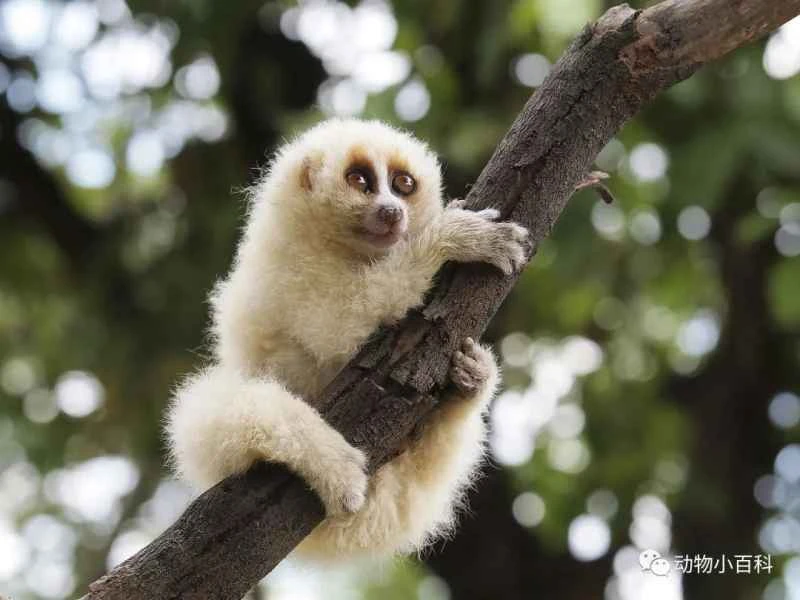
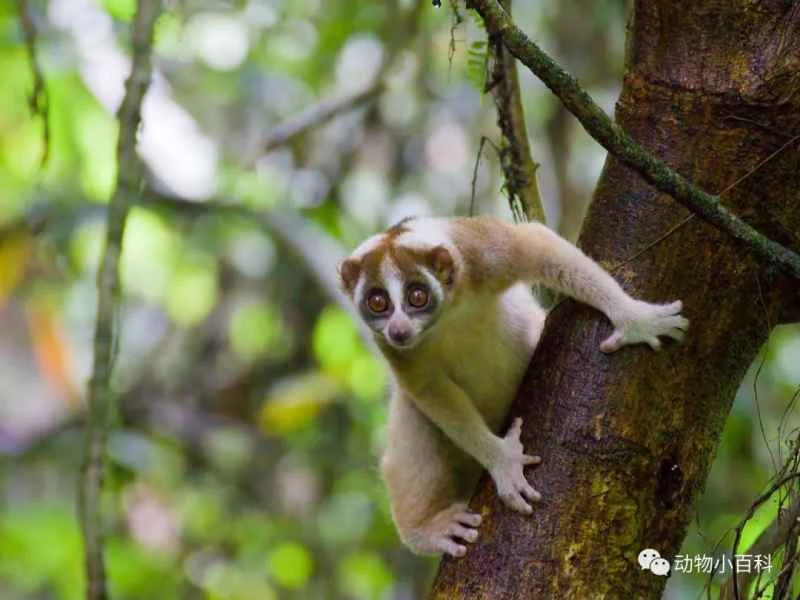
The Javan slow loris, found only on the island of Java in Indonesia, has distinctive facial and back stripes that extend to the top of its head, branching out towards its eyes and ears, forming a white diamond pattern on the top of its head, making it quite adorable. Due to habitat encroachment by human activities, the Javan slow loris's survival is increasingly critical, leading to its inclusion in the IUCN Red List of Threatened Species as Critically Endangered (CR) in 2015. It has also been repeatedly listed as one of the "25 Most Endangered Primates in the World."
7. Brown howler monkey (scientific name: Alouatta fusca)
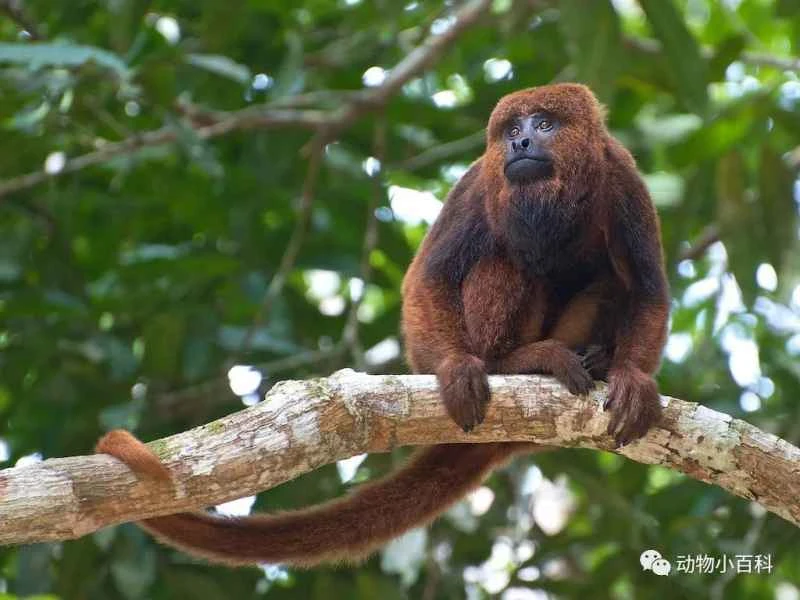
The brown howler monkey is an animal that lives in the lowlands and mountains along the Atlantic coast of Brazil, primarily feeding on leaves and fruits. They are among the loudest primates, emitting extremely piercing roars at dawn and dusk, or when encountering enemies or fighting for territory; these roars can be heard as far as 1.5 kilometers away. However, due to hunting and deforestation by humans, the brown howler monkey population is steadily declining. They have been repeatedly listed among the "25 Most Endangered Primates in the World," making them one of the rarest monkey species in the world.
8. Galago rondoensis (scientific name: Galago rondoensis)
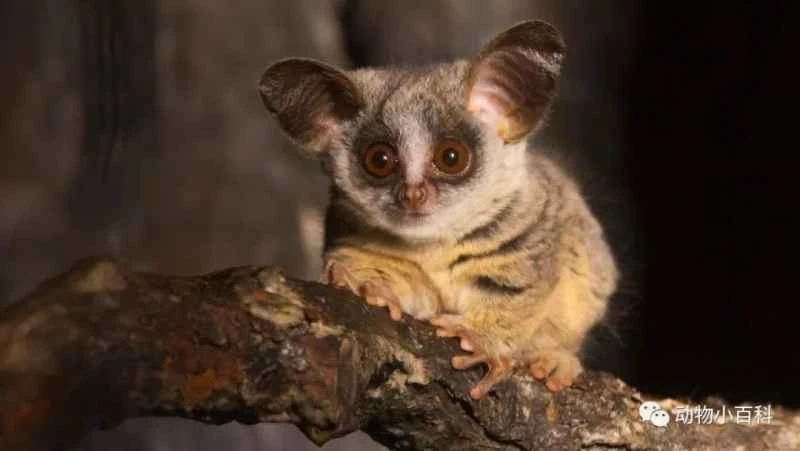
The marmoset is a small primate belonging to the genus *Cercopithecidae*, weighing a mere 60 grams. They primarily inhabit the forests of Tanzania, feeding on insects and fruits. However, due to the continuous expansion of human agricultural activities, the marmoset's habitat has been shrinking. According to statistics from 2014, their distribution range was limited to a total area of 94.4 square kilometers, with the smallest portion measuring only 2.4 square kilometers. Therefore, the marmoset is listed as one of the 25 most endangered primate species globally.
9. Brown-headed spider monkey (scientific name: Atels fusciceps)
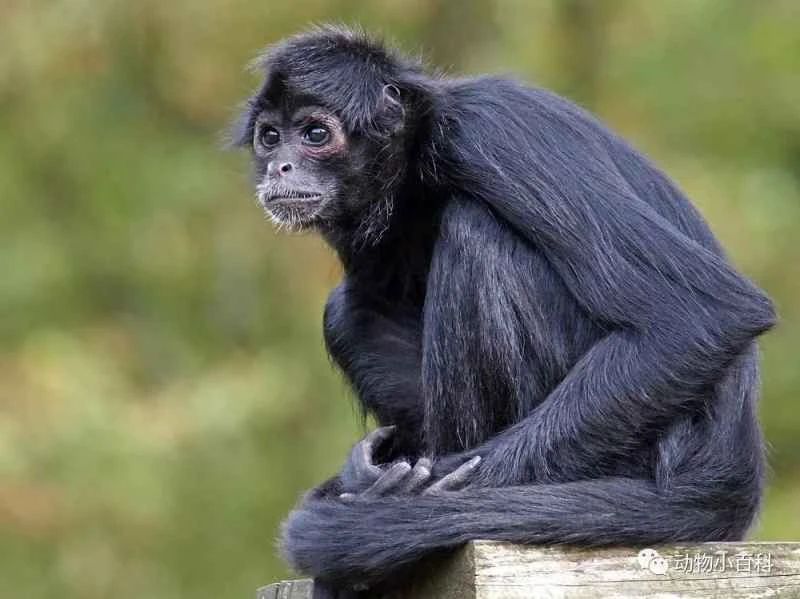
The brown-headed spider monkey is a species of New World monkey belonging to the family Arachnididae. Its head and torso length is approximately 39-59 cm. They are widely distributed in the tropical forests of Central and South America, primarily feeding on fruits and leaves, but also consuming nuts, seeds, insects, and eggs. However, due to frequent hunting by indigenous peoples for food, coupled with the threat of deforestation, the brown-headed spider monkey is currently facing critical endangerment. In fact, it has been repeatedly listed among the "25 Most Endangered Primates in the World."
10. Guizhou Golden Monkey (scientific name: Rhinopithecus brelichi)
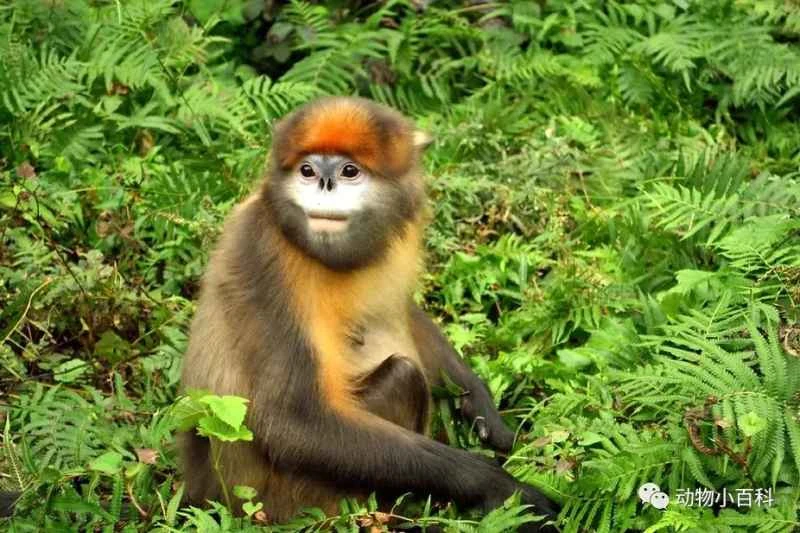
The Guizhou golden snub-nosed monkey, also known as the gray snub-nosed monkey, white-shouldered monkey, cow-tailed monkey, and striped marmoset, is a precious monkey species endemic to my country, mainly distributed in Fanjingshan, Guizhou Province. Slightly smaller than the Sichuan golden snub-nosed monkey, it measures 64-69 cm in body length, with a tail longer than its body, approximately 85-90 cm. It feeds on the leaves, buds, flowers, fruits, and bark of various plants. Due to the hunting traditions of local residents, the killing of Guizhou golden snub-nosed monkeys has occurred frequently. The most severe period was from 1962 to 1977, with incomplete statistics indicating that as many as 317 individuals were killed. The establishment of the Fanjingshan Nature Reserve has ensured the survival of the Guizhou golden snub-nosed monkey, and its current population is around 700.
The list of the world's ten rarest monkeys mainly reviews all existing monkey species in the world. It is based on the species' endangered status and rarity, and is a comprehensive summary of relevant internet lists. It is for entertainment and reference only, and the relevant data is current.