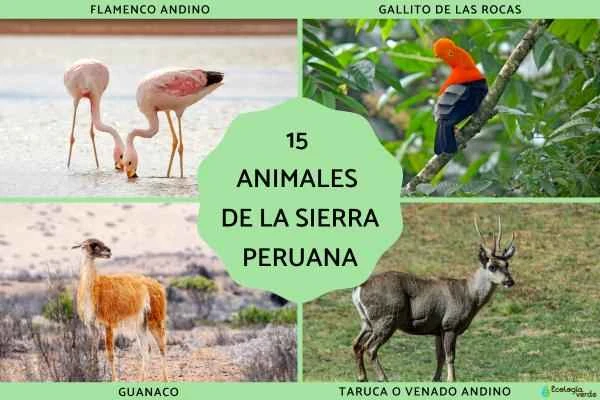
Peru, located in South America, is a country with diverse topography, encompassing three major natural regions: the Amazon rainforest, the Pacific coast, and the Andes Mountains. Among them, the Peruvian Highlands (Andes region), with its unique landscape of high mountains, canyons, and alpine meadows, nurtures a rich diversity of wildlife. This article will systematically introduce you to 15 of the most representative animals of the Peruvian Highlands, including rare primates, birds of prey, mammals, and endemic birds, giving you a deeper understanding of these unique creatures.
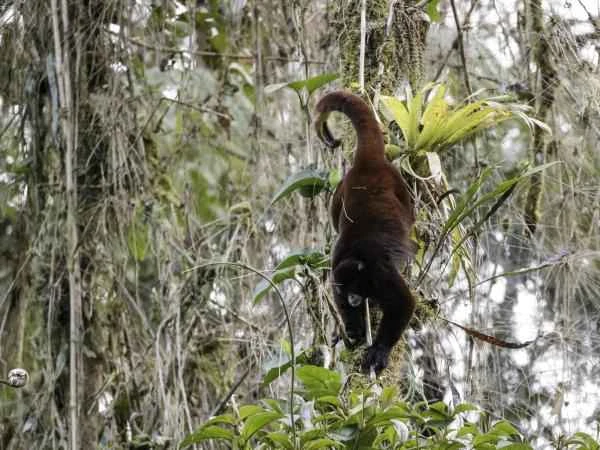
1. Yellow-tailed crested monkey (Oreonax flavicauda)
The yellow-tailed crested monkey is an extremely rare large primate found in the Peruvian highlands, primarily in the Abiseo River National Park area. To adapt to the cold, high-altitude environment, they have evolved thick, black fur and a distinctive yellow patch at the tip of their tail. Due to habitat destruction and illegal hunting, this species was once thought to be extinct and is currently classified as critically endangered.
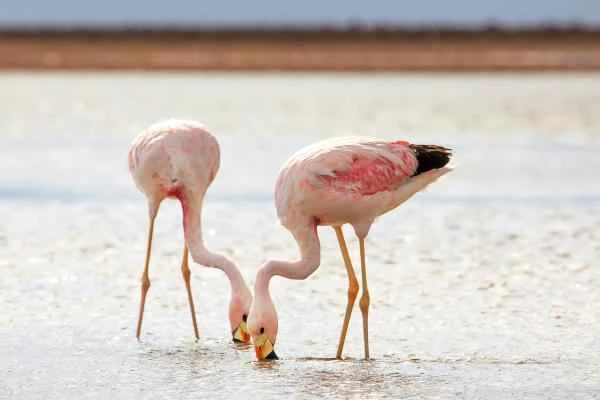
2. Andean Flamingo (Phoenicoparrus andinus)
The Andean flamingo is one of the most iconic birds of the Andes Mountains, renowned for its vibrant red plumage and black tail feathers. They typically inhabit the salt lakes and wetlands of the highlands, feeding on tiny diatoms. The red and white color scheme of the Peruvian flag was inspired by the flamingo.
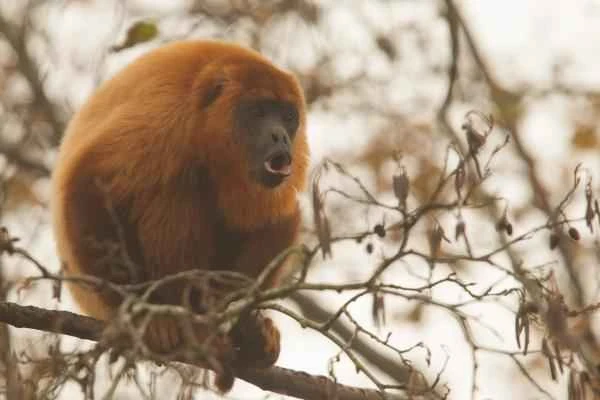
3. Red howler monkey (Alouatta seniculus)
Red howler monkeys inhabit the Andean forests at altitudes up to 3,500 meters and are known for their thick, reddish-brown fur and powerful, piercing roars. They possess long, powerful, curled tails that aid in climbing trees and are typical primitive primates of the Peruvian highlands.
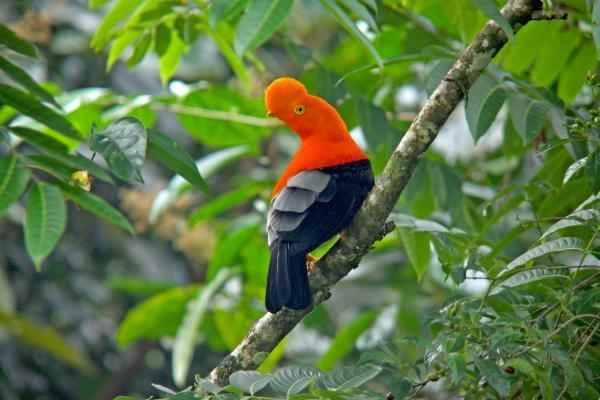
4. Andean Crowned Rockbird (Rupicola peruvianus)
Also known as the Andean rock grouse, it is the national bird of Peru. The male has bright red plumage, a prominent crest on its head, and an elegant build, making it an iconic bird of the Andean cloud forests. Its unique appearance and courtship behavior attract numerous nature enthusiasts and photographers.
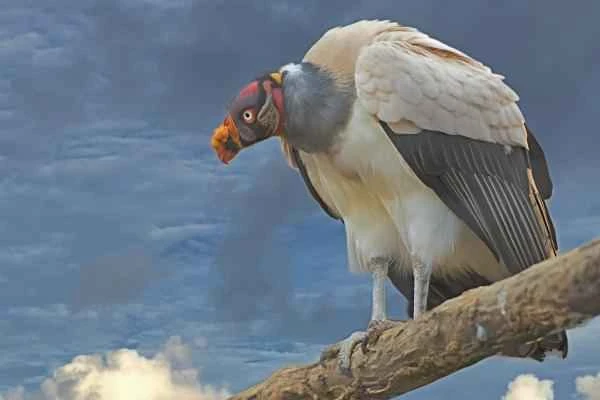
5. King Vulture (Sarcoramphus papa)
The King Vulture is an important scavenger bird in the Andes Mountains, responsible for clearing away the remains of large animals. Adults are predominantly white with bare heads and yellow and orange skin. They are large birds, reaching up to 80 centimeters in height, and are key members of the local food chain.
6. Guinea pig (Cavia porcellus)
Guinea pigs, also known as cavies, are among the earliest domesticated animals of the indigenous peoples of the Andean highlands. Their wild lineage is *Cavia tschudii*. Historically, guinea pigs were not only an important source of protein but also common animals in local culture and religious rituals.

7. Spectacled Bear (Tremarctos ornatus)
The spectacled bear is the only bear species in South America, widely distributed in the Andes Mountains. Its most distinctive feature is the light-colored ring-shaped patches of fur on its face and chest, resembling "spectacles." It mainly inhabits high-altitude forests and cloud forests, and is listed as vulnerable by the International Union for Conservation of Nature (IUCN).

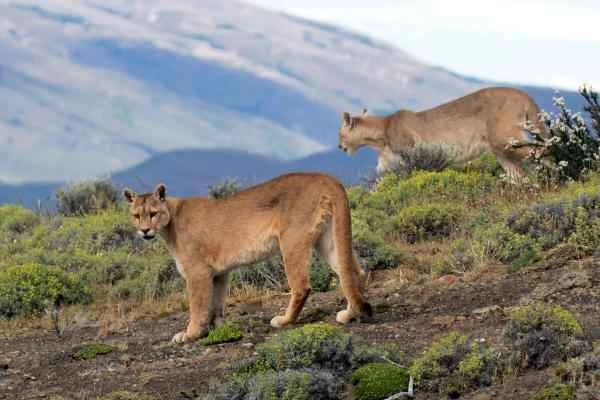
8. Andean cougar (Puma concolor concolor)
The Andean cougar is a large carnivore, an apex predator in the high-altitude food chain, reaching up to 2 meters in length. It has light brown fur, rounded ears, and a robust build. They play a crucial role in maintaining the species balance of the high-altitude ecosystem.
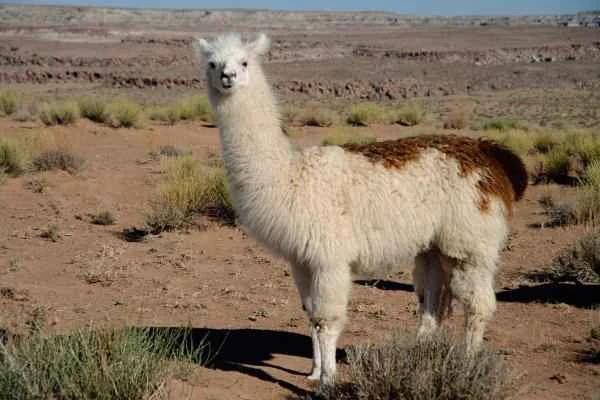
9. Alpaca (Lama glama)
Alpacas are one of the most representative domestic animals in the Andes Mountains region. With their long, slender necks, striking black and white faces, and soft white wool, they are a mainstay of the local wool textile and livestock industries. Alpacas are also a popular tourist attraction in the Peruvian highlands.
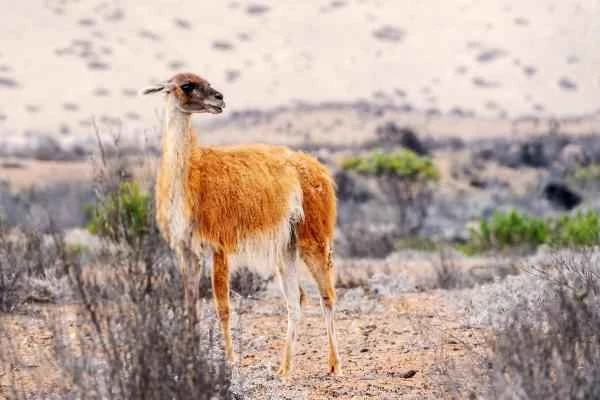
10. Loggerhead (Lama guanicoe)
The guanodon is a wild camel species, with a more slender body than the domesticated alpaca. It possesses exceptional drought and cold resistance, making it a typical wild animal of the arid grasslands and highlands of the Andes Mountains.
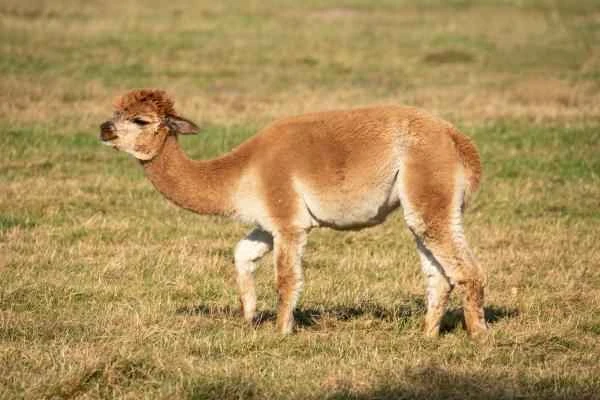
11. Alpaca (Vicugna pacos)
Alpacas are camel-like animals from South America, closely related to alpacas and guanacos. They are known for their extremely fine wool, which is an important source of income for pastoralists in the Peruvian highlands.
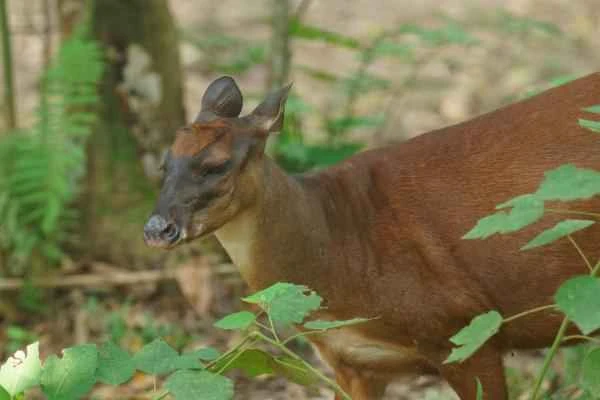
12. Peruvian white-tailed deer (Odocoileus peruvianus)
Primarily inhabiting humid forests and alpine shrublands, they are typical herbivorous deer in the high-altitude regions. As an important food source for large predators such as cougars, they maintain the local ecological balance.
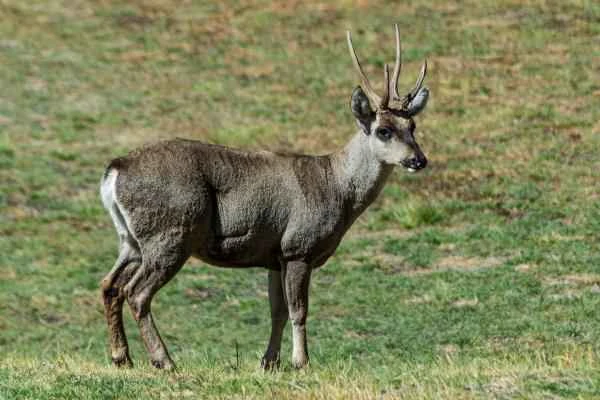
13. Andean Plateau Deer (Taruca, Hippocamelus antisensis)
The Andean deer, also known as the Taruca, is a unique deer species that lives in the northern highlands of Peru. It has a relatively slender appearance and is adapted to the cold and dry environment at high altitudes.
14. Andean Steppe Eagle (Geranoaetus poecilochrous)
The Andean steppe eagle is the most representative bird of prey of the plateau, often soaring at altitudes above 5,000 meters, feeding on rodents, insects, reptiles, and other animals.
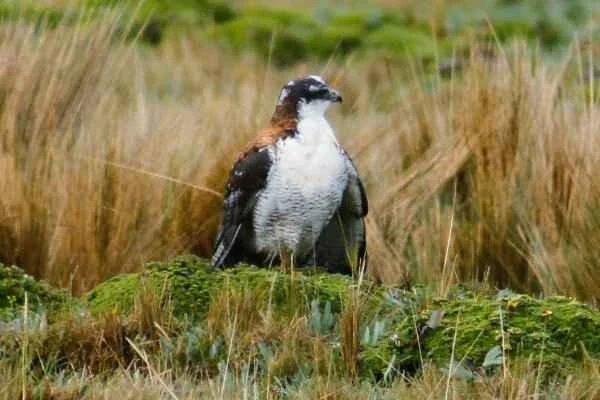
15. Giant Hummingbird (Patagona peruviana)
The giant hummingbird is the largest hummingbird in the world, reaching up to 23 centimeters in length. It is mainly distributed in the Andean highlands at altitudes of 4200 meters. They possess powerful flight capabilities and physiological structures adapted to high-altitude hypoxia.

summary
The Peruvian highlands boast unique landscapes and abundant wildlife. This article introduces 15 representative highland animals, showcasing not only the region's ecological diversity but also the unique adaptation strategies of highland creatures. For more information on Peruvian native animals or highland ecology, please visit our website's "Animal Encyclopedia" section.
bibliography
Mexico State Government and Millennium Daily (2004), *World Atlas: South America, Central America and Antarctica*. Sol Publishing, Barcelona.
National Geographic Society (2015), *World Heritage: Andean America*. RBA: Spain.