Black panthers are renowned for their sleek black fur and stealthy hunting techniques. Understanding their diet helps us gain insights into their behavior, ecological role, and conservation status. Let's explore the dietary habits of these enigmatic predators in detail.
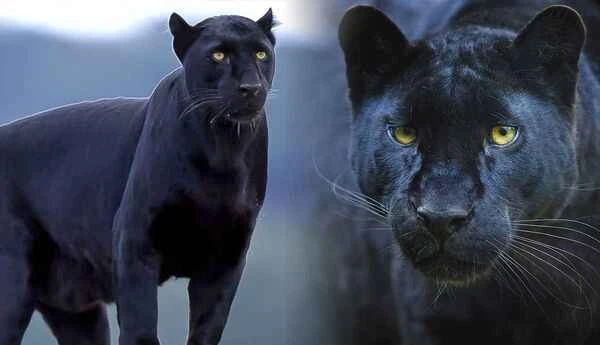
Table of contents
Introduction: What is a black panther?
What do black panthers eat?
main prey
Regional dietary differences
Hunting Techniques: How do black panthers catch their prey?
Ecological role
Protection Challenges
Why are black panthers so rare?
Frequently Asked Questions
What is a black panther?
The black panther is not a separate species, but refers to leopards ( Panthera pardus ) or jaguars ( Panthera onca ) with black fur. The black fur is caused by a genetic mutation that increases melanin production, allowing them to better camouflage themselves at night. Black panthers inhabit a variety of ecosystems, from dense forests to open grasslands.
What do black panthers eat?
main prey
Black panthers are typical carnivores, feeding mainly on a variety of animals. Their prey varies depending on their habitat, but common prey includes:
| Prey category | example |
|---|---|
| mammal | Deer, wild boar, antelope, goat, monkey, rodent |
| Small animals | Rabbit, squirrel, porcupine, raccoon |
| birds | Ground-dwelling birds, such as pheasants |
| Reptiles | Lizards, snakes, turtles |
| aquatic prey | Fish, crabs, amphibians |
Regional dietary differences
Africa : In the grasslands, the black leopard's main prey consists of antelopes, gazelles, and other small to medium-sized mammals, such as wild boars.
Asia : Black leopards that inhabit forests tend to prey on deer (such as samba deer), wild boars, and monkeys.
Americas : Black jaguars in the Americas mainly feed on capybaras, caimans, armadillos, and tapirs.
How much do they eat each day?
Adult black panthers need to consume about 2-3 kilograms of meat per day, but if they catch a large prey, they may eat more at once.
Hunting Techniques: How do black panthers catch their prey?
Black panthers are ambush predators, and their hunting strategies include:
Concealment and camouflage : Black fur is particularly suitable for camouflage at night.
Nighttime ambush : They have excellent night vision, allowing them to accurately locate prey at night.
Swift and deadly attack : Black panthers pounce with incredible speed, usually aiming for the neck or head of their prey, killing instantly.
After capturing prey, black leopards usually drag it to a secluded place or a tree to avoid interference from other predators.
Ecological role
As apex predators in the food chain, black panthers play a vital role in the ecosystem:
Regulating prey populations : By hunting herbivores, they effectively prevent plants from being over-eaten and maintain ecological balance.
Maintaining biodiversity : Black panthers indirectly help other species survive by controlling prey populations.
Providing food for scavengers : The remains of black panther prey provide food for scavengers such as vultures and hyenas.
However, they also face competition from other large predators such as lions, tigers, or other jaguars.
Protection Challenges
Black Panther faces multiple threats, including:
Habitat loss : Deforestation and human activities have encroached on their habitats.
Prey shortage : Overhunting by prey has led to a food shortage for black leopards.
Poaching and human conflict : Black leopards are sometimes killed for preying on livestock or because they are perceived as a threat to humans.
Preserve the status quo
Leopard : The International Union for Conservation of Nature (IUCN) lists it as a "vulnerable" species.
Jaguar : Listed as a "near threatened" species, black jaguars face the same risks as their species.
Why are black panthers so rare?
Black panthers, with their sleek black fur and mysterious appearance, have captivated countless eyes. However, their rarity is closely related to genetic, ecological, and environmental factors. Let's delve into why these majestic animals are so rare:
1. Genetic mutation and mode of inheritance
The black fur of a black panther is primarily caused by a genetic mutation called **Melanism**. Melanism refers to the excessive production of melanin in an animal, resulting in dark fur.
However, the black coat mutation is a recessive trait, meaning that both parents must carry the gene for black fur to appear in their offspring. For example, only a small percentage of leopards ( Panthera pardus ) and jaguars ( Panthera onca ) exhibit black fur. Studies estimate that only about 10% of leopards and jaguars are black.
2. Selective stress and adaptation
While the black leopard's black fur can provide camouflage in certain environments, such as dense forests or nocturnal habitats, it can also be detrimental in others. For instance, in areas where daytime hunting is prevalent, such as grasslands or open areas, black fur may actually make them more visible. This selective pressure means that in these environments, individuals with lighter fur are more likely to survive and reproduce.
Black leopards are found at varying frequencies in different habitats. Their numbers are relatively high in tropical and subtropical forests because their black fur provides better camouflage. Conversely, they are relatively less common in open environments.
3. Habitat and Geographical Distribution
Black leopards are mainly distributed in Southeast Asia, Africa, and Central and South America. However, they are not frequently seen in all leopard and jaguar habitats. For example, in Africa, leopards typically inhabit open grasslands, and the number of black leopards is far lower than in the dense forests of Southeast Asia.
Black leopards are more common in dense forests or shady environments, such as India and Malaysia. Jaguars, on the other hand, are more prevalent in the rainforests of Central and South America, where they are more likely to display black fur.
4. Population Decline and Human Impact
Another factor contributing to the rarity of black panthers is the impact of human activities. Both leopards and jaguars face threats such as habitat loss, poaching, and conflicts between humans and wildlife. As their wild habitat diminishes, these felines have fewer opportunities to reproduce, resulting in fewer opportunities for black panthers to be born and reach adulthood. Deforestation and human activities further restrict their habitat, reducing the black panther population.
5. Population size and conservation status
Leopards and jaguars are already threatened by habitat loss and poaching. The rarity of black panthers is not only related to the genetic factor of their black fur, but also closely linked to the decline in the numbers of their parent species. To protect these animals, population conservation efforts must be strengthened to ensure the survival and reproduction of these species.
In summary, the rarity of black panthers stems primarily from a genetic mutation extremely rare in leopards and jaguars. Beyond genetics, their scarcity is also closely linked to selective environmental pressures, habitat limitations, and human disturbance. As conservation efforts continue, we hope these mysterious creatures can continue to thrive in the wild; however, due to the aforementioned factors, they will remain a rare species.
Frequently Asked Questions
Do black panthers eat plants?
No, black panthers are strictly carnivorous; they only eat meat.
How often do black panthers hunt?
They typically hunt every 2-3 days, depending on the abundance of prey and the amount of food consumed in the previous feeding.
Can black panthers eat fish?
Yes, in areas with water sources, black leopards will prey on fish or crabs.
What do you do when food is scarce?
When food is scarce, black leopards may hunt small animals or steal food from other predators.
Black panthers are fascinating predators with highly adapted diets. Understanding their diet and ecological role can help us better understand these majestic animals and support efforts to protect their habitats. Black panthers are not only beautiful symbols of nature but also key players in maintaining ecological balance.
For more information about black leopards, their habitat, and conservation status, please refer to the resources and research programs of wildlife conservation organizations.