Share this
Exploring Animal Safety and Well-being: How to Create a Healthier Living Environment for Pets and Wild Animals

Exploring Animal Safety and Well-being: How to Create a Healthier Living Environment for Pets and Wild Animals

2026-01-19 14:44:13 · · #1
In the animal kingdom, whether domestic pets or wild animals, a sense of security and well-being is crucial to their quality of life. Understanding how to meet animals' basic needs and enhance their well-being not only helps improve their health and behavior but also fosters a deeper bond between humans and animals. In this article, we will explore the sources of security and well-being in animals and share some effective methods to improve their quality of life.

1. What is a sense of security in animals?

Animals' sense of security refers to their relaxed, stress-free, and thwarted state in their living environment. Whether pets or wild animals, when they feel safe, their behavior is more confident and natural, and they are more likely to exhibit behaviors unique to their species.

a. A pet's sense of security

Domestic pets (such as cats, dogs, and birds) are highly dependent on their living environment and owners. They need a stable daily routine, a comfortable living environment, and the love of their owners to feel safe. Sudden changes in the environment or the absence of their owners may cause anxiety in pets, which in turn affects their health and behavior.

b. The sense of security of wild animals

Wild animals' sense of security typically depends on their natural environment. Adequate food, opportunities to escape predators, and suitable habitats all directly impact their sense of security. When natural habitats are destroyed or predator populations increase, wild animals' sense of security is threatened, potentially altering their behavioral patterns and even affecting the species' survival.

2. Animal well-being: How to measure it?

Animals' happiness is a comprehensive reflection of their overall health, mental state, and behavioral performance. Although animals do not express happiness like humans, their behavior and health status can reveal their emotional state.

a. Behavioral performance

Animals typically exhibit relaxed and positive behaviors when they are happy. For example, dogs wag their tails and run around happily, cats purr, and birds sing or spread their wings. Conversely, if animals are stressed or anxious, they may exhibit aggression, withdrawal, or other unusual behaviors.

b. Health status

Health is also a key factor in measuring animal well-being. Animals are more likely to be happy when they are in good physical condition. For example, healthy pets have shiny fur, a healthy appetite, and active behavior. Conversely, if they are unwell or depressed, their health may be affected, manifesting as weight loss, weakened immunity, and other problems.

3. Factors affecting animals' sense of security and well-being

Animal well-being is influenced by a variety of factors, including environment, diet, social interaction, exercise, and emotional stimulation. Understanding these factors is crucial for improving animals' quality of life.

a. Environment

Providing a clean, comfortable, and safe living environment is crucial for pets. For example, cats enjoy having high places to climb and observe, while dogs need ample space to move around and exercise. For wild animals, protecting their natural habitats and reducing human interference with the ecosystem are essential measures to ensure their safety.

b. Social interaction

Many animals are social creatures, requiring interaction with other animals or their owners. For example, dogs are pack animals, and prolonged loneliness can lead to anxiety and depression. Similarly, while cats are independent, they still need companionship and attention from their owners. For wild animals, appropriate group behavior and social interaction are crucial for their mental health.

c. Diet and Health

Providing animals with a healthy, balanced diet is key to ensuring their well-being. Malnutrition or an inappropriate diet can lead to health problems, which in turn affect their mood and behavior. Pets need food appropriate for their size, age, and health condition, while wild animals rely on natural food resources in their habitat.

d. Emotional stimulation

Like humans, animals need psychological stimulation and activity. Providing toys, games, or intellectual challenges can help pets stay active and happy. For wild animals, exploration, foraging, and hunting in their natural environment also have a positive effect on their well-being.

4. How to improve a pet's sense of security and happiness?

a. Create a comfortable living environment

Providing your pet with a clean and comfortable space is very important. Regularly cleaning their bed, giving them enough hiding places, and properly controlling the temperature and humidity can help them feel more relaxed.

b. Establish a stable daily routine

Pets are very dependent on stable routines. Regular feeding times, walks, and playtimes each day can help pets feel safer.

c. Positive interaction and care

Spend more time interacting with your pets to make them feel loved. Gentle petting, praise, and positive behavior training all help enhance their well-being.

d. Provide sufficient activity space and toys

Pets need adequate space to expend energy and stay mentally active. Dogs need daily walks, while cats need climbing frames and interactive toys. Providing them with suitable activity and stimulation helps them maintain a happy mood.

5. The safety and well-being of wild animals

To protect the safety and well-being of wild animals, humans can take many measures, including protecting their habitats, reducing damage to wild environments, and establishing nature reserves. At the same time, it's important to avoid excessive interference with the natural behavior of wild animals, such as limiting excessive contact with humans and hunting practices.

in conclusion

Animals' sense of security and well-being are key components of their overall health. Whether pets or wild animals, they require support through environment, diet, social interaction, and emotional stimulation. As pet owners or animal rights activists, we can improve animals' well-being and quality of life by providing stable living conditions, positive interactions, and adequate space. Understanding these factors not only contributes to animal health but also allows us to build a deeper emotional bond with them.

624cae4524fcbe71e388afe8eb2a568d (1).jpeg

How animals show signs of safety


Animals express their sense of security through a range of behaviors, postures, and body language. These behaviors often reflect their emotional state, and here are some common signs of security when they are relaxed, trusting, or content:

1. Relax your body

  • Relaxed posture : When animals feel safe, their body posture is usually relaxed. For example, cats and dogs will stretch out their bodies, and dogs may lie on their side or expose their belly, indicating that they do not feel threatened.

  • Tail position : When dogs feel safe, their tails usually swing naturally and are held at a moderate height, not tucked between their legs. When cats feel safe, their tails may also be relaxed or gently curled around their bodies.

2. Friendly eyes and expression

  • A gentle gaze : When animals feel safe, their eyes are gentle and free of alert tension. For example, a dog will look at you with a gentle gaze, and a cat will blink slowly to show trust.

  • Relaxed expression : Animals that feel safe usually have a calm facial expression. Dogs and cats may have their ears drooping naturally, their mouths slightly open, and their tongues sticking out gently.

3. Behaviors of trust

  • Exposing vulnerable areas : Animals often expose their vulnerable areas when they feel safe. Dogs may lie down and expose their bellies when they trust people or the environment. Cats may also sleep on their side or with their backs to their owners, indicating that they trust and feel safe.

  • Close contact : Animals will approach people or other animals they trust to show affection. For example, dogs will approach or rub against people, and cats will jump onto their owners' laps to cuddle or gently lick them.

4. Play behavior

  • Playful and energetic behavior : Animals that feel safe often exhibit playful and energetic behaviors. For example, dogs will jump and chase balls, showing joy and contentment. Cats will play with toys, chase objects, or pat things around them with their paws.

  • Making happy sounds : Dogs will bark or pant easily, while cats will purr happily; these are all signs that they feel safe and relaxed.

5. Comfortable sound

  • Purring : Cats purr when they feel safe and content. This is a unique comforting behavior in felines and is usually associated with comfort and happiness.

  • Low bark or soft call : Dogs will bark or call softly in a safe environment to convey feelings of security or happiness.

6. Regular lifestyle habits

  • Regular eating and resting : Animals typically have regular eating and sleeping habits when they feel safe. Cats, dogs, and many other animals will eat and drink regularly and relax or sleep in designated safe areas if they feel safe in their environment.

  • Fixed habitat : Many animals will settle or nest in places they consider safe. If a place consistently makes them feel safe, they will reuse the same location.

7. Social Interaction

  • Social cues : Animals living in groups (such as wolves, baboons, and elephants) often exhibit positive social behaviors when they feel secure, such as licking each other's fur, rubbing shoulders, or snuggling. Dogs may also express closeness and trust by sniffing or licking a person's hand.

  • Cooperative behavior : In safe environments, animals are more inclined to cooperate. For example, when wolves feel safe, group members will cooperate to hunt or raise cubs.

8. Breathe steadily

  • Slow, steady breathing : Animals with a strong sense of security typically breathe steadily and slowly, indicating that they are relaxed. Conversely, rapid breathing is often associated with tension, fear, or anxiety.

9. Curiosity and Exploratory Behavior

  • Active exploration : Animals that feel safe will exhibit strong curiosity and a desire to explore. They may actively sniff out new objects or environments, showing interest in their surroundings without fear. For example, a cat may gently sniff new items, while a dog may explore its new surroundings.

in conclusion

Animals exhibit signs of security through a range of body language and behaviors, including relaxed postures, trusting actions, pleasant vocalizations, and social interactions. When animals feel safe, their emotions tend towards calm and happiness, which is not only a sign of a healthy life but also a key indicator of the trust they have built with their environment, companions, or humans. Understanding these signs of security helps us better understand animals' emotional states, provide them with the comfortable environment they need, and build deeper emotional connections with them.


Ranking of animal emotional value


Animal emotional value can be ranked based on factors such as the emotional support they provide during interactions with humans, companionship, and their impact on their owner's mental health. Below is a ranking of the emotional value of some common pets and animals based on these criteria:

1. Dog (canine)

  • Emotional value : Extremely high

  • Reason : Dogs are known as "man's best friend" due to their high sociality, loyalty, and emotional sensitivity. Dogs can sense their owners' emotional changes, provide emotional support, and express love and dependence through body language and behavior. Numerous studies have shown that owning a dog can reduce stress, anxiety, and depression, and improve the owner's overall well-being.

  • Typical characteristics : loyal, enthusiastic, highly interactive, suitable for family partners.

2. Cat (Felidae)

  • Emotional value : High

  • Reason : Cats are independent, yet they can also form deep emotional bonds with people. Their presence can bring peace to their owners, and their gentle touch and purring are believed to have a stress-relieving effect. Although they are not as clingy as dogs, many cats will show emotional support when their owners need it.

  • Typical characteristics : Independent, gentle, and peaceful, suitable for partners who prefer a quiet life.

3. Horse

  • Emotional value : High

  • Reason : Horses have a very deep emotional connection with humans, especially in therapeutic riding. The presence of a horse can help those with psychological disorders or emotional problems. Horses are able to sense human emotions and provide emotional support through gentle interactions. Many people experience significant mood improvement when riding and interacting with horses.

  • Typical characteristics : gentle, perceptive, suitable for emotional healing and psychological counseling.

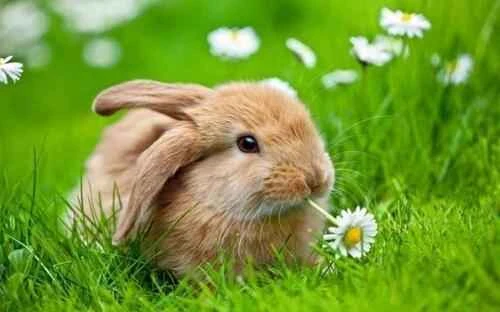
4. Rabbit

  • Emotional value : Medium to high

  • Reason : Rabbits are gentle and soft-spoken, making them ideal emotional companions. They enjoy gentle petting and interaction with people, bringing their owners a sense of relaxation and security. Caring for rabbits is simple, yet provides significant emotional comfort.

  • Typical characteristics : gentle, quiet, and affectionate, suitable for companions who like easygoing pets.

5. Birds (such as parrots and canaries)

  • Emotional value : Medium to high

  • Reasons : Birds such as parrots can interact with humans and even learn to mimic language. Their songs and colors can bring joy and help alleviate loneliness. Some birds can also provide emotional support by establishing long-term emotional bonds with their owners.

  • Typical characteristics : lively and sociable, suitable for partners who enjoy interaction.

6. Hamsters and small rodents

  • Emotional value : Medium

  • Reason : While small rodents like hamsters and guinea pigs may not interact as frequently as cats and dogs, their gentleness, liveliness, and ease of care make them excellent choices for relaxing companionship. Their adorable appearance and simple lifestyle can bring joy and relaxation to their owners.

  • Typical characteristics : Independent, curious, and suitable for easy companionship.

7. Fish

  • Emotional value : Medium

  • Reason : Although fish do not have the ability to interact directly, watching them swim in an aquarium can help relax the mind and reduce stress. Studies have shown that watching fish can help owners relax and relieve anxiety and tension.

  • Typical characteristics : Quiet, easy to maintain, suitable for partners who appreciate tranquility and visual appeal.

8. Reptiles (such as lizards, turtles, and snakes)

  • Emotional value : Low to medium

  • Reason : While reptiles don't exhibit the same expressive emotional abilities as mammals, they can provide a unique sense of satisfaction for some. Caring for these animals requires patience and attention, and their distinctive appearance and behavior can be captivating, offering emotional fulfillment to certain enthusiasts.

  • Typical characteristics : unique, low interaction, suitable for partners who like to observe and be quiet.

9. Pig (Mini Pig)

  • Emotional value : Medium to high

  • Reason : Miniature pigs are emotionally rich and intelligent animals. They are friendly, curious, and trainable when interacting with their owners. Miniature pigs have been shown to help relieve stress and provide psychological support to their owners.

  • Typical characteristics : intelligent, perceptive, suitable for companions who like unique pets.

10. Madagascar lemur

  • Emotional value : High

  • Reason : Lemurs are social animals and can form deep emotional bonds with humans, especially when they are well cared for. Their curiosity, social skills, and interactivity enable them to provide emotional comfort and satisfaction to humans.

  • Typical characteristics : curious, lively, and gregarious, suitable for interaction in specific environments.

in conclusion

In the animal kingdom, different animals exhibit varying emotional value based on their personality, behavior, and interactions with humans. Dogs and cats rank highly in emotional support, helping their owners reduce loneliness, stress, and anxiety. Horses also play an important role in therapy and emotional support. Other animals such as rabbits , birds , fish , and reptiles can also provide emotional comfort to specific groups of people. Choosing a pet that suits one's lifestyle and needs can significantly enhance happiness and emotional fulfillment.

Read next

Animal Fur Coats: Historical, Ethical, and Modern Perspectives

Introduction: Why do people search for animal fur coats? When users search for "animal fur coats", they may b...

Articles 2026-01-12