Unveiling the phenomenon of menstruation in animals: Which animals menstruate? What impact does it have on animal health?
Menstruation is a common phenomenon in human women's reproductive cycle, but not all animals experience this process. In fact, menstruation is relatively rare in the animal kingdom, with only a few species experiencing a physiological cycle similar to that of humans. This article will reveal which animals menstruate, the impact of menstruation on animal health, and its significance in biological evolution.
1. What is menstruation?
Menstruation is the process by which the lining of the uterus in female mammals sheds and is expelled through the vagina during the reproductive cycle. During the menstrual cycle, if fertilization does not occur, a drop in hormone levels causes the uterine lining to shed and be expelled from the body. The cyclical nature of menstruation is closely related to the functioning of the reproductive system.
In human females, menstruation occurs approximately every 28 days, a physiological phenomenon closely related to the preparation and repair process of the reproductive system.
2. Which animals have menstruation?
While many mammals have reproductive cycles, only a very few animal species experience menstruation similar to that in humans. These animals are typically primates.
a. Primates
Menstruation is relatively common in primates, especially chimpanzees , bonobos , baboons , and apes . Similar to human females, these animals experience cyclical menstruation. The menstrual cycle in primates typically lasts about 30 days, similar to that in humans.
b. Some bat species
Some specific species of bats, known as feral bats , also undergo a menstrual-like process. Scientists believe this is because their reproductive mechanisms are similar to those of primates, particularly in ovulation and changes in the uterine lining.
c. Elephant
Elephants have also been found to have menstrual-like reproductive cycles. Although elephants do not have obvious menstrual blood discharge, their uterine lining undergoes changes in thickness and partial shedding during the reproductive cycle.
3. The reproductive cycle of most animals: estrus
While humans and some animals experience menstruation, most mammals do not have this physiological process. Instead, many animals regulate their reproductive behavior through estrous cycles .
Estrus is a phase in the reproductive cycle of female animals, during which they are more receptive to mating. Unlike menstruation, the uterine lining of animals in estrus does not shed and be expelled from the body like in humans; instead, it is reabsorbed. Therefore, most mammals do not experience noticeable bleeding.
4. The evolutionary significance of menstruation
Why do only a few animals menstruate? This question has puzzled scientists for years. Several hypotheses explain the evolutionary significance of menstruation.
a. Reproductive health protection
Menstruation may be a protective mechanism to prevent infection by pathogens in the uterine lining. During the menstrual cycle, the uterine lining sheds and is expelled, which may help clear out potential pathogens and thus protect the health of the reproductive system.
b. Reproduction regulation
Menstruation may be related to the mother's selection of embryos. In the course of evolution, the periodic renewal of the uterine lining ensures that only the healthiest embryos can successfully implant and develop. This selection mechanism helps improve the survival rate of offspring.
c. Optimization of energy consumption
Menstruation may be an optimization of resource consumption for the body. The periodic shedding of the uterine lining reduces the body's maintenance and repair of unnecessary tissues, helping to conserve energy and thus providing more resources for other physiological activities.
5. The effects of menstruation on animal health
Like humans, animals that menstruate can also face related health problems. The bleeding, pain, and hormonal fluctuations associated with menstruation can affect their behavior and physical condition. For example, primates may exhibit symptoms such as increased fatigue and reduced activity during menstruation. Furthermore, prolonged imbalances in the reproductive cycle can also negatively impact an animal's reproductive capacity.
In zoos or laboratories, researchers typically monitor the reproductive health of these animals closely to ensure they are in good condition during their menstrual cycles.
6. Differences between menstruation and that of human women
While some animals exhibit menstruation similar to human women, differences exist in cycle length, menstrual flow, and duration of bleeding. For example, chimpanzees have longer menstrual cycles than humans, while some bats experience relatively light menstrual bleeding. These differences reflect the diversity of reproductive physiology among different species.
7. Conclusion: Biological and evolutionary significance of menstruation
Although menstruation is relatively rare in the animal kingdom, its existence reflects the complexity of reproductive system evolution. Menstruation in primates, certain bats, and elephants provides important clues to understanding reproductive health, evolutionary biology, and reproductive mechanisms. Future research may further reveal the role of menstruation in different animal species and explain its profound impact on animal health and evolution.
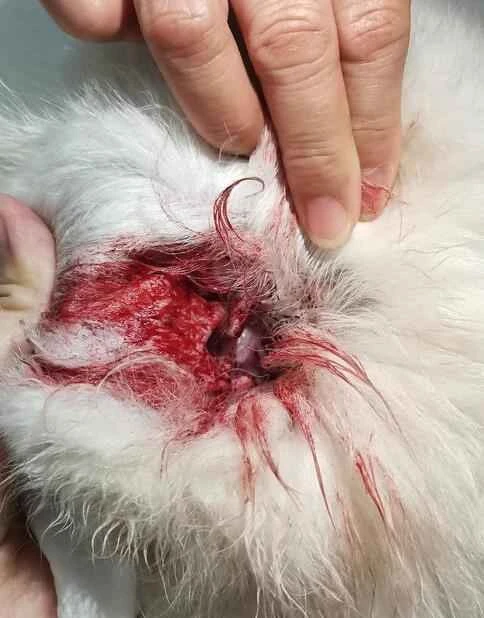
Menstrual cycle of animals
In the animal kingdom, menstrual cycles similar to those in humans are extremely rare; only a very few species experience a complete menstrual cycle. Below are some known animals that exhibit menstruation and their approximate menstrual cycles:
1. Humans
Menstrual cycle : average 28 days (can be between 21 and 35 days).
Menstrual duration : 3-7 days.
2. Chimpanzee
Menstrual cycle : approximately 28-35 days.
Menstrual cycle duration : 3-6 days. Chimpanzees have a menstrual cycle similar to humans, involving bleeding and shedding of the endometrium.
3. Bonobos
Menstrual cycle : approximately 32-35 days.
Menstrual duration : 3-5 days. Bonobos have slightly longer menstrual cycles than chimpanzees, but the bleeding duration is similar.
4. Baboon
Menstrual cycle : approximately 30-35 days.
Menstrual cycle duration : 2-4 days. Baboons also have similar menstrual cycles, but their menstrual cycles are shorter.
5. Apes (such as gorillas)
Menstrual cycle : approximately 28-30 days.
Menstrual cycle duration : 3-5 days. Apes have similar menstrual cycles to humans.
6. Fruit bats
Menstrual cycle : approximately 28 days.
Menstrual duration : 1-2 days. Fruit bats are among the few known non-primates that experience menstruation, although the amount of bleeding is small, the cycle is relatively stable.
7. Elephant-like creatures
Menstrual cycle : approximately 16 weeks (4 months). Elephants do not experience obvious menstrual bleeding like primates, but their reproductive cycle is relatively long, characterized by cyclical changes in the uterine lining.
8. Other primates
Some other primates, such as ring-tailed lemurs and gibbons , may have similar cycles, but due to limited research, specific menstrual cycle data are not yet fully established. Generally, the cycle length of these primates is similar to that of humans and other primates, typically between 28 and 40 days.
in conclusion
Menstruation is quite rare in the animal kingdom, occurring primarily in primates and a few other species. Most mammals use estrous cycles , not menstrual cycles. While the length of these menstrual cycles varies, they generally share some similarities with the human reproductive cycle.
Menopause in animals
Menopause is the cessation of reproductive function, including ovulation and menstruation, in an organism. Unlike humans, most animals do not experience a menopausal phase. Most animals retain reproductive capacity until the final stages of their lives; only a few species undergo true menopause. Below are some known animals that experience menopause and their approximate timing.
1. Humans
Menopausal age : usually between 45 and 55 years old.
Lifespan and Menopause : Menopause in human women usually occurs in the middle to late stages of life, and they can still live for many years after menopause (usually 20-30 years).
2. Killer whale (Orcas)
Menopause occurs around age 35-45.
Lifespan and Menopause : Orcas can live for decades after menopause, with an average lifespan of 50-80 years. Older female orcas take on the role of "family leader" after menopause, helping to protect and guide the group.
3. Short-finned pilot whale
Menopause time : around 30-40 years old.
Lifespan and Menopause : Women can still live to around 60 years old after menopause. After menopause, females continue to play an important role in the group, especially in protecting and caring for offspring.
4. African elephant
Menopause time : Although African elephants do not have true menopause, female elephants' reproductive capacity declines significantly around the age of 40-50.
Lifespan and Menopause : African elephants typically live to be 60-70 years old, and female elephants continue to assume important social and parental responsibilities in the group even in their later years.
5. Other primates besides humans
Most primates, such as chimpanzees , bonobos , and baboons , experience a decline in fertility, but do not have a distinct menopausal stage like humans. Female primates typically retain some reproductive capacity in the final stages of their lives and do not completely cease ovulation.
6. Other animals
Most mammals do not experience menopause; they continue to ovulate and reproduce until late in life. For example, common mammals such as dogs , cats , and horses , while their fertility declines with age, do not experience the pronounced menopause seen in humans.
Why do only a few animals experience menopause?
Scientists have proposed several theories about why certain species experience menopause. One well-known hypothesis is the grandmother hypothesis , which suggests that in some social animals, older females ceasing reproduction allows them to focus on caring for their existing offspring and grandchildren, thereby improving the overall survival rate of the group. This phenomenon is particularly evident in orcas and humans, where older females can use their experience and wisdom to help the group cope with challenges.
in conclusion
While menopause is common in humans, it is extremely rare in the animal kingdom. Aside from humans, only a handful of animals, such as killer whales and short-finned pilot whales, experience menopause. These species continue to live for many years after menopause, providing vital social and parental support to their groups.