The International Union for Conservation of Nature (IUCN) Red List of Threatened Species (also known as the Red Book) was first compiled in 1963 and is the most comprehensive list of the current status of conservation of flora and fauna species worldwide. This list is compiled and maintained by the IUCN.
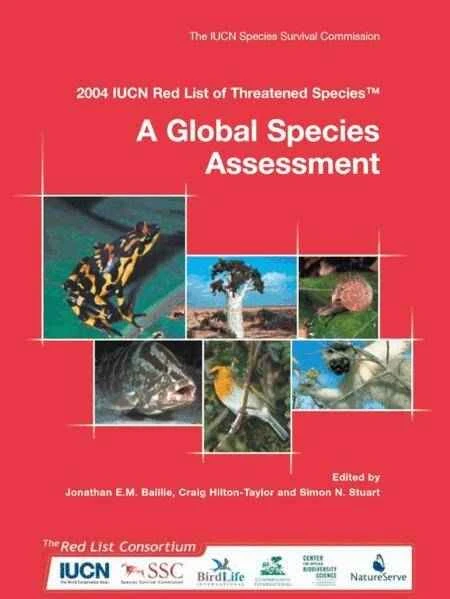
Conservation status refers to the likelihood of a species continuing to exist. Many factors can influence a species' conservation status: not just the simple number of living individuals, but the growth or decline of the entire population over time, feeding success rates, known threats, and so on.
The main species assessment bodies include BirdLife International, the World Conservation Monitoring Centre, and expert groups within the IUCN Species Survival Commission. In total, these groups assess nearly half of the species on the entire Red List.
On September 4, 2021, the 7th World Conservation Congress was held in Marseille, France. The International Union for Conservation of Nature (IUCN) updated its Red List of Threatened Species. The Red List assesses 138,374 species, of which 38,543 species are "at risk of extinction to varying degrees," accounting for nearly 28%.
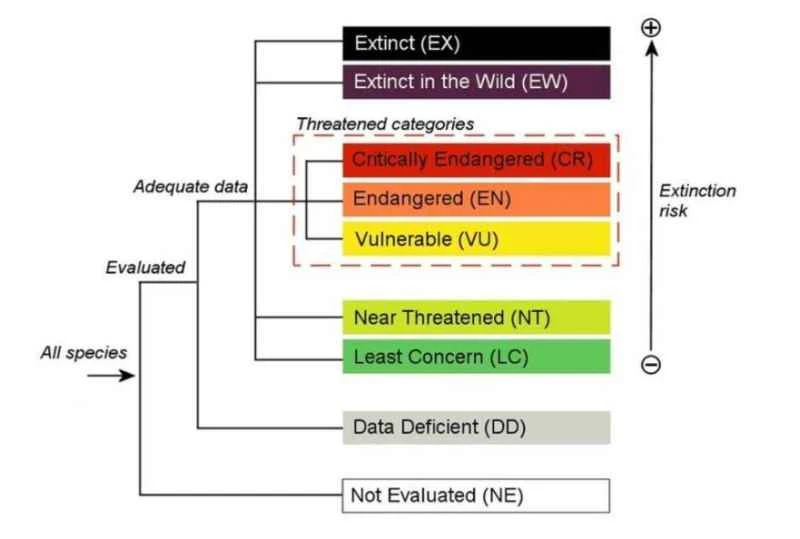
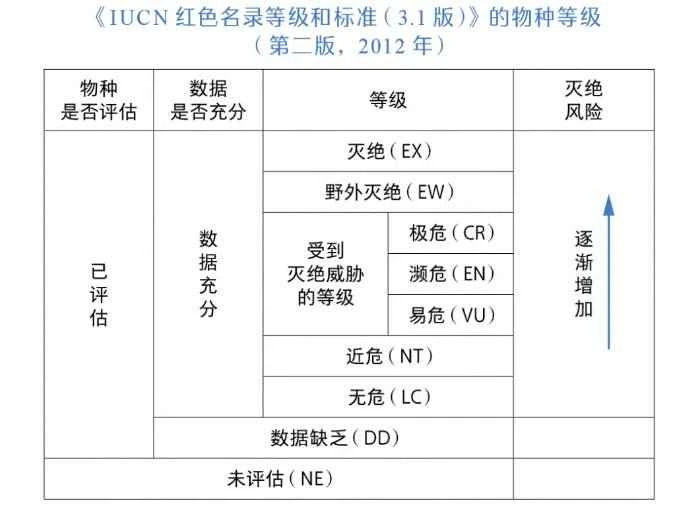
Species conservation levels are divided into nine categories, classified according to criteria such as rate of population decline, total number of species, geographical distribution, and degree of population dispersion. The highest level is Extinct (EX), followed by Extinct in the Wild (EW). The three levels of Critically Endangered (CR), Endangered (EN), and Vulnerable (VU) are collectively referred to as "Threatened". The others are, in order, Near Threatened (NT), Least Concern (LC), Data Deficient (DD), and Not Evaluated (NE).
1. Annihilation (EX)
If there is no reason to suspect that the last individual of a taxonomic unit has died, the taxonomic unit is considered extinct; if a thorough survey of known and possible habitats is conducted at appropriate times (day, season, year) and no individual is found, the taxonomic unit is considered extinct.
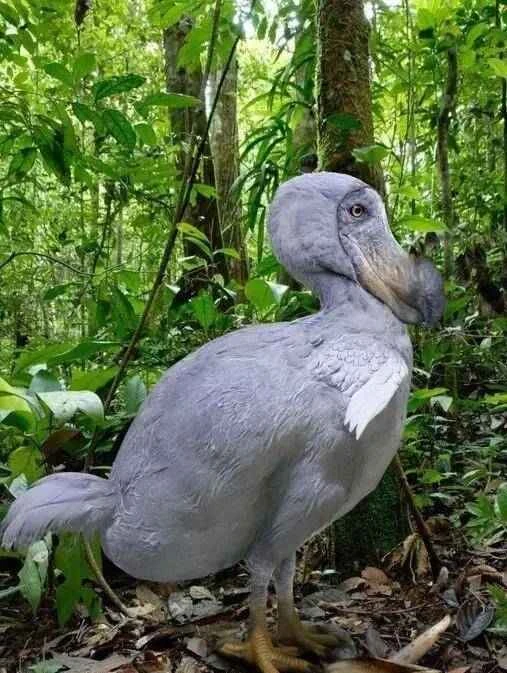
For example: the extinct dodo bird
It is estimated that over 99% of all species once lived on Earth, totaling more than 5 billion species, which have now gone extinct and we will never see them again. The current number of species on Earth is estimated to be between 10 and 14 million, of which approximately 1.2 million have been documented, leaving over 86% undescribed. In 2016, scientists reported that there are currently an estimated 1 trillion species on Earth, of which only one-thousandth have been described.
2. Wild Extinction (EW)
If a biological taxonomic unit is known to live only under cultivated or captive conditions or only as a naturalized population (or population) in a habitat far from its past, then that taxonomic unit is considered to be extinct in the wild.
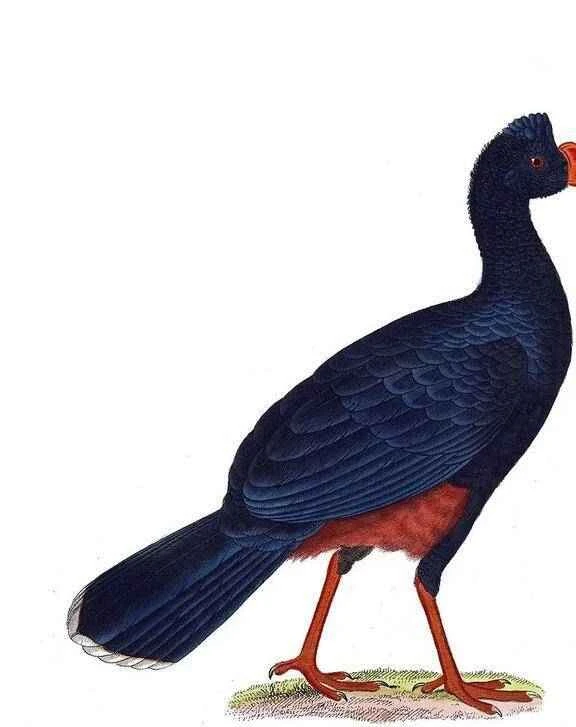
For example: Razor-beaked Crested Pheasant
Extinction in the wild is a conservation status that is defined when a species or its subspecies is classified as such when the known individuals of the species only survive in captivity or when the population can only return to its historical location after being released into the wild.
3. Critically Endangered (CR)
When the wild population of a biological taxonomic unit faces a very high probability of extinction, that taxonomic unit is classified as critically endangered.
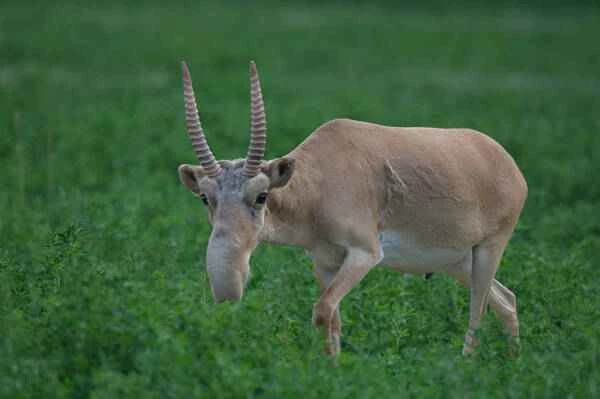
For example: saiga antelope
Critically endangered species are those whose wild populations face an extremely high probability of extinction. This is the next highest level of endangerment after extinction and extinction in the wild. The IUCN's strict definition is that the species has declined by 90% or more over three generations in the past decade or so. While captive breeding is often used to protect critically endangered species, some argue that rebuilding populations under natural conditions is even more important.
4. Endangered (EN)
The 2012 IUCN Red List of Threatened Species listed 3,079 animal species and 2,655 plant species as endangered worldwide. In 1998, there were 1,102 endangered animal species and 1,197 endangered plant species.
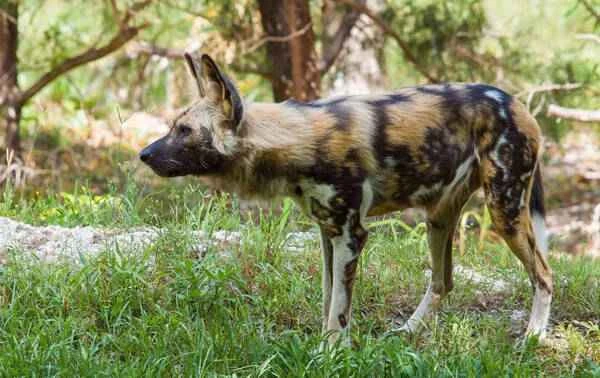
For example: African wild dogs
Endangered species are those whose wild populations face a high probability of extinction in the near future due to various reasons such as overhunting, poaching, environmental destruction, population scarcity, and habitat shrinkage. The extinction of a key species can disrupt the local food chain, destabilize the ecosystem, and potentially lead to the collapse of the entire ecosystem.
5. Vulnerable (VU)
When a biological taxonomic unit does not meet the criteria for critically endangered or endangered, but its wild population has a high probability of extinction in the future, the taxonomic unit is listed as vulnerable.
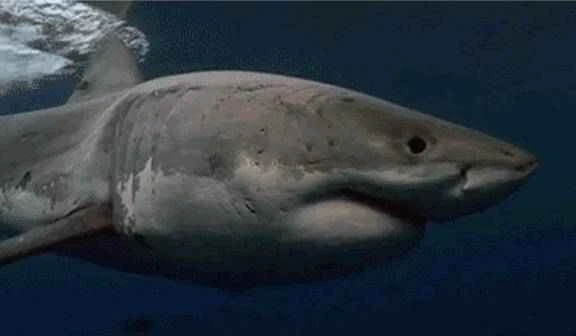
Vulnerable species are those organisms that are on the verge of becoming endangered, such as those affected by environmental factors and those that may face a relatively high threat of extinction in the medium term. Currently, there are approximately 8,565 species classified as "vulnerable" on the IUCN Red List. The great white shark is a representative example.
6. Near Risk (NT)
When a biological taxonomic unit does not meet the criteria for critically endangered, endangered, or vulnerable, but is close to or likely to meet the threatened level in the future, the taxonomic unit is classified as near endangered.
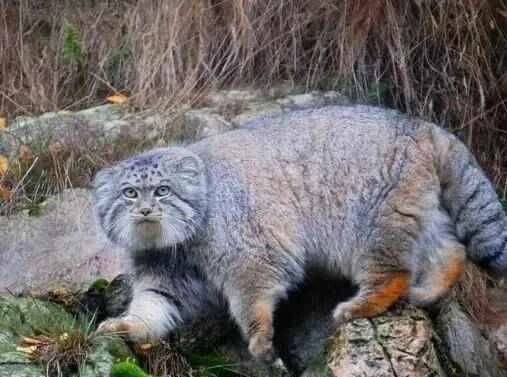
For example: Pallas's cat
Near Threatened species are those with a low conservation status but may face endangerment or extinction in the near future. The IUCN regularly reassesses the species level within this range to ensure their danger status.
7. No risk (LC)
When a biological taxonomic unit is assessed as not meeting the criteria for critically endangered, endangered, vulnerable, or close to endangered, it is classified as a species of concern, i.e., a species of least concern; taxonomic units that are widely distributed and have abundant species all fall into this category.
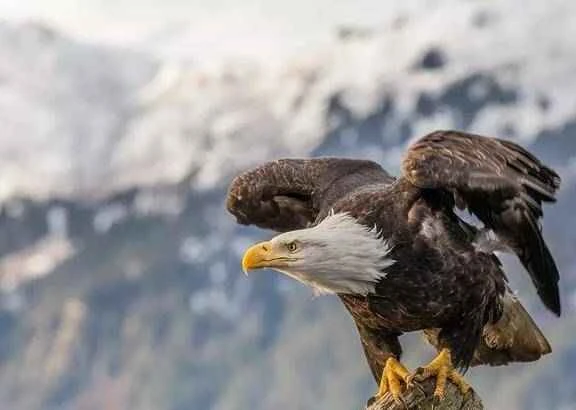
For example: Bald eagle
Species of Least Concern, also known as species of low concern, are classified by the International Union for Conservation of Nature (IUCN) according to their conservation status. These are species that are assessed as not belonging to any other classification. They are neither endangered nor near-threatened, nor do they require habitat protection. These species face a relatively low level of threat.
8. Data Deprivation (DD)
When there is insufficient data, either directly or indirectly, to determine the distribution or population status of a biological taxonomy in order to assess the degree of extinction risk it faces, that taxonomy is considered to be lacking in data.
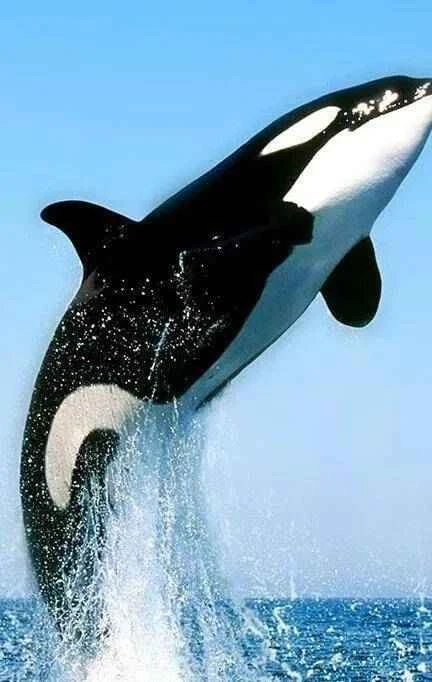
For example: killer whale
Data deficiency is a classification marker used when there is insufficient known information about a species to properly assess its conservation status. This does not necessarily mean that the species has not been extensively studied; however, it certainly means that there is very little or no data on the species' population size and distribution.
9. Not assessed (NE)
If a biological taxonomic unit has not been evaluated using this standard, it may be listed as unevaluated.
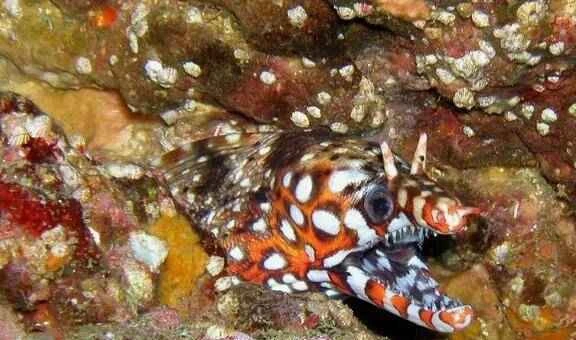
For example: Leopard-spotted eel
"Not assessed" means that the species/subspecies has not yet been studied or assessed by the International Union for Conservation of Nature (IUCN), or is temporarily considered not to require immediate attention and resources should be invested in the identification and classification of other species.
Of all the assessed species, 16,118 are considered threatened, including 7,725 animals, 8,390 plants, and 3 lichens and fungi. The list also includes 784 species that have been extinct since 1500 AD, the same number as in 2004. This represents an increase of 18 species compared to the 766 listed in 2000. A small number of extinct species are rediscovered each year and reclassified as "Lazarus taxon" (an archaeological term referring to species that are intermittently appearing in the fossil record) or classified as "Data Deficient" (DD). The number of extinct species was 759 in 2002, but has since increased.
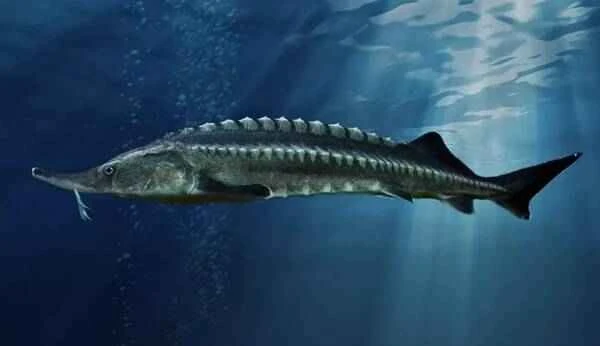
On July 21, 2022, Beijing time, the International Union for Conservation of Nature (IUCN) updated its Red List of Threatened Species. The list shows that the Yangtze River endemic species, the Chinese paddlefish, is extinct, and the Yangtze sturgeon is also extinct in the wild.