Rats are small, intelligent, and highly adaptable animals, found in virtually every environment around the world. Whether kept as pets or as pests in cities, a common question is: how long do rats live? Understanding rat lifespan is important not only for pet owners but also for those trying to control their populations. In this article, we'll delve into rat lifespan, the differences between wild and domestic rats, and the key factors that influence their lifespan.
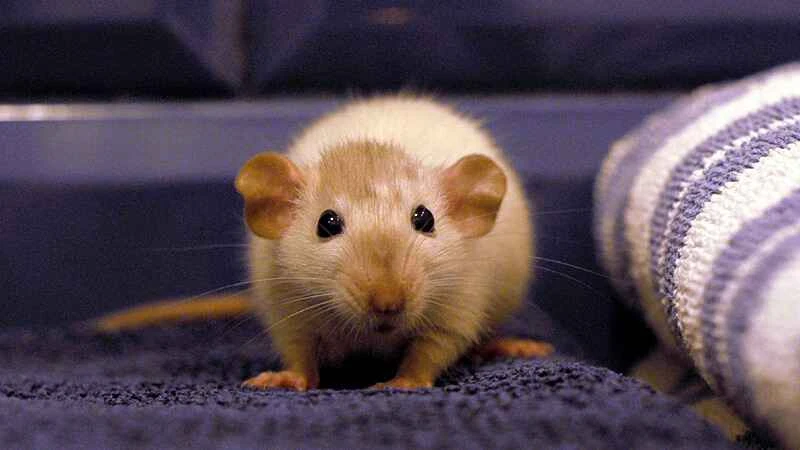
Key data on mouse lifespan
Average lifespan of wild mice : 1-2 years
Average lifespan of pet/domestic mice : 2-3 years
Factors affecting the lifespan of mice : diet, habitat, genetics, health status, and predators.
Lifespan of Rats: Wild Rats vs. Domestic Rats
wild rats
In the wild, rats face a variety of threats that typically shorten their lifespan. Wild rats usually live only one to two years , with many dying even in their first year due to everyday dangers. Predators such as snakes, birds of prey, and large mammals pose a constant threat to rats. In addition, disease, parasites, and competition with other rats or animals can also lead to premature death.
Rats in urban environments typically have access to ample food, but they also face unique challenges such as poisons, rat traps, and a lack of natural shelter. Even with sufficient food, urban rats often do not live for more than a few years.
Domestic rats
Pet mice have a significantly longer lifespan than wild mice, typically living 2 to 3 years . Under ideal conditions, some pet mice can even live up to 4 years, though this is relatively rare. Domesticated mice benefit from a stable supply of food, water, and medical care, which greatly reduces the risks they face compared to wild mice.
Furthermore, domesticated mice experience far less environmental stress than wild mice. They don't have to worry about predators, harsh weather conditions, or fighting for territory and mating rights. This relatively safe and peaceful living environment significantly extends their lifespan.
Common Mouse Types and Their Lifespan
Several common types of rats exist worldwide, found both in the wild and as pets. Below is an overview of the lifespan of several well-known rat types:
Brown rat (Rattus norvegicus) : Also known as the Norwegian rat, it is widely distributed in urban and rural areas around the world. Wild brown rats generally live for 1 to 2 years, but under good breeding conditions, brown rats kept as pets can live for about 3 years.
Black rat (Rattus rattus) : Also known as roof rat, it typically lives in warm climates. Its lifespan is similar to that of the brown rat, approximately 1 to 2 years in the wild and up to 3 years in captivity.
Chipmunks (Fancy Rat) : This is a domesticated breed of brown rat, specifically kept as a pet. Chipmunks typically live for 2 to 3 years, but some individuals can live longer with good care.
Factors affecting the lifespan of mice
Whether wild or domesticated, the lifespan of mice can be affected by a variety of factors.
1. Diet
A rat's diet is a key factor affecting its lifespan. Wild rats typically eat whatever they can find, including garbage, leftovers, and small animals. This unbalanced diet can weaken their immune system, thus shortening their lifespan.
In contrast, pet mice typically receive a more balanced diet, including fresh fruits and vegetables, as well as specially formulated mouse food. This balanced diet helps maintain the mice's health, thus extending their lifespan.
2. Habitat
Rats living in unsafe or filthy environments are more susceptible to disease or predators, leading to shorter lifespans. Wild rats living in heavily polluted urban areas may be exposed to toxins, harmful substances, and human interventions (such as poisons and rat traps).
Pet mice enjoy a clean living environment with soft bedding and toys in their cages, making them safe and comfortable. Providing a low-stress environment with plenty of activity can improve the overall health of pet mice and extend their lifespan.
3. Natural enemies and human threats
Natural predators are one of the main reasons for the short lifespan of wild rats. Animals such as owls, eagles, foxes, and cats are major natural predators of rats. In cities, rats are also threatened by human hunting, traps, and poisons, all of which significantly shorten their lifespan.
Pet mice, on the other hand, do not face these threats at all, which reduces their environmental stress and allows them to live longer.
4. Health and Medical Care
Wild rats lack access to medical care, making them more vulnerable to disease, parasites, and infections. Common health problems in wild rats include respiratory infections, mites, and fleas. Without treatment, these problems can quickly become fatal.
Pet mice can receive timely treatment and health management through regular veterinary care. Common health problems in pet mice include respiratory infections and tumors, but many of these issues can be effectively controlled with timely medical intervention.
How to extend the lifespan of a pet mouse
If you have a pet mouse, the following points can help ensure it lives a long and happy life:
Provide a nutritionally balanced diet : Ensure your pet mouse has access to plenty of water and a balanced diet. Mouse-specific pellet food, fresh vegetables, and occasional fruit can serve as their primary food source.
Keep the environment clean : Clean the rat cages regularly to prevent the accumulation of bacteria and waste, which can lead to disease. Use safe and non-toxic bedding materials.
Provide ample space and toys : Mice are very intelligent and need plenty of mental stimulation to stay happy and healthy. Provide them with toys, tunnels, and running wheels to ensure they get enough exercise and activity.
Regular veterinary checkups : Take your pet mouse to the vet regularly to ensure early detection and treatment of health problems. Respiratory infections and tumors are common in mice, but many diseases are treatable with timely medical intervention.
Reduce stress : Ensure your mice live in a quiet, peaceful environment. Stress can weaken their immune system and shorten their lifespan.
in conclusion
So, how long do mice live? The answer largely depends on their living environment. Wild mice typically live only 1 to 2 years due to threats from predators, diseases, and harsh environments. Domestic mice , on the other hand, can live 2 to 3 years , and even longer under optimal conditions. If you keep a pet mouse, providing it with a good diet, a clean environment, regular veterinary care, and plenty of exercise can significantly extend its lifespan.
Understanding the factors that influence a mouse's lifespan can help not only pet owners but also manage mice in different environments. Whether wild or domesticated, mice can thrive under suitable conditions and enjoy a long and healthy life with good care.