Dr. Liangxue Lai, a researcher at the Guangzhou Institutes of Biomedicine and Health, Chinese Academy of Sciences, and a professor at the College of Veterinary Hospitals, Jilin University, in collaboration with Professor Zhong Wang from the University of Michigan, has obtained the world's first ROSA26 site-directed gene knock-in pig model. Using this model pig, recombinase-mediated gene exchange was successfully achieved, thus solving the long-standing problems of low efficiency and uncertain phenotypes in transgenic pig research. This achievement will greatly promote the application of transgenic pigs in agriculture and medicine. The research results were published online in Cell Research on February 7th.
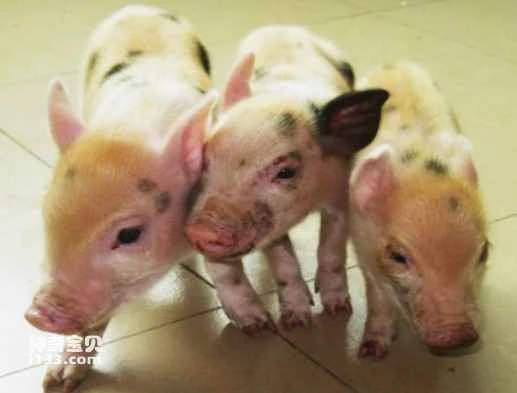
ROSA26 transgenic piglets
Transgenic pigs have significant applications in agricultural breeding and biomedical research. For a long time, due to the lack of porcine embryonic stem cells, the preparation of transgenic pigs has mainly relied on somatic cell gene modification and somatic cell nuclear transfer techniques. Currently, somatic cell gene modification primarily involves randomly inserting foreign genes into the pig genome. Therefore, the integration site and copy number of the foreign gene in the pig genome are uncontrollable, leading to unstable expression of the foreign gene in pigs and heterogeneous phenotypes among individual transgenic pigs, thus limiting the breeding and application of transgenic pigs.
Our research team first identified a specific gene locus in the pig genome: ROSA26. Genes located at this locus are widely expressed in all tissues and cells. Over the past 20 years, a series of Rosa26 mouse models have been obtained by modifying the Rosa26 gene locus in mice, playing a significant role in developmental biology and stem cell research. Currently, this locus has only been identified and modified in human embryonic stem cells and rats, and has not yet been discovered and applied in large animals.
Researchers have successfully constructed the world's first large animal model of ROSA26-targeted Cre recombinase reporter gene knock-in using TALEN-mediated gene knock-in technology. This animal model will allow for lineage tracing of the differentiation and regeneration of various stem cells in pigs, providing valuable large animal experimental evidence for elucidating the mechanisms of diseases related to human stem cells and implementing stem cell therapy.
Building upon this foundation, researchers Li Xiaoping and his collaborators ingeniously designed a pair of heterologous loxp sites at the ROSA26 locus. Through recombinase-mediated gene exchange, they successfully replaced the EGFP gene with the red fluorescent protein tdTomato gene, thus obtaining the world's first large animal model of recombinase-mediated gene exchange. Using this model, researchers can insert any gene into the ROSA26 locus via recombinase-mediated gene exchange, achieving non-differential expression of the target gene in all tissues of large animals. Furthermore, since recombinase-mediated gene exchange can be obtained without drug screening, the resulting transgenic pigs do not carry exogenous drug resistance genes, thus eliminating biosafety and food safety risks associated with transgenic pig agricultural products.
This research was funded by the National Science and Technology Ministry's Major Basic Research Program and the National Institutes of Health (NIH) of the United States.