Rattlesnakes are among the world's most notorious predators. It's no wonder that their terrifying rattling sound, muscular bodies, and sharp fangs instill fear in many. Similarly, they often contain highly potent venom, which could make them dangerous to humans.
However, don't feel too isolated, as rattlesnakes are willing to fight almost any animal. Many rattlesnakes will even fight with other rattlesnakes. In these fights, they exhibit a unique behavior often referred to as a battle dance.
Despite being known for their rapid squeaking and biting, these dances are quite graceful and generally not too violent! If you're interested in learning more about what rattlesnake fighting dances are and when they're used, please read on!
What is Rattlesnake Fighting Dance?
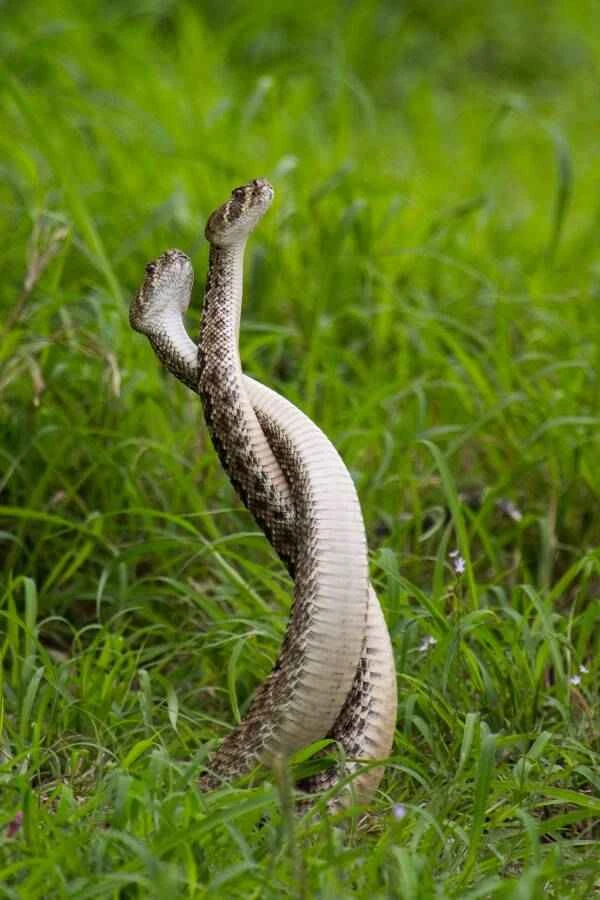
In the West, rattlesnakes fight for mating rights, and most of their fighting dances end in a draw.
Rattlesnake battle dances are fights that take place between male rattlesnakes during the mating season. They are a form of intrasexual competition in which members of the same sex within a species vie for the attention (and possibly mating privileges) of the opposite sex. In rattlesnakes, this occurs between males competing for females.
While you might imagine snakes wrestling with their long, venomous fangs, their dance is actually quite gentle. When males meet during mating season, they raise their heads into the air.
After assessing their opponent, the males will intertwine their bodies and try to raise their heads as high as possible. During the fight, they will attempt to push their opponent to the ground while maintaining a stiff posture. Therefore, this intertwining and entanglement of males is often described as a dance!
When did combat dance appear?
These dances are very unique among rattlesnakes and occur only during male mating activities. Shortly after waking from hibernation, male snakes begin searching for females. In doing so, they may encounter the path of another male, which is often how fights between males occur.
They do not exhibit this behavior even in other parts of the reproductive process (such as when male and female snakes mate).
Rattlesnake breeding
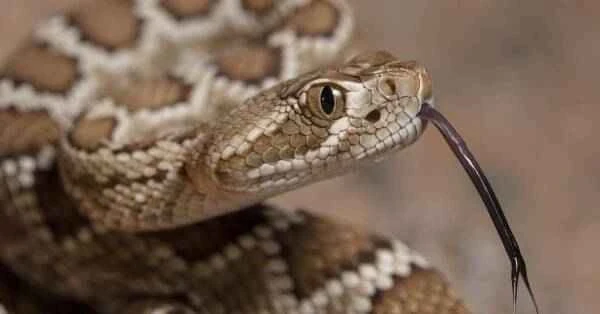
Unlike other snakes, rattlesnakes are technically "alive," meaning they leave their egg sacs before they are born!
Now that you have a better understanding of the reasons behind mating, it may be helpful to learn more about their reproductive cycle.
Most snakes mate shortly after emerging from hibernation in the spring. As mentioned earlier, male snakes will fight with other males to gain a better chance of mating with nearby females.
When a male and female snake come into close contact, the male will place his body on hers and rub his head against her body in an attempt to win her affection.
Rattlesnakes have a gestation period of up to 167 days. They are also ovoviviparous, meaning the larvae insert their egg sacs into their mothers' bodies before being born.
Do rattlesnakes always dance when they fight?
After hearing about their iconic fighting dance, many people wonder if rattlesnakes also "dance" during battles. Snakes don't usually dance in all fights, especially when fighting other animals.
Generally, the "dance" they are familiar with is a highly evolved behavior that can only be understood among members of the same species. Therefore, when they fight with other animals, they tend to exhibit more aggressive behaviors, such as making cawing noises and baring their fangs.