Zinc is an important trace element widely found in animal bodies. It plays a vital role in organisms, influencing everything from the immune system to metabolic functions. So, why are animals rich in zinc? This article will explore the sources, functions, and key significance of zinc for animal health.
1. Sources of zinc: a key nutrient in the diet
Zinc is primarily obtained through food and is widely present in the daily diets of animals. Animals can effectively absorb and store this crucial element by consuming zinc-rich plants, meat, or other foods. Foods rich in zinc, especially meat, shellfish, grains, and nuts, are particularly abundant in zinc.
Animals obtain zinc through the food chain; carnivores obtain it from prey, while herbivores obtain it from plants. As food is broken down in the digestive tract, zinc is absorbed into the bloodstream and widely utilized throughout the body.
2. The health benefits of zinc in animals
Zinc is essential for the normal physiological functions of animals, especially in the following aspects:
a. Promotes immune system function
Zinc plays a crucial role in the animal immune system, participating in the production and functional regulation of white blood cells. Adequate zinc levels can enhance an animal's resistance to disease and help prevent health problems such as infections and inflammation. Zinc deficiency can lead to weakened immunity, making animals more susceptible to disease.
b. Support growth and development
Zinc is a component of many enzymes involved in protein synthesis, cell division, and tissue repair. For young animals, zinc is an essential element for healthy growth and development. Zinc deficiency can lead to stunted growth, delayed development, and even reproductive system dysfunction.
c. Maintain healthy skin and hair
Zinc is essential for healthy skin and hair. It promotes skin regeneration and healing, preventing dryness, peeling, and infection. Furthermore, zinc enhances the strength and shine of hair, giving animals a healthier and more vibrant appearance.
d. Promote reproductive health
Zinc plays a vital role in the reproductive system of animals, particularly in sperm production and quality in males. Studies have shown that zinc deficiency leads to reduced sperm count and affects fertility. Therefore, zinc is considered an essential element for reproductive health.
3. The key role of zinc in metabolism
Zinc is a component of more than 300 enzymes and participates in a variety of metabolic processes, including the breakdown and synthesis of proteins, carbohydrates, and fats. This means it plays an indispensable role in energy metabolism in animals, helping to maintain normal physiological functions.
a. Antioxidant and anti-inflammatory effects
Zinc has powerful antioxidant capabilities, neutralizing free radicals and preventing cell damage. Furthermore, it can reduce inflammation, protect tissues from damage, and decrease the risk of age-related diseases.
b. Promotes neurological function and cognitive abilities
Zinc plays a vital role in maintaining a healthy nervous system, particularly in its significant impact on brain function. Zinc is involved in neurotransmission and brain development, helping to maintain cognitive abilities in animals. Zinc deficiency can lead to behavioral abnormalities and neurological problems.
4. Regulatory mechanisms of zinc levels in animals
Animals possess specific regulatory mechanisms to maintain zinc balance. The small intestine is the primary site of zinc absorption, while the liver is responsible for zinc storage. The body maintains zinc balance by regulating absorption and excretion mechanisms. Zinc is mainly excreted through urine, feces, and sweat, and insufficient or unbalanced intake can lead to decreased zinc levels in the body, affecting health.
5. Effects of zinc deficiency: Increased health risks
When an animal's zinc levels are insufficient, a range of health problems can occur:
Impaired immune system : When immunity is weakened, animals are more susceptible to infections.
Growth retardation : Young animals may experience poor growth and development, while adult animals may experience a decline in physical strength.
Skin problems : Skin becomes dry and rough, and hair falls out.
Decreased fertility : Disorders of the reproductive system lead to reduced fertility.
6. Zinc-rich animal organs: liver and muscle
Many animal organs are rich in zinc, especially the liver and muscles. Carnivores obtain high concentrations of zinc by consuming the livers and viscera of other animals, while herbivores ingest zinc from plants, which is then distributed and stored in the body. As a metabolic center, the liver is rich in various trace elements, with zinc being particularly abundant.
7. Conclusion: Zinc – a key element for animal life
Zinc is an essential element for animals, participating in almost all important physiological processes. Whether it's immune function, metabolic responses, or growth, development, and reproductive health, zinc plays a crucial role. Through a balanced diet, animals can maintain healthy zinc levels, thus ensuring normal bodily function.
Zinc is essential for animal survival and reproduction. Understanding the role and sources of zinc in animals not only helps ensure their health but also helps us better understand the broad significance of zinc in ecosystems.
Which animals have the highest zinc content?
Some animals have exceptionally high zinc levels, especially certain marine life and meat. Here are some animals with high zinc content:
1. Oyster
Oysters are recognized as the animal with the highest zinc content, containing approximately 16-182 milligrams of zinc per 100 grams, far exceeding any other food. Oysters are not only a rich source of zinc but also rich in other minerals and vitamins, making them a popular choice for boosting immunity and improving sexual health.
2. Crabs and lobsters
Crabs and lobsters are also good sources of zinc. Every 100 grams of crab meat contains approximately 6-7 milligrams of zinc, while lobster contains roughly the same amount. These seafoods are not only delicious but also provide a rich source of zinc, which helps maintain a healthy immune system.
3. Beef
Beef, especially red cuts, is one of the land animals with a relatively high zinc content. Every 100 grams of beef contains approximately 4-6 milligrams of zinc. The zinc in beef is not only easily absorbed but is also an important mineral source in the diets of many countries.
4. Pork
Pork is also a rich source of zinc. Every 100 grams of pork contains approximately 2-4 milligrams of zinc, especially in lean cuts. The zinc in pork plays an important role in maintaining metabolism, the immune system, and tissue repair.
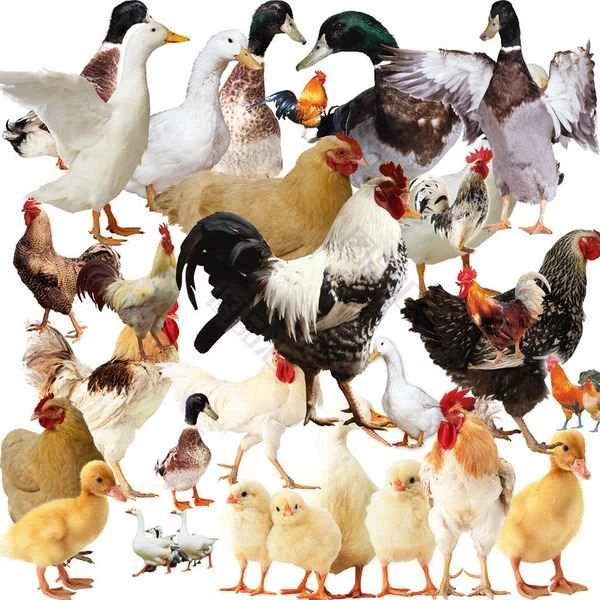
5. Poultry (chicken, turkey)
While poultry such as chicken and turkey don't contain as much zinc as red meat, they are still good sources of zinc. 100 grams of chicken contains approximately 1-2.5 milligrams of zinc. For those who don't like red meat, poultry is a good alternative.
6. Lamb
Lamb contains about 4-5 milligrams of zinc per 100 grams, comparable to beef. Lamb not only provides high-quality protein but is also rich in zinc, which helps support the immune system and growth.
7. Fish (salmon, sardines)
Fish is also a good source of zinc. Salmon contains about 1 milligram of zinc per 100 grams, while sardines contain slightly more, about 2-3 milligrams. Although fish doesn't contain as much zinc as shellfish and red meat, it is rich in Omega-3 fatty acids and other beneficial substances, making it a part of a healthy diet.
8. Dairy products (milk, cheese)
While dairy products such as cheese and milk are not considered "meat," they do contain adequate amounts of zinc. 100 grams of cheese contains approximately 3-4 milligrams of zinc, while a cup of milk contains about 1 milligram. Dairy products provide a stable source of zinc in the daily diet, making them particularly suitable for those who do not frequently consume meat.
9. Eggs
While eggs are not high in zinc, they still provide some zinc support in the diet. Approximately 1-2 milligrams of zinc are found per 100 grams of eggs. Although eggs have a relatively low zinc content, they are a common food that provides a variety of nutrients for the daily diet.
in conclusion
The animals with the highest zinc content are mainly marine life and red meat, especially oysters, crabs, beef, and lamb. These foods are not only rich in zinc but also contain other essential nutrients that are crucial for maintaining good health. If your diet is deficient in zinc, consider increasing your intake of these animal-based foods to supplement this key element.