Most warm-blooded animals, like humans, have poor tolerance for hunger and require three meals a day. However, there are indeed some animals in the world that are extremely resistant to hunger. Camels are often the first animal that comes to mind when people think of animals that are not afraid of hunger, but is this really the case? Today, we'll introduce you to 10 of the world's most hunger-resistant animals, including tardigrades, soft ticks, cave salamanders, lungfish, giant salamanders, crocodiles, and snails. Let's learn about them together. These animals have demonstrated amazing tolerance for hunger, making us marvel at the adaptability of life.
1. Water bear (can go 30 years without eating or drinking)
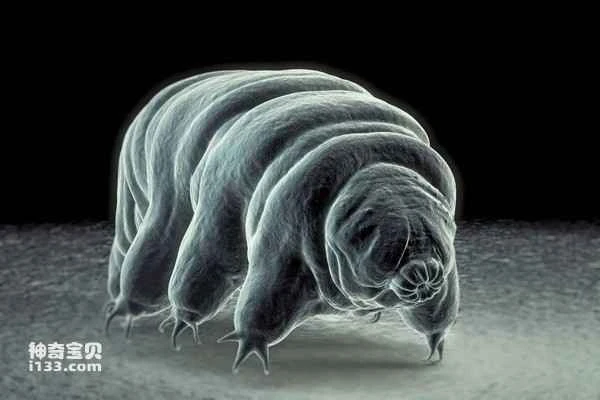
The undisputed answer to the question of which animal can survive without food or water is the tardigrade. They are among the most resilient creatures on Earth, with a history dating back to the Cambrian period, 500 million years ago. Tardigrades are widely distributed, found in a variety of environments including the Arctic, tropics, the deep sea, and hot springs. They are renowned for their cryptobiosis, meaning they can enter a state similar to suspended animation. These creatures possess incredible resilience, have no natural predators, and can survive in extreme conditions, including freezing, dryness, starvation, and oxygen deprivation. Tardigrades can even survive for up to 30 years without food or water. Once in cryptobiosis, they can tolerate extreme temperatures, radiation, and even survive in the vacuum of space.
2. Soft ticks (30 years)

Insects generally possess remarkable resistance to starvation, although most insects have relatively short lifespans. Ticks, however, are an unusual group of insects. Besides causing pest problems for animals and livestock, they also parasitize human bodies, feeding on blood and transmitting various infectious diseases, sometimes even endangering life. Hard ticks typically have relatively short lifespans, ranging from one month to several months, while soft ticks can live for five or six years, or even decades. Adult ticks feed for about 10 to 60 minutes at a time, and they are highly resistant to starvation; adult ticks that do not feed can generally live for 5 to 6 years. In particular, some species of African soft ticks can survive for up to 30 years without food or water.
3. Oyster (6-10 years old)
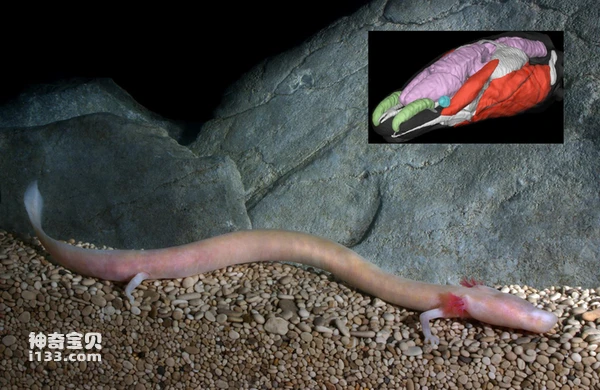
Before the discovery of tardigrades, the olm was renowned as one of the most resilient animals in the world. Also known as the blind salamander, the olm is an amphibian whose distinctive appearance often evokes images of a small dragon. Biologists have concluded through observation and speculation that the olm may live up to a hundred years. This animal can survive without predation, without prolonged exercise or reproduction, and can even survive for 6 to 10 years without food. However, due to habitat pollution and other factors, the olm population has gradually declined. Therefore, the olm has been listed as Vulnerable (VU) on the IUCN Red List of Threatened Species.
4. Lungfish (3-5 years old)
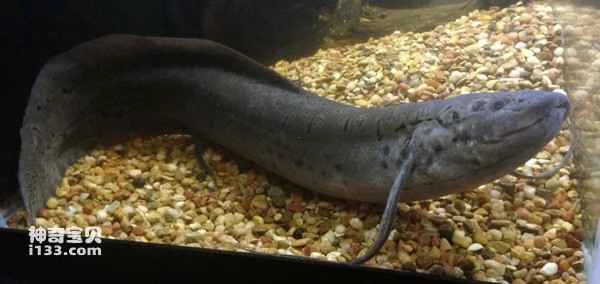
Lungfish are considered among the most resilient animals, with a history spanning over 400 million years, making them an ancient ancestor of fish. They possess the ability to aestivate (summer hibernate) and rely on stored fat to sustain life. During the rainy season, when lakes are full, lungfish live in the water and breathe through their gills. Although lungfish possess sharp teeth, they are not aggressive and primarily prey on small fish and shrimp in the water.
When lungfish are in a dormant state, they burrow into the mud and cover themselves with secretions. At this time, they neither eat nor drink, nor excrete, and consume almost no energy. If the rainy season does not arrive in time, they are capable of surviving in a dormant state for up to five years.
5. Giant salamander (2-3 years old)
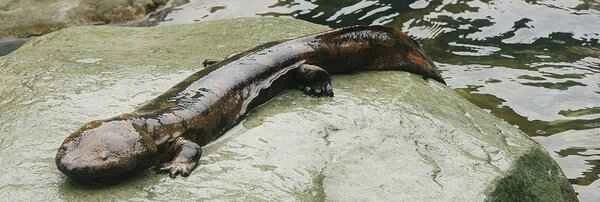
In the animal kingdom, the Chinese giant salamander is renowned as one of the most resilient creatures, capable of enduring hunger. These giants of amphibians can grow to 1 meter or even longer, and some can weigh over 100 kilograms. Their reproductive cycle can last for decades, and some individuals can live to be over 200 years old, thus earning them the nickname "longevity fish." The Chinese giant salamander is famous for its exceptional tolerance to hunger; even in cool water, captive-bred salamanders can go two or three years without food without starving to death.
Strangely, giant salamanders also have a gluttonous side, gaining up to one-fifth of their weight rapidly after a large meal. When food is scarce, they may even engage in cannibalistic behavior, sometimes even using their own eggs as a "lifeline" to stave off hunger.
6. Crocodile (1-3 years old)
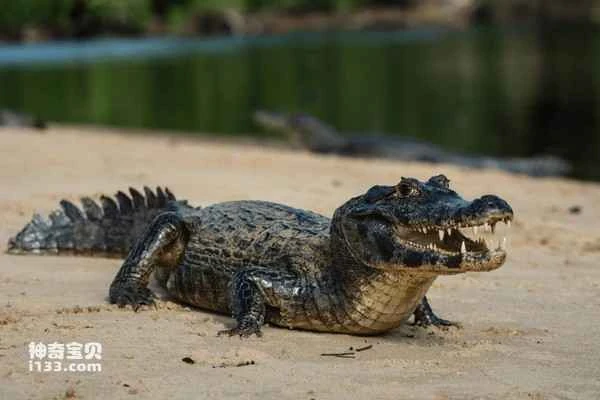
Crocodiles, as one of the oldest species on Earth, owe their remarkable resilience in part to their ability to endure hunger. They are adept at hunting animals such as antelopes, zebras, and buffalo, and sometimes even attack hippos, lions, and humans to secure a delicious meal. Crocodiles wait patiently for their prey, conserving energy. Because they are cold-blooded, they generate relatively little internal heat, so even in low temperatures, their energy expenditure is very limited. As a result, they can often go without food for months, and some can even go a whole year or three years without eating. Although they may become emaciated during this time, they remain very active. Once food becomes available, they can still hunt normally.
7. Snail (3 years)

Snails are diverse and widely distributed throughout the world, demonstrating remarkable survival abilities. They exhibit strong tolerance to environments such as cold, heat, hunger, and drought. When snails cannot find food or water, they seal their shells with mucus and enter a state of dormancy. This strategy allows them to survive for extended periods without food. The duration of dormancy varies depending on the species, with some lasting over 100 days, and even up to three years. Generally, most snails thrive in temperatures between 5 and 35 degrees Celsius, but different species have different temperature requirements. Some species have a minimum growth temperature of 15 degrees Celsius; once the temperature exceeds this range, the snail will enter a dormant state.
8. Python (2 years and 9 months)
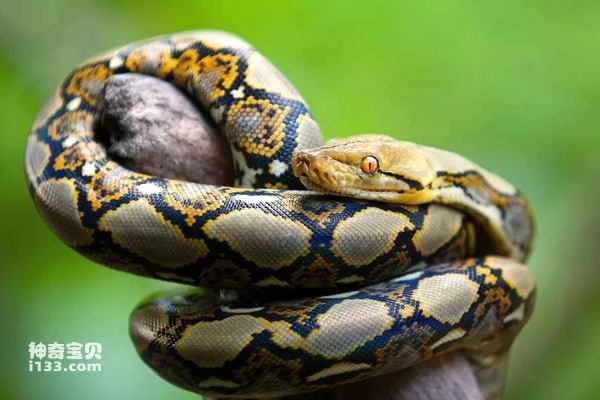
When it comes to animals adept at enduring hunger, snakes are the first thing that comes to mind. These cold-blooded reptiles, while unable to regulate their body temperature to adapt to cold weather, can slow their metabolism by up to 70%. Pythons are particularly notable, often described as "not eating for three years, then eating for three years," meaning they can go from days to years between meals. During these long periods of fasting, pythons minimize their activity levels and intensity to reduce energy expenditure. Their various organs, especially those in the digestive system, also atrophy.
The python's liver, intestines, and heart will not "recover" until the next time it eats. For example, after eating, a python's intestines may increase in size by 3 to 4 times, and the cell layers may thicken by 3 times. These changes are beneficial for the python to digest food quickly.
9. Galapagos tortoise (18 months)
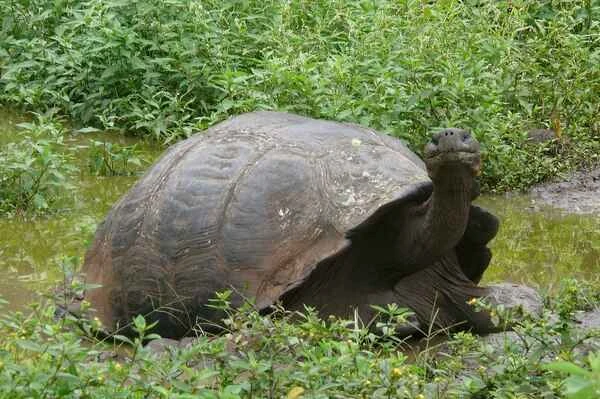
Most animals that can withstand hunger are cold-blooded, and the Galapagos tortoise is a prime example. These animals move extremely slowly, covering only 260 meters per hour, adapted to relatively arid environments. They consume an average of 32-36 kilograms of food per day, but due to their inefficient digestive system, their nutrient absorption capacity is very limited.
Galapagos tortoises primarily survive by absorbing water, mainly from dew and plant sap, especially cacti. Notably, these tortoises can survive for extended periods without drinking water, even without any food or water, for up to 18 months.
10. Spider (9 months)
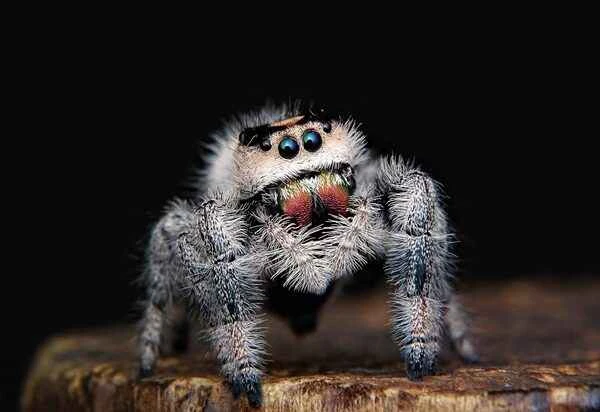
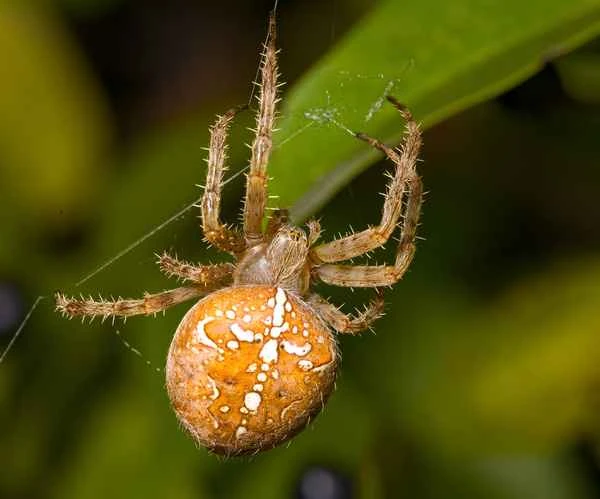
Spiders are among the most resilient animals in terms of hunger tolerance, but their ability to endure hunger and their lifespan are influenced by the species and environmental conditions. Different species of spiders have varying food requirements and hunger tolerance. Some spiders can survive for months or even more than a year without food or water. For example, wolf spiders can survive for about 8 months without food, while Brazilian wandering spiders can persist for weeks or even a month without food. Adult tarantulas have shown a hunger tolerance of more than 270 days, and garden spiders can survive for about 18 months without food and water.