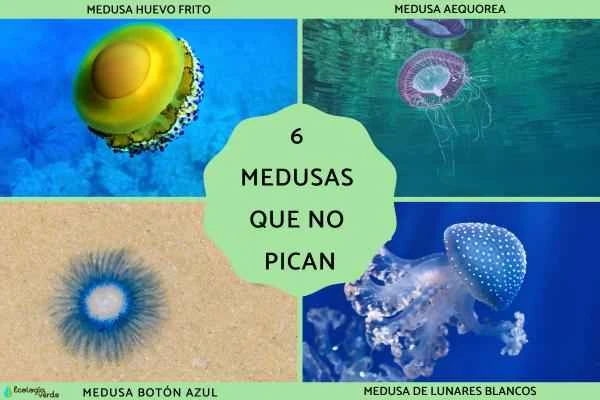
Guanajuato, located in north-central Mexico, is a diverse ecological region with mountains, volcanoes, rivers, and lakes. Its temperate, hot, and semi-arid climate fosters a rich diversity of flora and fauna. However, with the continuous expansion of human activities, local wildlife is facing an unprecedented survival crisis. This article will introduce 20 endangered native Guanajuato species and reveal the reasons for their endangerment and their current status.
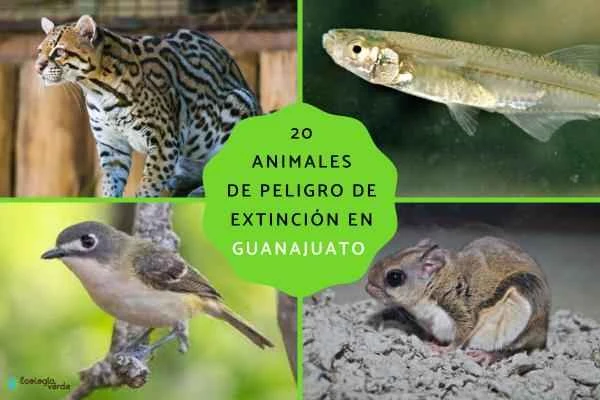
1. White-side-eared rabbit (Lepus callotis)
Species description: A wild rabbit endemic to southwestern Mexico, medium in size with grayish-white fur.
Causes of endangerment: climate change, overgrazing, and hunting by humans or wild dogs.
Conservation status: IUCN classifies it as "Vulnerable," with its population declining by approximately 40% every decade.
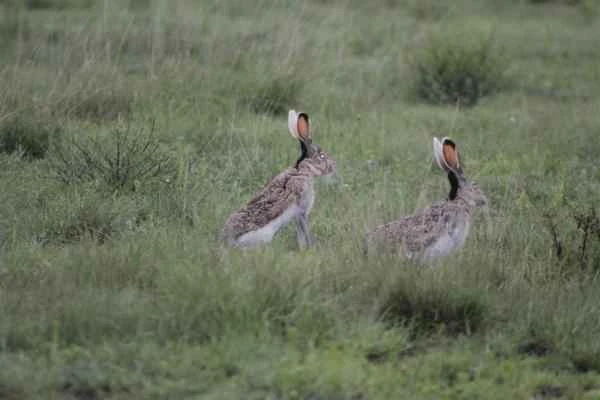
2. Diguet swamp crayfish (Procambarus digueti)
Species description: A small freshwater crayfish endemic to the Duero and Camecuaro River basins of Guanajuato.
Reasons for endangerment: water pollution, dam construction, changes in water flow, and competition from invasive Australian crayfish.
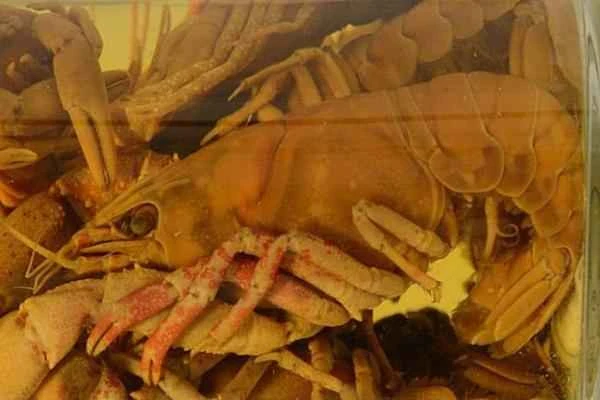
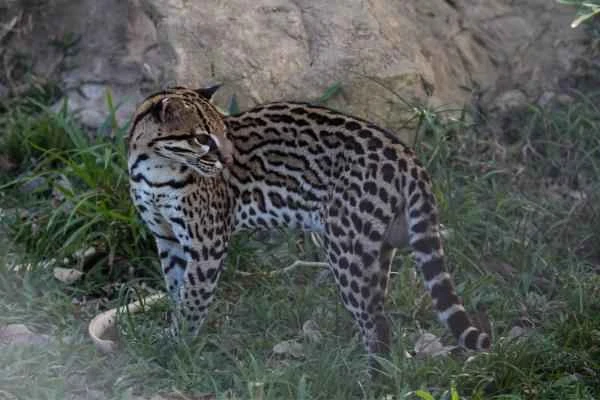
3. Leopard cat (Leopardus pardalis)
Species description: A small cat from the Americas with spotted fur.
Ecological status: Medium-sized predator, maintaining ecosystem balance.
Reasons for endangerment: habitat loss and illegal hunting.
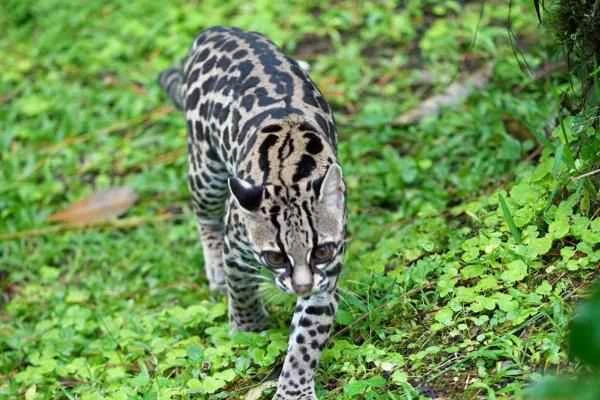
4. Little Tiger Cat (Leopardus wiedii)
Species description: Smaller than the leopard cat, it is nocturnal and arboreal.
Reasons for endangerment: urban expansion and poaching, as its fur has high commercial value.
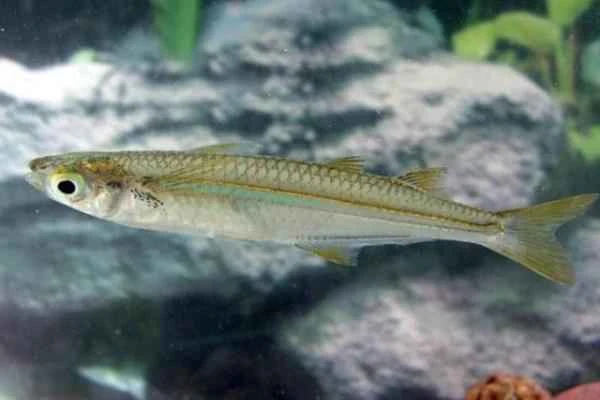
5. Volcanic carp (Charal de la caldera, Chirostoma bartoni )
Species description: A small fish endemic to the Guanajuato Santiago volcanic basin.
Reasons for endangerment: river pollution from garbage, household chemical emissions, and severe drought.
Special reminder: The severe drought in 2006 is suspected to have led to its partial extinction.
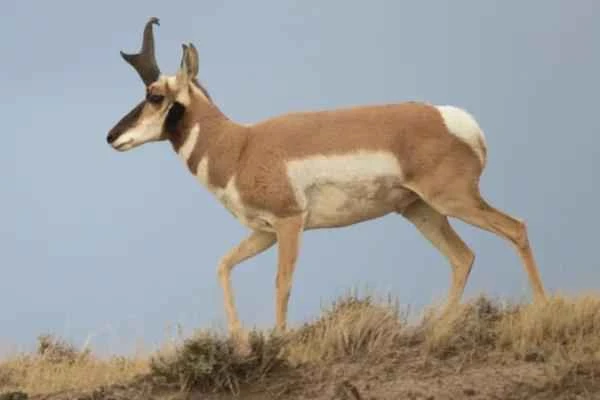
6. American pronghorn (Antilocapra americana)
Species description: The only surviving pronghorn species on the North American continent.
Historical background: They were hunted extensively in the 19th century.
Current status: It has been listed as a protected animal and hunting is prohibited; multiple organizations are working on population restoration.
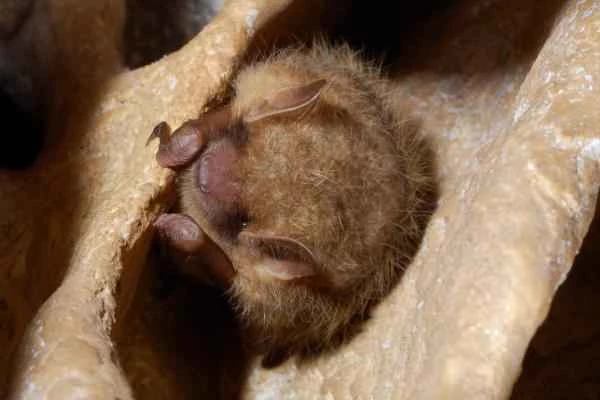
7. Mexican Mouse-eared Bat (Myotis velifer)
Species description: Insectivorous bats that can form colonies of up to 15,000 individuals.
Distribution range: 10 nature reserves in Guanajuato, such as Mount Pinal and Mount Amores.
Protection level: Specially protected species, on the verge of being threatened.
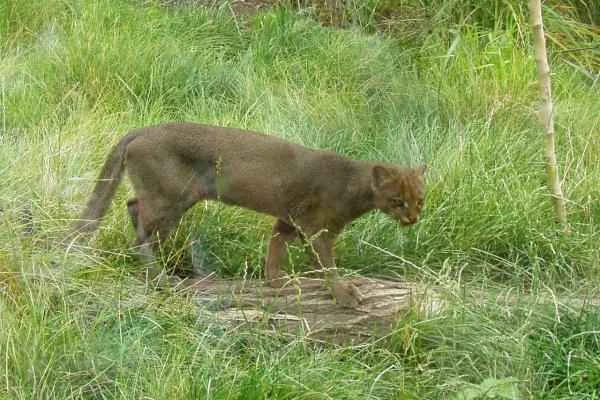
8. Jaguar cat (Herpailurus yagouaroundi)
Species description: A medium-sized cat, resembling a small cougar in size.
Reasons for endangerment: Habitat destruction caused by land development and changes in agricultural use.
Special features: brownish-grey fur, small ears and a large mouth.
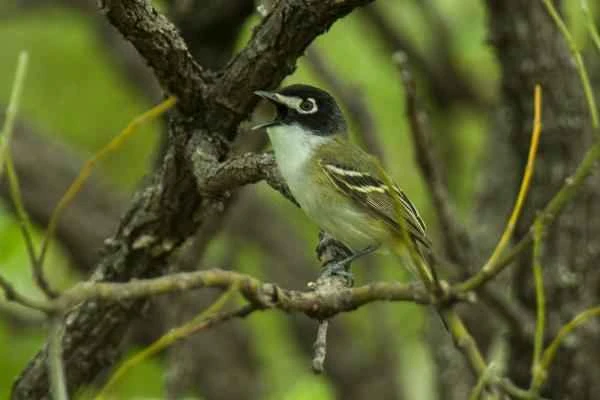
9. Black-capped Warbler (Vireo atricapilla)
Species description: A semi-migratory small bird that breeds in the southern United States and winters in Mexico.
Reasons for endangerment: Habitat loss has led to a sharp decline in population.
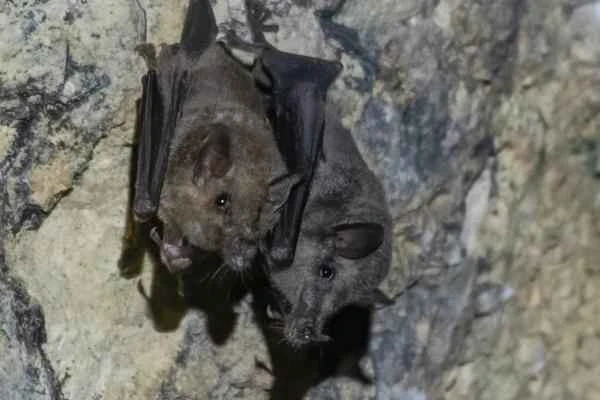
10. Choeronycteris mexicana
Species Description: Bats that feed on nectar are important pollinators for plants such as agave and cacti.
Ecological significance: Its extinction would impact multiple ecosystems.
Reasons for endangerment: habitat loss and disappearance of food plants.
Other endangered animals (Guanajuato and surrounding areas):
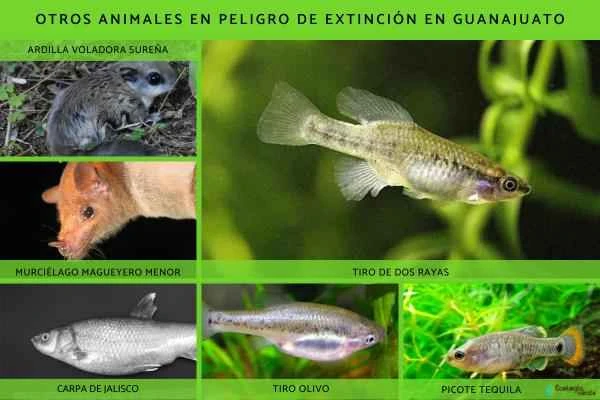
Southern flying squirrel (Glaucomys volans)
Small agave bat (Leptonycteris yerbabuenae)
Jalisco carp (Yuriria alta)
Double-striped fish (Neotoca bilineata)
Olive-colored small fish (Skiffia lermae)
Tekira bean loach (Zoogoneticus quitzeoensis)
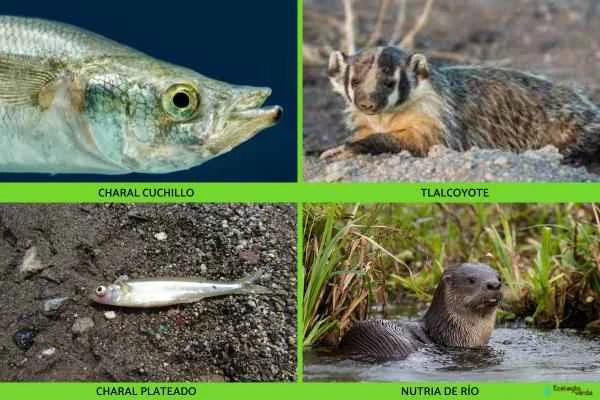
Daggerfish (Chirostoma aculeatum)
American badger (Taxidea taxus)
Chirostoma humboldtianum
American otter (Lontra longicaudis)
Conclusion: How can we protect these endangered animals?
Strengthen legislation to combat illegal hunting and wildlife trade.
Habitat restoration: Promoting river management, vegetation restoration, and ecological agriculture.
Environmental education: to raise public awareness and respect for Guanajuato’s native species.
Support conservation organizations: donate money, volunteer, or disseminate conservation information.
References
Brown, DE & Smith, AT (2019). *Lepus callotis*. IUCN Red List of Threatened Species. Accessible at: https://www.iucnredlist.org/species/11792/45177499#habitat-ecology
Diario Oficial de la Nación. (2010). Mexican Official Standard NOM-059-SEMARNAT-2010. List of Endangered Species of Native Wild Fauna and Flora of Mexico - Risk Categories and Rules for Inclusion, Exclusion or Modification. Accessible at: https://www.dof.gob.mx/normasOficiales/4254/semarnat/semarnat.htm
References
Guanajuato State Ecological Institute. (2015). List of mammals found in the Guanajuato State Nature Reserve. URL: https://smaot.guanajuato.gob.mx/sitio/upload/anps/Inventario_Faunistico-Mamiferos.pdf