Bees are a group of insects belonging to the order Hymenoptera. Bees include many different species, such as honeybees, wasps, hornets, and hornets. Bees are generally social insects, living in colonies composed of a queen bee, worker bees, and drones. Honeybees are the most well-known type of bee; they primarily collect pollen and nectar in the hive and build their nests with beeswax. Honeybees play a vital role in the human food chain, responsible for pollination and pollination. Furthermore, honeybees produce honey from their abdomens, which is widely used in the food and pharmaceutical industries. Unlike honeybees, wasps, hornets, and hornets are more aggressive, sometimes attacking humans and causing pain and allergic reactions. These bee insects typically live in nests and feed on other insects or sweets. Overall, bee insects play an important role in the natural ecosystem and bring many benefits to humans. This article compiles a list of the ten most powerful bees in the world: killer bees, hornets, bull horn bees, Japanese hornets, landmine bees, cave hornets, golden-ringed hornets, black velvet hornets, yellow-legged hornets, and black-shielded hornets. Let's take a look at just how formidable these bees are.
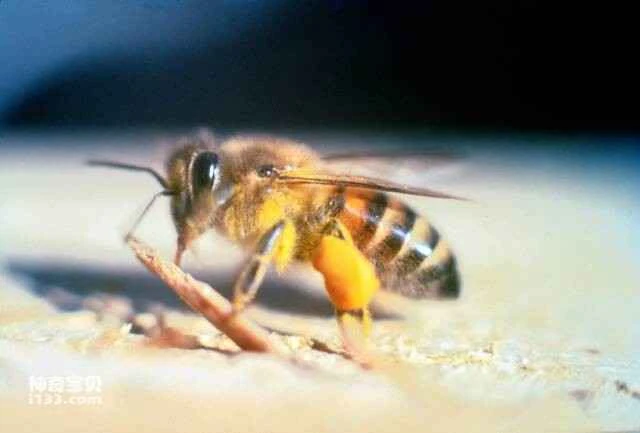
1. Killer Bees (scientific name: Killer Bees)
Killer bees, also known as African killer bees, are large, highly aggressive social insects. Originating in Southeast Asia, they are now found in Japan, South Korea, China, and the United States. Worker killer bees are about 2.5 cm long, with distinct black and yellow stripes and dense body hair. Their stingers are longer than those of ordinary honeybees, and their venom is much more potent, easily causing allergic reactions or even death after being stung. Killer bees are highly aggressive insects; if they feel threatened, they will emit warning signals and launch an attack. Due to their powerful attacks, they cause dozens or even hundreds of injuries and deaths each year. According to incomplete statistics, more than 1,000 people have died from killer bee stings. Therefore, people should be especially careful around these insects, and if they are spotted, they should immediately report it to the police or seek professional help.
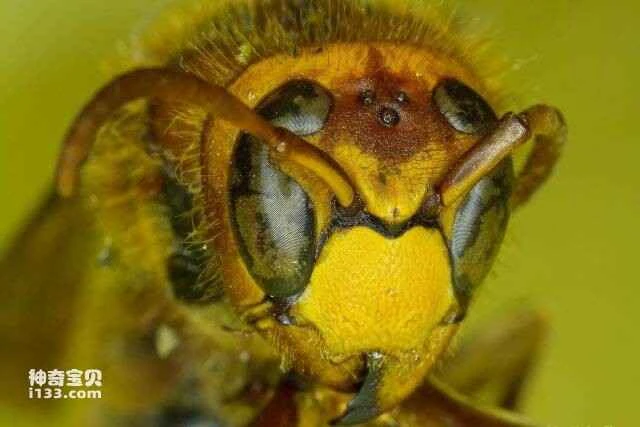
2. Asian giant hornet (scientific name: Vespa)
The Asian giant hornet, also known as the yellow-faced wasp, is a large, highly aggressive social insect. It is mainly distributed in temperate regions of North America and Europe and is a common member of the honeybee family. Asian giant hornets typically have black and yellow stripes and are about 2.5 cm long, with females slightly larger than males. Their venom is potent; disturbance can trigger an attack on humans, causing severe allergic reactions and injury. Asian giant hornets are highly aggressive insects; if they feel threatened, they will emit warning signals and launch an attack. Generally, Asian giant hornet nests are built underground or in burrows, so people should be careful not to disturb them when digging, cleaning lawns, or taking walks. Asian giant hornets play an important role in the environment, contributing to pollination and fruit setting, but due to their aggressive nature, people should be aware of safety when encountering them and avoid disturbing them unnecessarily.
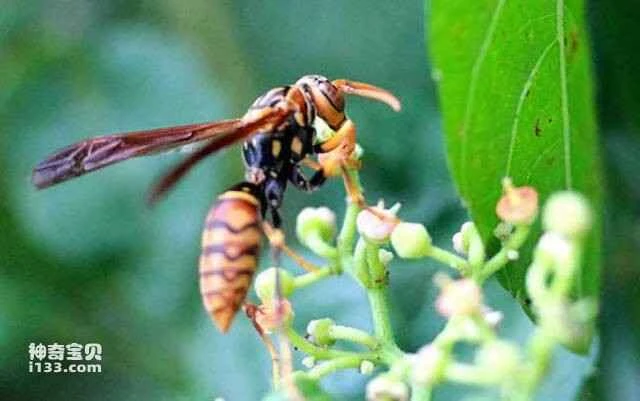
3. Horned Wasp
Hornets are a common name for a type of large horned wasp, also known as giant horned wasps, large bumblebees, etc. They are named for their antennae that resemble bull horns, and are also called "three-eyed stingers" because of the three venomous stingers on their abdomens. Hornets are typical omnivorous wasps. The toxicity of horned wasps varies depending on the species, but generally they are all highly venomous. The main components of their venom are histamine, melittin, bradykinin, and hyaluronidase, which have hemolytic, hemorrhagic, and neurotoxic effects, and can also cause allergic reactions. Severe stings can be fatal. Hornets have a long history, and in human history, they are also animals with rich cultural significance.

4. Japanese bumblebee
The Japanese giant hornet, also known as the Asian giant hornet, scientifically named *Vespa mandarinia japonica*, is one of the world's largest hornets, reaching lengths of over 5 centimeters. They are mainly distributed in Japan, China, the Korean Peninsula, and Southeast Asia. The Japanese giant hornet is a highly aggressive insect, typically appearing in the summer. Their nests are usually built in tree cavities or artificial environments, and a single nest can contain 500-1000 worker hornets. The venom of the Japanese giant hornet contains high concentrations of various chemical substances, capable of producing strong neurological, muscular, and cardiovascular reactions in humans. The Japanese giant hornet is extremely powerful; larger adult hornets can even kill hundreds of honeybees single-handedly. When the Japanese giant hornet attacks humans, its powerful attack and the harmful effects of its venom can easily cause death. Therefore, once traces of Japanese giant hornet activity are discovered, it is crucial to take immediate preventative and eradication measures to avoid harming humans and other insects.
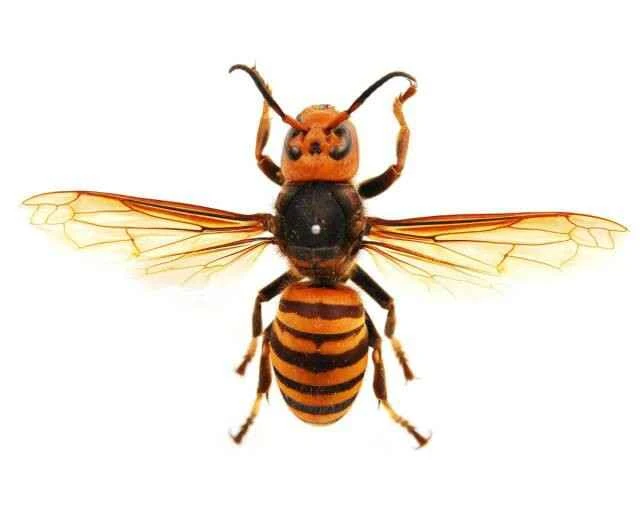
5. Landmine Bee
Landmine bees are brownish-yellow in color, 3-5 cm in length, and are among the larger bee species. They are mainly found in the mountainous and hilly jungles of tropical regions such as Jiangxi, Guangdong, and Hainan in my country. They often build their hives underground, in a pagoda shape, with multiple layers, ranging from half a meter to 2 meters in diameter. Landmine bees emit a loud buzzing sound when they fly. They are so named because of their potent venom. A single sting can leave a bloody, mangled wound, similar to being hit by a landmine. Within minutes, the person will experience blurred vision and numbness in the mouth and nose. Within half an hour, the pain will become unbearable, often causing fainting. The pain can last for 7-10 hours, and two or three stings can be life-threatening.
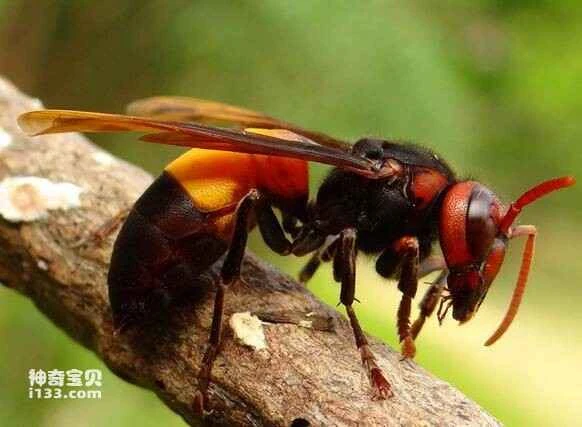
6. Cave Wasp
Cave wasps are mainly distributed in temperate regions of North America and Europe. They typically live underground or in other deep burrows, hence their name "cave wasps." Worker cave wasps have black and yellow stripes and are about 1.5 cm long. Cave wasps are highly aggressive and will attack if disturbed or threatened. Their venom is potent; a sting can cause swelling, pain, allergic reactions, and even death. Therefore, when camping, traveling, or hiking, it is important to avoid approaching caves, thickets, or other potential nesting sites. Cave wasps play an important ecological role, controlling the populations of many other insects and serving as a food source for many animals. However, due to their aggressive nature, people should be cautious when encountering cave wasps and try to avoid disturbing them.
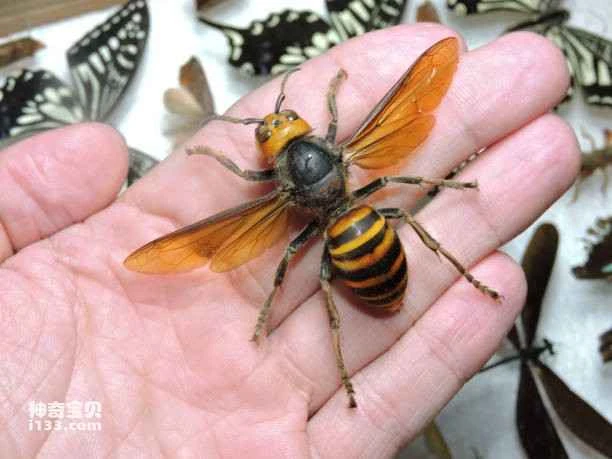
7. Golden-ringed hornet
The Asian giant hornet (scientific name: *Vespa mandarinia*) is a large hornet, also known as the Asian giant hornet or Asian killer hornet. They are among the largest hornets in the world, reaching over 5 cm in length and a wingspan of up to 7 cm. Asian giant hornets are mainly distributed in East Asia, including China, Korea, and Japan. They often nest in tree branches, pits, or burrows, forming large social groups. These groups consist of a female queen and many worker hornets responsible for finding food and maintaining the nest. Asian giant hornets pose a significant threat to humans, especially when they feel their territory is threatened; they will attack any creature that approaches their nest, including humans. Their venom contains a potent neurotoxin that can cause severe pain, difficulty breathing, and even death. Therefore, if an Asian giant hornet nest is discovered, a professional pest control team should be notified as soon as possible for removal.
8. Black Velvet Wasp
The black velvet wasp (scientific name: *Vespa dybowskii*) is a large wasp, also known as the black hornet. They are about 3 cm long, with black or dark brown bodies and yellow markings on their heads and thoraxes. Black velvet wasps are mainly distributed in Northeast Asia, such as China, Japan, and Korea. They often nest in tree cavities and form large social groups. These groups consist of a female "queen" and many worker wasps responsible for finding food and maintaining the nest. Although black velvet wasps can be somewhat aggressive, they pose less of a threat to humans compared to the golden-ringed wasp. Black velvet wasps are considered beneficial organisms because they can control the populations of other insects and are also important pollinators. However, in certain situations, such as when nests are built in residential areas or when they frequently appear in densely populated areas, precautions and safety measures are still necessary to avoid unnecessary harm.
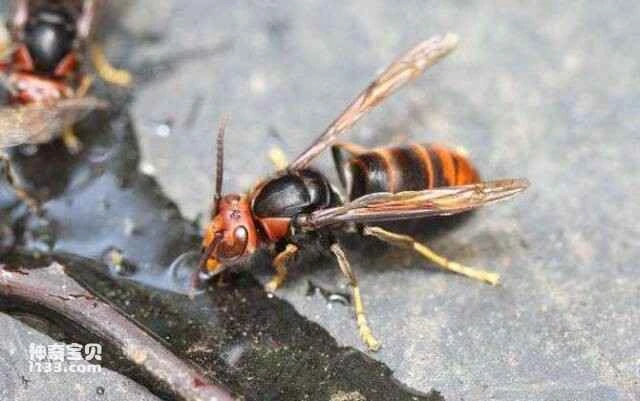
9. Yellow-legged hornet
The yellow-legged hornet (Vespa mandarinata) is a relatively large wasp species in the Vespidae family. Also known as the black-breasted hornet, yellow-legged hornet, and red-tailed hornet, it is highly aggressive and one of the most common and dangerous hornet species that attack humans. There are frequent reports of deaths caused by yellow-legged hornet attacks. Although it is a relatively low-ranking hornet species, it is still highly venomous. Furthermore, yellow-legged hornets have a strong instinct to protect their nests; if the colony perceives a threat, it will swarm and attack, relentlessly pursuing any intruder. The black-breasted hornet has a very wide predatory range and is an omnivorous insect. It is large, a strong flier, and a fierce predator. This wasp is a natural enemy of many pests in agriculture, forestry, and fruit farming; its pest-hunting characteristics are both beneficial and harmful to humans. The benefits are that the adult wasp can prey on a variety of pests in agriculture, forestry and fruit industry, and is an important natural enemy; the black-breasted wasp belongs to the wasp family of insects, and in medicine, the adult wasp, larvae and nest of wasps can be used to treat diseases.
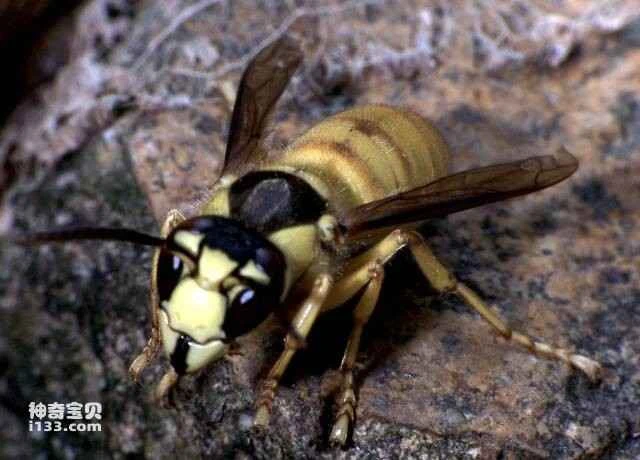
10. Black Shield Wasp
The black-shield wasp (scientific name: *Vespa bicolor*) is a large wasp, also known as the black-yellow wasp. They are about 3-4 cm long, with black or dark brown bodies, bright yellow markings on their heads and abdomens, and a pair of black "shields" on their thoraxes. Black-shield wasps are mainly distributed in Asia, such as China, Japan, and India. They typically build nests on tree trunks or in burrows, forming large social groups. These groups consist of a female "queen" and many worker wasps responsible for finding food and maintaining the nest. Black-shield wasps are highly venomous; an attack can cause severe pain and allergic reactions. Therefore, people should avoid approaching their nests or disturbing their activities to prevent attacks. At the same time, black-shield wasps are also important natural enemy insects, helping to control other pest populations and maintain ecological balance.
The list of the world's ten most venomous bees is compiled from similar websites, ranking them based on factors such as venom and aggression. This list is for entertainment purposes only. If you have any questions, please feel free to comment or offer criticism at the end.