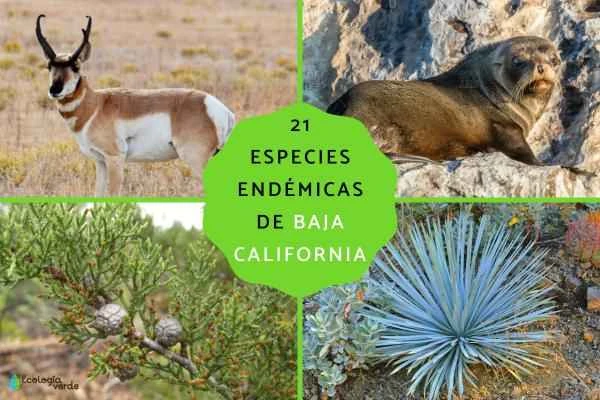
The Baja California Peninsula boasts a unique desert, marine, and island ecosystem, which has not only fostered many alien species that have struggled to adapt, but also created 21 endemic plant and animal species found only in this region .
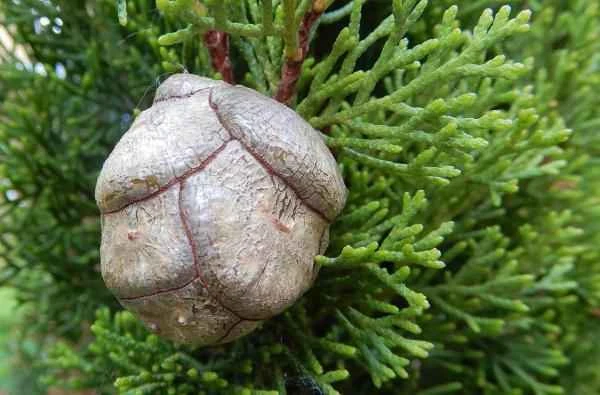
1. Cupressus guadalupensis
Distribution : Guadalupe Island
Characteristics : An evergreen tree that can grow up to 20 m tall; drought-resistant and long-lived; its leaves are fan-shaped.
Conservation status : Due to overgrazing by herbivorous goats on the island, resulting in forest degradation, the IUCN recommends conservation at "Near Threatened".
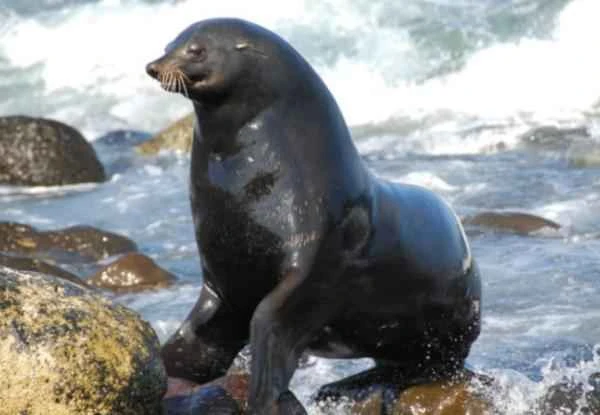
2. Ancient Dupree Sea Lion (Arctocephalus townsendi)
Distribution : Guadalupe Island and San Benito Islands
Characteristics : Also known as the Guadalcanal fine-haired sea lion, it can reach a length of 2 m and prefers to live in caves.
Protection : Historically hunted for its fur, it is now fully protected by law, and its population is steadily recovering.
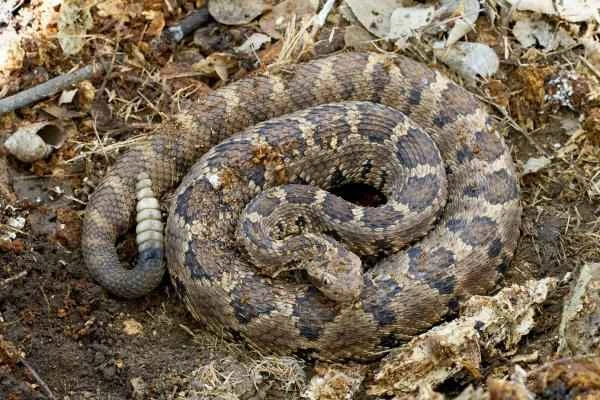
3. Baja California Rattlesnake (Crotalus enyo)
Distribution : Coastal areas of the peninsula and inland desert hills
Characteristics : grayish-brown body color, pale yellow underside; rattlesnake on head, possesses potent neurotoxin.
Ecological role : It feeds on rodents, worms and small reptiles, and controls pests.
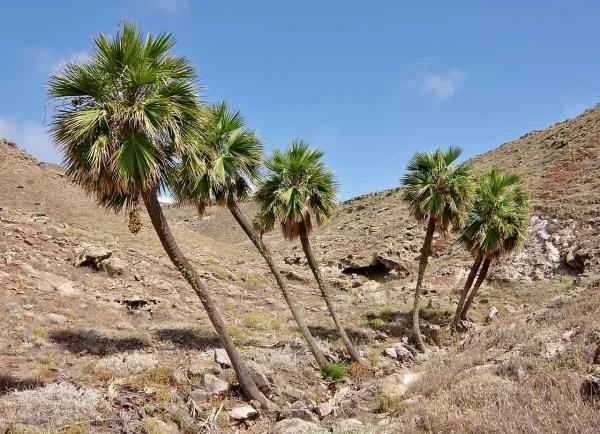
4. Brahea edulis (Ancient Dupre Fan-leaved Palm)
Distribution : Found only on Guadalupe Island
Characteristics : Fan-shaped leaves, black berries; extremely drought resistant.
Threat : Overexploitation of the island's herbivorous goats and ornamental horticulture has led to a sharp decline in their population.
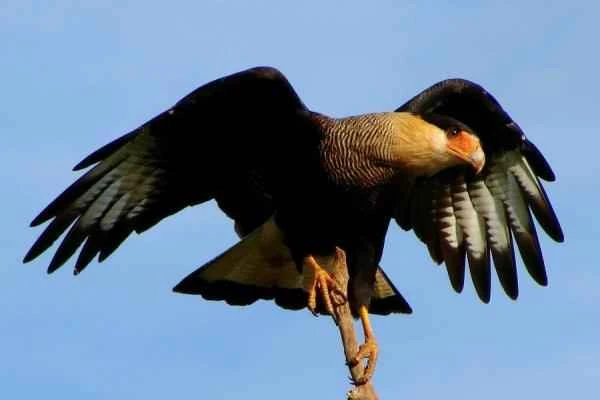
5. Guadalcanal Eagle (Polyborus lutosus) [Extinct]
Distribution : Historically found only on Guadalupe Island
Characteristics : Medium-sized bird of prey with grayish-brown plumage, adept at hunting small mammals.
Cause of extinction : It became extinct in the 20th century due to competition with poultry and intentional hunting by humans.
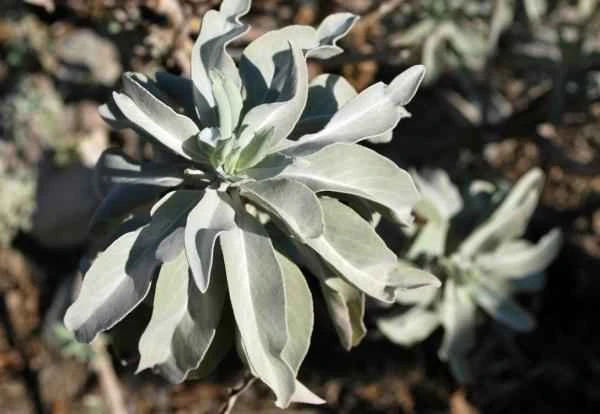
6. White sage (Salvia apiana)
Distribution : Coastal California to northern Mexico deserts
Characteristics : A semi-shrub up to 1.5 m tall, with white, strongly fragrant flower heads.
Cultural value : Used by indigenous peoples for religious ceremonies and for purifying smoke; commercial over-harvesting requires sustainable management.
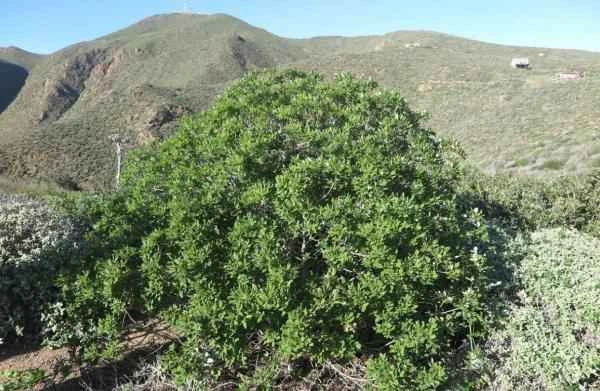
7. Parryi horse chestnut (Aesculus parryi)
Distribution : Found only in the mountainous regions of the northern peninsula of Mexico.
Characteristics : Deciduous small tree with pink flowers and flattened round pods.
Ornamental value : The surge in horticulture requires ensuring that wild populations are not affected.
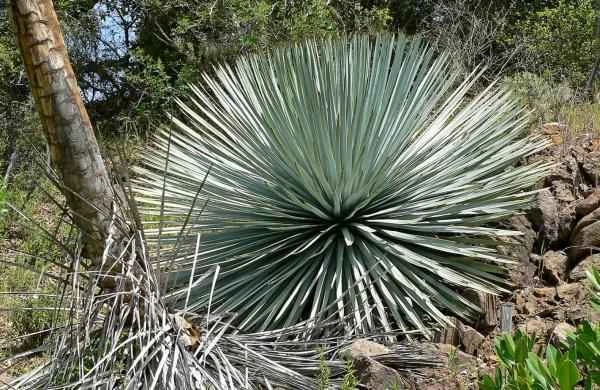
8. Hesperoyucca whipplei
Distribution : Mountainous and desert regions from California to the Baja California peninsula
Characteristics : Basal rosette of leaves, giant holly-like spike-like white flowers, the plant dies after flowering.
Traditional uses : The leaves can be used to make rope, and the flowers and fruits are edible.
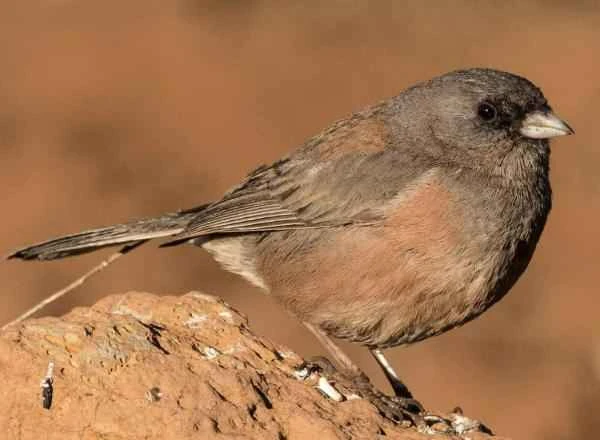
9. Guadalcanal Snowfinch (Junco insularis)
Distribution : Found only on Guadalupe Island
Characteristics : gray back and brown belly, body length about 15 cm; clear call.
Conservation status : "Vulnerable" - its habitat is threatened by deforestation and invasive felines.
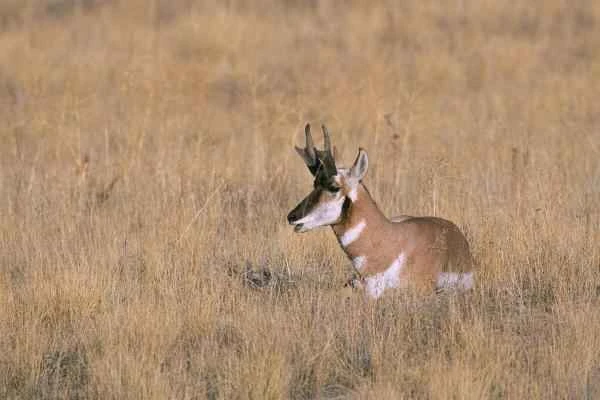
10. Peninsular pronghorn (Antilocapra americana peninsularis)
Distribution : Desert steppe in the northwestern part of the peninsula
Characteristics : A subspecies of pronghorn, about 1 m tall, with excellent drought resistance, able to go without water for several months.
Protection : Endangered in the last century, the population gradually recovered after the government established protected areas.
11. Angel Island Rat (Peromyscus guardia)
Distribution : Isla Ángel de la Guardia
Characteristics : Small, nocturnal rodents, highly prolific but with a limited island range.
Current situation : It is necessary to control the introduction of natural enemies and protect habitats.
12. Rainbow trout (Oncorhynchus mykiss nelsoni)
Distribution : Mountain streams on the peninsula
Characteristics : bluish-green back with iridescent lateral lines; relatively short and stout body type.
Threats : Water resource development and competition from introduced rainbow trout; some populations are near endangered.
13. St. Martin Rock Rat (Neotoma bryanti martinensis) [Possibly extinct]
Distribution : Isla San Martín
Characteristics : Closely related to the rock rat genus, with a body length of 20 cm and a bushy tail.
Current status : No reliable sightings recorded, or it may be extinct; habitat urgently needs to be investigated.
14. Two-leaf radiata pine (Pinus radiata binata)
Distribution : Limited to some mountain ridges on the peninsula
Characteristics : The needles grow in clusters and the wood is hard; it grows rapidly.
Applications : Widespread horticulture and windbreak planting; native habitat protection faces pressure.
15. Wild Bean Flower (Peritoma arborea)
Distribution : California to Lower California desert scrubland
Characteristics : It blooms with yellow, butterfly-shaped flowers in spring and is drought-tolerant; it is a source of nectar for desert plants.
Function : An important food source for local birds and insects.
16. Red-fruited buckthorn (Rhamnus crocea)
Distribution : Rocky slopes and deserts of peninsulas
Characteristics : Small, glossy red berries; evergreen leaves; tolerant of poor soil.
Ecological value : Berries serve as a source of sustenance for migrating birds.
17. Guadalcanal Short-tailed Bewick's Bird (Thryomanes bewickii brevicauda)
Distribution : Endemic to Guadalupe Island
Characteristics : grayish-brown body, short tail; complex calls, often found in pairs.
Protection : Forest degradation directly threatens their foraging and reproduction.
18. Guadalcanal Island Rabbit (Lepus insularis)
Distribution : Guadalupe Island
Characteristics : Smaller than the mainland species, with grayish fur; good swimmer.
Threats : Herbivorous goats and invasive felines are squeezing out the population.
19. Santus Hummingbird (Basilinna xantusii)
Distribution : Southern Baja Peninsula and neighboring islands
Characteristics : The male bird has a purple throat, is small and active; when at rest, its tail feathers are broad and fan-shaped.
Ecological role : Pollinator of many flowering plants, key to the floral ecosystem.
20. Bottlenose Dolphin (Phocoena sinus) [Critically Endangered]
Distribution : Gulf of California
Characteristics : The smallest dolphin, only 1.5 m in length, with no obvious beak on its head.
Crisis : With fewer than 20 animals remaining due to accidental catches from winch net fishing, international emergency aid is underway.
21. Totoba (Totoaba macdonaldi) [Critically Endangered]
Distribution : Waters of the Gulf of California
Characteristics : A bighead carp that can reach 2 meters in length; the swim bladder of the female is highly valued and is known as the "white coffee" of the sea.
Threat : Illegal fishing and transnational black market trade; only a few hundred remain.
Protecting Baja California's unique species starts with you and me.
Banning the introduction of exotic herbivores : curbing the destruction of native vegetation by invasive species such as goats.
Strengthen regulations on marine fishing nets to reduce the accidental capture of bottlenose dolphins and toto bass.
Establish more nature reserves : covering various ecosystems including streams, mountains, deserts, and islands.
Public Science Education : Promoting the Importance and Conservation Knowledge of Local Endemic Species
References
Aves México (2015), "Birds of Significant Conservational Importance in Baja California." Accessible at: http://avesmx.conabio.gob.mx/Mapa.html#
National Committee on Biodiversity Knowledge and Utilization (nd) Endemic Species. Accessible at: https://www.biodiversidad.gob.mx/especies/endemicas
Baja California State Government (nd) *Fauna*. Accessible at: http://www.baja.gob.mx/estado/Aspectos%20Biologicos/Fauna.htm
Semarnat (2018) "Peninsular Pronghorn, National Conservation Mark". Accessible at: https://www.gob.mx/semarant/articulos/berrendo-peninsular-icono-de-la-conservacion-nacional?idiom=es