Various species on Earth may go extinct for a variety of reasons, including climate change, food shortages, shrinking habitats, and even major disasters such as asteroid impacts. Today, we'll explore ten of the most shocking animal extinctions: Tyrannosaurus Rex, mammoth, quagga, Tasmanian tiger, Irish elk, Caspian tiger, bison, great auk, cave lion, and dodo. You may have heard of them; they were all once unique on Earth, but disappeared at different times and for different reasons.
1. Tyrannosaurus Rex (extinct 65 million years ago)
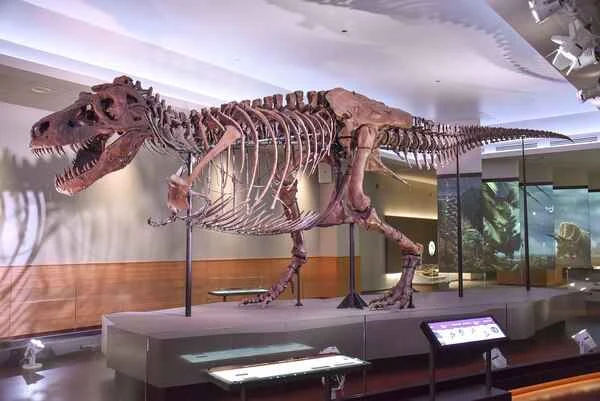
A skeleton model of Tyrannosaurus Rex "Su" is located at the Field Museum of Natural History in Chicago, USA.
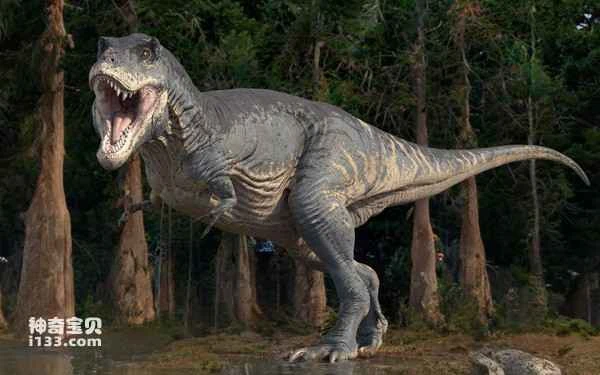
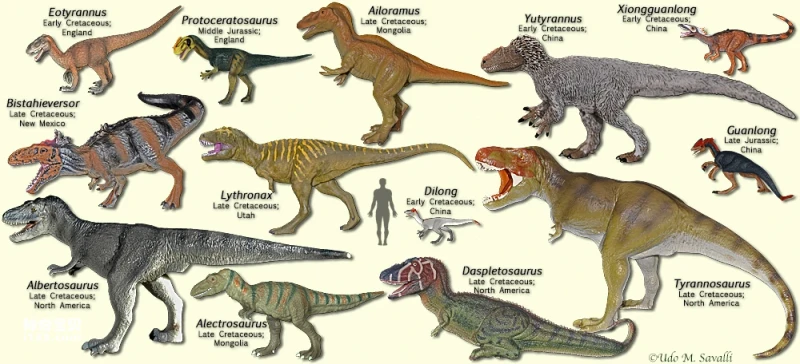
Tyrannosaurus Rex was at the top of the food chain during the Late Cretaceous period, preying on almost every type of dinosaur in North America. It measured approximately 11.5 to 14.7 meters in length, with an average hip height of about 4 meters and an average weight of about 9 tons, making it one of the largest land carnivores ever to have existed. Tyrannosaurus Rex was one of the last non-avian dinosaurs before the Cretaceous-Paleogene extinction event and also one of the last dinosaurs to go extinct.
2. Mammoth (extinct around 2000 BC)
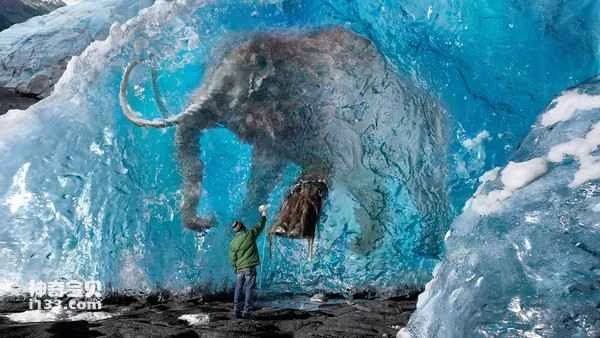
Mammoths, also known as woolly mammoths or woolly elephants, were animals adapted to cold climates and were once one of the largest elephant species in the world, as well as one of the largest land mammals to ever live. Steppe mammoths could weigh up to 12 tons. As giants of the Ice Age, they resembled Asian elephants in appearance, but their thick coats made them look different. Compared to modern African elephants, they were roughly the same size. With the extinction of woolly mammoths, the Ice Age gradually came to an end, marking the end of that era.
3. Quagga (extinct in 1883)
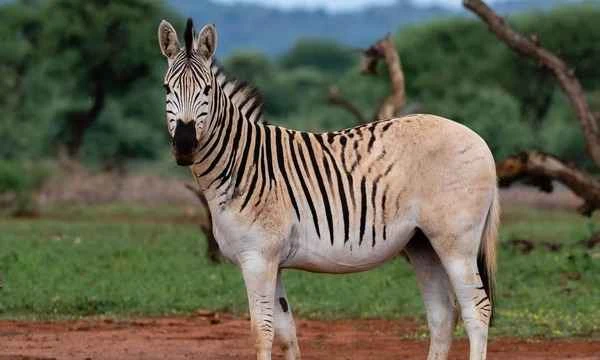
The quagga, named for its appearance—half zebra, half horse—is one of Africa's most well-known extinct animals. Actually, the quagga is a subspecies of the savanna zebra. Distinguished from other zebras, the quagga features prominent stripes on its forequarters that fade and disappear towards the midsection, widening into a completely brown area extending to its hind legs and rump. This distinctive appearance makes the quagga unique in the animal kingdom.
4. Tasmanian tiger (extinct in 1936)
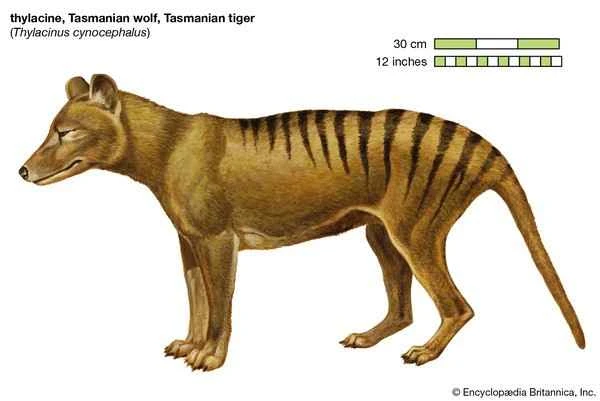
The Tasmanian tiger (thylacine) is considered the largest known marsupial carnivore, native to Australia and New Guinea. In the 20th century, this species faced extinction and was often called the Tasmanian tiger, a name derived from the stripes on its back. It was also commonly known as the thylacine, or more colloquially, the Tasmanian tiger or common tiger. The thylacine is arguably the only surviving subspecies of this species; despite the existence of many related species, fossils of the thylacine have been discovered. The origins of this species can be traced back to the early Miocene epoch of the Tertiary period.
5. Irish Great Deer (extinct approximately 7,700 years ago)
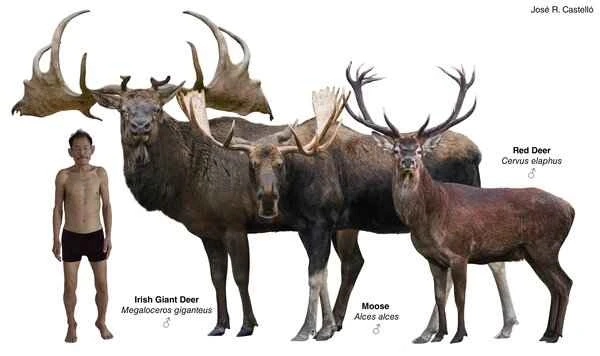
The Irish Great Deer, also known as the Giant Deer, was one of the largest deer species to have ever existed on Earth. Based on recently discovered remains, it dates back to around 5700 BC, approximately 7700 years ago. The Giant Deer was renowned for its imposing size (reaching approximately 2.1 meters in shoulder height), and especially for its magnificent antlers, which were among the largest of all known deer species (the maximum distance between the antlers could reach approximately 3.65 meters, and they could weigh up to 40 kilograms).
6. Caspian tiger (extinct in 1970)
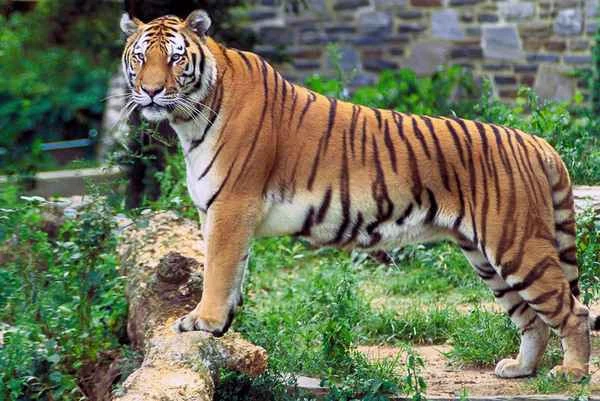
The Caspian tiger, also known as the Persian tiger, was the third largest tiger species and one of the most well-known tiger subspecies. It was once distributed in Iran, Iraq, Afghanistan, Turkey, Mongolia, and Russia (Central Asia and the South Caucasus), but became extinct in the 1970s. This subspecies had a very compact body structure, with strong, powerful legs and unusually large, wide claws. Its ears were short, resembling the baldness of a human head. The Caspian tiger's cheeks were covered with short hair, while the rest of its fur was long and fine. Its coat coloration was very similar to that of the Bengal tiger. Male Caspian tigers were enormous, weighing between 169 and 240 kilograms, while females were smaller, weighing between 85 and 135 kilograms.
7. European bison (extinct in 1627)
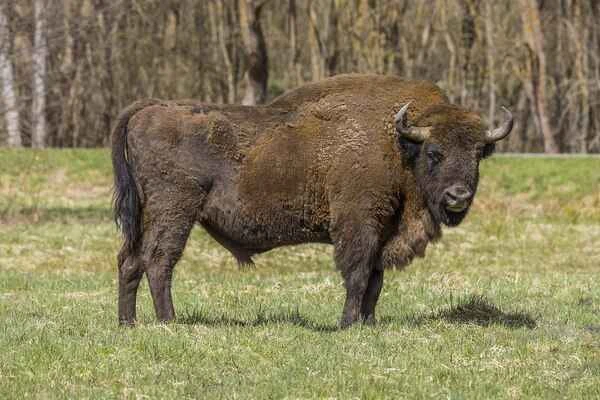
The European bison is one of Europe's most notable extinct species, possessing a large size similar to its ancient counterparts (said to be the ancestors of modern domestic cattle). Introduced to India approximately 2 million years ago, the bison then spread to the Middle East and Asia, finally reintroducing to Europe 250,000 years ago. By the 13th century, its range had shrunk to regions including Poland, Lithuania, Moldova, Transylvania, and East Prussia. The last surviving female European bison died in 1627 in the Jaktorów Forest Park in Poland. Its skull was collected by the Swiss Army and is now housed in the Stockholm Armoury Museum.
8. Great Auk (extinct since 1844)
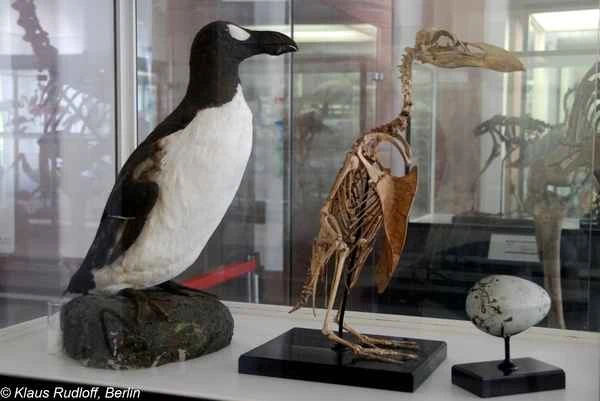
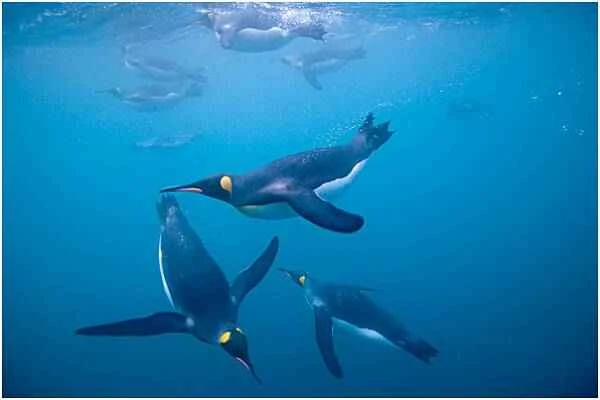
The Great Auk was a unique flightless species of auk, enormous in size, native to the Atlantic region, and survived until modern times. Tragically, however, it has mysteriously disappeared. Often called a great petrel or penguin, it stood approximately 75 centimeters tall and weighed about 5 kilograms. This flightless great auk was the largest species of auk, with white feathers covering its belly and smooth black feathers on its back. Remains found in the Shell Mounds region of Florida indicate that they migrated south during the winter, a practice that continued until the 14th century.
9. Cave lion (extinct 2,000 years ago)
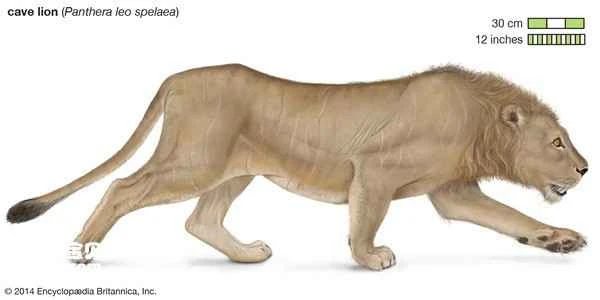
The cave lion, also known as the European cave lion or Eurasian cave lion, was once one of the largest lions on Earth. In 1985, a male adult cave lion was discovered in Siegsdorf, Germany. It stood approximately 1.2 meters tall and measured 2.1 meters in length, had no tail, and was not significantly different in size from modern lions. This male lion was even larger than other specimens of the same subspecies; it is estimated that this feline was about 5% to 10% larger than modern lions. During the Bruinsian Ice Age, approximately 10,000 years ago, the cave lion was on the verge of extinction. However, evidence suggests that the species remained in the Balkans until about 2,000 years ago.
10. Dodo (extinct at the end of the 17th century)
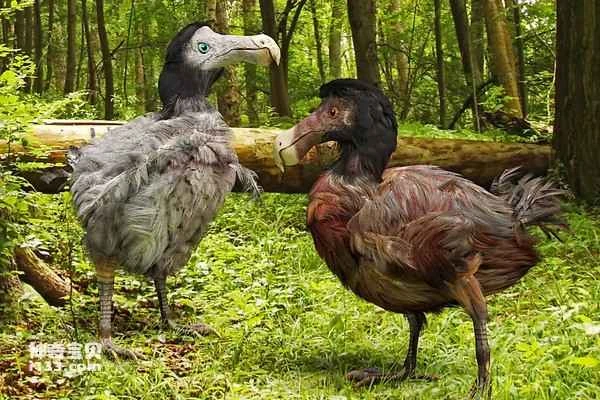
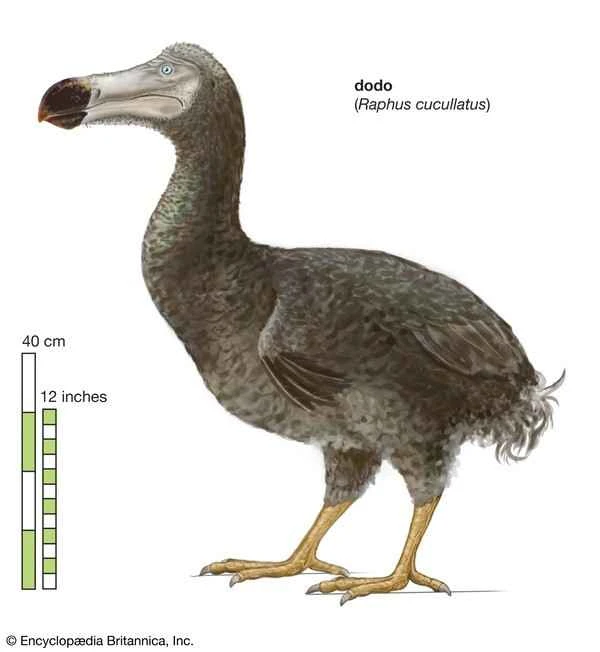
The dodo was a flightless bird that inhabited the island of Mauritius and was closely related to pigeons and doves. Standing about 1 meter tall, it fed on fruit and lived on land. The dodo became extinct in the mid-to-late 17th century, becoming a prime example of an extinct species because its extinction began during the period with recorded human history; this tragedy is primarily attributed to human activity.