Mexico is one of the world's most biodiverse countries, and also boasts one of the highest concentrations of venomous snakes and scorpions. Because some of these venomous animals live near human settlements, humans have a higher chance of encountering them. This article will reveal the 20 most venomous animals in Mexico and ultimately unveil the title of "Mexico's most venomous animal."
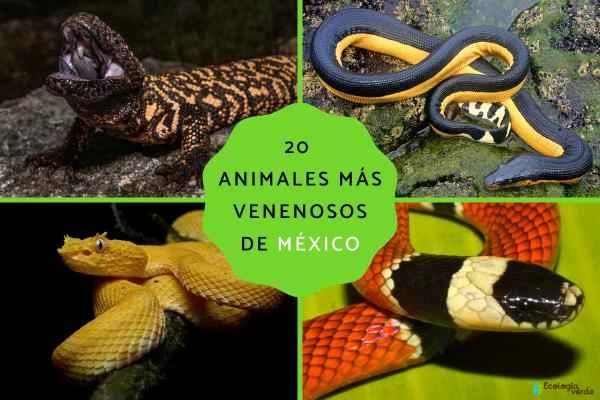
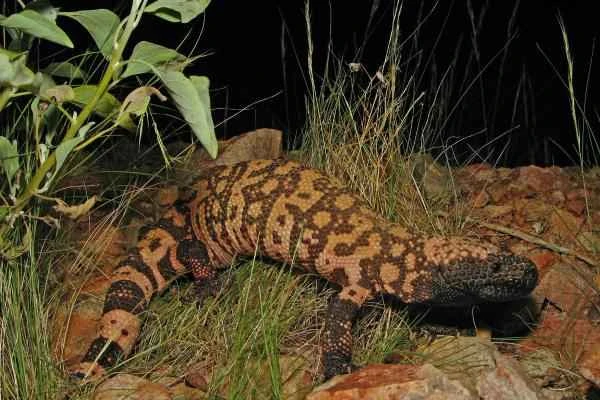
1. Gila monster (Heloderma suspectum)
This is a poisonous lizard found in the desert regions of northern Mexico, and one of only two species of venomous lizards in the world. Its venom is secreted through venom glands in its lower jaw and injected into its prey via grooves in its teeth.
Prey types: small mammals, birds, amphibians, and snakes.
Uses: The venom of the Gila monster has been studied for the treatment of type 2 diabetes.
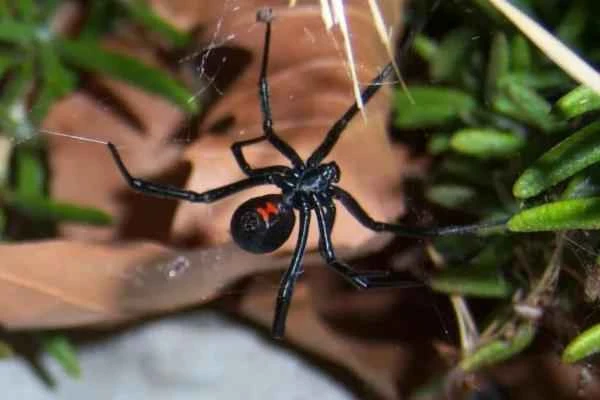
2. Black Widow Spider (Latrodectus mactans)
Black widows are easily identifiable by their shiny black bellies and striking red markings. Their neurotoxins are 15 times more potent than those of rattlesnakes.
Human symptoms: paralysis of the central nervous system, severe body pain, and high blood pressure.
Aggression: It is timid by nature, does not attack unless provoked, and its venom is usually not fatal.
3. Scorpions (Centruroides)
Mexico is home to a wide variety of scorpions, the most venomous of which belong to the genus Centruroides. These scorpions have small pincers and rely on venom to hunt.
Symptoms: localized numbness, throat tightness, nausea, edema, and in severe cases, heart or respiratory failure.
It has a wide geographical distribution, and is especially common in northern provinces.

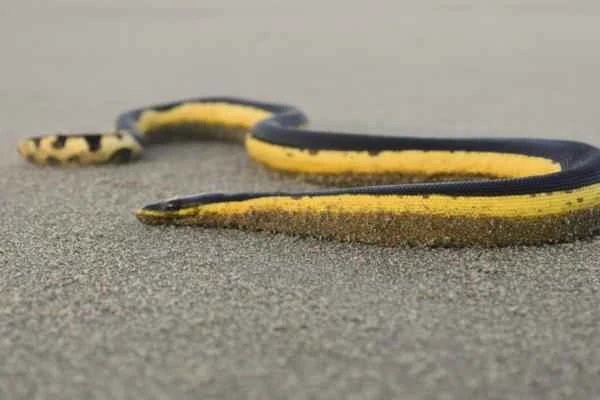
4. Yellow-lipped sea snake (Hydrophis platurus)
The only sea snake in the Americas, it lives in the open waters of the Pacific Ocean, and is gentle in nature but extremely venomous.
Venom type: Neurotoxin.
Each bite releases 1–4 milligrams of venom , posing a fatal risk.
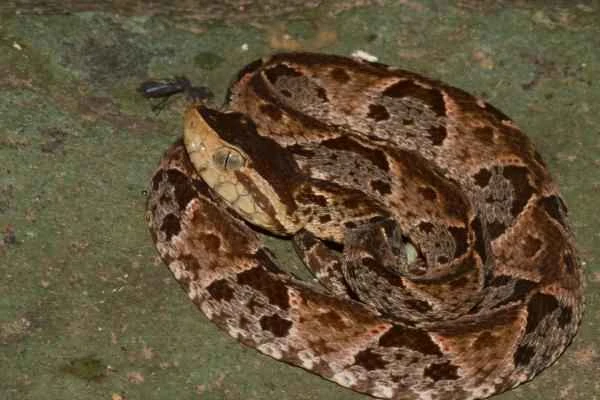
5. Bothrops asper
One of the most common biting venomous snakes in Mexico, known for its irritable temperament.
Symptoms: Lymphatic tissue damage, kidney failure, blisters, tissue necrosis, and amputation may be necessary in severe cases.
6. South American rattlesnake (Crotalus durissus)
Rattlesnakes have a typical rattling organ at the end of their tail, as well as heat receptors and powerful fangs.
Venom type: neurotoxin + myotoxin, causing muscle necrosis and paralysis.
Features: The dosage of injected venom can be adjusted; sometimes a "dry bite" warning is given to prevent venom injection.
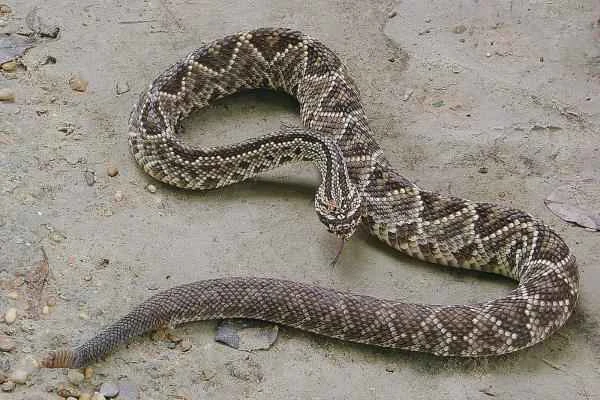
7. Double-banded lancet viper (Agkistrodon bilineatus)
They live near forests and water and are highly aggressive.
Venom type: Blood toxin + tissue necrosis; intense pain may lead to amputation.
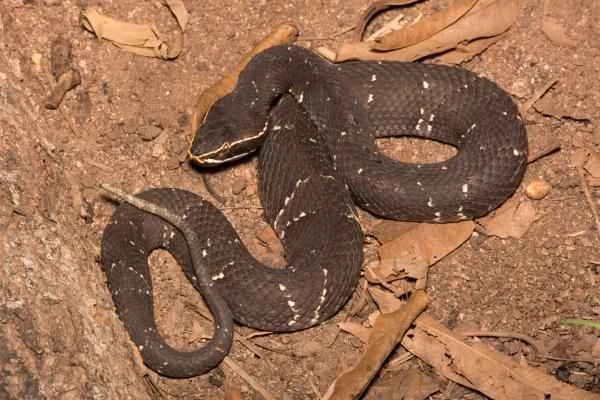
8. Horned viper (Bothriechis schlegelii)
A small, arboreal venomous snake with a bright yellow color and excellent camouflage.
Venom: Muscle paralysis toxin and blood toxin.
Attacks on humans are rare, but still potentially lethal.
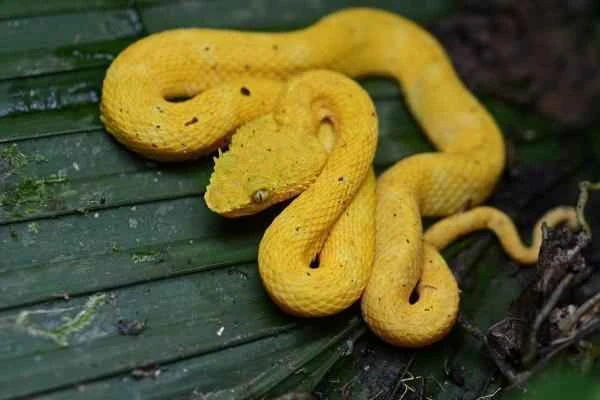
9. Coral snake (Micrurus distans)
The brightly colored venomous snake, with its red, black, and yellow stripes, is attractive in appearance but extremely dangerous.
Venom effects: Causes neuromuscular paralysis, symptoms appear within 20 minutes, and may lead to death due to respiratory paralysis.
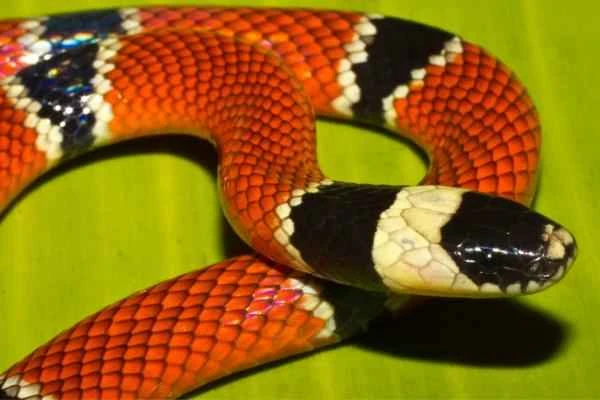
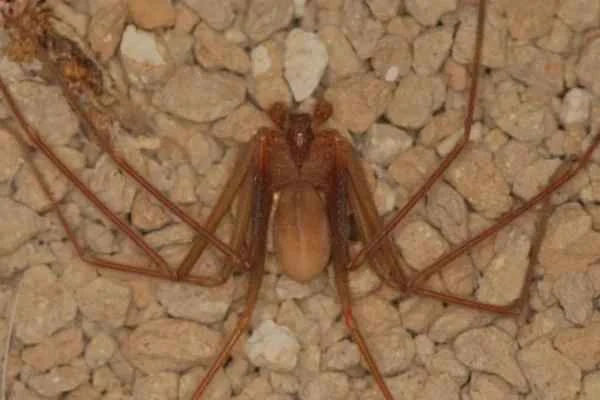
10. Violin Spider (Loxosceles spp.)
This is the most venomous animal in Mexico , with 16 endemic populations found throughout the country.
Venomous effects: Protein breakdown, leading to tissue necrosis; severe cases may result in kidney failure and death.
Features: It can adapt to urban environments, but you should seek medical attention immediately if bitten.
Other venomous animals in Mexico (brief list)
Bullnose viper (Porthidium dunni)
Heloderma horridum (Gallus gargoyle)
Spotted monitor lizard (Gallotia intermedia)
Western rattlesnake (Crotalus scutulatus scutulatus)
Taylor's lancet viper (Agkistrodon taylori)
Bothrops atrox (Amazonian lancet viper)
Tityus (scorpion)
Atropoides nummifer (Hemiberlein)
Mexican dwarf rattlesnake (Crotalus ravus)
Thuacan coral snake (Micrurus pachecogili)
Conclusion: How can we protect ourselves from venomous animals?
Understand high-risk areas and seasonal activity patterns.
Try to avoid hiking near grassy areas, tree roots, rock crevices, and other areas where people may be hiding.
Wear protective gear such as closed shoes and long pants.
If bitten, seek medical attention immediately and avoid self-treatment.
bibliography
Ramírez Bautista, A. and MC Arizmendi. (2004). Possibly a poisonous lizard. Systematics and natural history of some amphibians and reptiles in Mexico. SNIB-CONABIO database. Project W013.
Tay Zavala, J., Castillo Alarcón, L., Julia Zertuche, J., Romero Cabello, R., and Velazco Castrejón, O. (1980). Incidents of venomous animal bites, Part 1. Journal of Medical Sciences, 7(7).
Castro (EEN), Valle (MB), and Cano (AA) (2014). Venomous reptiles in Mexico. Journal of the National Autonomous University of Mexico, Vol. 15, No. 11, ISSN 1607-6079.