The animal kingdom also boasts a diverse array of "foodies," whose love for food rivals even that of humans. Unlike humans, animals often resort to overeating to satisfy their cravings. So, which animals are the world's biggest eaters? Here are ten of the most voracious animals: blue whales, shrews, hummingbirds, giant pandas, sea otters, silkworms, and Tasmanian devils. These animals are considered among the world's biggest eaters due to their unique lifestyles and dietary needs. Their eating habits not only fulfill survival requirements but also reflect the diversity and ecological balance of the animal kingdom.

1. Blue whale (Earth's largest eater)
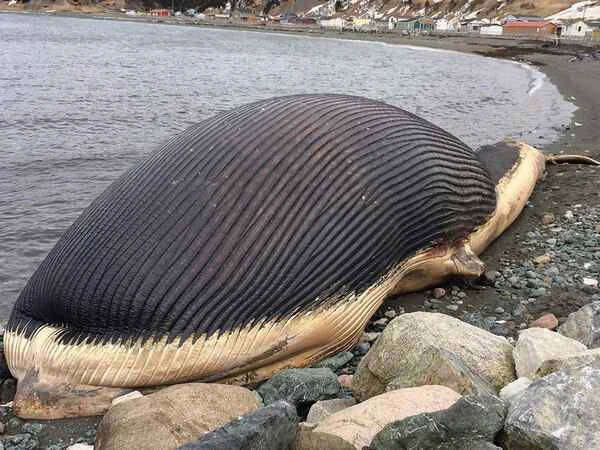
A rotting blue whale carcass on the banks of the Trout River in the Netherlands
The blue whale undoubtedly tops the list of animals renowned for their voracious appetite. It is the largest known creature on Earth, reaching up to 33 meters in length and weighing over 200 tons—equivalent to the weight of 25 adult elephants. Despite their immense size, blue whales primarily feed on tiny krill. When a blue whale has a voracious appetite, it can consume over 2 million krill in a single meal. Furthermore, blue whales possess an incredible digestive system, capable of completely digesting approximately 8 tons of food in a very short time. These enormous creatures consume between 4 and 8 tons of food daily, and they will feel hungry once their stomach contents fall below 2 tons.
2. Shrew (will die if starved)
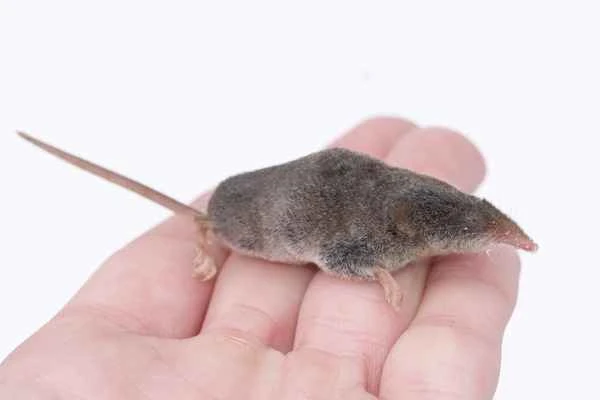
Shrews are also voracious eaters in the animal kingdom, despite being among the smallest land mammals. The smallest shrew is only 3.5 centimeters long and weighs 2 grams, roughly the size of a coin. In comparison, an adult male South African elephant weighs approximately 6 tons. Shrews spend 17 hours a day foraging, consuming 60 kilograms of dry food. Despite their seemingly enormous appetite, food actually represents only a small percentage of their body weight. However, shrews must swallow at least their own weight in food daily. If food is plentiful, they can even consume up to three times their own weight in a single day. Shrews need to consume a large amount of calories to offset their enormous energy expenditure; if they do not eat for 5 hours, these small animals will die of starvation.
3. Hummingbird (eats excessively to maintain stamina)

Hummingbirds are small, brightly colored birds often regarded as goddesses of the forest. However, these "forest goddesses" are also voracious eaters; relative to their size, hummingbirds are among the most voracious animals. In eight hours, a hummingbird can feed approximately 48 times, catching a meal every 10 minutes. This enormous appetite is primarily due to their extremely high energy expenditure. A hummingbird's wings beat an average of 50 times per second, resulting in the fastest metabolic rate among vertebrates, and a heart rate reaching 500 beats per minute. The Red-throated Northern Hummingbird holds the record for the fastest wingbeats and may be one of the world's most voracious birds. It can flap its wings 200 times per second and consumes far more nectar than its own weight daily, sometimes even twice its body weight.
4. Giant pandas (consume nearly 40% of their body weight in food daily)
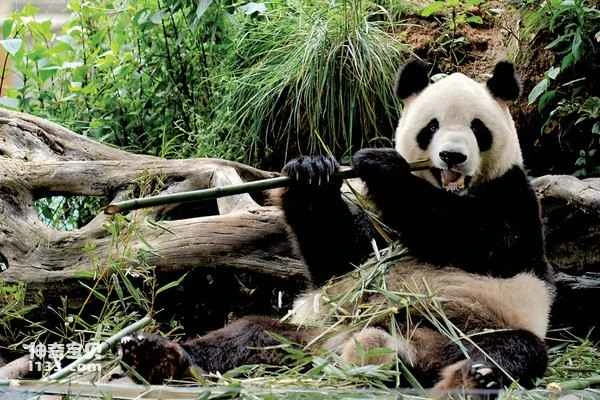
Our national treasure, the giant panda, is also one of the animals with the largest appetites. While the ancestors of giant pandas were carnivores, their diet gradually shifted to bamboo as a primary food source during the long course of evolution due to its easier availability. However, their digestive system hasn't changed much, remaining similar to that of carnivores: a short digestive tract, sharp canines, and no cecum. This raises a problem: the giant panda's intestines lack the specific bacteria needed to break down cellulose, resulting in a low proportion of calories obtained from bamboo. To obtain nutrition, pandas can only compensate by constantly eating. In the wild, aside from sleeping or short-distance activity, giant pandas spend up to 14 hours a day foraging. A single giant panda consumes 12 to 38 kilograms of food daily, nearly 40% of its body weight.
5. Sea otters (consume more than one-third of their body weight in seafood every day)
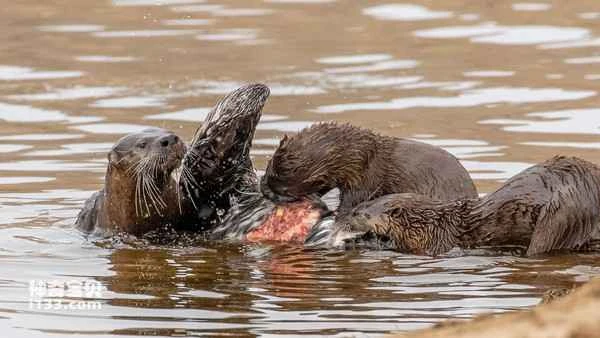
Sea otters are among the top ten most voracious eaters. They often float on the surface of the water, making people forget that they are actually animals that are 1.5 meters long and weigh around 40 kilograms. Sea otters not only love to eat, but they also know how to eat. Through generations of evolution and reproduction, their tool-using skills have continuously improved. They have long since mastered the "basic operation" of cracking open shells with stones, and they are adept at using their bodies as dining tables for convenient eating. Sea otters typically consume one-third of their body weight in seafood every day. Their diet mainly consists of shellfish, abalone, sea urchins, crabs, etc., which grow on the seabed, and they sometimes also eat seaweed and fish.
6. Silkworms (can eat 1/2 to 2/3 of their own body weight in food each day)
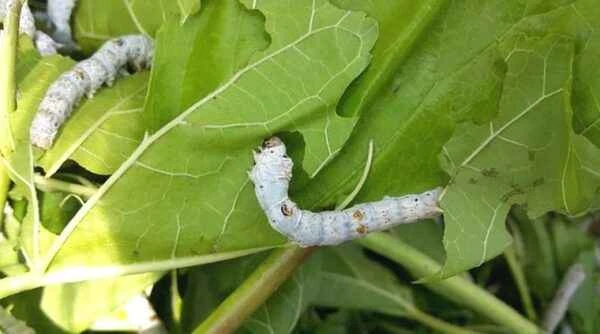
Silkworms are renowned eating machines on animal gluttony lists. For example, a silkworm can consume several times its own weight in mulberry leaves daily. Their food intake increases at different growth stages. In two months, a silkworm can eat over 1000 times its own weight in food, and in its lifetime, it typically consumes 0.4 to 0.6 kilograms of mulberry leaves. Throughout its life, the silkworm is almost constantly eating; its mouth is never idle.
The species with the largest appetite is the cephalopoda. A single cephalopoda caterpillar can consume 86,000 times its own weight in food within 56 days, earning it the title of the world's most voracious animal.
7. Tasmanian devil (can eat up to 15% of its own body weight in food per day)
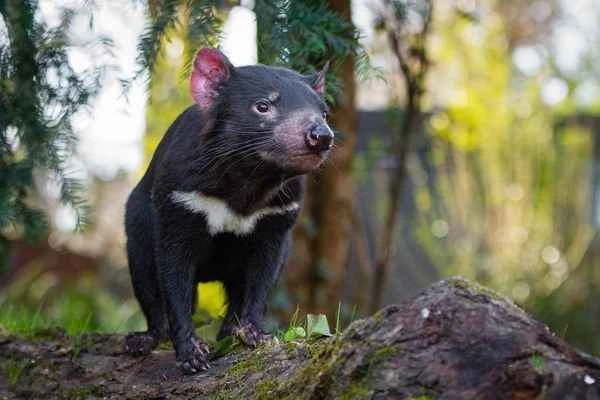
Tasmanian devils are also frequent contenders on animal appetite rankings. Primarily carnivorous, these small Australian predators possess sharp teeth and a powerful bite, enabling them to prey on animals even slightly larger than themselves. Their preferred food includes wombats, but they will also consume other livestock (such as sheep), birds, fish, frogs, and reptiles, depending on the abundance of available food.
Tasmanian devils eat an average of 15% of their body weight in food each day, but under certain circumstances, they can eat up to 40% of their body weight in half an hour.
8. Vulture (eats quickly and has a large appetite)
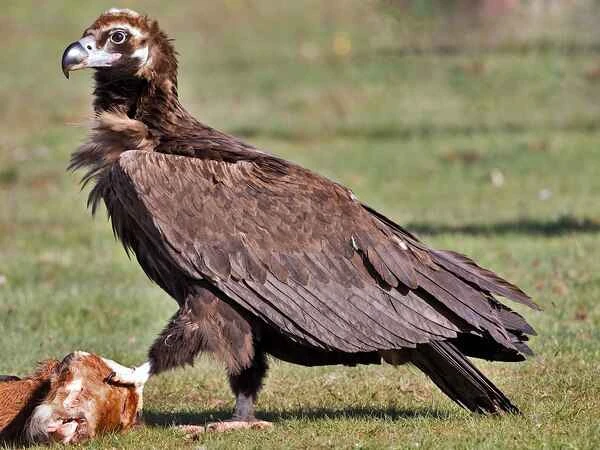
Vultures are widely recognized as the kings of carrion, primarily feeding on large animal carcasses and other decaying matter, occasionally attacking and preying on smaller animals. Known as the "cleaners of the grasslands," they frequently soar over open, relatively bare mountains and plains, searching for animal carcasses. A vulture's digestive system contains a special acidic substance that can break down any food, even bacteria and bones.
Due to prolonged exposure to pathogens, vultures have evolved a powerful immune system with highly developed antibodies that effectively combat bacterial invasion and resist various biological toxins. Vultures have an astonishing appetite; a flock can devour the carcass of a large animal within an hour, and some individuals can consume more than 20% of their own body weight in food.
9. Honeypot ants (eat until their bodies are about to burst)
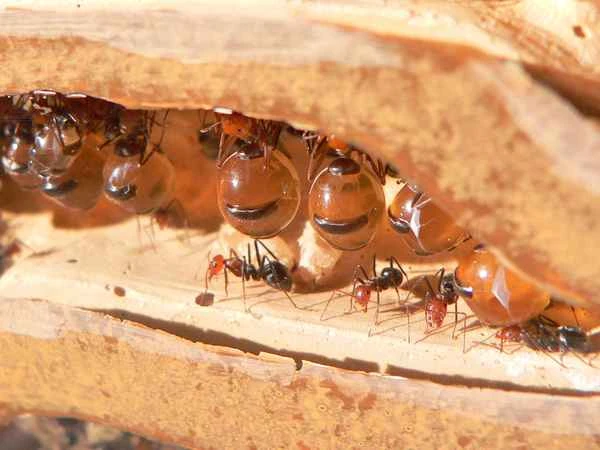
Honeypot ants are a type of ant that lives in North America. They are called "honeypot ants" because their abdomens are particularly well-developed, making them look like they are carrying a large honeypot. When not feeding on honey, the abdomen of a honeypot ant is almost indistinguishable from that of an ordinary ant. However, through long-term evolution, in order to store more honey, honeypot ants have developed hard skeletal plates on their abdomens, which are connected by soft and tough membranes, making them very elastic.
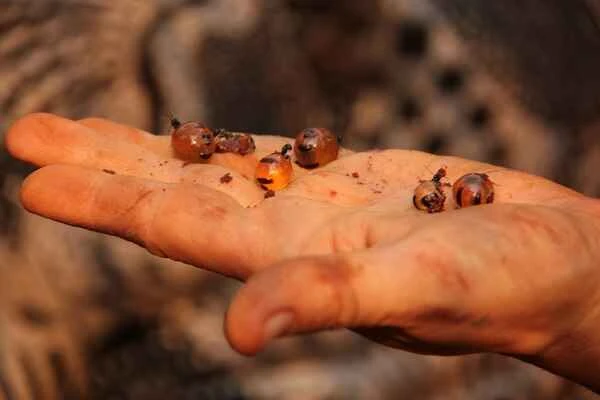
When food is plentiful, honeypot ants greedily feed on honey until their abdomens become transparent and appear about to burst. After a satiated meal, a honeypot ant's abdomen can weigh up to 1.5 grams, making it as large as a grape. This unique abdominal structure makes the honeypot ant a "living honey pot," providing energy and nutrients to the entire colony during times of scarcity.
10. Python (which preys on animals that are equal to or greater than its own weight)
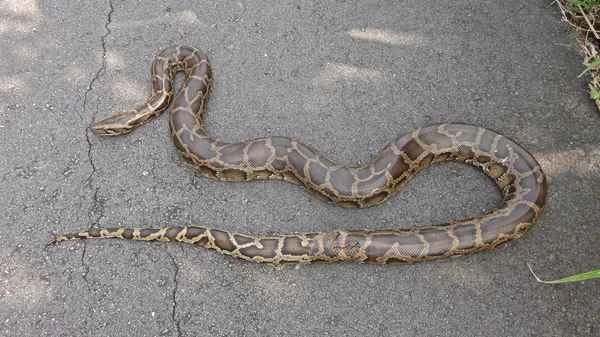
Snakes are known as "big eaters" in the animal kingdom. When hunting, they lie in ambush in a secluded spot, their bodies contorted, heads swaying from side to side, tongues lolling out in a Y-shape, searching for the scent of prey and waiting patiently for it to come to them. Pythons, in particular, often reach lengths of 3 to 5 meters, possessing long enough bodies to coil around their prey in multiple loops until the prey loses its heartbeat and stops breathing.
Snakes have an astonishing appetite, capable of swallowing animals equal to or even exceeding their own weight in a single meal. However, sometimes they can rupture their bellies due to the sheer size of their prey. Despite this, a snake's digestive system is remarkably efficient, allowing it to fully digest its food within a week.