Soil is the primary habitat, breeding ground, and habitat for underground pests. These pests damage the underground parts of plants, seeds, seedlings, and even the main stem near the soil surface. Common underground pests include grubs, mole crickets, cutworms, wireworms, root maggots, crickets, and wheat root bugs, among others, causing significant damage to crop growth and development.
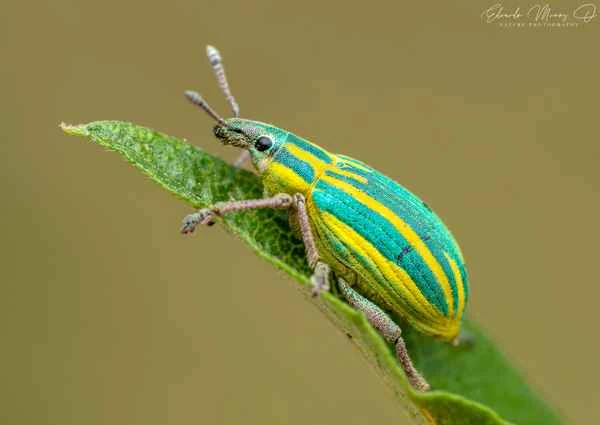
These underground pests live in the soil, feeding on roots, rhizomes, and underground plant tissues, which can lead to stunted plant growth, reduced yields, and even severe death. These pests are numerous and cause serious damage, requiring farmers to take timely and effective control measures to protect the normal growth and yield of crops. Understanding and preventing these underground pests is crucial for agricultural production.
1. Grubs (global/divided underground pests with many species/wide distribution)
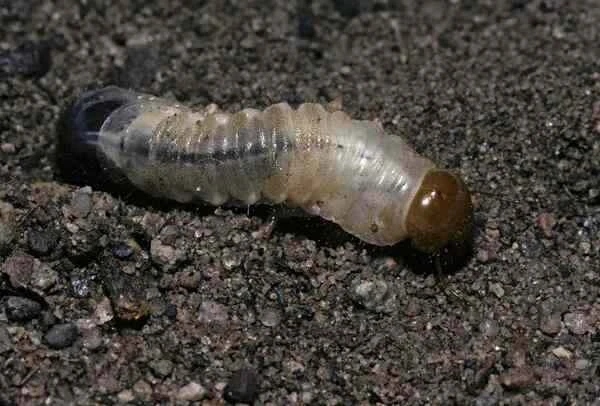
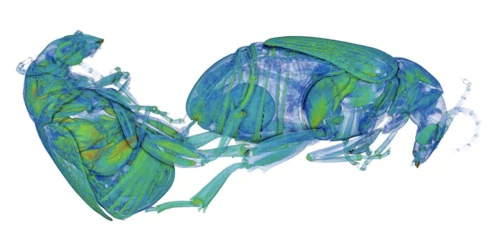
White grubs, the larvae of scarab beetles, are listed as one of the top ten underground pests. These pests are a global problem, belonging to one of the most diverse, widely distributed, eclectic, and damaging groups among underground pests. Their larvae have enormous appetites; mild infestations may lead to missing seedlings or broken rows, while severe infestations can result in total crop failure. White grubs primarily damage the seeds, seedlings, and roots of field crops such as millet, sorghum, various types of wheat, beans, peanuts, sugar beets, and cotton, as well as various vegetables and fruit trees. They gnaw on seeds or bite off the roots of seedlings, causing missing seedlings and broken rows in mild cases, leading not only to reduced yields but also increased susceptibility to pathogens.
Among these grubs, the North China Black-breasted Scarab Beetle, the Dark-breasted Scarab Beetle, and the Green-breasted Scarab Beetle are the dominant species of underground pests that suffer the most serious damage in my country.
2. Mole crickets (diverse diet/dangerous due to their roaming nature)
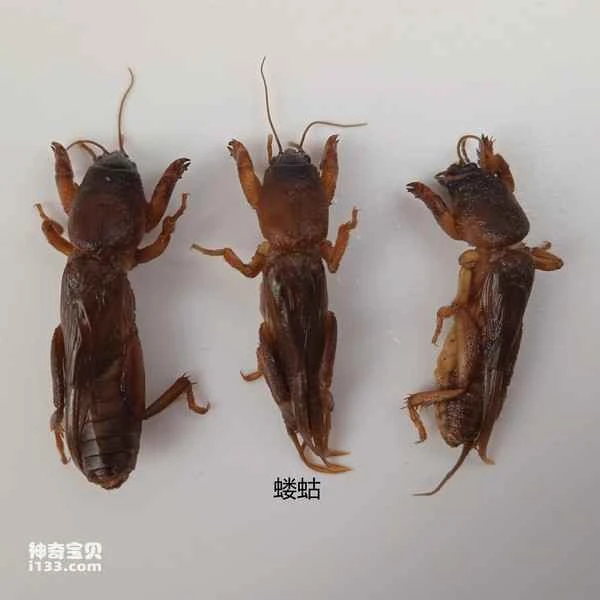
Among underground pests, mole crickets are arguably one of the most troublesome. These polyphagous pests are widely distributed in China and are among the most active underground pests. Both adults and larvae cause serious damage to crops. They feed on the seeds and seedlings of various crops, especially newly germinated seeds, leading to severe seedling loss and gaps in rows. Particularly worrying is that mole crickets are often active in the soil surface, moving nimbly and creating numerous tunnels, which hollow out seeds and cause seedlings to die from dehydration. As the saying goes, "It's not the mole crickets biting that's scary, it's their escape," highlighting the serious threat they pose to crops. Especially in cereals and wheat crops, large-scale mole cricket activity can result in severe losses.
3. Cutworms (many species/wide distribution/large numbers/severe damage)
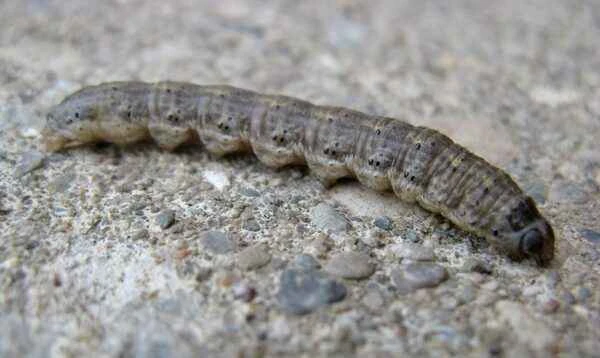
Among the various types of underground pests, the cutworm, common in my country, undoubtedly holds a prominent place. These pests are numerous, widely distributed, and abundant throughout my country, causing severe damage. Cutworms are polyphagous insects, affecting a wide range of plants including cotton, various vegetables, tobacco, medicinal herbs, and fruit trees, involving approximately a hundred plant species. They are one of the main pests of seedlings in nurseries. Juvenile cutworms are primarily active above ground, feeding on tender leaves, cotyledons, and stems day and night, potentially causing agricultural products to rot. After reaching the third instar, the larvae begin to rest during the day and become active at night. Adult larvae may bite off the seedlings near the ground, leading to missing seedlings, broken rows, and even the need for reseeding.
4. Wireworms (larvae damage seedlings and buds/lead to pathogen invasion)
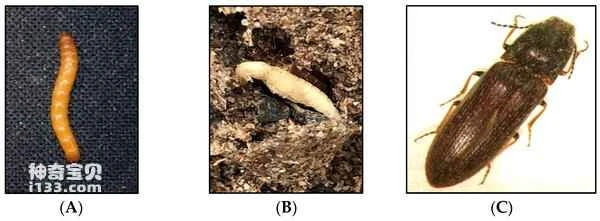
Wireworms, named for their resemblance to gold needles, are common soil pests. They are the larvae of click beetles, widely distributed worldwide, posing a serious threat to various crops such as wheat and corn, and are a significant representative of underground pests. The adults have a short active period and their damage on the surface is not significant; the main damage comes from the larvae. Wireworm larvae primarily feed on the underground parts of plants, including cereals, tubers, beans, sugar beets, cotton, and seedlings of various vegetables and trees. They bite and eat seeds, seedlings, and roots, including fibrous roots, taproots, and tillering nodes, and can even bore into the rhizomes of grass plants, causing the grass to wither and die, resulting in sparse lawns and even irregular patches of dead grass.
5. Root maggots (omnivorous/causing gaps in seedlings and broken rows)
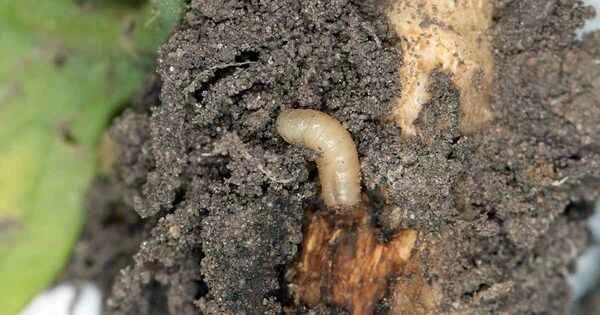
Mole crickets, white grubs, wireworms, cutworms, and root maggots are among the most important common underground pests in my country. Root maggots are omnivorous underground pests, the larvae of insects such as seed flies and onion flies. They mainly damage crops such as cotton, corn, various tubers, beans, melons, cruciferous vegetables, spinach, onions, and garlic. Onions and garlic are particularly severely affected.
After hatching, the larvae of root maggots burrow into the rootstock and feed, causing the leaves on the above-ground parts of the plant to turn yellow and wilt. Alternatively, they may bore into the rootstock from the bottom up, eventually leading to the death of the entire plant. Root maggot activity is often accompanied by soft rot, causing significant problems for crop growth.
6. Crickets (omnivorous/important agricultural pest)
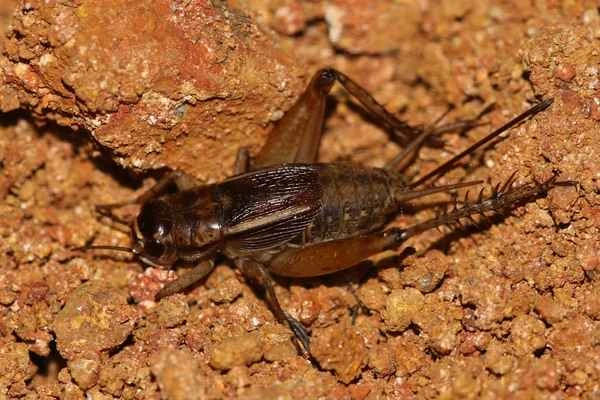
Crickets, a common pest in Chinese crops, may surprise many. They are widely distributed, particularly in Northeast China, North China, the lower reaches of the Yangtze River, and South China. Crickets are omnivorous, feeding on a wide range of foods, primarily damaging legumes, melons, various vegetables, tubers, and gramineous crops. They destroy the roots, stems, leaves, fruits, and seeds of plants, with seedlings being particularly vulnerable. Furthermore, crickets also chew on the bark of some plants and damage crops such as corn, jute, tobacco, cotton, soybeans, and cassava, often causing seedling loss and impacting overall harvest.
7. Wheat root bug (causing gaps in seedlings and broken rows)
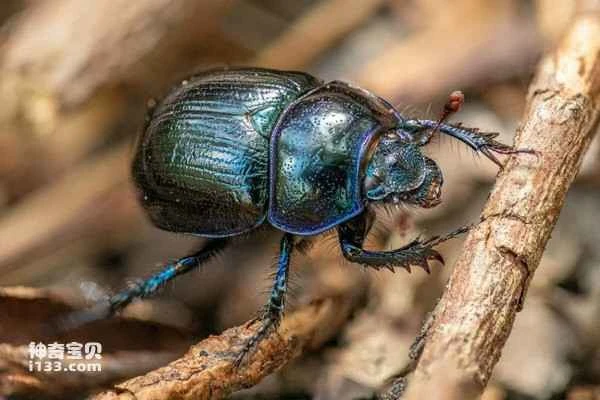
The root bug, also known as the root stink bug, is a subterranean pest mainly distributed in North China, Northeast my country, Northwest China, and Taiwan. It causes serious damage to corn, wheat, millet, sorghum, beans, tobacco, and grassy weeds. Both adults and larvae primarily extract nutrients from the host's roots through their mouthparts.
When these pests attack wheat, they cause the plants to die half a month earlier, resulting in small ears and fewer grains, significantly impacting yield. As for sorghum and corn, the damage manifests as stunted seedlings, short plants, or even withering and failure to produce ears, reducing yield by 20% to 30%, and sometimes even leading to total crop failure in some areas.
8. Root-knot nematodes (rapid reproduction/strong vitality)
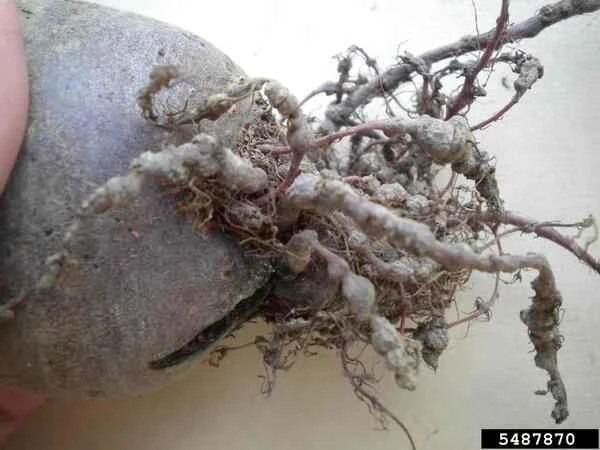
Root-knot nematodes on beet roots
Root-knot nematodes are a type of nematode that specifically parasitizes plants. They are widespread and can potentially harm at least 39 families and more than 130 species of crops. These nematodes are tiny and difficult to see with the naked eye. They are mainly distributed in the top 0-20 cm of soil, especially in the 3-9 cm soil layer where they are most densely distributed. Root-knot nematode larvae and eggs usually exist in the soil with root nodules, and may also overwinter directly in the soil. They can survive for up to 3 years even without a host plant.
Once they infest multiple different crops, root-knot nematodes can reproduce rapidly. Combined with their short life cycle, root-knot nematodes pose a significant threat to crop production. They severely impact crop growth and yield by damaging the roots.
9. False ground beetle (causing gaps in seedlings and broken rows)
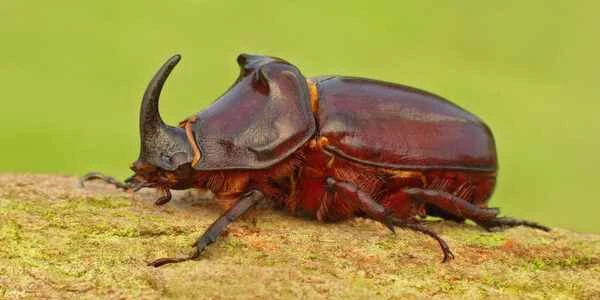
The false ground beetle, also known as the sand beetle or false ground beetle, has larvae often called sand miners. It is mainly distributed in Northeast, North, and Northwest China and is a type of underground pest. Adults primarily damage wheat, cotton, flax, and various legumes; while the larvae mainly target newly sown seeds and germinating seedlings, capable of feeding on the roots and stems of seedlings, leading to missing seedlings or lodging.
To control the planthopper, agricultural producers can take a variety of effective measures. For example, combining tillage and land preparation, manual capture, poison baiting, seed treatment with pesticides, or ground spraying with pesticide powder can all achieve good results.
10. Root mealybug (strong resistance to starvation/high reproductive capacity)
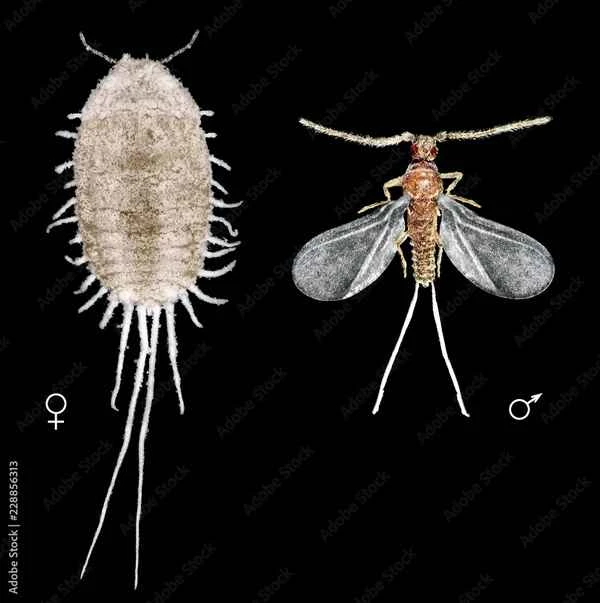
Root mealybugs are a significant pest threatening wheat crops. They are diverse in species and widely distributed, damaging not only various trees but also found in provinces such as Fujian, Zhejiang, Jiangxi, and Yunnan in China. These pests live and prefer to inhabit the soil. Both adults and larvae congregate at the roots, causing damage to plants. Root mealybugs thrive in temperatures between 15 and 25 degrees Celsius. Adult females are highly resistant to starvation, surviving for 6 to 19 days without food. In contrast, males are relatively rare, while females can reproduce parthenogenetically. Root mealybugs can produce 4 to 5 generations per year, with overlap between generations.