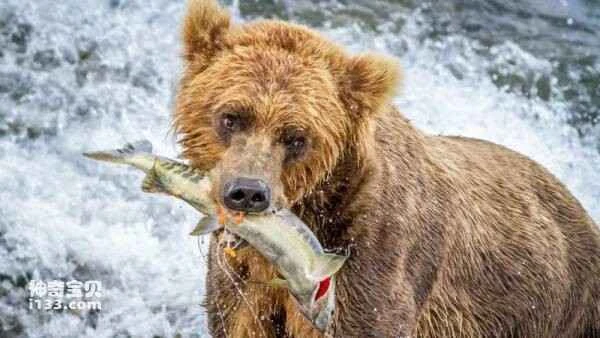
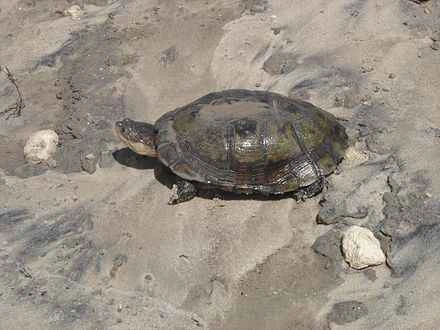
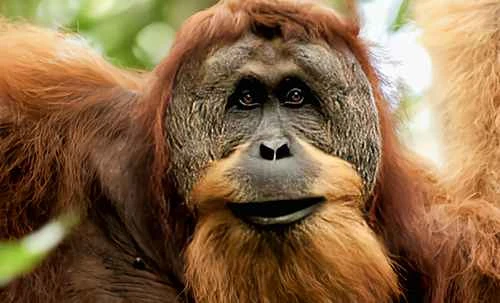
In nature, survival and predation are inextricably linked. Many animals hunt other creatures daily in order to survive. However, some animals are renowned for their highly efficient hunting abilities, becoming apex predators in the ecosystem. So, which animals kill the most other animals? Let's delve into some animals with astonishing numbers of prey.
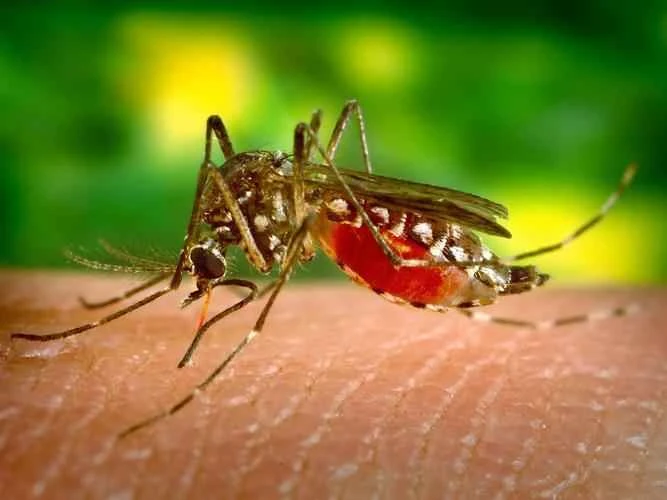
1. Mosquitoes: The Unexpected "King of Killers"
Millions Killed Annually: Despite their seemingly insignificant size, mosquitoes are among the deadliest animals in the world. They don't kill other animals directly, but rather by transmitting deadly diseases such as malaria, dengue fever, and yellow fever. Every year, mosquito-borne diseases cause millions of deaths, particularly in tropical and subtropical regions. According to the World Health Organization (WHO), malaria alone kills more than 600,000 people annually. This makes mosquitoes one of the deadliest animals in the world.
2. Humans: The most destructive predators on Earth
Annual kill count: ranging from hundreds of thousands to millions; the number of deaths among other species is incalculable. Humans are not only top predators but also one of the most influential species in nature. From hunting animals for food to large-scale wars and massacres, the number of animals killed directly or indirectly by humans each year is incalculable. In industrialized agriculture, fishing, and hunting activities, human impact on other animals is extremely widespread. Meanwhile, habitat destruction and climate change further contribute to the extinction of numerous species. Therefore, while humans may not be considered "natural predators," they are undoubtedly one of the most destructive species on Earth.
3. Felines: Natural hunters
Domestic cats: Killing hundreds of millions to billions of animals annually ** While domestic cats may appear docile, they are formidable predators. Studies show that domestic cats kill billions of birds and small mammals globally each year, especially in environments lacking natural predators. In the wild, domestic cat hunting has a significant negative impact on ecosystems. Particularly in places like New Zealand and Australia, feline predation has directly led to the extinction of several native species.
Large cats such as lions and tigers are also apex predators in the ecosystem. They typically hunt in packs, killing large numbers of herbivores each year, such as deer, zebras, and antelopes.
4. Orca: The ruler of the ocean
Annual kill count: Hundreds to thousands. Orcas (killer whales) are apex predators in the ocean, renowned for their highly efficient hunting techniques. Orcas prey on a variety of marine animals, including fish, seals, dolphins, and even great white sharks. They possess complex group cooperation abilities, enabling them to precisely track and kill their prey. In Antarctica, orcas employ unique strategies to hunt seals, even overturning ice floes to seize their prey. Although orcas do not kill large numbers of prey, their position in the marine ecosystem is unshakeable.
5. African Lion: King of the Savannah
Annual kill count: Hundreds to thousands. As apex predators on the African savanna, lions kill a large number of herbivores each year, such as zebras, wildebeests, and antelopes. Lions typically hunt in packs, using teamwork to catch prey larger than themselves. Their hunting efficiency is extremely high, making them "regulators" of the entire savanna ecosystem, maintaining ecological balance by controlling prey populations.
6. Nile Crocodile: Deadly Ambush Predator in the River
Annual kills: Hundreds to thousands. Nile crocodiles are among the deadliest predators in African rivers. Their hunting method relies primarily on ambush; when prey approaches water, the crocodile launches a swift attack, using its powerful bite to drag the prey into the water and drown it. Nile crocodiles prey on a variety of mammals, including zebras, antelopes, and even humans.
7. Wolf Pack: United Predators
Annual kills: Hundreds . Wolves are highly social animals that hunt in packs. Individual wolves in a pack cooperate to hunt prey larger than themselves, such as deer and moose. Wolves have an extremely high hunting success rate, killing a large number of prey within their territory each year to sustain the pack's survival.
8. Bees: Highly efficient "assassins" in swarm attacks
Annual kill count: Hundreds to thousands of human deaths each year. Bees generally do not actively attack other animals or humans, but when threatened, they will defend themselves through swarm attacks. While a bee's sting attack has little effect on a single prey, a large-scale swarm attack can cause severe allergic reactions and even death. African honeybees, in particular, are extremely aggressive, causing hundreds or even thousands of human deaths annually.
9. Great White Shark: The Silent Killer of the Ocean
Annual kills: Hundreds. As apex predators in the ocean, great white sharks kill a large number of marine creatures each year, especially fish, seals, and turtles. Although great white sharks occasionally attack humans, humans are not their primary target. The great white shark's powerful bite and agile attacks make it virtually untouched by natural predators in the ocean.
10. Flies and Parasites: Deadly Indirect Killers
Annual kills: Millions of people die indirectly each year. Flies and parasites do not directly kill other animals, but they become indirect "killers" by spreading deadly diseases. For example, sleeping sickness transmitted by tsetse flies and other parasitic diseases cause the deaths of a large number of livestock and humans every year in Africa and other places.
in conclusion
From the smallest mosquito to the mighty killer whale, predators are everywhere in the animal kingdom. Mosquitoes cause the most deaths due to the diseases they transmit, but in human ecosystems, domestic cats and humans also have a massive impact on the survival of other species. Whether apex predators or indirect killers, animals maintain ecological balance in various ways, while also demonstrating the brutal competition for survival in nature.