In nature, many animals can sense changes in the weather and react in advance. This weather sense not only helps them adapt to their environment better but also provides us with important meteorological clues. So, how exactly do animals sense changes in the weather?
1. Air pressure changes – animals' natural "barometers"
Animals are extremely sensitive to changes in air pressure, which is a crucial signal of weather changes. Many animals predict the weather by sensing changes in air pressure. For example, birds will stop flying and seek shelter when the air pressure drops; frogs will start croaking frequently when the air pressure decreases, indicating that rain is coming.
Case Study: Birds and Air Pressure. When air pressure decreases, birds will lower their flight altitude or even stop flying altogether. Low air pressure is often accompanied by storms or rain, so birds use this method to reduce the danger of flying. In addition, poultry such as chickens often become restless and may even seek shelter in advance when there are significant changes in air pressure.
2. Humidity changes – Frogs, earthworms, and other humidity sensors
Changes in humidity are one of the main ways many animals sense the weather. Before a thunderstorm, the humidity in the air rises significantly, which affects the lives and behaviors of animals. For example, frogs croak more frequently when humidity rises, and earthworms will crawl out of the ground to avoid rain flooding their burrows.
Case Study: Earthworms and Humidity. Earthworms live underground, but they are extremely sensitive to changes in humidity. Before a thunderstorm, the soil becomes more moist, and earthworms will emerge from the ground to avoid the impending downpour. This behavior, known as "earthworms making their way," is a typical indicator of weather changes.
3. Electromagnetic field induction – a sensitive reaction in pets such as cats and dogs.
Thunderstorms are accompanied by dramatic changes in the electromagnetic field, which many animals can sense, exhibiting restlessness or seeking shelter in advance. Domestic pets such as cats and dogs often show restlessness and avoidance behavior before thunderstorms. They sense the electromagnetic changes before thunderstorms through their bodies, providing their owners with a significant advance warning.
Case Study: Cats and Dogs and Thunderstorms Before a thunderstorm, changes in the electromagnetic field can make pets like cats and dogs uneasy. They may seek out safe corners to hide in, or even become unusually quiet or restless. This behavior is their natural reaction to an approaching thunderstorm and their unique way of perceiving the weather.
4. Wind speed and airflow changes – the “navigation system” for migratory birds
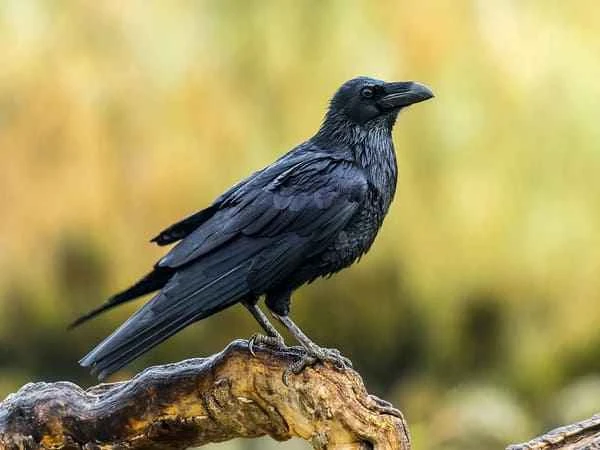
Many birds, especially migratory birds, can predict the weather by sensing changes in wind speed and air currents. Their flight paths are closely linked to weather changes. During severe weather such as strong winds and storms, birds usually stop flying to avoid getting lost in the storm.
Case Study: Swallows and Wind Speed . Swallows are extremely sensitive to changes in wind speed and airflow. When air humidity increases and airflow decreases, swallows begin to fly low, as insect activity also tends to concentrate at low altitudes. This behavior often foreshadows impending rainfall and was a common weather forecasting method used by the ancients.
5. Temperature Change – An Adaptation Strategy for Cold-Blooded Animals
Cold-blooded animals (such as lizards and snakes) are very sensitive to temperature changes because their body temperature is directly affected by the environment. Before a sudden drop in temperature or a rainstorm, many cold-blooded animals will seek out warm or dry shelters to avoid hypothermia affecting their survival.
Case Study: Snakes and Temperature Snakes react quickly to temperature changes. For example, before cold weather arrives, snakes will take refuge in burrows to avoid the threat of low temperatures. And when thunderstorms approach, snakes will quickly seek out dry areas to avoid the dampness.
6. The close relationship between insects and weather changes
Insects are highly sensitive to weather changes. Many insects, such as mosquitoes and flies, change their activity patterns when humidity and air pressure fluctuate, helping them avoid impending severe weather. For example, ants move to higher ground before heavy rain, while dragonflies fly low before thunderstorms, indicating the approach of rain.
Case Study: Ants and Thunderstorms Ants are highly sensitive to impending thunderstorms. Before a heavy rain, ants will migrate in large groups from low-lying areas to higher ground. This phenomenon of "ants moving house" is usually a clear sign of an impending thunderstorm.
7. Sound waves and vibrations – fish's advanced perception
Aquatic animals such as fish can predict weather changes by sensing sound waves and vibrations in the water. Before a heavy rain or storm arrives, vibrations in the water are transmitted to them in advance, allowing them to react quickly. For example, before a storm, many fish swim to deeper waters to avoid potential danger.
Case Study: Fish and Storms Some deep-sea fish sense minute vibrations and changes in sound waves in the water before a storm arrives and swim to deeper waters. This behavior is considered a natural adaptation to cope with ocean storms.
Animals' ability to perceive weather changes is a form of evolutionary intelligence. By observing changes in various environmental factors such as air pressure, humidity, wind speed, and electromagnetic fields, they can predict the weather in advance and take corresponding measures to protect themselves. As nature's "meteorologists," these animals provide important natural early warning signals for humanity. By carefully observing these changes, we can not only better understand the natural world but also use this information to better address climate change.
Signs of thunderstorms: Which animals can predict weather changes?
Weather changes often leave traces in nature, especially in the lead-up to thunderstorms. Not only do clouds and wind direction change, but the behavior of many animals also shifts. Ancient people were able to predict upcoming thunderstorms by observing animal reactions. So, which animals could be considered harbingers of thunderstorms?
1. Swallows fly low
Swallows are one of the most common harbingers of thunderstorms. Before a thunderstorm, humidity rises, and insects move lower in the air. Swallows feed on insects, so they fly low to catch them. This low-flying behavior often foreshadows an impending thunderstorm and is used by many to judge weather changes.
2. Frogs are croaking more frequently.
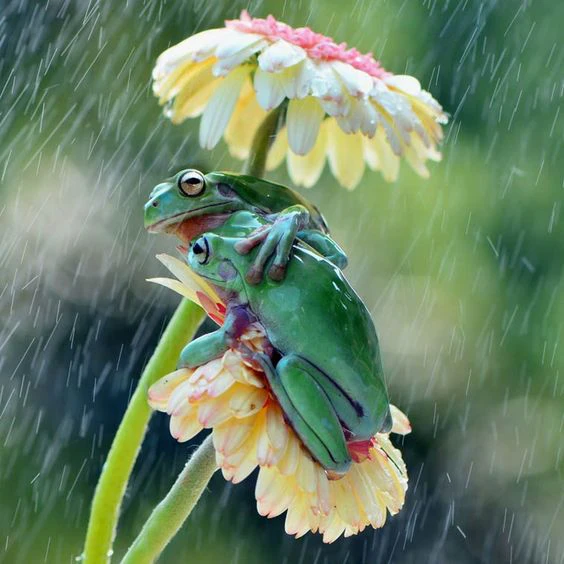
Frogs are animals that are very sensitive to changes in humidity and air pressure. Before a thunderstorm, the air humidity rises and the air pressure drops. Frogs can sense these changes and begin to croak frequently. Especially in summer, the croaking of frogs is often one of the signals that a thunderstorm is coming.
3. Ants moving house
Before a thunderstorm, ground humidity increases, making ant nests susceptible to waterlogging. Therefore, ants will migrate in large groups from low-lying areas to find higher, drier locations. This phenomenon of "ants moving house" is traditionally considered a classic sign of impending heavy rain or thunderstorms.
4. Dragonflies fly low
Similar to swallows, dragonflies' flight altitude is also related to air humidity and air pressure. When a thunderstorm is approaching, the increased humidity affects the dragonflies' wings, causing them to fly lower. Therefore, if you see dragonflies flying low, it's very likely that a thunderstorm is on its way.
5. Birds are quiet or gathered together.
Birds are very sensitive to changes in air pressure. When a thunderstorm is approaching, birds usually stop singing, become unusually quiet, or gather in flocks to seek shelter. This unusual behavior often foreshadows thunderstorms.
6. Mole crickets (ground beetles) emerge from their burrows
Mole crickets live underground, but before a thunderstorm, as soil moisture increases and the water content inside their burrows rises, they crawl out to find a drier environment. Seeing mole crickets on the surface may indicate that a thunderstorm is imminent.
7. Cats and dogs are restless and agitated.
Many domestic animals, such as cats and dogs, exhibit restlessness before thunderstorms. This is because thunderstorms are accompanied by changes in electromagnetic fields, and animals like cats and dogs are extremely sensitive to these changes. Therefore, if you notice your pet suddenly becoming restless or agitated, a thunderstorm is likely imminent.
8. Bees return to the hive
Bees often return to their hives and reduce their foraging frequency before thunderstorms. This is because lower air pressure and increased humidity make it difficult for bees to fly. If you see a sudden surge of bees returning to the hive, a thunderstorm may be brewing.
9. The crickets stopped chirping.
Crickets chirp melodiously on clear nights, but their chirping gradually weakens or even stops as a thunderstorm approaches. This is because crickets are very sensitive to changes in air pressure and humidity. A sudden silence from crickets often indicates an impending thunderstorm.
10. The fish leaps out of the water.
Before a thunderstorm, the oxygen content in the water decreases, causing many fish to feel uncomfortable and frequently leap out of the water to breathe. This phenomenon is common in lakes or ponds before thunderstorms, so fish leaping out of the water is often considered a harbinger of thunderstorms.
in conclusion
Animals are far more sensitive to climate change than humans, and their behavioral changes can serve as a natural early warning system for weather changes. Phenomena such as swallows flying low, frogs croaking, and ants moving their nests can all provide early warning signals of impending thunderstorms. By observing these animal reactions, we can take preventative measures to avoid the disruption of daily life caused by sudden downpours.