In nature, animal reproductive systems often exhibit astonishing diversity and complexity. Some animals possess unique reproductive organs that not only play a crucial role in reproduction but also demonstrate the species' remarkable evolutionary adaptations. Below are ten animals with unusual reproductive organs whose reproductive methods are truly amazing!
1. Ducks – Spiral-shaped reproductive organs
Duck mating behavior is quite complex. Male ducks possess long, spiral-shaped penises, with some species having penises exceeding two-thirds of their body length. Female ducks also have a complex spiral reproductive tract, a mechanism likely evolved to cope with the pressures of sexual selection.
2. Seahorse – fertility is borne by the male.
Seahorses are a rare species in the animal kingdom where males are pregnant. The female places her eggs in the male's brood pouch on his abdomen, where the male fertilizes the eggs and carries the offspring until hatching. This unique reproductive method makes seahorses a prime example of gender role reversal in nature.
3. Kangaroo – Two penises and three vaginas
Kangaroos have a uniquely designed reproductive system. Male kangaroos have two penises, while females have three vaginas: two for transporting sperm and one for childbirth. This structure helps kangaroos cope with environmental challenges more effectively during reproduction.
4. Praying mantis – self-sacrifice during mating
Male praying mantises sometimes have their heads bitten off by females during mating, but even after losing their heads, the males can still mate and transfer sperm. This behavior may have evolved to increase the success rate of males passing on their genes to their offspring.
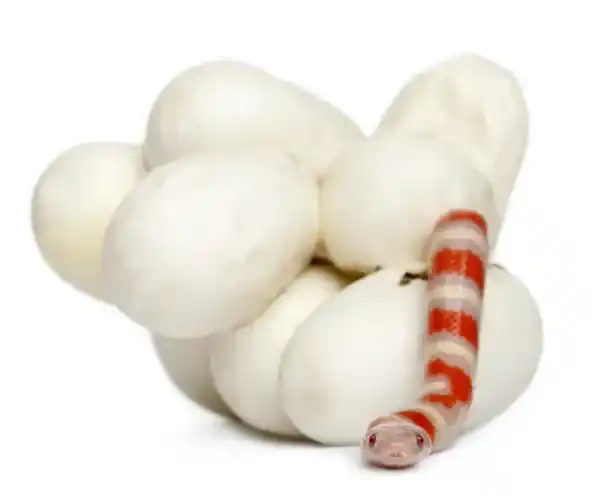
5. Snake – bifurcated genitalia
Snakes possess a bifurcated reproductive organ called a "hemipole," which allows male snakes to flexibly use either hemipenis to mate with females. This dual structure makes snakes more adaptable during reproduction and increases the chances of successful mating.
6. Flatworms – A “Penis Showdown” During Mating
Some flatworm species are known for their "penis duels." Their mating method is unique and intense, with two males "stabbing" each other with their penises, and the loser is forced to bear the responsibility of pregnancy. This competitive reproductive behavior is a unique strategy in nature.
7. Dragonflies – Males possess a sperm "washing device"
Male dragonflies have a complex reproductive system that allows them to remove sperm left by other males before mating with a female. This behavior ensures that their own sperm have a higher chance of fertilization, thus increasing their reproductive success rate.
8. Octopus – Broken Copula
Some octopus species (such as Argonauta) possess specialized mating arms (called "copulatory arms" or "tentacles") through which the male transfers sperm to the female. Afterward, the arm breaks off and remains inside the female's body. This one-off mating method is quite peculiar.
9. Bats – prolonged mating
Some bat species (such as fruit bats) can engage in prolonged mating, often lasting longer than other mammals. This behavior helps males ensure their sperm successfully reaches the female's egg, thus increasing reproductive success.
10. Pufferfish – Sperm is transmitted through water.
Pufferfish have a rather unique mating behavior: females release their eggs in the water, while males use water currents to spread sperm, thus completing fertilization. This external fertilization method is highly adaptable to the aquatic environment, demonstrating the evolutionary wisdom of pufferfish in reproduction.
11. Horseshoe crab – Three-layered fertilization system
Horseshoe crabs have a unique three-tiered reproductive system. During mating, the female digs a burrow in the sand to lay her eggs, while the male simultaneously releases sperm for external fertilization. In addition, horseshoe crabs exhibit a behavior known as "guardian males," where some males protect the female to ensure that no other males can interfere with their fertilization process.
12. Worms – Hermaphroditic
Some worms, such as earthworms, are hermaphroditic, possessing a system that includes both male and female reproductive organs. During mating, two earthworms can exchange sperm, and both can be fertilized and lay eggs. This hermaphroditic reproductive method provides them with flexibility in reproduction.
13. Hydroids – combining asexual and sexual reproduction
Hydroids have a very unique reproductive system; they can reproduce both sexually and asexually through budding. Their reproductive system changes with environmental conditions, demonstrating an astonishing reproductive flexibility.
14. Chameleon – A unique mating hook
The male chameleon's reproductive organ (penis) possesses specialized copulatory hooks used to secure sperm within the female's body. This structure helps chameleons increase their fertilization success rate in a highly competitive breeding environment.
15. Wombat – Inverted penis
Wombats are another example of animals with unique reproductive organs; the male wombat's penis is inverted, unlike that of other mammals. This structure is related to their unique mating method, helping them to reproduce more efficiently.
16. Weevil – Reproductive organs with bristles
The male weevil has tiny barbs on the surface of its genitals, which help it hold its position better during mating. This unique reproductive structure gives males an advantage in reproductive competition.
17. Fish – Possess the ability to “change gender”
Some fish, such as clownfish and groupers, possess the ability to change sex under specific environmental stresses. This "sex-switching" mechanism allows them to flexibly change their reproductive roles and adapt to different reproductive needs.
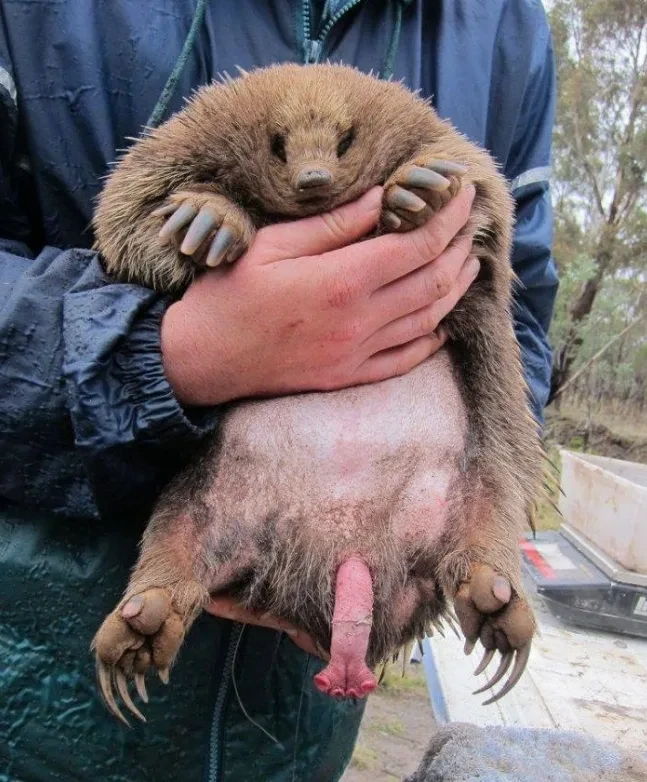
18. Echidna – possesses four penises
Echidnae do indeed possess very unique reproductive organs. The male echidna is quite special, having four penises. During mating, only the two glans penises actually participate in sperm transfer, while the other two remain dormant, alternating between them during copulation. This peculiar reproductive organ structure is extremely rare in the animal kingdom, reflecting the echidna's unique evolutionary position.
The unique reproductive organs and behaviors of these animals demonstrate the diversity of nature and the remarkable adaptations organisms make during evolution. The special nature of the reproductive system is not only crucial for the survival of a species, but also a unique means for it to compete and survive in its ecological environment.
Nature is full of amazing diversity, and the unique organ designs and behaviors of animals during reproduction demonstrate the survival and evolutionary strategies of their species. Understanding the reproductive secrets of these animals not only gives us a deeper understanding of the biological world but also makes us even more amazed by the boundless charm of nature.
Amazing mating methods
In nature, not only are animal reproductive organs unique, but many species also have amazing mating methods. Here are some animals whose mating practices are quite unusual:
1. Black widow spider – post-mating cannibalistic behavior
Female black widow spiders often prey on males after mating. This behavior, known as cannibalism, involves the female eating the male after mating to obtain nutrients. Scientists believe this may help the female obtain more energy to nourish her offspring.
2. Flatworm – Penis Duel
Some flatworms (such as marine flatworms) engage in a mating behavior called "penis duel." The two males attack each other with their sharp penises, attempting to "pierce" each other's bodies. The loser of the duel is forced to bear the responsibility of pregnancy. This is a highly competitive mating strategy.
3. Male seahorse – pregnancy occurs in males.
In seahorses and their close relatives, seadragons, males are responsible for pregnancy and childbirth. Females place their eggs in the male's brood pouch on his abdomen, where the male fertilizes the eggs and carries the pregnancy until hatching. This gender-reversed reproductive method is extremely rare in nature.
4. Octopus – mating using broken helical arms
Male octopuses use specialized copulatory arms (called "tentacles") to deliver sperm, encased in their seminal vesicles, to the female. In some species, the copulatory arms even break off during mating and remain inside the female. This is a unique and highly efficient mating method.
5. Dragonflies – “Post-coital” mating
Dragonfly mating is a complex process. The male grasps the female's head or thorax with his tail, while the female bends her body to mate her genitals with the male. This mating posture, often called the "copulation wheel," is a unique behavior that ensures successful sperm transfer.
6. Naked mole-rats – group mating
Naked mole-rats are social animals, living in a strictly hierarchical society. Only one "queen" naked mole-rats is responsible for reproduction; other females do not mate. The queen female mates with multiple males, similar to a queen bee, a mating system extremely rare among mammals.
7. Birds' courtship dance
Many bird mating rituals involve complex courtship dances. For example, male birds of paradise display vibrant plumage and unique dance moves to attract females. Through these dances, males demonstrate their health and genetic superiority, thereby increasing their chances of mating.
8. Male bees at the equator – courtship in the air.
Male equatorial honeybees attract females in a very unique way. They perform aerial displays around flowers, releasing scents containing pheromones that attract females. Females then choose their mates based on the male's flying skills and scent.
9. Squid – Long-distance mating
Some deep-sea squid employ long-distance mating, where the male squid launches its spermatheca into or around the female from a distance. Even without direct contact, sperm can be transferred and fertilization can occur in this way. This unique mating method in the deep-sea environment is an evolutionary adaptation to low visibility and distance barriers.
10. Mosquitoes – Mating in the Air
Mosquito mating occurs in the air, with males and females copulating rapidly during flight. This behavior typically occurs during brief mating gatherings, with the male quickly completing mating while the female is still in flight. This behavior not only ensures the speed of mating but also reduces the threat from predators.
11. Sex Reversal in Fish
Some fish, such as clownfish and groupers, possess a unique ability to change sex. These fish can change sex during their life cycle according to social structure and reproductive needs. For example, a clownfish group typically consists of one female and several males; if the female dies, the largest male will transform into a female to take over reproduction.
The mating methods of these animals not only demonstrate the amazing diversity of nature but also showcase the unique strategies they employ to adapt to their environment and increase reproductive success. From hermaphroditism to courtship in the air, these behaviors leave us in awe of the reproductive wisdom of the animal kingdom.