While most domestic cats are adorable, lively, and affectionate, some breeds are known for being more aggressive or difficult to manage, especially without proper training and care. Aggression in cats can be triggered by a variety of factors, including genetics, environment, and feeding practices. In this article, we'll start with the most aggressive cats and explore 10 breeds known for their aggressive tendencies.
1. Sphynx cat – a bold and lively cat
Aggression level: ★★★★★
Surprisingly, the hairless and usually affectionate Sphynx cat can also exhibit strong aggression when provoked. Sphynx cats are energetic and bold, but their belligerence can turn into aggression when they are overly excited or frustrated. They are strong-willed and need attention, which can sometimes lead them to exhibit territorial behavior or bite when they feel neglected or threatened.
Despite their aggressive tendencies, they are extremely loyal to their owners, so proper socialization and training from a young age can help control these behaviors.

2. Bengal leopard – a wild hunter
Aggression level: ★★★★★
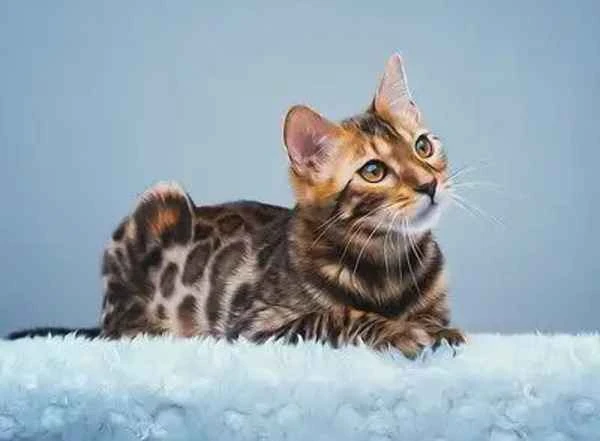
The Bengal leopard, with its wild lineage and leopard-like spots, is known for its energetic and occasionally aggressive nature. The Bengal cat, a descendant of the Asian leopard cat, retains some wild instincts, making it more prone to territoriality and predatory behavior. Its high energy levels and curiosity often lead to outbursts of aggression, especially when bored or confined.
Bengal cats are also known for their dominance; they can exhibit aggressive tendencies towards other pets and even humans if they feel challenged. However, these aggressive tendencies can be suppressed through proper training and emotional stimulation.
3. Savannah Cat – Wild at Heart
Aggression level: ★★★★★
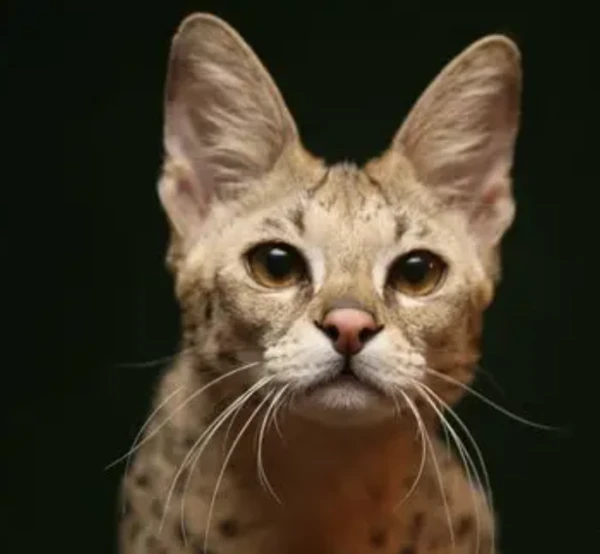
Savannah cats are another breed with wild roots, a cross between domestic cats and servals. They are known for their athleticism, intelligence, and high energy, but they can also exhibit aggressive behavior, especially if they haven't been properly socialized. Their wild heritage makes them territorial, and they may show aggression towards other pets in the household or strangers.
Savannah cats need experienced owners who can provide enough stimulation and training to prevent their natural aggression from becoming a problem.
4. Siamese cat – loud voice, bad temper
Aggression level: ★★★★☆
Siamese cats are known for their loud voices and intelligence, but they are also known for their temperamental nature. They can become aggressive if they don't get the attention they need, as they are very human-oriented and become frustrated if left alone for extended periods. This frustration often manifests as biting, slapping, or hissing.
Their aggressive tendencies are usually directed at people they don't know, or when they feel their territory has been invaded. However, with proper socialization and consistent attention, Siamese cats can make adorable and affectionate pets.

5. Scottish Fold cat – the unpredictable aggressor
Aggression level: ★★★★☆
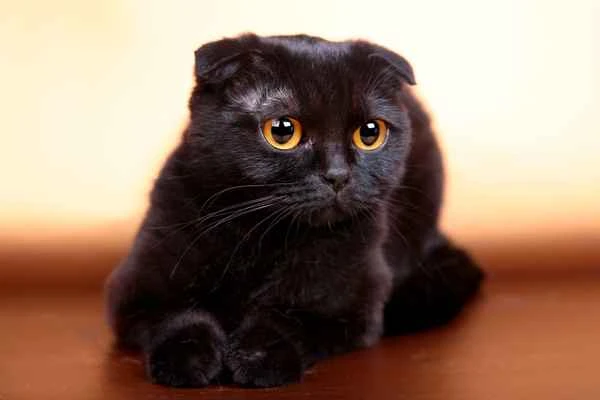
While Scottish Fold cats are often perceived as calm and sweet due to their adorable folded ears, they can sometimes exhibit unpredictable aggression. These cats are known to be more sensitive to changes in their environment, and any disturbance can cause them to become defensive or aggressive. They may also become aggressive if they experience joint pain, a phenomenon common in this breed due to their unique skeletal structure.
Scottish Fold cats need a calm and stable environment to prevent stress-induced aggression, and regular veterinary checkups can help manage any pain-related issues.
6. Bobtail – Wild appearance and wild temperament
Aggression level: ★★★★☆
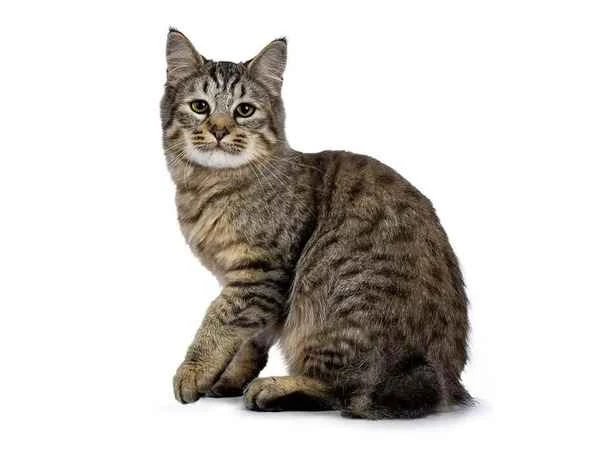
Bobcats are domestic cats that resemble wild lynxes, and their behavior sometimes reflects this wild appearance. While bobcats are generally affectionate with their families, they can become aggressive if they feel threatened or if their territory is invaded by other animals. This breed is known for its strong hunting instincts, and their aggression may be provoked by smaller pets or unfamiliar animals.
Dwarfs require rigorous but loving training and early socialization to help them control their natural tendency to attack territory.
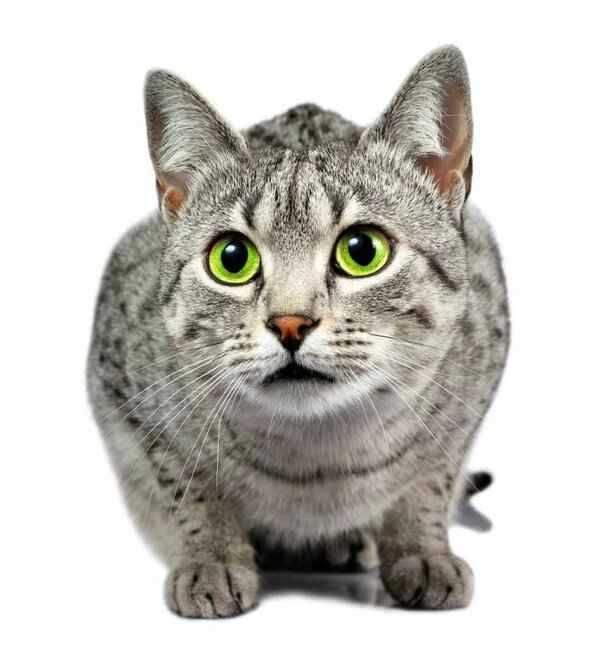
7. Egyptian Cat – An extremely independent hunter
Aggression level: ★★★★☆
Egyptian Mau cats are among the fastest and most agile felines, making them excellent hunters. However, this hunting instinct can also make them more aggressive than other cats, especially without sufficient physical and mental stimulation. Egyptian Mau cats are very territorial and may attack fiercely if they feel their space is being invaded.
Although they are usually very affectionate with their families, their independent nature means they have a lower tolerance for strangers or other pets, which can sometimes lead to aggressive behavior.
8. Bombay Cat – A Leopard in Disguise
Aggression level: ★★★☆☆
The sleek black Bombay cat, often called a "miniature leopard," can be dominant and sometimes even aggressive. Bombay cats are known to be possessive of their owners and can become territorial, especially in the presence of other pets. They are confident cats and dislike being threatened; if threatened, they may become aggressive.
Bombay cats require ongoing training and socialization to manage their dominance and prevent any escalation of territorial aggression.

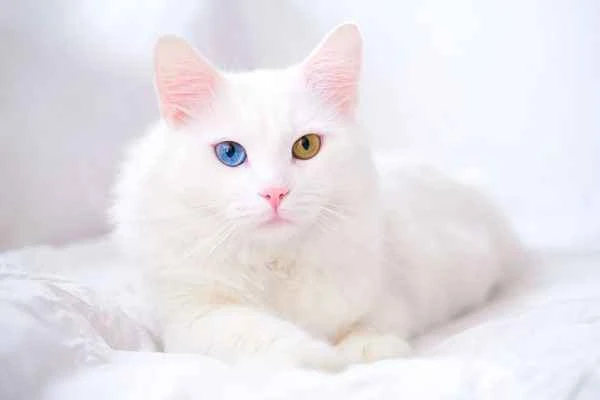
9. Turkish Angora Cat – Goddess of Independence
Aggression level: ★★★☆☆
Turkish Angora cats are elegant and independent, but their strong personalities can sometimes be accompanied by a more aggressive side. These cats are known for their confidence, and they can become aggressive if they feel their independence is challenged. They don't always get along well with other animals and may show aggression towards pets that encroach on their space.
Turkish Angora cats are best suited to be the center of attention at home without having to compete for resources or affection. Proper socialization is key to managing their naturally confident nature.
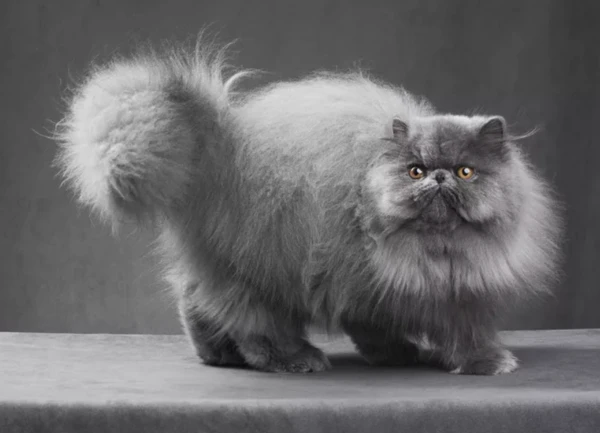
10. Persian cat – an easily angered nobleman
Aggression level: ★★☆☆☆
Persian cats are generally known for their calm and gentle nature, but they can become aggressive if provoked or stressed. Persian cats dislike noisy environments or rough treatment, and when overwhelmed, they may hiss or pat in response. While they are not inherently aggressive, their irritability can sometimes lead to defensive aggression, especially when they feel their personal space is being violated.
To prevent Persian cats from becoming aggressive, it's important to provide a peaceful environment and treat them gently. Regular grooming and care also help prevent discomfort that could cause irritation.
Why are some cats more aggressive than others?
A cat's aggression is usually caused by a variety of factors:
Genetics: Wild-blooded species, such as the Bengal leopard and the Savannah leopard, retain strong territorial and predatory instincts, which may lead to aggressive behavior.
Environment: Stressful or chaotic environments can make cats feel threatened, leading to defensive attacks.
Socialization: Cats that have not received proper socialization from a young age are more likely to exhibit aggression towards other animals or humans.
Health issues: Some cats, especially breeds like Scottish Folds, may experience pain or discomfort due to breed-specific health problems, which can lead to aggression.
Controlling a cat's aggression
If you own one of these aggressive breeds or are considering getting one, here are some tips to help control aggression:
Early socialization: When kittens are young, expose them to different people, pets, and environments to reduce their fear and territorial aggression.
Provide mental stimulation: Interactive toys, brain-training feeders, and regular playtime can help burn excess energy and prevent boredom-related aggression.
Avoid triggers: Be aware of factors that may trigger aggressive behavior in cats. Some cats may dislike loud noises, new pets, or certain handling techniques.
Regular veterinary checkups: Ensure your cat is not in pain or discomfort, as this could lead to defensive aggression.
While some cat breeds are known for their aggression, that doesn't mean they can't make excellent pets. With proper training, socialization, and care, even the most aggressive cats can become lovable and loyal companions. If you're considering getting one of these breeds, be prepared to invest time and effort to ensure they are happy, healthy, and well-behaved.