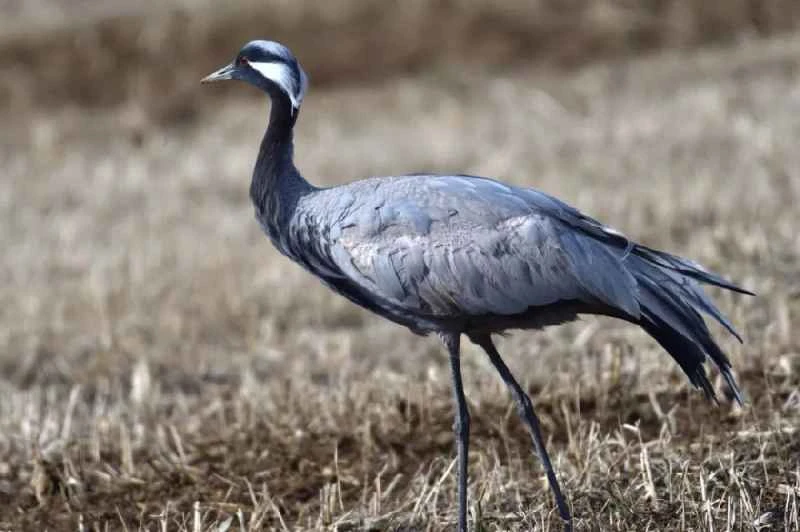
In the animal kingdom, survival is a constant struggle, but at the top of the food chain, apex predators dominate. These predators have no natural enemies, are expert hunters, and control the ecosystem with astonishing efficiency. Let's take a closer look at the top 10 apex predators in nature, starting with the most powerful.
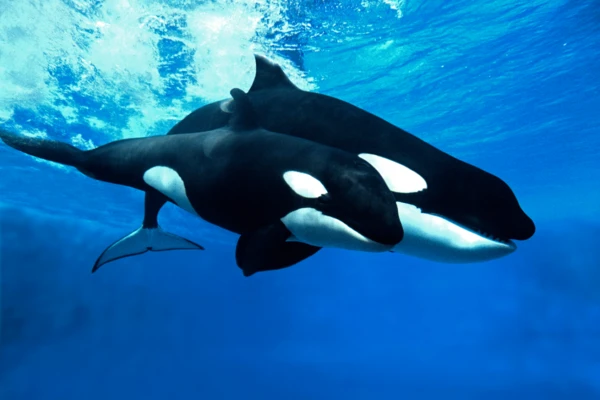
1. Orca (killer whale)
Scientific name: Orcinus orca
Habitat: Global Oceans
Orcas, also known as killer whales, are generally considered the apex predators of the ocean—and arguably the apex predators of the entire planet. With no natural predators, orcas use intelligence and social cooperation to hunt a wide variety of prey, from fish to seals and even other whales. They are renowned for their sophisticated hunting techniques, including temporarily stranding themselves to catch seals or working collectively to create waves that knock prey off ice floes.
Hunting techniques: Use echolocation to track prey, hunt in groups (called packs), and employ strategic behaviors to confuse or lure prey.
Food: fish, squid, seals, seabirds, and even sharks or other whales.
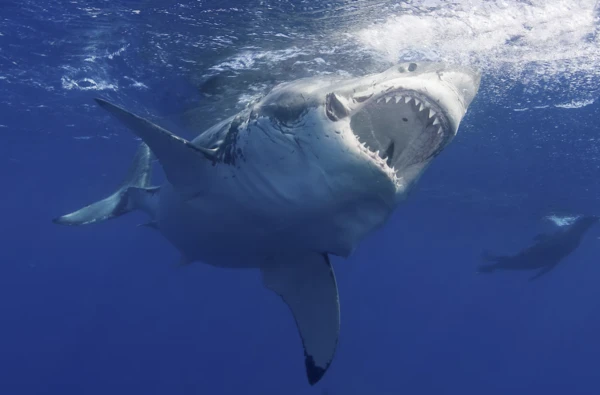
2. Great White Shark
Scientific name: Carcharodon carcharias
Habitat: Coastal waters around the world, especially temperate oceans
The great white shark is an iconic predator, renowned for its speed, power, and rows of sharp teeth. These sharks are skilled hunters with a keen sense of smell and the ability to detect the electromagnetic fields generated by other animals. Great white sharks are ambush predators, striking their prey with sudden speed and astonishing power.
Hunting techniques: Use camouflage, disguise, and powerful bites to incapacitate prey, often breaking the surface of the water when attacking seals from below.
Food: fish, seals, sea lions, and sometimes smaller whales.
3. Bengal tiger
Scientific name: Panthera tigris tigris
Habitat: Forests and grasslands of India, Bangladesh, Bhutan, and Nepal
The Bengal tiger is the largest of all wild cats, feared throughout its range for its immense strength and camouflage. A solitary hunter, the tiger relies on camouflage and patience to track its prey. A single, powerful strike can bring down a large animal, inflicting a fatal bite to the neck or throat.
Hunting techniques: Tracking prey through dense forests, relying on camouflage, and leaping long distances with powerful hind legs.
Food: deer, wild boar, and occasionally water buffalo or baby elephants.

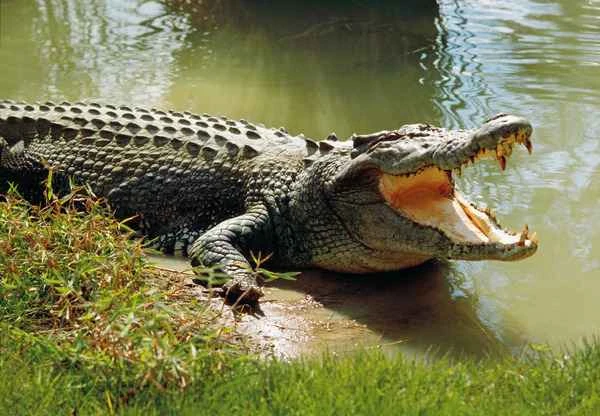
4. Saltwater crocodile
Scientific name: Crocodylus porosus
Habitat: Coastal areas, rivers, and swamps in Southeast Asia and northern Australia
Saltwater crocodiles are the largest living reptiles, reaching lengths of over 20 feet and weighing over a ton. These fearsome predators are highly territorial and can launch attacks with dazzling speed, using their powerful jaws to seize their prey and then forming a "death roll," incapacitating or drowning their victims.
Hunting techniques: Ambush predators by waiting near the water and then launching a surprise attack.
Diet: Fish, birds, mammals, and sometimes larger prey such as buffalo or sharks.
5. Polar bear
Scientific name: Ursus maritimus
Habitat: Arctic region
As apex predators in the Arctic, polar bears are formidable hunters, primarily targeting seals for their blubber-rich diet. They are excellent swimmers, capable of traversing great distances in the frigid Arctic waters in search of food. Their large paws are adapted for both swimming and walking on snow.
Hunting skills: Track seals near their breathing holes on the ice or raid their dens; skilled swimmers can catch prey in the water.
Food: Seals, walruses, fish, and occasionally whale carcasses.

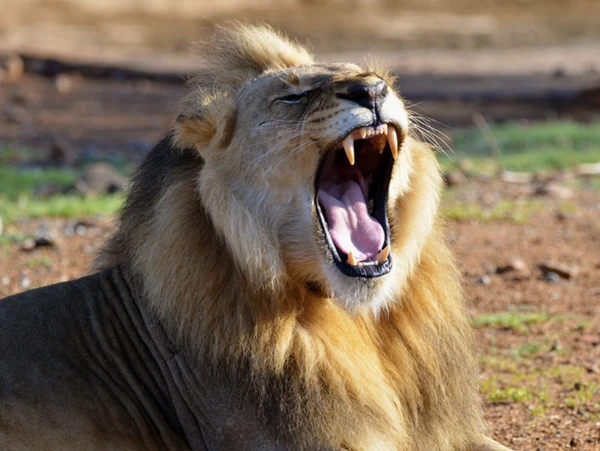
6. African lion
Scientific name: Panthera leo
Habitat: Savannas and grasslands of sub-Saharan Africa
Lions are the only truly social big cats, living and hunting in prides. Teamwork makes them highly effective hunters, capable of capturing large prey such as zebras and buffalo. Male lions protect the pride, while lionesses are responsible for most of the hunting, coordinating ambushes and subduing prey.
Hunting techniques: Hunt in a coordinated team and use ambush tactics to lure prey into traps.
Food: wildebeest, zebra, buffalo, and sometimes giraffe.
7. Horned Eagle
Scientific name: Harpia harpyja
Habitat: Rainforests of Central and South America
Harpy eagles possess enormous claws and a powerful physique, making them apex predators in the rainforest canopy. They have exceptional eyesight, allowing them to spot prey from high places. Harpy eagles excel at hunting animals perched in the treetops, using their speed and agility to swoop down and snatch monkeys or sloths from the branches.
Hunting techniques: Ambush from above, striking with claws large enough to crush bones.
Food: monkeys, sloths, birds, and small mammals.

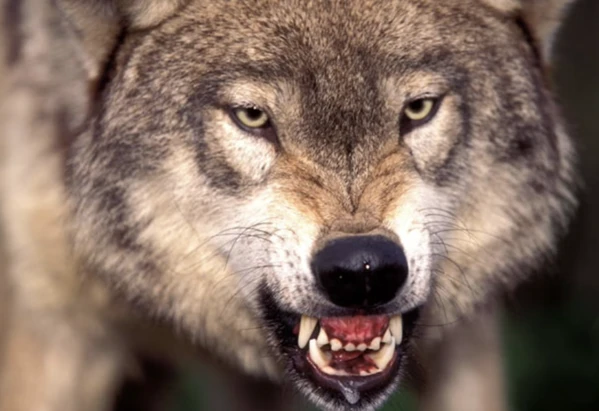
8. Wolf
Scientific name: Canis lupus
Habitat: Forests, tundra, and plains of North America, Europe, and Asia
Wolves are highly social and intelligent predators that hunt in packs to take down animals much larger than themselves, such as elk or moose. Their cooperative hunting strategies and endurance make them formidable, as they can pursue prey for hours in coordinated chases.
Hunting techniques: Use group strategies to isolate, chase, and exhaust prey.
Diet: Deer, elk, moose, and sometimes small animals such as hares.
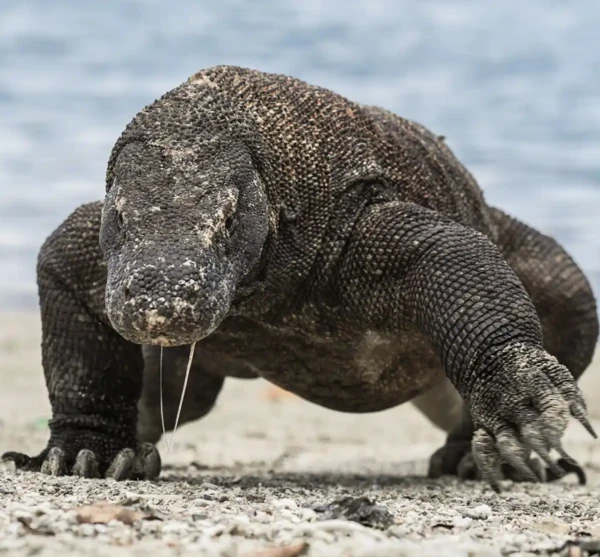
9. Komodo dragon
Scientific name: Varanus komodoensis
Habitat: The Indonesian archipelago, including Komodo Island, Rinca Island, and Flores Island.
Komodo dragons are the largest living lizards, capable of hunting prey as large as buffalo. These reptiles use venom and bacteria in their saliva to infect their prey, slowly weakening it. After biting their prey, they may stalk it for days until the prey dies from infection or excessive blood loss.
Hunting techniques: Ambush predators and inflict powerful bites with venomous saliva.
Food: deer, pigs, water buffalo, and carrion.
10. Bald Eagle
Scientific name: Haliaeetus leucocephalus
Habitat: North America, near large bodies of water
Bald eagles are striking in appearance and highly skilled hunters, making them apex predators in the skies over North America. They are renowned for their incredible eyesight, able to spot schools of fish from hundreds of feet in the air and swoop down at speeds of up to 100 miles per hour to snatch prey from the water or the ground.
Hunting techniques: high-speed dive, using claws to grab fish or small mammals.
Food: Fish, small mammals, waterfowl, and occasionally carrion.

Conclusion: The master of the wild
Top predators play a crucial role in maintaining ecosystem balance by controlling prey populations and ensuring biodiversity. Whether lurking in the deep sea or soaring through the skies, these top predators are nature's most efficient and powerful hunters. Their presence in the wild underscores the importance of an ecosystem that would be completely disrupted without them.