According to scientific research, some animals fall asleep more easily and sleep more deeply than others. Here are ten animals considered to be the longest-sleeping:
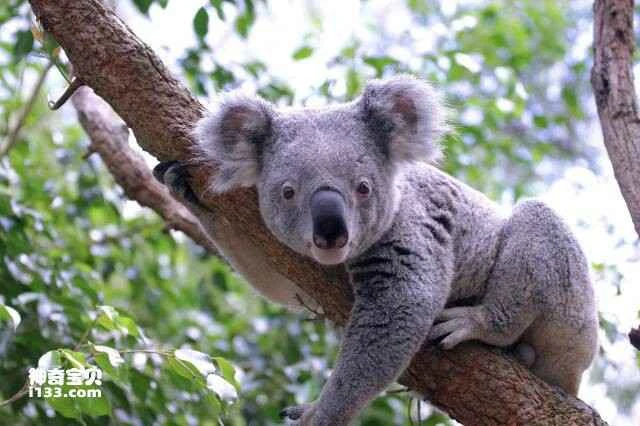
1. Koalas: Koalas sleep 18-22 hours a day, essentially sleeping all day. They typically sleep during the day and wake up at night to be active and eat. A koala's sleep duration is related to its diet and living environment. Koalas primarily feed on eucalyptus leaves, a food with low nutritional value and difficult to digest; therefore, they need long periods of sleep to digest their food and conserve energy. Furthermore, living in trees, sleep is also a way for koalas to protect themselves.
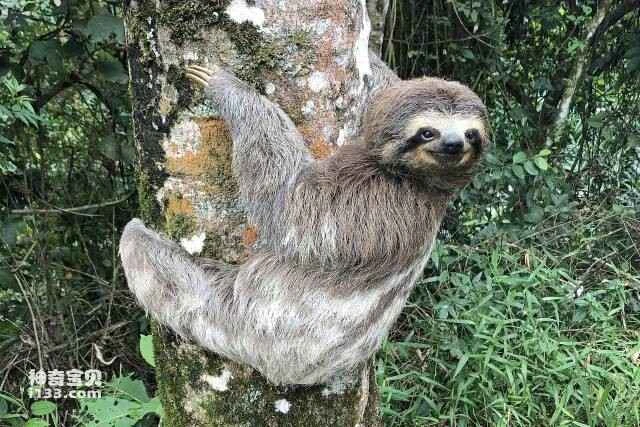
2. Sloth: Sloths are known for their extremely slow movements and have a very low metabolic rate, allowing them to sleep for over 18 hours at a time. Their sleep duration is related to their diet. They primarily feed on leaves, which are digested very slowly, so sloths need ample rest to digest their food and conserve energy. Furthermore, sloths need to maintain body temperature because they live in tropical regions with hot days and cool nights, requiring sleep to balance their body temperature.
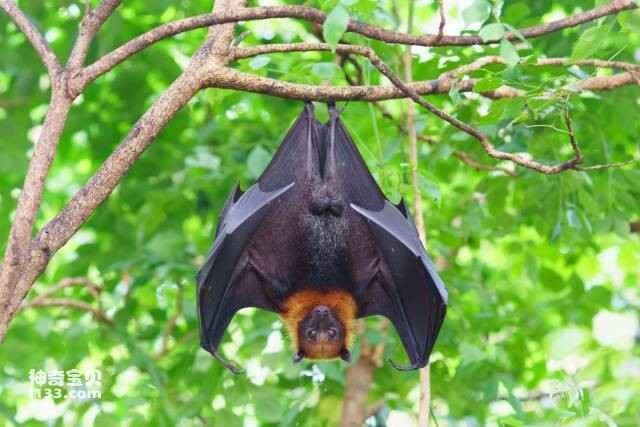
3. Bats: Bats are nocturnal animals, typically hunting insects and fruit at night. Their sleep patterns are related to their lifestyle and diet. Generally, bats need 15-20 hours of sleep per day, and they are particularly fond of sleeping during the day.
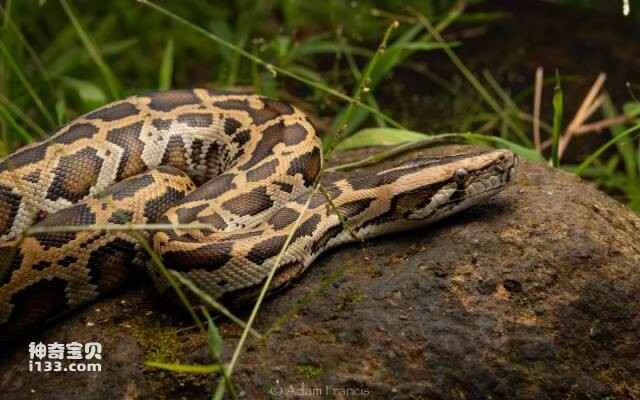
4. Pythons: Pythons sleep an average of 18 hours, dedicating 75% of their lives to rest and sleep. They need long periods of rest to digest their food. They can enter deep sleep in various positions and postures, and typically take several days to recover after digestion.
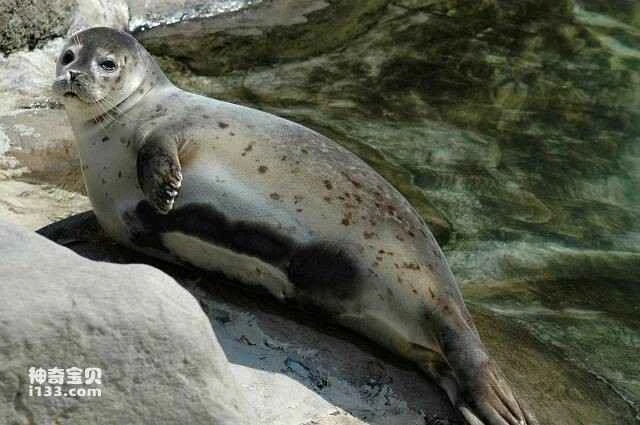
5. Seals: Seals are aquatic mammals that spend most of their time swimming and foraging in the water. They need rest to keep their bodies warm and can sleep for 12 to 16 hours a day, sometimes even for several days in a row.
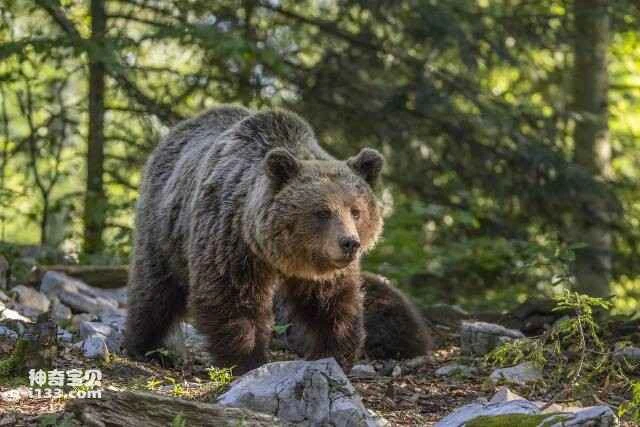
6. Bears: Bears are hibernating animals and need rest to conserve energy. They can sleep for 12 to 14 hours a day and may sleep in their caves for months during the winter.
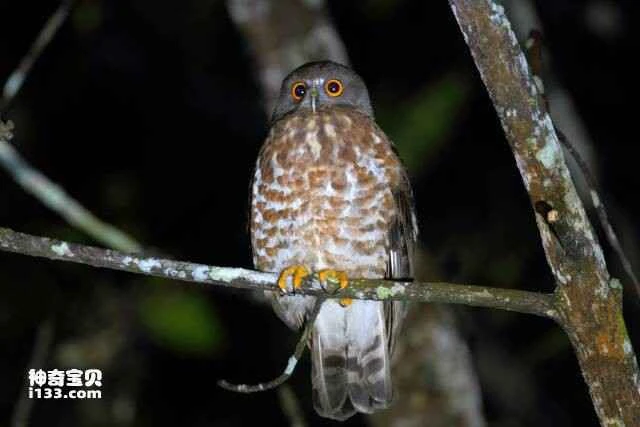
7. Owls: Owls are nocturnal birds of prey that typically hunt small mammals and insects at night. They sleep 12-14 hours a day, resting in secluded places such as tree hollows or rock crevices during the day. They become active at dusk and hunt and socialize at night. Because hunting requires a high degree of alertness and sensitivity, owls usually remain quiet and rest during the day to conserve energy and prepare for their nighttime hunts.
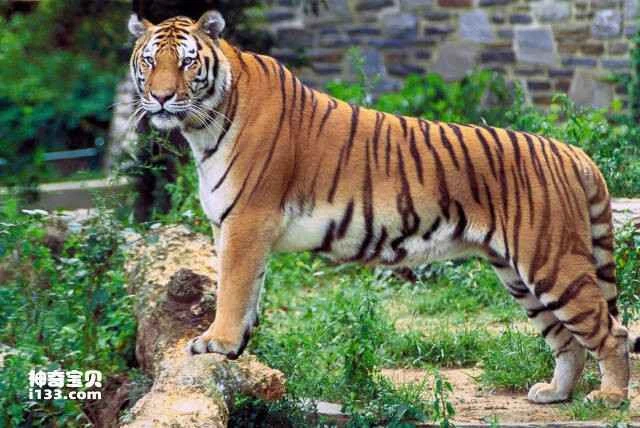
8. Tigers: Tigers need to sleep 10 to 12 hours a day and are usually active at dawn and dusk. They mainly feed on carnivores such as deer, wild boar, and buffalo, which provide a lot of energy and nutrients, but they also need enough rest to digest and utilize these nutrients.
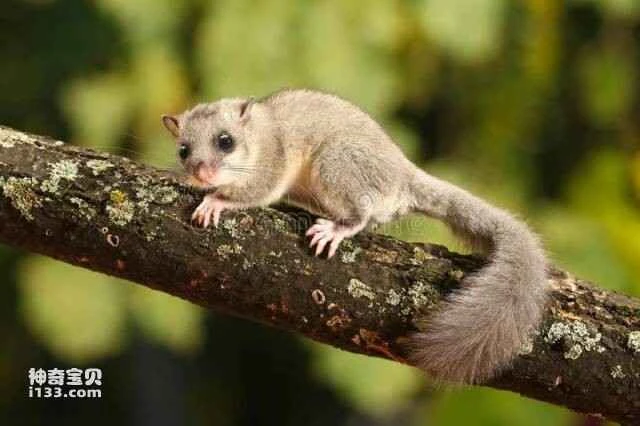
9. Dormice: Dormice are typically nocturnal animals, sleeping 12-14 hours a day. They are active and forage at night. They mainly feed on seeds, nuts, and insects, which are relatively easy to digest and provide energy, but they still need sufficient rest to digest and utilize these nutrients. In the wild, dormice usually build their nests in tree holes, rock crevices, or underground, providing a safe, warm, and secluded environment for rest and sleep.
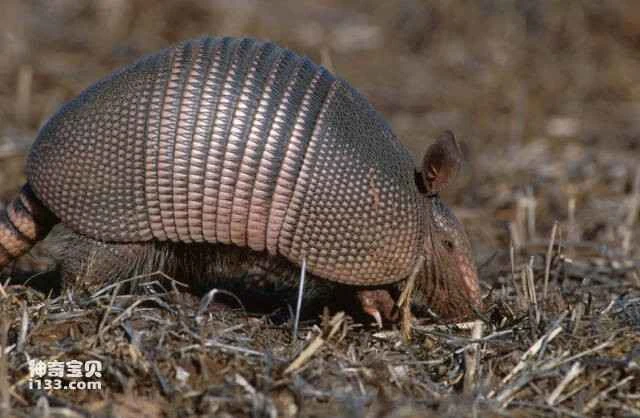
10. Armadillo: Armadillos are mammals with hard shells that need to sleep 10-13 hours a day. They typically sleep during the day and are active at night. They mainly feed on insects, earthworms, and other small invertebrates, which have low nutritional value but are relatively easy to digest. Therefore, armadillos need an adequate amount of sleep to maintain their energy and digest their food.
In general, these animals have their own unique ways of surviving and needs, so they need different levels of sleep to maintain their physical and life health.