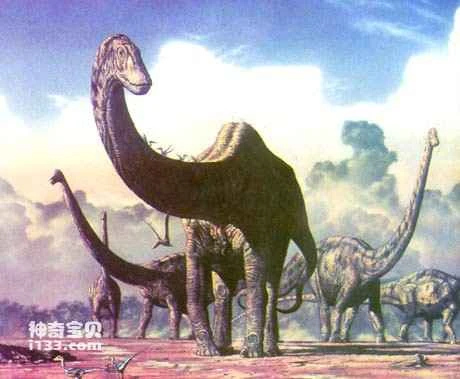
If I ask you, "What are animals that reproduce by laying eggs called?" you might immediately think of "oviparous animals." But if I ask you again, "What are animals that lay eggs called?" you might hesitate. In fact, the answers to these two questions are not entirely the same. Below, we will explain the differences in detail and list common egg-laying animal species to help you better understand animal reproduction.
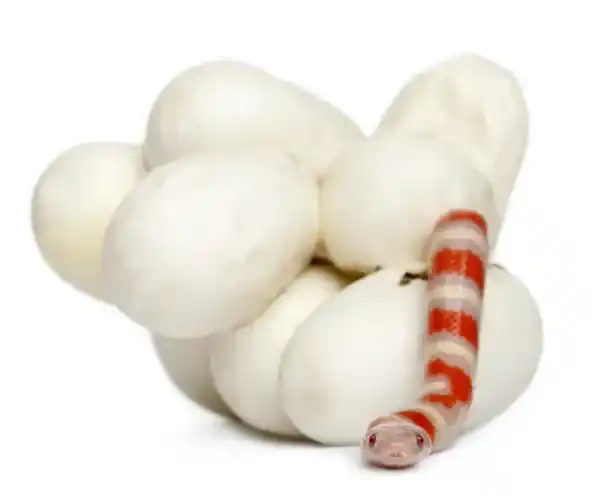
What are animals that lay eggs called?
Animals reproduce in two ways: oviparous (egg-laying) and ovoviviparous (live-bearing) . The difference between them is:
Oviparous animals (ovíparos) : Females lay eggs outside the mother's body, the embryos develop outside the mother's body, and the young hatch from the eggs. Examples include birds, reptiles, and most fish.
Ovoviviparous animals : They also rely on eggs to reproduce, but the eggs are not expelled from the body. Instead, they remain inside the mother's body (and sometimes the father's body, such as the seahorse) to develop until hatching, at which point they give birth to live offspring.
Therefore, all oviparous animals lay eggs, while ovoviviparous animals, although relying on eggs, do not actually lay them outside the body. This places them in an intermediate state between oviparous and viviparous.
Characteristics and examples of oviparous animals
The embryos of oviparous animals develop within an eggshell or protective structure, protecting them from dryness and external threats—an evolutionary advantage.
Different groups of animals differ in their egg-laying methods:
Birds : They build nests and lay eggs in trees or on the ground, and often take care of the incubation.
Reptiles (such as turtles) : Most will bury their eggs in the sand.
Fish and amphibians : They usually lay their eggs in water, and the eggs are protected by a gelatinous substance.
Insects and mollusks : have many eggs, but most lack direct care.
Monotremes (such as platypuses and echidnas) : They are the only group of mammals that lay eggs.
In addition, oviparous animals can be classified according to their fertilization method as follows:
Internal fertilization : such as in birds and reptiles, the eggs produced have a hard or leathery shell.
In vitro fertilization : As in most fish and amphibians, after the female lays her eggs, the male releases sperm outside the body to complete fertilization.
Common examples of oviparous animals:
Reptiles : Crocodiles, pythons, lizards, turtles, Komodo dragons
Amphibians : Frogs, Toads
Fish : Salmon, trout, carp, tuna, cod, pufferfish, clownfish
Insects : ants, bees, butterflies, beetles, ladybugs, mosquitoes, cockroaches, cicadas, crickets, houseflies, grasshoppers, scorpions
Mollusks : Squid, snails, octopuses, slugs
Birds : Penguins, sparrows, chickens, eagles, parrots, peacocks, ostriches, swans, owls, crows
Mammals : Platypus, Echidna
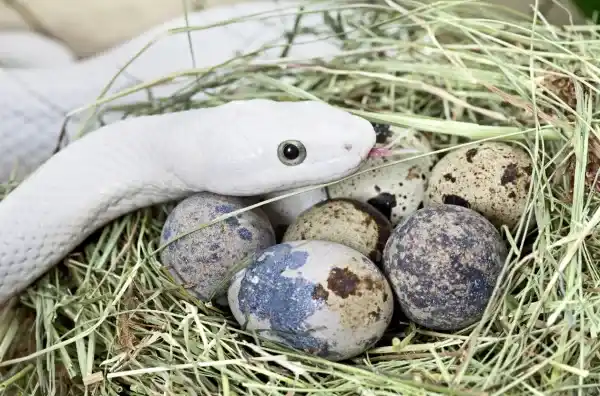
ovoviviparous animals
Ovoviviparous animals exhibit characteristics of both oviparous and viviparous birth. The eggs develop and hatch within the mother's or father's body, giving birth directly to the offspring. In some cases, the mother will hatch the young immediately after laying the eggs.
Common examples of ovoviviparous animals:
Sharks : such as bull sharks, mako sharks, great white sharks, whale sharks, and tiger sharks.
Rays : such as manta rays
Reptiles : such as anacondas, pythons, certain lizards, and chameleons
Fish : such as guppies, medaka
Amphibians : such as the Surinamese toad and some tropical frogs
Special case : Male seahorses incubate the eggs in their brood pouch and give birth to the larvae.
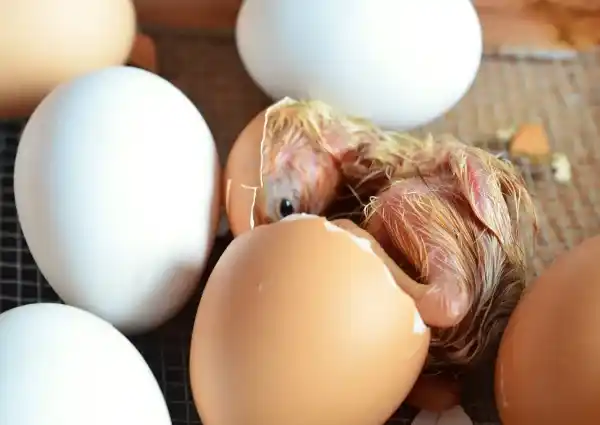
Summarize
Oviparous animals : They lay their eggs outside the body, and the embryo develops and hatches inside the eggshell.
Ovoviviparous animals : The eggs remain in the mother's or father's body to develop, and the offspring are born directly.
Viviparous animals : The embryo develops directly in the mother's uterus with the help of the placenta and is already alive at birth.
In nature, oviparity and ovoviviparity are important ways for animals to adapt to their environment, helping them to continue their populations under different ecological conditions.