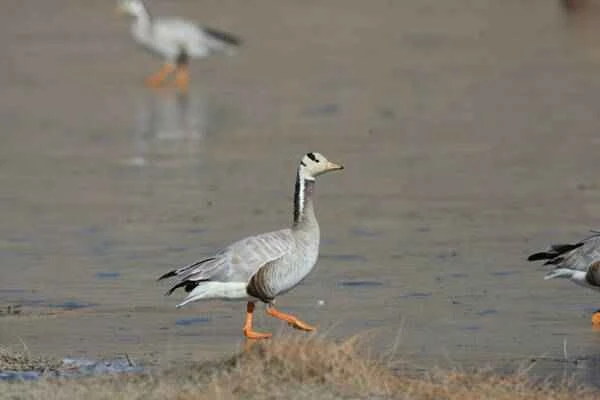
When you think of the "African savanna," you might immediately picture classic scenes from *The Lion King*: Simba the lion, Timon the meerkat, and Pumbaa the warthog. Indeed, these characters are based on real savanna animals. But besides these well-known species, do you know what other rich and unique creatures live in this vast ecosystem?
This article will give you a comprehensive overview of the animals of the African savanna, including mammals, birds, reptiles, and insects, helping you to better understand this highly representative ecosystem.
What is the African savanna?
Savannah is a biome primarily found in tropical and subtropical regions , often situated in the transitional zone between tropical rainforest and semi-desert. In Africa, the most typical savannah areas are located in the central and eastern parts, such as the Serengeti in Tanzania and the Maasai Mara in Kenya.
The vegetation of savanna is dominated by tall herbaceous plants, interspersed with sparse trees or shrubs. Due to the scattered distribution of trees, the herbaceous plants can grow on a large scale, forming a vast grassland landscape.
The most prominent climatic feature of savannahs is the alternation of dry and rainy seasons . During the rainy season, the grass is lush and the animals have plenty of food; during the dry season, water resources decrease, and large numbers of animals begin long-distance migrations in search of new pastures and water sources.
Animal types in the African savanna
The savanna is home to an extremely rich variety of animals, from large herbivores to apex predators and a vast population of insects, all of which work together to maintain the ecological balance.
They are mainly divided into two categories:
Herbivores (Herbívoros) : They rely on abundant herbaceous vegetation for survival and often appear in groups.
Depredadores : These animals feed on herbivores and occupy the top of the food chain.
1. Herbivores
The African savanna is one of the world's most concentrated areas of large herbivores. Their physiology and behavior are highly adapted to the grassland environment:
Zebras : They are highly social animals and often migrate in herds with wildebeest to reduce the risk of being preyed upon.
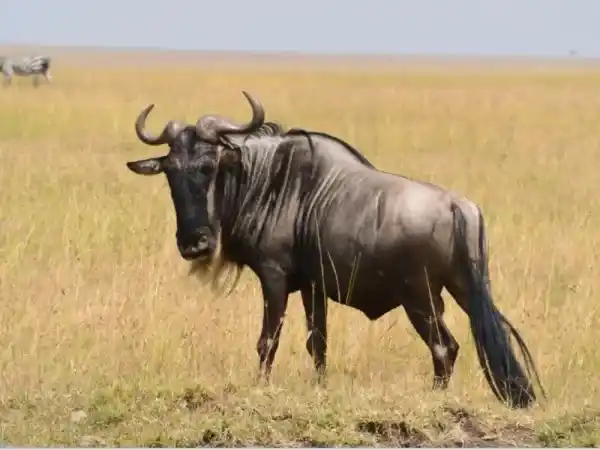
Wildebeest : One of the most famous grassland migratory species, millions of wildebeest migrate hundreds of kilometers with the rainy season.
Antelopes and gazelles : They are extremely fast runners and are typical "speed-defense" species.
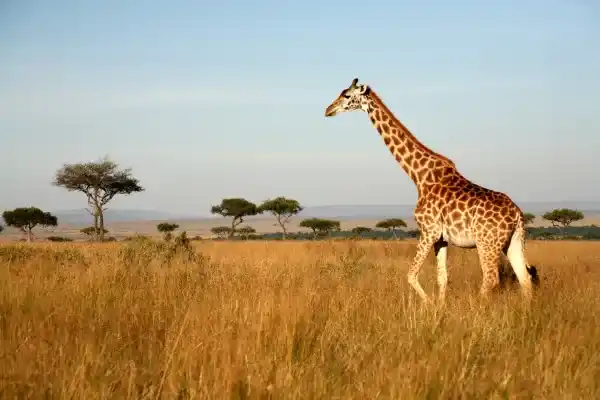
Giraffes : With a height of 5-6 meters, they can nibble on tender leaves at the top of trees and observe predators from a distance.
Elephants : The largest animals on the African savanna, weighing up to 6 tons, using their massive size and strength to defend against predators.
Rhinoceros and buffalo : Known for their strength and aggression, few predators dare to provoke them easily.
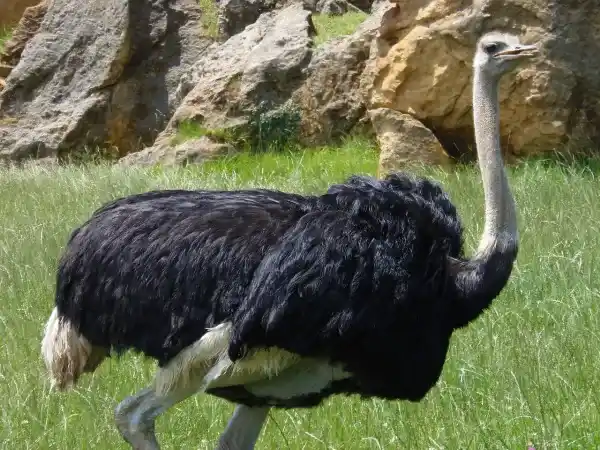
Ostrich : The largest bird in the world, with powerful legs, capable of speeds up to 70 km/h.
Okapi : Although small in size, it belongs to the same genus as the giraffe and is distributed in the forest-savanna area of central Africa.
2. Predators
The existence of herbivores naturally accompanies predators:
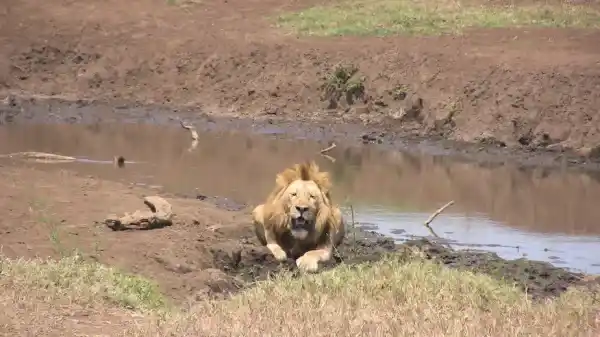
Lions : Typical social predators, with lionesses responsible for hunting and lions guarding the territory.
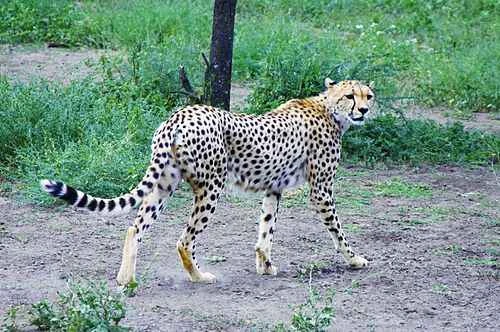
Cheetah : The fastest land animal, capable of reaching speeds of 100 km/h for short periods, using speed to hunt antelopes.
Leopards are adept at hiding and climbing, often dragging their prey up trees to preserve it.
Hyenas : Highly social, highly efficient in group hunting, and able to compete with lions for prey.
African wild dogs : highly cooperative pack hunters with a high success rate in hunting.
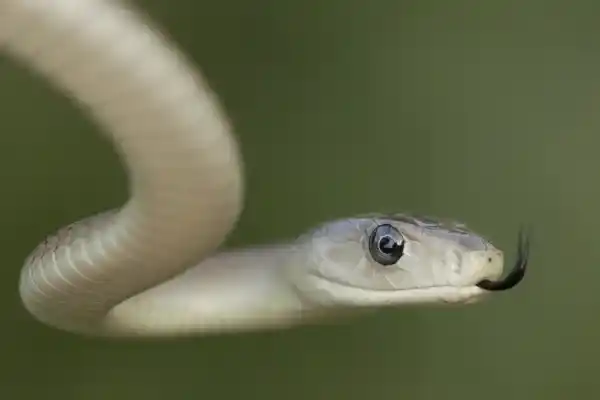
Black mamba : One of the deadliest snakes in Africa, known for its speed and extremely potent venom.
These predators and herbivores form a classic grassland food chain, maintaining ecological balance.
Mammals of the African savanna
Primates : such as baboons, green monkeys, and patas monkeys.
Ungulate animals : including zebras, antelopes, wildebeests, giraffes, African bison, hippos, etc.
Carnivores : lions, cheetahs, leopards, jackals, jackals, foxes, and mongooses (such as the famous meerkats).
Insectivorous animals : such as aardvarks and giant pangolins, which feed on ants and termites.
Warthogs : They are the prototype of Pumbaa in The Lion King, and live by digging burrows and eating grass roots.
Birds of the African savanna
Ostrich : A large, flightless bird with incredible speed.
Secretary bird (Sagittarius serpentarius): A unique bird of prey, adept at catching snakes on the ground.
Carrion birds , such as vultures and Malab storks, are the "scavengers" of the grasslands.
Weaver birds : gregarious birds that weave complex nests with grass stems, such as the yellow-headed weaver.
Red-billed Quillie : Large populations pose a serious threat to agriculture.
Reptiles of the African savanna
Sulcata tortoise : One of the largest tortoises in the world.
Nile crocodile : Widely distributed, often found near rivers and lakes.
Black Mamba : One of the most dangerous snakes in Africa, highly venomous and aggressive.
Insects of the African savanna
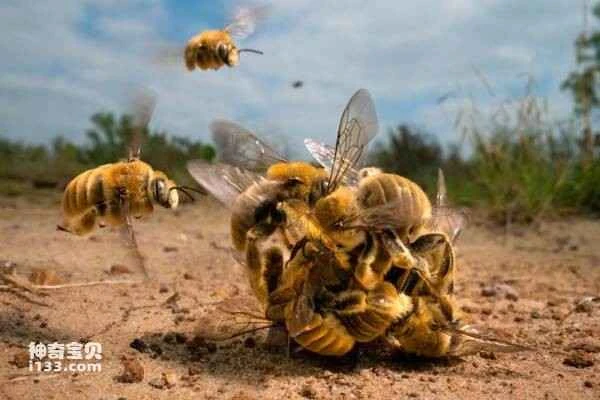
Insects are the most numerous biological group in savannahs, playing an important role in decomposing organic matter, spreading seeds, and maintaining the food chain.
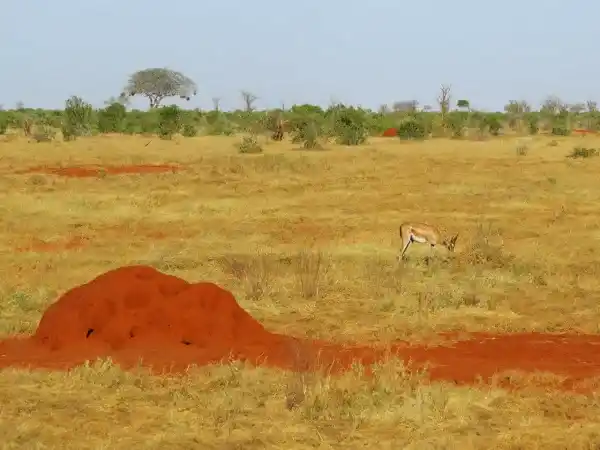
Termites : They build towering mounds and serve as a food source for many animals.
Grasshoppers and locusts : During outbreaks, they can cause devastating crop losses.
Mosquitoes : transmit serious diseases such as malaria and yellow fever.
Tsetse flies : transmit trypanosomiasis ("sleeping disease"), posing a significant threat to humans and livestock.
Beetles , such as dung beetles, feed on feces and are crucial to the nutrient cycle.
Summarize
The African savanna is a vibrant ecosystem, home to vast herbivores, powerful predators, and countless insects. Together, they create a complex and balanced food web. However, this ecosystem also faces threats from human activity, climate change, and habitat loss.
Protecting animals in savannahs is not only about safeguarding wildlife, but also about maintaining the Earth's ecosystem on which humanity depends for survival.