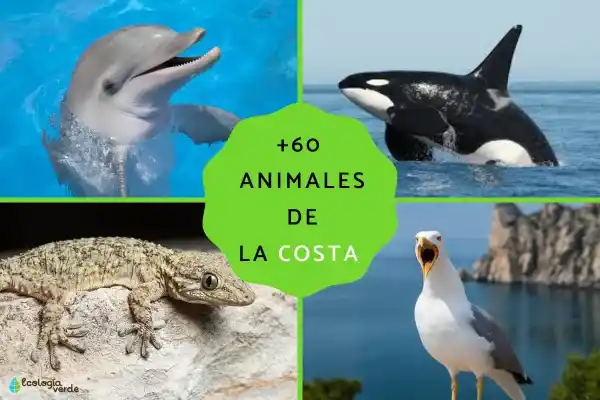
Coastal and nearshore zones are among the richest biomes on Earth. Besides familiar creatures like dolphins, seagulls, and sea turtles, these intertidal zones, beaches, reefs, estuaries, and nearshore waters nurture thousands of fish, birds, reptiles, and invertebrates. This reader-friendly illustrated guide will guide you through a systematic understanding of representative coastal animal groups, showcasing typical species and highlights from the Peruvian coast, the Ecuadorian (including the Galapagos) coast, and the Mediterranean coast.
Dolphins (Delphinidae)
Dolphins are among the most representative marine mammals in coastal areas. They are highly social and intelligent, and they use sound and body movements to "coordinate their hunts".
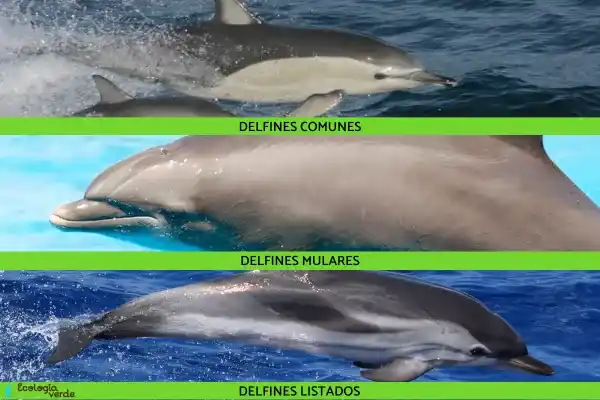
Common dolphin ( Delphinus delphis ): has alternating light and dark "clock patterns" on its sides; often rides the waves ahead of the bow of a ship.
Bottlenose dolphins ( Tursiops truncatus ): Frequent visitors to nearshore harbors, they have a strong learning ability and can use echolocation to forage in murky waters.
Piss's Rotary Dolphin ( Stenella coeruleoalba ): Agile and often found in small groups.
Key ecological features : They feed on fish and squid; they use echolocation for hunting and obstacle avoidance; nearshore populations are susceptible to noise, accidental catches, plastic pollution, and ship collisions.
Seagull (Laridae)
The most common coastal birds, highly adaptable, and opportunistic feeders.
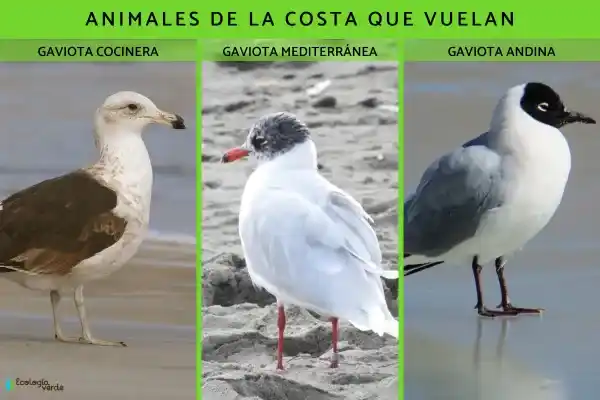
Black-backed Gull (also known as "chef gull") ( Larus dominicanus ): A large gull commonly found in the Southern Hemisphere.
Mediterranean Gull ( Ichthyaetus melanocephalus ): It has a black hood during the breeding season.
Andean Gull ( Chroicocephalus serranus ): Found in lakes and valleys along the Andean coast.
Ecological highlights : Omnivorous, it eats fish and shrimp, and also pecks at invertebrates in the mudflats and food scraps discarded by humans; ingestion of plastic and fishing gear is one of the main threats.
Sea turtle (Chelonioidea)
Many types of sea turtles come ashore to lay their eggs on tropical and subtropical coasts, and adults live in nearshore to offshore waters for extended periods.
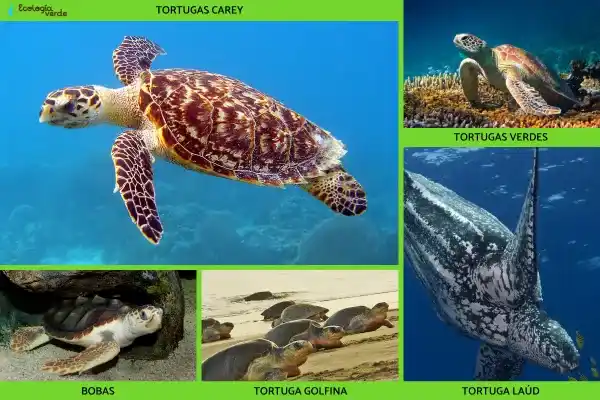
Hawksbill turtle ( Eretmochelys imbricata ): It feeds on sponges and has beautiful scales, but it was once subject to illegal trade.
Green sea turtles ( Chelonia mydas ): Adults primarily feed on seaweed and algae, acting as "pruners" of seaweed beds.
Loggerhead turtle ( Caretta caretta ): Strong jaws adapted for crushing shells.
Olive-skinned red-eared slider ( Lepidochelys olivacea ): Commonly observed phenomenon of "groups coming ashore to lay eggs".
Leatherback sea turtle ( Dermochelys coriacea ): The largest sea turtle, its main food is jellyfish.
Key ecological points : Artificial light pollution can interfere with hatchling turtles' orientation to the sea; entanglement in fishing gear, marine debris, and habitat loss are the core threats.
Sardines (Clupeidae)
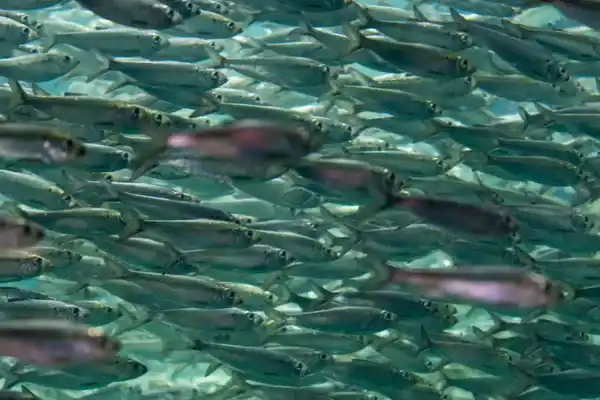
(Note: Commonly written as "Clupeidae" Sardinidae) Nearshore pelagic fish, often forming giant schools of fish.
Common characteristics : small size, silvery appearance, and schooling behavior; they feed on plankton and are important prey for large fish, seabirds, and dolphins.
Ecological role : an energy "transport belt" that transports energy from the planktonic level to higher trophic levels and coastal ecosystems.
Crabs and other coastal crustaceans (Portunoidea, etc.)
The invertebrates at the top of the intertidal zone are both scavengers and hunters.
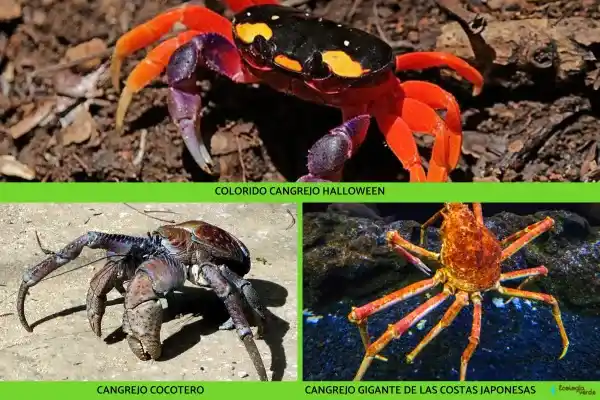
Halloween crab ( Gecarcinus quadratus ): Brightly colored, often found in tropical coastal forests and sandy beaches.
Coconut crab ( Birgus latro ): A relative of giant hermit crabs, capable of climbing trees to crack open coconuts.
Japanese giant cheir crab ( Macrocheira kaempferi ): A deep-water giant crab whose tentacles can extend to over 3 meters.
Ecological highlights : It inhabits intertidal rock crevices, mudflats and mangroves; it is most vulnerable during molting; it is sensitive to benthic nets and habitat destruction.
Selected Coastal Animals of Peru, Part 4 (Pacific-Peru)
The cold, nutrient-rich Peru Current has nurtured highly productive nearshore ecosystems worldwide.
Representative coastal birds
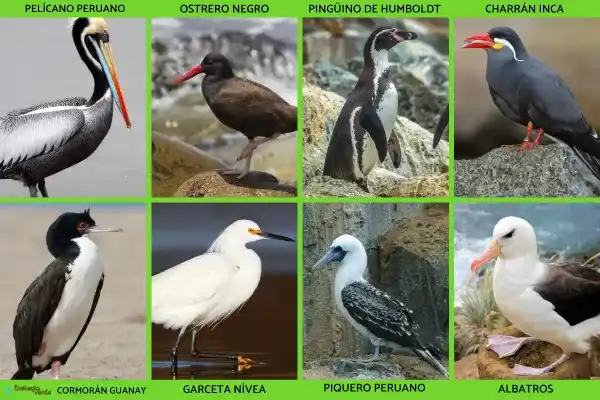
Peruvian Pelicans ( Pelecanus thagus ): swooping down in groups to prey on anchovies.
Black Stint ( Haematopus ater ): Preys on mollusks and is commonly found in rocky reef areas.
Humboldt penguin ( Spheniscus humboldti ): a cold-water penguin that breeds in caves and sea caves.
Inca Tern ( Larosterna inca ): Its distinctive "mustache" plumage makes it easily recognizable.
The Guannai Cormorant ( Leucocarbo bougainvillii ), Snowy Heron ( Egretta thula ), Peruvian Gannet ( Sula variegata ), and members of the Albatross family ( Diomedeidae ) are also commonly seen.
Representative coastal mammals
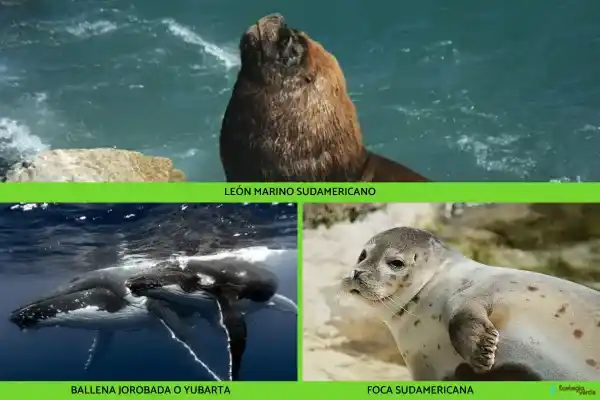
South American sea lions ( Otaria byronia / Otaria flavescens ): often gather in groups on coastal cliffs and in harbors.
Humpback whale ( Megptera novaeangliae ): Bounces and flaps its tail along the shoreline during migration.
South American seals ( Phocoidae ): are quite sensitive to human disturbance.
Representative nearshore fish
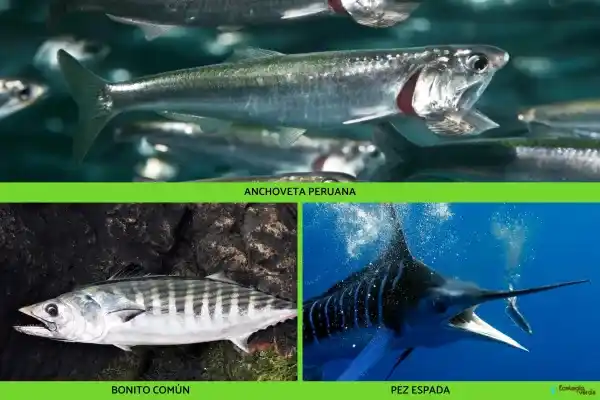
Peruvian anchovy ( Engraulis ringens ): the mainstay of the fishing industry in this area.
Atlantic skipjack tuna ( Sarda sarda )
Swordfish/Forktail Swordfish ( Xiphias gladius )
Selected Animals of the Ecuadorian and Galapagos Coast (Part 5)
Tropical native lands and oceanic archipelagos coexist, and unique island adaptations have created a high degree of distinctiveness.
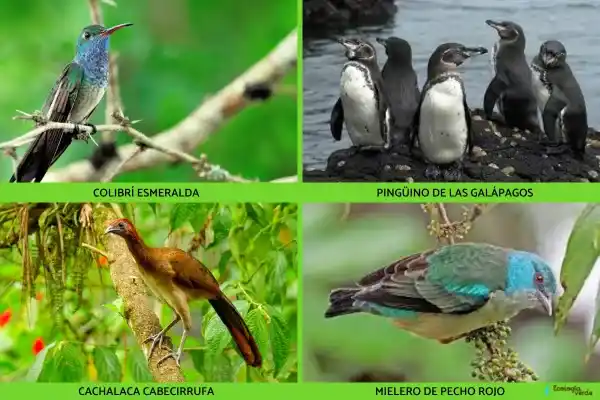
Representative coastal birds
Emerald Hummingbird ( Amazilia luciae )
Galapagos penguin ( Spheniscus mendiculus ): The northernmost penguin species.
Red-crested Partridge ( Ortalis erythroptera )
Red-breasted Cuckoo ( Dacnis venusta )
Representative coastal mammals
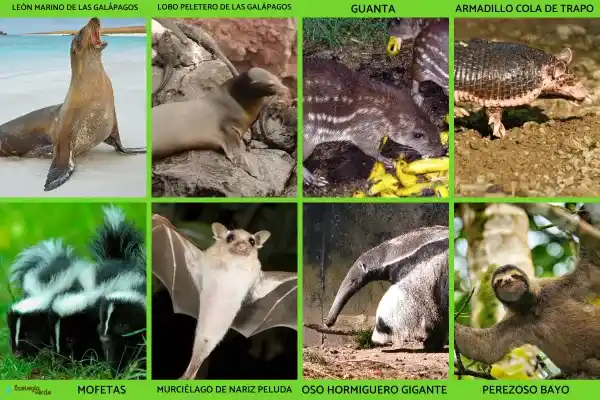
Galapagos sea lion ( Zalophus wollebaeki ): A popular beach "lying flat" pose.
Galapagos fur seal ( Arctophoca galapagoensis )
Spotted rabbit/Guinea pig (wild close relative) ( Cuniculus paca )
Brandt's armadillo ( Caesassous centralis ), skunk ( Mephitidae ), and long-nosed bats ( Chiroptera )
Giant anteater ( Myrmecophaga tridactyla ), brown-throated three-toed sloth ( Bradypus variegatus )
Representative coastal reptiles
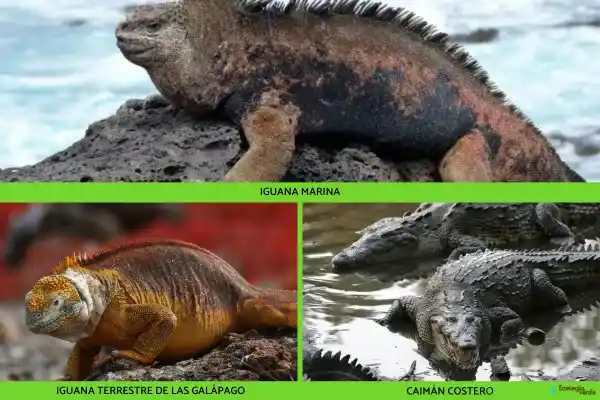
Marine iguana ( Amblyrhynchus cristatus ): The world's only truly marine lizard, an algae eater.
Galapagos land iguana ( Conolophus subcristatus )
American saltwater caiman/coastal caiman ( Crocodylus acutus )
Selected Animals of the Mediterranean Coast, Part 5
The semi-enclosed ocean basin is a blend of warm temperate and subtropical zones, with dense migration routes and breeding grounds.
Coastal-sea birds
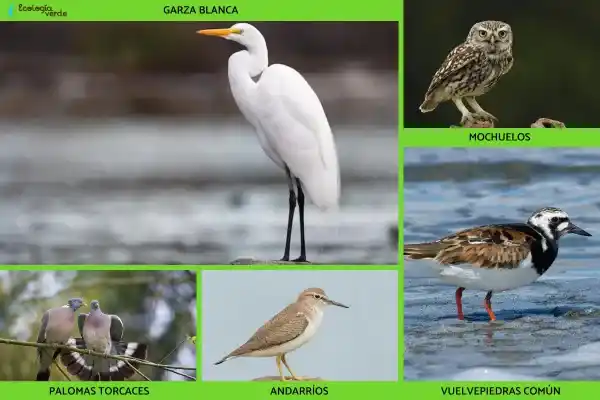
Great egret ( Ardea alba ), owls (such as little owls) ( Strigidae )
Rock pigeon/ Columba palumbus
Sandpiper ( Actitis hypoleucos ), Turnstone Sandpiper ( Arenaria interpres )
Nearshore whales and dolphins
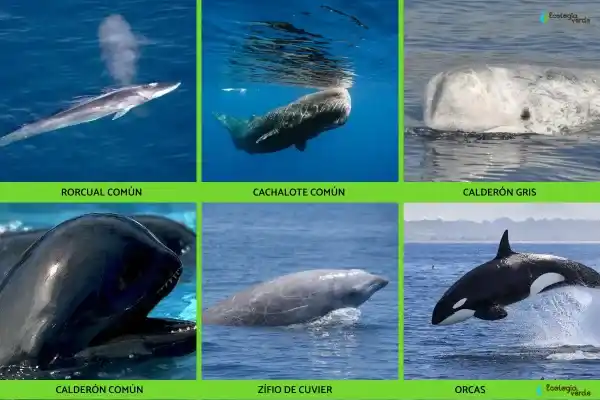
Fin whale / Common fin whale ( Balaenoptera physalus )
Sperm whale ( Physeter macrocephalus )
Grey dolphin/grey pilot whale ( Grampus griseus )
Short-finned pilot whale ( Globicephala melas )
Cuvier's beaked whale ( Ziphius cavirostris )
Orca ( Orcinus orca )
Coastal reptiles
Mediterranean gecko / Moroccan gecko ( Tartentola mauritanica )
The western Mediterranean snake ( Malpolon monspessulanus )
Lizards ( Lacertidae , etc.)
Intertidal invertebrates
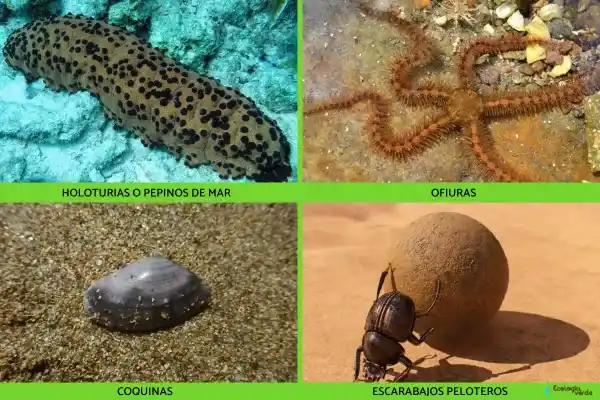
Sea cucumber ( Holothuroidea ) and snake tail ( Ophiuroidea )
Donax trunculus ( small sea clam/beach shell )
Dung beetles and other beach beetles ( Coleoptera )
Viewing and Conservation Tips (Applicable to all coastlines)
Keep your distance from wildlife : Avoid feeding, chasing or touching them (especially turtles coming ashore, seal pups and tide pool creatures).
Reduce beach litter : Bring your own trash and take it with you; minimize the use of single-use plastics.
Respect enclosures and buffer zones : Seabirds and turtles are highly sensitive to light and noise during the breeding season.
Rational seafood consumption : Choose sustainable fishery products and avoid juvenile and closed-season products.
summary
From dolphins that "ride the waves" to Inca terns with their distinctive "mustache"; from sea lions basking in the sun on the beach to crabs and brittle stars quietly crawling in the tide pools—the coastline is a three-dimensional textbook of life. Hopefully, this illustrative overview will help you recognize more of your neighbors on your next beach stroll and make you more willing to leave a clean and peaceful haven for their habitat.
References
Brazeiro, A.; Toranza, C. and Bartesaghi, L. (2009) Coastal Biodiversity Project. EcoPlata-Uruguayan University Agreement, Faculty of Sciences (Uruguay), pp. 8-21.
Martínez, ML (2012) Beaches and coastal dunes: A mobile home. Mexican Economic and Cultural Foundation.
Salazar-Vallejo, SI (2002) Hurricanes and biodiversity along tropical coasts. Journal of Tropical Biology (Mexico), Vol. 50 (2).