The Galapagos tortoise is one of the largest living land tortoises, endemic to the Galapagos Islands of Ecuador. Adults reach 1.5 meters in length and weigh an average of 175 kilograms, with a record weight of 400 kilograms. Wild Galapagos tortoises can live for over 100 years.
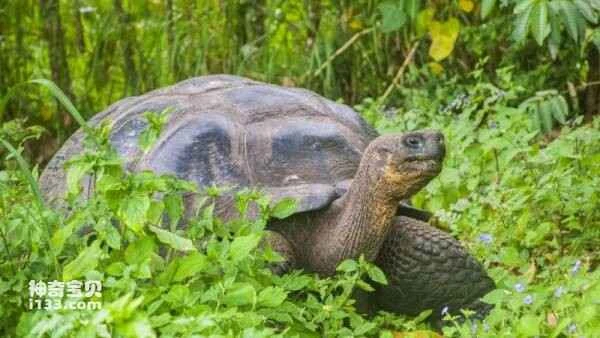
In the 1830s, British biologist Charles Darwin sailed for five years aboard the HMS Beagle, becoming the first person to set foot on the remote Galapagos Islands. His observations and studies of the Galapagos tortoises sparked his thinking on establishing the theory of evolution. Therefore, the Galapagos tortoise is also famous because of Darwin.
Giant tortoises are herbivores, eating cacti, pineapples, and other fruits, leaves, and grasses. They move very slowly, only about 260 meters per hour.
When Darwin first arrived in the Galapagos Islands, there were approximately 200,000 Galapagos tortoises, but by the 1970s, more than a century later, only about 3,000 remained. The primary reason for this dramatic decline was human hunting for tortoise meat and oil, as well as habitat encroachment by agriculture and livestock.
Galapagos tortoise meat was once considered a delicacy. The Beagle carried 30 live tortoises on a long voyage from the Galapagos Islands to Polynesia. Most of them were eaten by the crew.
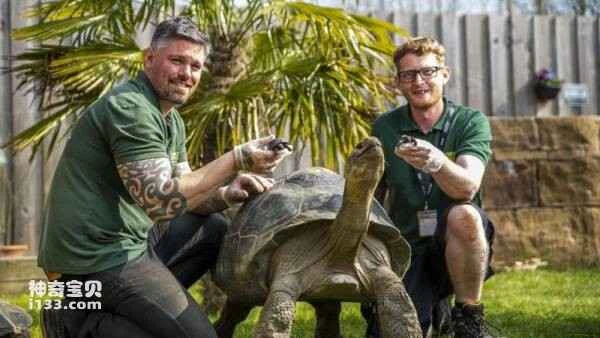
All Galapagos tortoises are listed on the IUCN Red List, ranging in rarity from vulnerable to critically endangered. Of the original 15 subspecies, 10 remain in the wild, while some have become extinct.
The last known individual of the Pinta Island tortoise, a subspecies of Galapagos tortoise, was "Lonely George," discovered in 1971. Although he successfully mated with a female in captivity and laid a total of 13 eggs, none of them hatched.
On June 24, 2012, "Lonely George" died, marking the extinction of the Pinta Island tortoise.
The practical significance of protecting biodiversity
Scientists point out that without nature, life on Earth would cease to exist. Changing or removing any element in the web of life will affect the entire life system and may have negative consequences.
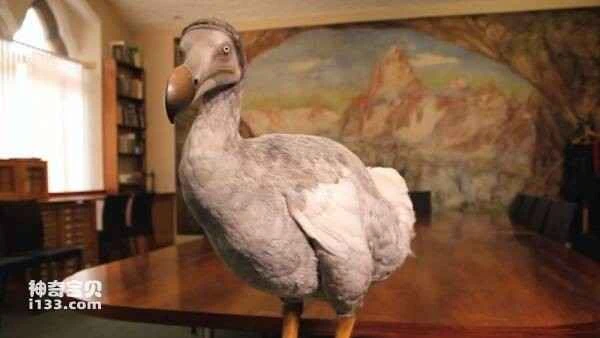
The United Nations states that biodiversity is the lifeline that connects and sustains all of humanity. Species are disappearing at a rate tens to hundreds of times higher than the average rate over the past ten million years, and this rate is accelerating.
Environmental scholars point out that human activities have encroached on wildlife habitats, reduced the genetic diversity of animal populations, exacerbated climate change, and triggered extreme weather events, ultimately disrupting the delicate balance of nature and creating ideal conditions for the spread of viruses between animal populations and humans.
Scientists warn that the COVID-19 pandemic is a wake-up call from nature. Destroying biodiversity is tantamount to destroying the very foundations of the systems that support human life. Therefore, protecting the Galapagos tortoise or the giant panda's natural habitat is also protecting humanity's future.