Animal teeth have evolved into various forms to adapt to their different diets. Herbivores typically have flat teeth for chewing plants, while carnivores rely on sharp teeth to tear prey. However, modern birds have no teeth at all, using their beaks to eat. So, are there any birds with "teeth"? Actually, while most birds don't have true teeth, some possess structures similar to teeth. Below, we introduce 10 bird species with tooth-like features.
1. Goose
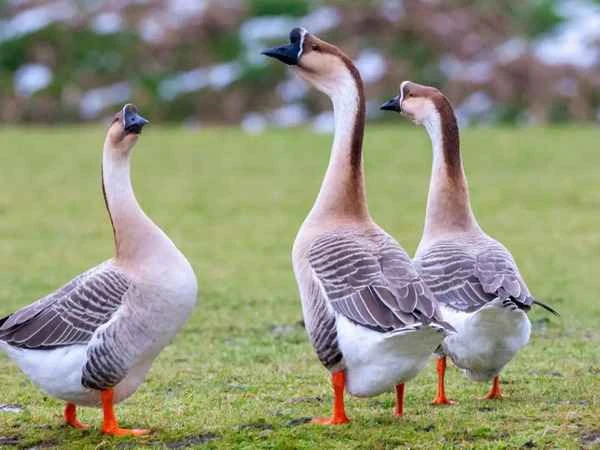
Geese have tooth-like structures on their beaks called tomia, which help them tear grass and plants. Geese are found all over the world, except in Antarctica, in wetlands, grasslands, and urban open areas. Although many people mistakenly believe that geese have teeth, their tomia are actually hard cartilaginous structures, not real teeth. Geese mainly feed on grass, seeds, and insects.
2. Penguins

Penguins have a row of hook-like structures called **papills** inside their beaks, which look like sharp teeth. Penguins use these "teeth" to grab slippery fish and swallow them. Although these structures are not teeth, they do help penguins effectively capture food. Penguins mainly live in Antarctica and its surrounding areas in the Southern Hemisphere.
3. Saw-beaked Bowerbird
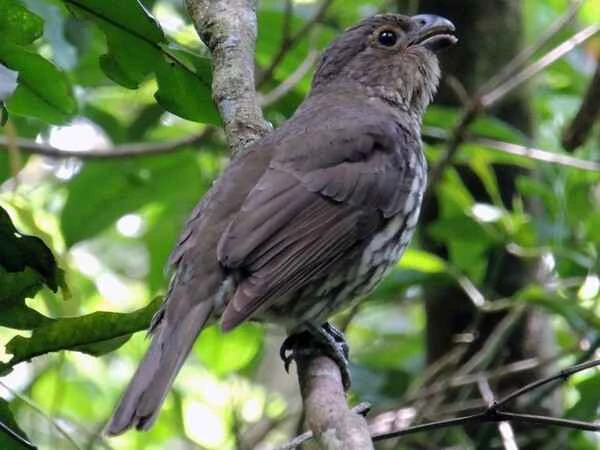
The Saw-billed Bowerbird, also known as the Saw-billed Bowerbird, is a bird endemic to Australia. Its beak has serrated edges that help it cut the stems of leaves and fruits. This bird primarily feeds on fruits and insects. Despite its name containing "teeth," these serrations on its beak are not actual teeth.
4. Toucan
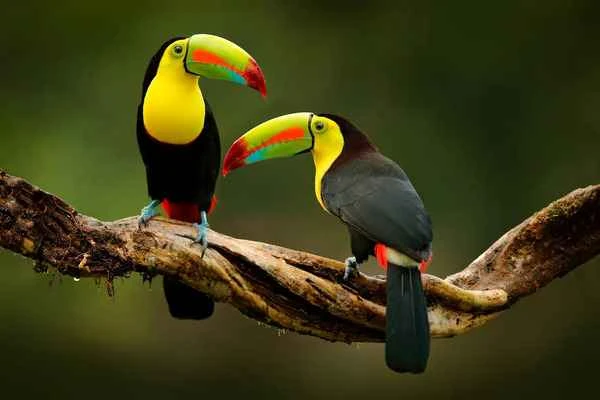
Toucans are known for their large, brightly colored beaks. Their beaks have many forward-pointing serrations that resemble teeth. Toucans are mainly found in the tropical rainforests of Central and South America. They primarily eat fruit and sometimes prey on small birds and insects. These serrations likely help them scare away other birds when competing for food.
5. Dinosaurs
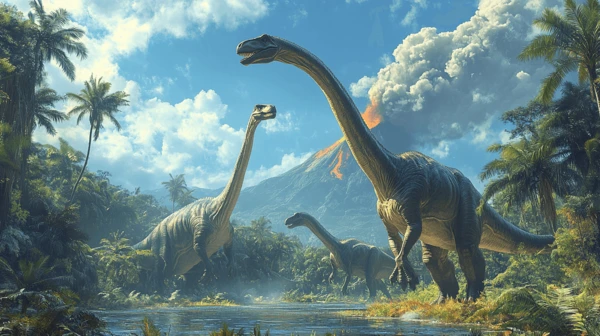
Modern birds evolved from dinosaurs, particularly theropods. These dinosaurs, such as the famous Tyrannosaurus rex and Velociraptor, possessed sharp teeth. An early ancestor of birds was Archaeopteryx, which lived approximately 150 million years ago and had small, sharp teeth. Archaeopteryx serves as an evolutionary bridge between modern birds and ancient dinosaurs.
6. Crow-billed Auk
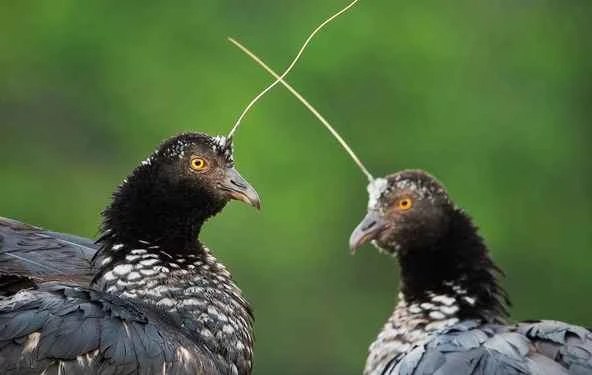
The puffin is a seabird that lives in the North Pacific Ocean. Its beak has tooth-like projections that help it catch slippery fish. This bird is known for its distinctive plumage and courtship behavior.
7. Horned Grebe
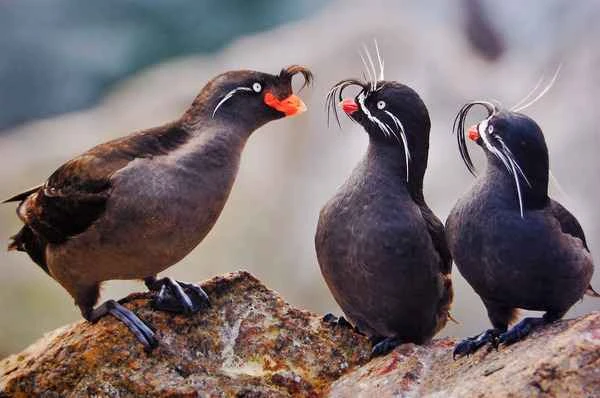
The horned grebe is a large waterbird with a serrated edge to its beak that resembles teeth. It primarily feeds on aquatic plants and fruits, using these "teeth" to grasp its food. They inhabit lakes and swamps in South America.
8. Flamingos
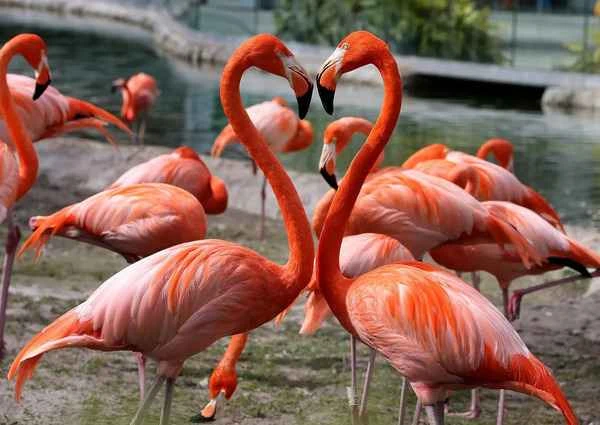
Flamingos have comb-like structures in their beaks called lamellae, which they use to filter food from the water. Although these lamellae are not actual teeth, they function similarly, helping flamingos efficiently obtain small organisms from the water.
9. Shoebill
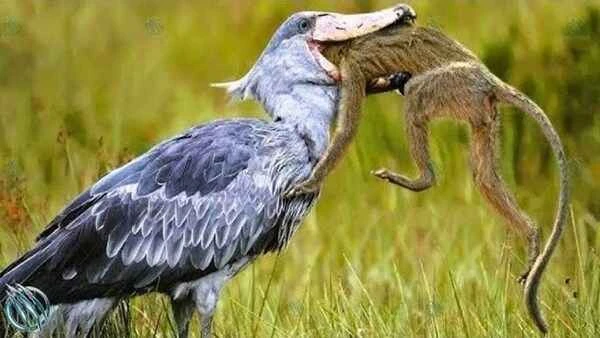
The shoebill stork lives in the swamps of central Africa. Its large beak has a unique shape with sharp edges, resembling teeth. Although it doesn't have real teeth, its beak is sharp enough to catch fish, frogs, and even small reptiles.
10. Osprey
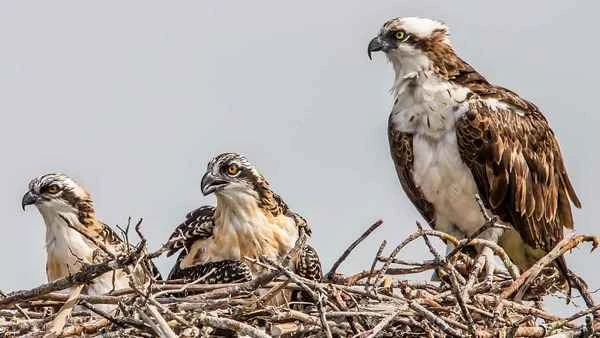
The osprey's hooked beak has serrated edges, helping it to firmly grasp fish, which is also its primary food source. Although ospreys don't have real teeth, the shape of these beaks makes it easier for them to catch and process their prey.
Although these birds do not have real teeth, they have evolved tooth-like structures to adapt to different environments and dietary needs. These "teeth" help them obtain food more efficiently, ensuring their survival and reproduction in nature.