Since the outbreak of the COVID-19 pandemic, pet owners and wildlife lovers have been wondering: can animals get COVID? While the virus is primarily linked to humans, there have been cases of animals contracting COVID-19, prompting further research and concern. In this comprehensive article, we'll explore whether animals can get the virus, which animals are at risk, how the virus affects them, and what steps you can take to protect your pets and other animals.
Understanding COVID-19 and its transmission
COVID-19 is caused by the SARS-CoV-2 virus, a coronavirus that primarily affects humans by attacking the respiratory system. While humans are the primary host of the virus, research indicates that it can sometimes be transmitted to animals through direct contact with infected humans or through other means. This phenomenon is known as zoonotic disease , where the disease can spread between animals and humans.
Can animals get infected with COVID?
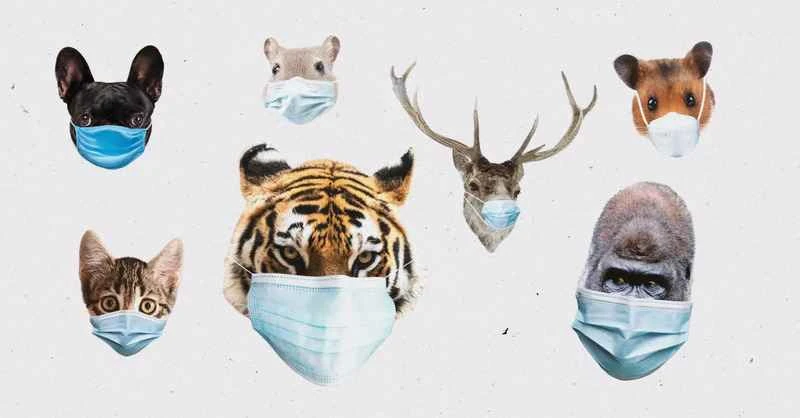
Yes, animals can be infected with COVID-19, but not all animals are equally susceptible. Studies have shown that some species are more susceptible to the virus than others, and the transmission dynamics may also differ. Here are some key findings relating to different animal groups:
1. Pets (dogs and cats)
Dogs : While dogs can also be infected with SARS-CoV-2, cases are relatively rare and symptoms are milder. Compared to humans, dogs appear less likely to develop severe symptoms. Infected dogs typically experience mild respiratory problems (if any) and recover quickly.
Cats : On the other hand, cats are more susceptible to the virus. Studies have shown that cats are more likely to contract COVID-19 than dogs and are able to transmit the virus to other cats. Some infected cats exhibit mild respiratory symptoms such as coughing, sneezing, and fever. However, severe illness remains rare.
It is worth noting that while both dogs and cats can be infected with the virus, there is currently no evidence that pets play a significant role in transmitting COVID-19 to humans.
2. Wild animals
Some wild animals, especially those in captivity, have been found to be susceptible to the virus:
Tigers and lions : There are recorded cases of tigers and lions in zoos contracting COVID-19 from human keepers. Infected large cats exhibited symptoms such as coughing, lethargy, and loss of appetite. However, most have made a full recovery.
Mink : One of the animal populations most significantly affected by COVID-19 is farmed mink . In some countries, mink have contracted the virus, leading to large-scale outbreaks within mink farms. In some cases, it has been observed that mink can transmit the virus back to humans, raising concerns about viral mutations. Consequently, many governments have culled mink populations to control the spread of the virus.
3. Other mammals (primates and ferrets)
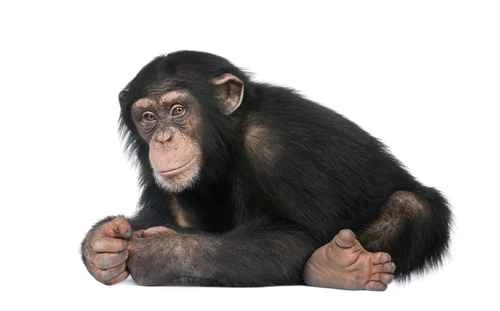
Primates : Non-human primates, including gorillas, chimpanzees, and monkeys, are closely related to humans and have been shown to be at higher risk of contracting COVID-19. Several zoos have reported gorillas and other primates testing positive after contact with infected human caregivers. Infected primates typically exhibit respiratory symptoms similar to those in humans.
Ferrets : Like cats, ferrets are highly susceptible to COVID-19. Studies have shown that ferrets can contract the virus and spread it to other ferrets. Their vulnerability makes them a subject of COVID-19 research because their response to the virus is very similar to that of humans.
4. Livestock (cattle, pigs, and poultry)
To date, there is no clear evidence that livestock such as cattle, pigs, chickens, or other farm animals are susceptible to COVID-19. The virus does not appear to affect these animals, and there is no need to worry about its spread through animal products such as meat or milk.
How do animals get infected with COVID?
Animals typically contract COVID-19 through close contact with infected humans. If a COVID-19 patient coughs, sneezes, or breathes near an animal, the animal may be infected with the virus. This is similar to how the virus spreads from person to person.
In cases involving mink and primates, infection typically occurs in environments where the animals have close and ongoing contact with infected humans, such as zoos, farms, or research facilities.
Symptoms of COVID-19 infection in animals
If an animal is infected with COVID-19, symptoms may vary by species. Common symptoms include:
fever
cough or sneeze
Difficulty breathing
Drowsiness or fatigue
Loss of appetite
Runny nose or eye discharge
In most cases, symptoms in animals tend to be mild and short-lived. Severe symptoms or death are extremely rare, although some species, such as mink, are more affected by the outbreak.
How to protect your pet from COVID-19 infection
While the risk of pets transmitting COVID-19 to humans is low, it's still a good idea to take precautions to protect your furry friend. Here are some steps you can take:
Maintain distance when sick : If you or someone in your household has contracted COVID-19, it's best to avoid close contact with your pets. During this time, have someone else in your household care for them as much as possible.
Avoid unnecessary contact with wildlife : If you live near wildlife or interact with wildlife in any way, minimize direct contact, especially if there are cases of COVID-19 among nearby wildlife populations.
Keep pets indoors as much as possible : While it is not necessary to keep pets indoors completely, try to limit their interactions with people and animals outside the household during periods of high COVID-19 transmission.
Maintain good hygiene : Wash your hands before and after interacting with your pet, especially after you are out or in contact with other people.
Limit contact with crowded places : Try to avoid taking your pets to crowded places, as the chances of them encountering infected people are higher.
What should you do if your pet shows symptoms?
If you suspect your pet has contracted COVID-19, contact your veterinarian for advice. They may recommend isolating your pet from other animals, providing supportive care, and monitoring for symptoms.
In some cases, veterinarians may test animals for COVID-19, although this is relatively rare and is usually only used when the animal has been in contact with a known COVID-19 patient.
in conclusion
So, can animals get COVID? The answer is yes, but the extent to which different animals are affected varies greatly. While some animals, such as dogs and cats, can be infected with the virus, their symptoms are usually mild, and they do not play a major role in transmitting the disease to humans. On the other hand, certain species, such as mink and primates, are more susceptible to infection and require specific protective measures.
As the pandemic evolves, scientists continue to study how COVID-19 affects animals and how best to protect both human and animal populations. For pet owners, following basic hygiene practices and limiting contact between their pets and infected individuals can help ensure everyone's safety.