When we talk about menstruation, we usually think of humans first. But have you ever wondered if animals menstruate ? In this article, we'll delve into the reproductive physiology of animals, menstrual cycles, and how different species experience reproduction in various ways. You might be surprised to learn that not all animals experience "menstruation" like we do, but many animals have unique and amazing reproductive cycles!
Do animals menstruate? Understanding the basics.
First, let's face this question: Do animals menstruate ? The answer is more complex than a simple "yes" or "no." While humans are the most obvious example of menstrual cycles, most mammals do not experience menstrual cycles like we do. Instead, many animals experience a process called the estrous cycle , which is quite different from the human menstrual cycle.
The difference between the estrous cycle and the menstrual cycle
Humans experience menstrual cycles , and if fertilization does not occur, the uterine lining sheds and is expelled from the body. However, most animals, especially non-human mammals , experience estrous cycles , commonly referred to as "estrus." During estrus, female animals become sexually active, but they do not bleed or shed their uterine lining like humans. Many animals reabsorb their uterine lining when they are not pregnant.
Do primates menstruate?
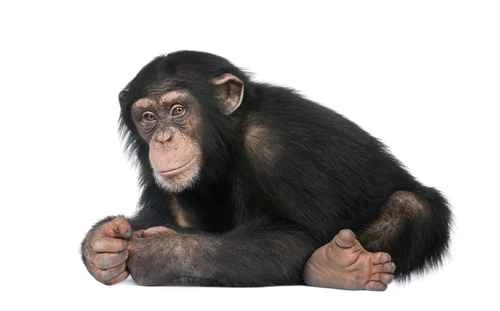
Humans are part of the primate order , and interestingly, we are one of the few species that regularly experience menstrual cycles. Other primates, such as chimpanzees , orangutans , and gorillas , also experience cycles similar to those in humans, but the frequency and intensity may differ.
Some primates, such as baboons , may exhibit more pronounced hormonal fluctuations and estrus behaviors, but they do not menstruate like humans. Menstruation-like phenomena in some species are considered an evolutionary adaptation.
Which animals have menstrual cycles?
While primates are the most well-known species to experience menstrual cycles, some other animals share this trait. For example, certain species of bats and some elephant shrews also exhibit menstrual-like cycles. However, this is relatively rare in the animal kingdom.
Most animals follow an estrous cycle , during which the female experiences a period of sexual receptivity without bleeding or shedding of the uterine lining. Therefore, while the question of whether animals menstruate may seem simple, the diversity of reproductive cycles in the animal kingdom is immense!
Do other animals experience similar menstrual phenomena?
You might ask, do animals menstruate like humans ? The short answer is: no. However, some animals do exhibit menstrual-like phenomena , meaning that hormonal changes cause temporary changes in the uterus. For example, certain species of whales and elephants have been observed to have menstrual-like cycles, although their cycles may not be as regular or intense as those in humans.
Interestingly, the menstrual-like phenomenon exhibited by some animals may serve a similar function to human menstruation—helping to create a more favorable environment for reproduction and ensuring the health and readiness of the uterus.
Estrus cycle: What is it?
Most animals, including most mammals, follow an estrous cycle , during which females experience regular periods of fertility and sexual receptivity, but without menstruation. The estrous cycle is hormonally regulated, similar to the hormonal fluctuations during human menstruation. However, many animals do not shed their uterine lining like humans; instead, if they are not pregnant, they reabsorb this lining tissue.
Species like dogs , cats , and cows are typical examples of animals that experience estrous cycles. These animals do not menstruate in the traditional sense, but they do have mating seasons.
Erosive cycles of cats and dogs
In animals like cats and dogs , females experience estrus , which is the period when they are most likely to mate. During estrus, female cats and dogs exhibit behavioral changes and hormonal fluctuations, indicating that they are ready to reproduce. The length and frequency of the estrus cycle vary depending on the species and individual animal.
Unlike humans, animals that experience estrus cycles do not shed their uterine lining, and therefore do not menstruate. Essentially, their bodies do not undergo a bleeding process similar to menstruation when preparing for mating.
Why do some animals not menstruate?
One reason why many animals do not menstruate is related to evolutionary biology. For many species, especially wild animals, the estrous cycle is more energy-efficient than the menstrual cycle. The menstrual process involves shedding the uterine lining, which requires more energy and can increase the risk of infection or complications.
For wild animals, the key is to ensure that females are ready to reproduce at the right time. The estrous cycle ensures that animals only experience sexual receptivity at the appropriate time, without having to endure the extra energy expenditure and risks of menstruation.
The role of hormones in the reproductive cycle
Hormonal fluctuations play a crucial role in both the menstrual and estrous cycles. Hormones such as estrogen , progesterone , and testosterone regulate different phases of the reproductive cycle in both humans and animals. These hormones control egg development, the thickening of the uterine lining, and, in some cases, the reabsorption of the uterine lining.
Understanding how hormones affect the reproductive cycle helps explain why some animals have estrous cycles , while humans have menstrual cycles .
The following is a detailed list of which animals have menstrual cycles:
| animal | describe |
|---|---|
| Humans | Humans are one of the few species that experience regular menstrual cycles. A human menstrual cycle involves the shedding of the uterine lining when not pregnant, and typically lasts 28 days, with bleeding occurring during the follicular phase. |
| chimpanzee | Like other apes, chimpanzees experience menstrual cycles similar to humans. Their cycles last approximately 30 to 35 days, involving hormonal fluctuations and the shedding of the uterine lining. However, their menstrual flow is typically less frequent or pronounced than that of humans. |
| gorilla | Gorillas also have menstrual cycles, similar in length to chimpanzees, lasting about 30 days. During menstruation, female gorillas shed their uterine lining and experience hormonal fluctuations that affect ovulation and fertility. |
| Chimpanzees | Like other apes, chimpanzees have menstrual cycles, but their cycles are usually more irregular than those of humans, lasting 30 to 40 days. Chimpanzees experience hormonal changes and shed their uterine lining if they are not pregnant. |
| baboon | Baboons experience menstrual cycles, but they differ slightly from humans. Their cycles last approximately 30 days and involve hormonal fluctuations that affect libido. Like humans, baboons shed their uterine lining, but the bleeding is usually milder. |
| elephant shrew | Some elephant shrew species (such as those in the genus *Elephant shrew* ) experience menstrual-like cycles. While not all species have been fully studied, there is evidence that some elephant shrews shed their uterine lining, much like humans. However, this phenomenon is relatively rare outside of primates. |
| Some bat species | Some bat species (such as fruit bats) exhibit menstrual-like cycles. These bats have reproductive systems similar to primates, with menstrual cycles lasting approximately 30 days. Hormonal changes experienced by certain bat species are similar to those of the human menstrual cycle. |
| Some whale species | Some whale species, such as humpback whales , have been observed to exhibit menstrual-like phenomena. Although not as regular as the human menstrual cycle, the reproductive system of female whales undergoes hormonal changes, and some species shed uterine tissue similar to menstruation. However, this phenomenon still requires further investigation. |
| Prickly Rat | Spiny rats (species of the genus Acomys ) are among the few non-primate mammals with a true menstrual cycle. Their menstrual cycle is similar to that of humans, involving endometrial shedding and hormonal changes that regulate the reproductive system. |
Additional notes:
Human-like menstruation : The animals listed in the table above (such as humans, chimpanzees, gorillas, and orangutans) all experience menstrual cycles, and their hormonal changes cause the uterine lining to shed. Menstrual cycles are a relatively rare phenomenon in the animal kingdom.
Primates : Among animals with menstrual cycles, primates (including humans, chimpanzees, gorillas, and orangutans) are the most common. Their cycles are very similar to the human menstrual cycle, although the length and intensity of the cycle may differ.
Menstrual-like phenomena : Some animals (such as certain whales and elephant shrews) exhibit menstrual-like phenomena, although these phenomena are not as regular and intense as the human menstrual cycle. These animals' reproductive systems may undergo hormonal changes, leading to some shedding of uterine tissue, but this is not menstruation in the strict sense.
Non-primate mammals : Non-primate mammals with true menstrual cycles (such as porcupines and certain bat species ) are very rare. Most mammals, such as cats, dogs, and cattle, follow estrous cycles rather than menstrual cycles. An estrous cycle refers to the period when the uterus prepares for pregnancy without shedding its lining, even when the animal is not pregnant.
This list helps you gain a more comprehensive understanding of which animals have menstrual cycles and which exhibit menstrual-like phenomena, thus revealing the diversity of reproductive strategies in the animal kingdom.
Conclusion: Do animals menstruate? A complex question.
So, do animals menstruate? The answer to this question isn't as simple as you might think. While some animals, especially primates, experience menstrual cycles similar to humans, most animals follow estrous cycles , meaning females experience a period of sexual receptivity but don't bleed like humans. The menstrual-like phenomena exhibited by certain species demonstrate the diversity of animal reproductive strategies.
Whether it's the estrus cycle of dogs and cats, or the menstrual cycle of some primates, animals have evolved various reproductive mechanisms. So the next time you ask, "Do animals menstruate?" , you'll know the answer depends on the species, their evolutionary needs, and their reproductive strategies!