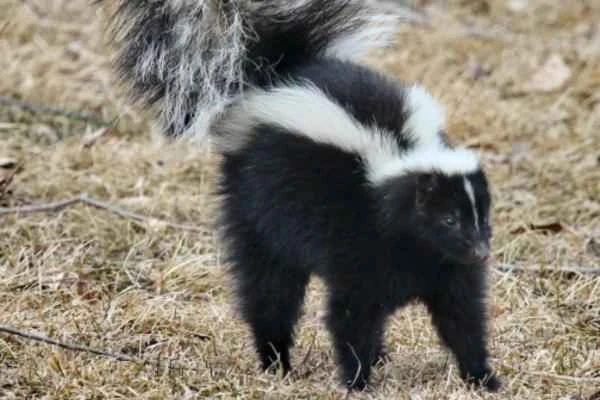
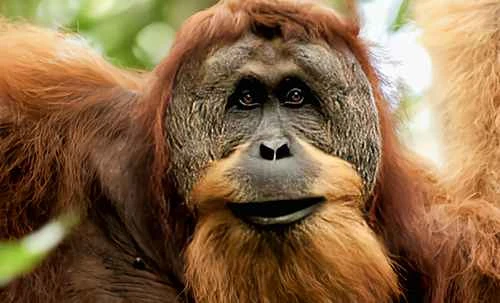
Peru is a country with incredibly rich biodiversity, especially due to its diverse ecosystems, including the Amazon rainforest, the Andes Mountains, the Pacific coast, and arid deserts. However, many animals in this land are threatened with extinction.
The Amazon rainforest is known as the "lungs of the Earth," but large-scale burning and unregulated deforestation are disrupting its ecological balance. In addition, human activities such as illegal hunting and trade in species, urbanization, and environmental pollution are accelerating species extinction. This article will take you deeper into the lives of 20 endangered Peruvian animals and the plight they face.
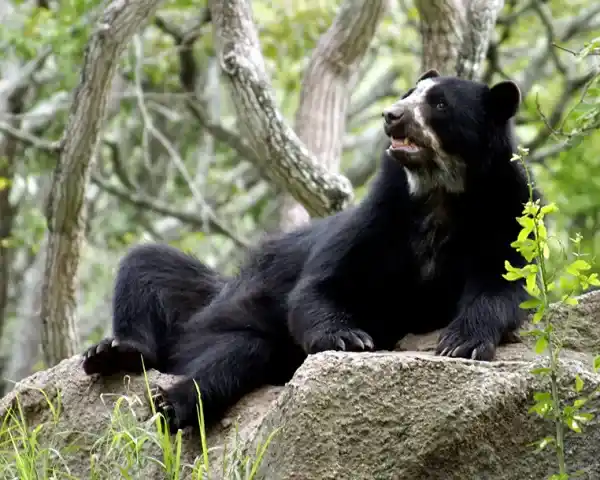
1. Andean Spectacled Bear ( Tremarctos ornatus )
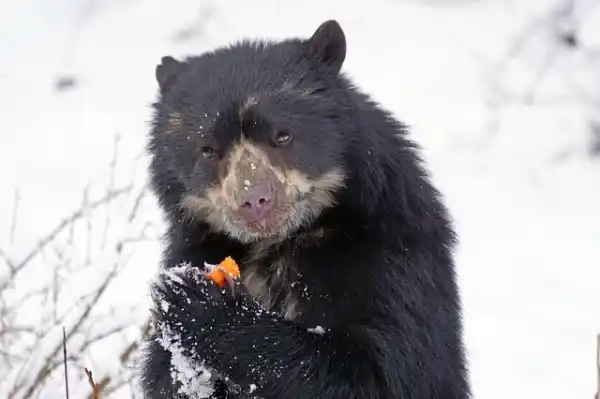
Known as the "Andean bear" or "spectacled bear" because of the white stripes around its eyes, it is the only bear species in South America. It is relatively small in size and its main diet consists of fruits and leaves, but it will also occasionally hunt small animals.
The spectacled bear's range extends from Venezuela to northern Argentina, including Peru. However, its population is declining due to deforestation and habitat loss . Currently, protected areas have been established in parts of Peru, but their effectiveness remains limited.
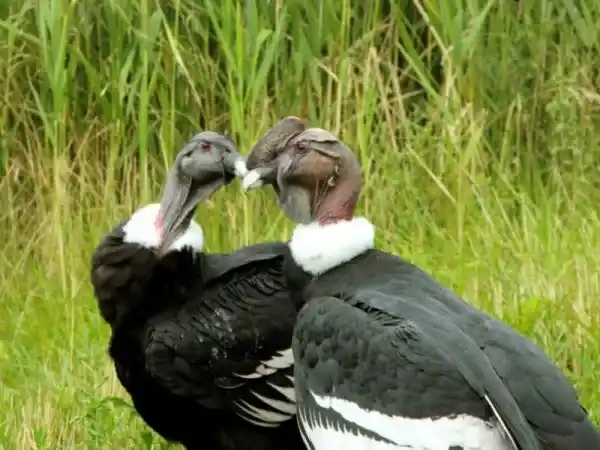
2. Andean condor ( Vultur gryphus )
One of the world's largest flying animals, with a wingspan exceeding 3 meters. They inhabit the high altitudes of the Andes Mountains and are typical scavenging birds.
Today, the Andean condor population in Peru is declining sharply due to hunting, environmental pollution, and food shortages . The good news is that some conservation and breeding programs are underway.
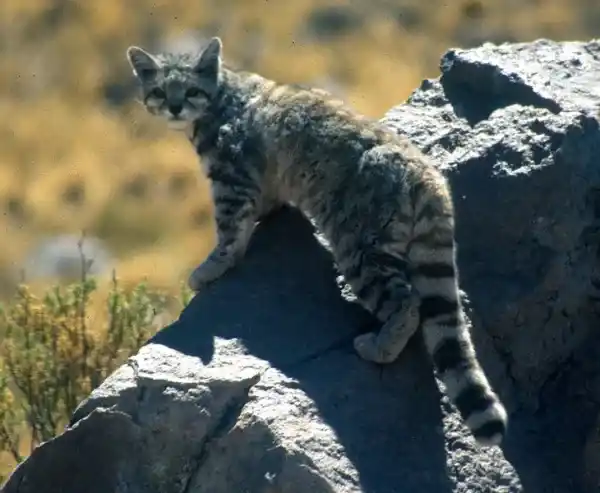
3. Andean wildcat ( Leopardus jacobitus )
The Andean wildcat is one of the most mysterious and rarest felines in South America, with only about 2,500 individuals remaining. It lives in high-altitude areas at 3,000–4,800 meters above sea level, and is similar in size to a domestic cat, but has a thicker and longer tail and unique fur markings.
The threats come from hunting, the fur trade, prey depletion , and habitat destruction . It is listed as critically endangered throughout South America.
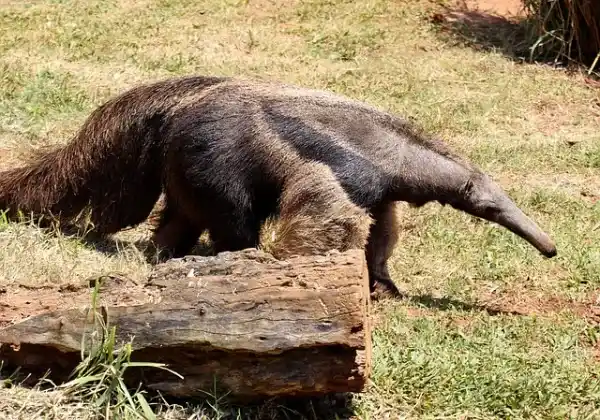
4. Giant anteater ( Myrmecophaga tridactyla )
Also known as the "flag anteater" or "Yurumi". It is the world's largest anteater, feeding on ants and termites, and using its long snout and sticky tongue to catch its prey.
In Peru, giant anteaters are endangered due to low reproduction rates, deforestation , and human capture (such as transport to zoos).
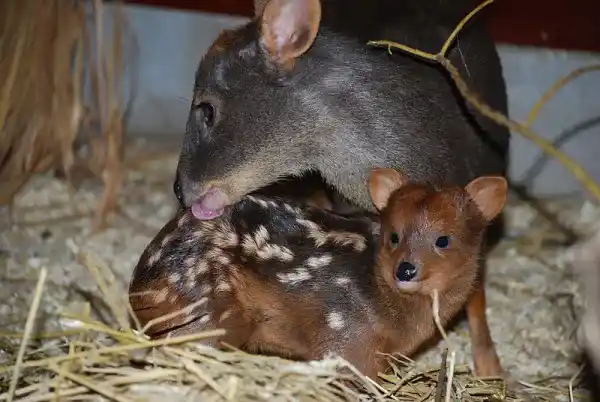
5. Small deer – Pudu (South American Reeves' muntjac)
The world's smallest deer, measuring less than 33 centimeters in length and weighing only about 7 kilograms, has fur ranging in color from reddish-brown to grayish-yellow.
The threats to the Reeves' muntjac come from illegal hunting, deforestation, canine predation, and traffic accidents . Their numbers have now declined significantly.
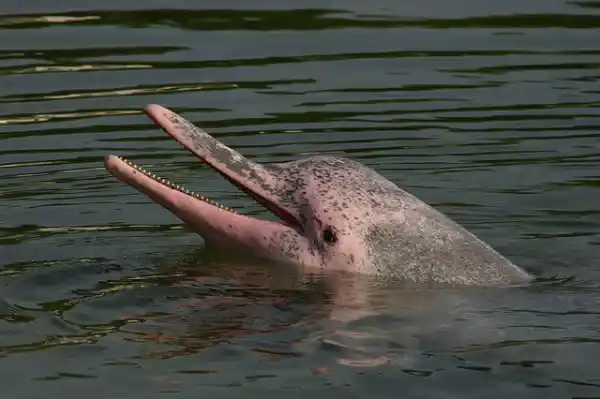
6. Amazon pink dolphin ( Inia geoffrensis )
Also known as the "pink river dolphin," it is one of the five remaining freshwater dolphin species in the world. It is found in the Amazon River basin and is pinkish-white or pale blue in color.
The main threats are dam construction, canal building, and river diversion , which disrupt their habitats and food chains.
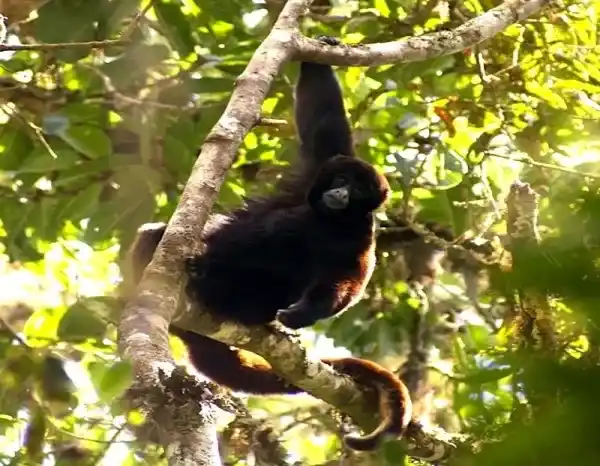
7. Yellow-tailed monkey ( Oreonax flavicauda )
A primate endemic to Peru, with thick fur and a long tail, it lives in the Andes Mountains. It feeds on fruits, leaves, and flowers.
Their habitat has been severely damaged due to road construction and agricultural expansion . Only about 250 individuals remain, making them a critically endangered species.
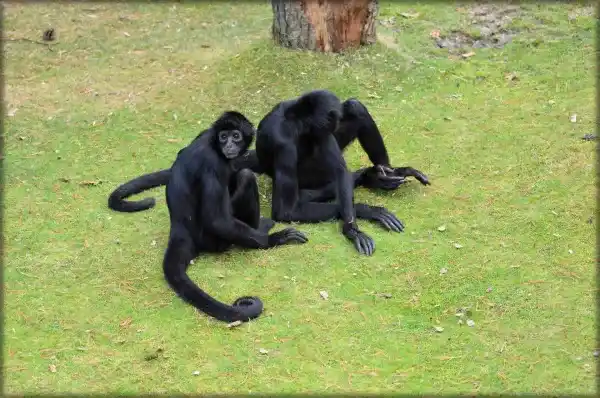
8. White-fronted spider monkey ( Ateles belzebuth )
It is found in the tropical rainforests of Peru, Colombia, Ecuador, Venezuela, and Brazil. Due to deforestation, hunting, and the spread of diseases (such as malaria) , its numbers are declining and it is listed as endangered by the IUCN.
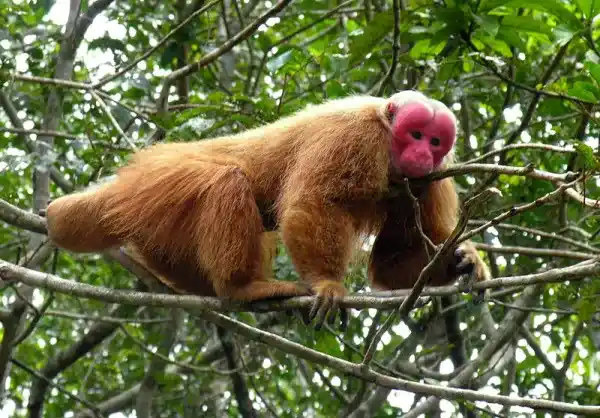
9. Bald-headed Ukali monkey ( Cacayao calvus )
A type of Amazonian primate characterized by its bald head and bright red face . It primarily inhabits Peru, Brazil, and Colombia.
Although currently listed as "vulnerable", the population continues to decline, increasing the risk of endangerment.
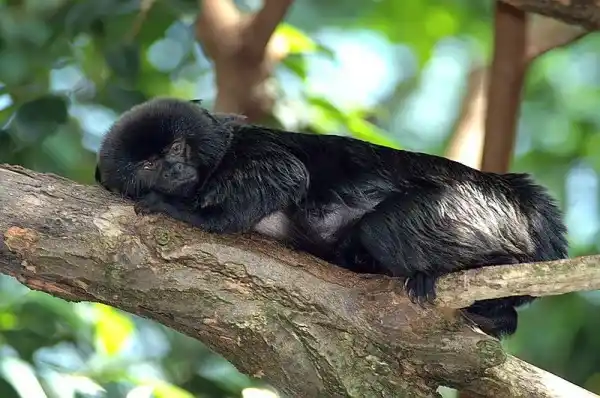
10. Callimico goeldii (Goldi monkey)
Also known as the Gordi monkey, it is found in Peru and surrounding countries. Due to deforestation and illegal hunting , its population has declined rapidly, and it is now endangered in Peru.
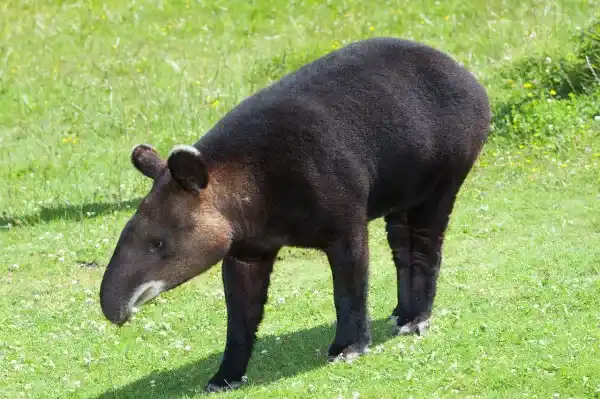
11. Mountain tapir ( Tapirus pinchaque )
Also known as the Andean tapir or mountain tapir, it lives in the highlands of the Andes Mountains. It is one of the largest land mammals in South America.
Due to habitat destruction (burning, logging) , its numbers have plummeted, and it has been listed as an endangered species in Peru.
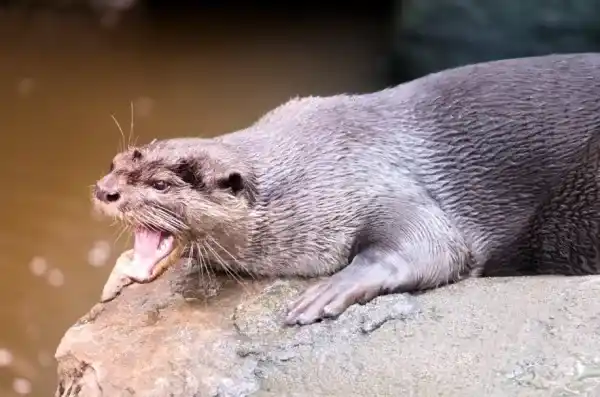
12. Giant Otter ( Pteronura brasiliensis )
Also known as the "Amazon otter" or "giant water wolf." Once widely distributed in the Amazon basin, its numbers have drastically declined due to the fur trade and habitat loss , making it extremely rare in Peru.
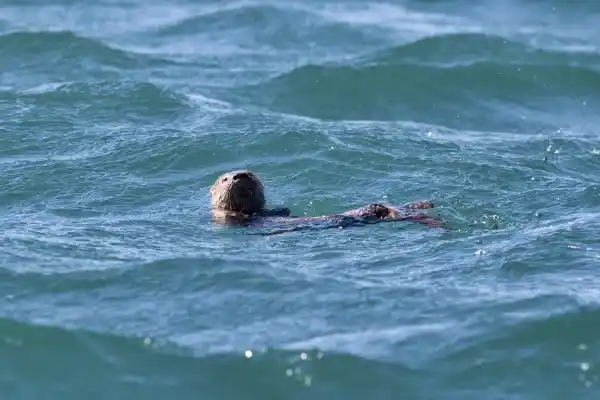
13. Peruvian sea otter ( Lontra felina )
Also known as "sea cat" or "sea otter," it is mainly distributed along the Pacific coast from Peru to Argentina, and even extends to the Falkland Islands.
They are considered endangered due to overhunting and marine pollution .
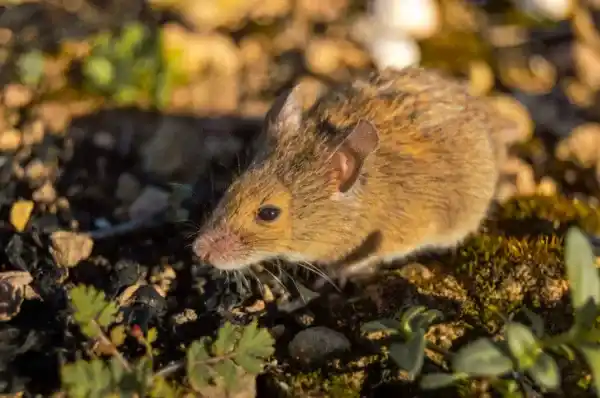
14. Peruvian pygmy mouse ( Melanomys zunigae )
This small rodent, endemic to Peru, is currently critically endangered , with only a very small number of individuals remaining. The main threats are habitat loss and invasive species .
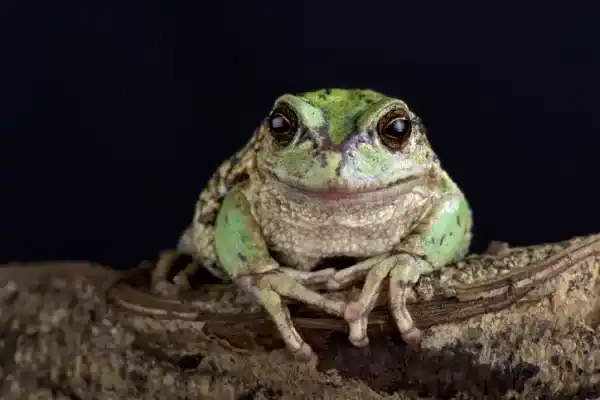
15. Andean Baby Frog ( Gastrotheca riobambae )
Female frogs carry their eggs in a skin pouch on their backs to incubate them, making them a unique type of amphibian. However, their numbers are declining due to urbanization and habitat fragmentation .
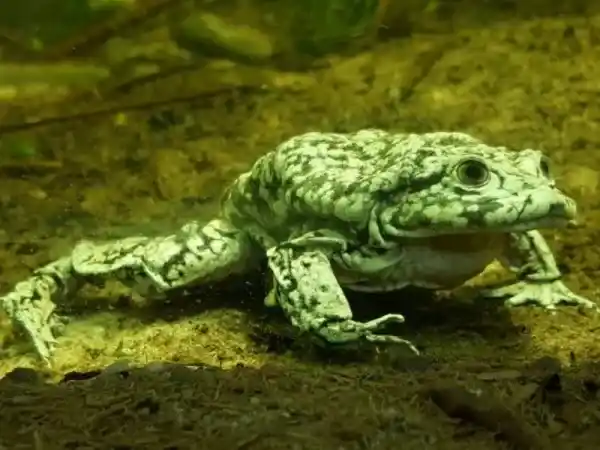
16. The giant frog of Lake Titicaca ( Telmatobius culeus )
This species, endemic to Peru and Bolivia, is known for its enormous size. Due to water pollution and overfishing , it is now listed as critically endangered .
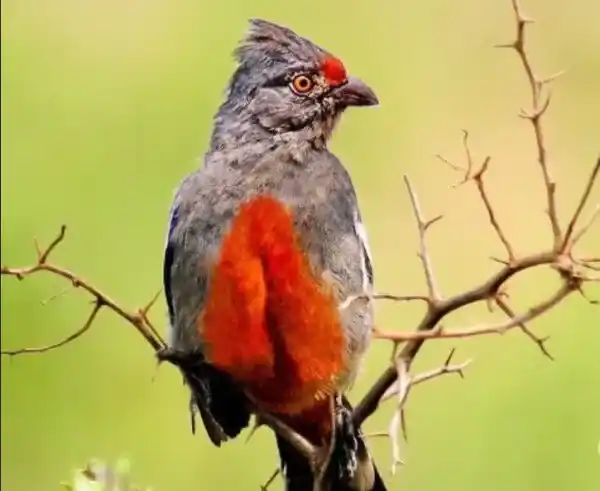
17. Peruvian Broken Branch Bird ( Phytotoma raimondii )
A bird species endemic to the northern and central coast of Peru, it typically feeds on tender plant shoots. Due to habitat fragmentation and declining breeding rates, it is on the verge of extinction.
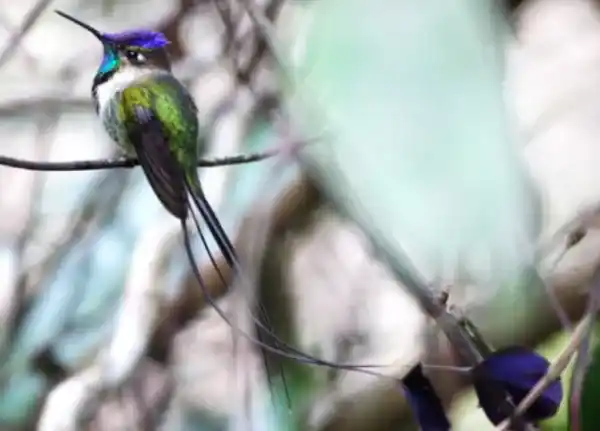
18. Magnificent Hummingbird ( Loddigesia mirabilis )
The hummingbird, endemic to Peru, is known for its long, sickle-shaped tail feathers and inhabits the highland forests of the Uquemamba River basin.
However, its habitat is extremely small and rapidly being destroyed , and its population is declining.
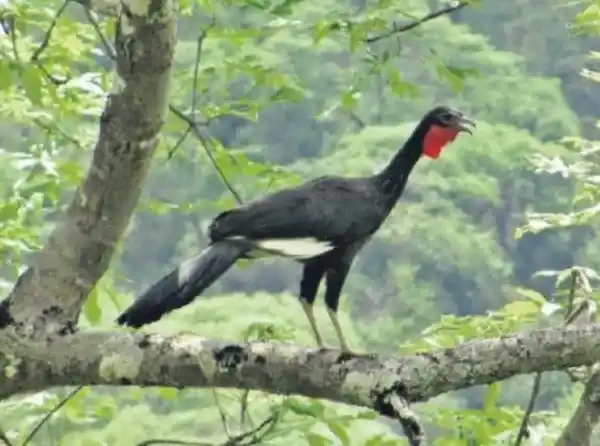
19. White-winged Partridge ( Penelope albipennis )
A bird species endemic to the arid coastal forests of Peru. Due to low breeding rates, deforestation, and overhunting , their numbers are now extremely small.
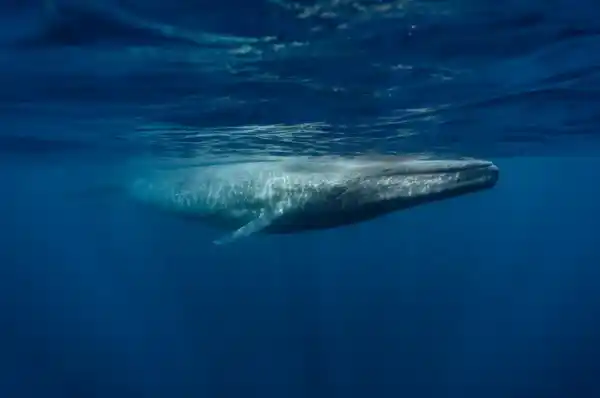
20. Blue Whale ( Balaenoptera musculus )
The world's largest animal, with some migrating herds passing through Peruvian waters each year, is threatened by climate change, marine noise pollution, and illegal whaling , and is endangered globally.
Summarize
Peru is a country with extremely rich biodiversity, but human activities have driven many species to the brink of extinction. From mountains to rainforests, from freshwater to ocean, more than 20 representative Peruvian animals are on the verge of disappearing. Protecting them is not only about maintaining the natural balance, but also about protecting the ecosystems upon which humanity depends for survival.